Rhapidophyllum Hystrix (Needle Palm)
Rhapidophyllum hystrix, commonly known as the Needle Palm, is a fascinating and resilient plant native to the southeastern United States. As the sole.
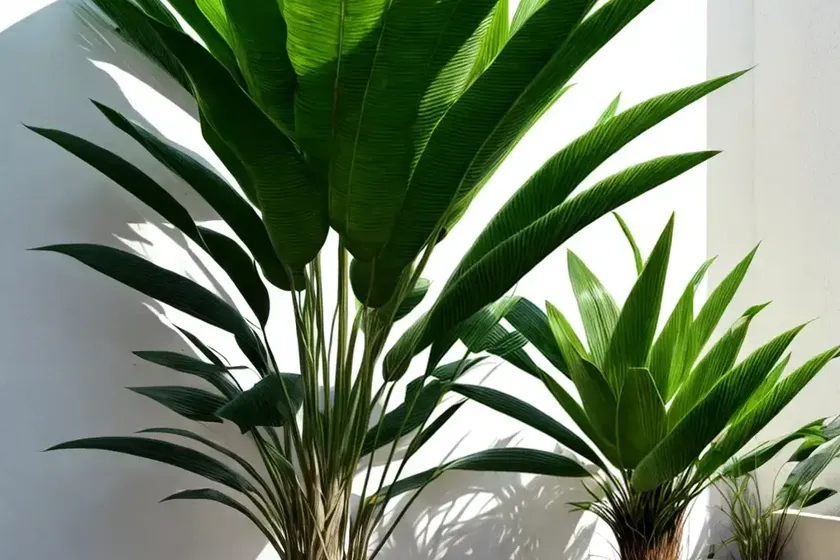
What is Rhapidophyllum hystrix?
Rhapidophyllum hystrix, commonly known as the Needle Palm, is a fascinating and resilient plant native to the southeastern United States. As the sole species in the genus Rhapidophyllum, this palm is renowned for its unique characteristics and its ability to thrive in various environmental conditions.
Rhapidophyllum hystrix Characteristics
The Rhapidophyllum hystrix exhibits the following characteristics:
– Growth Habit: It is a slow-growing palm, typically reaching a height of 6 to 10 feet.
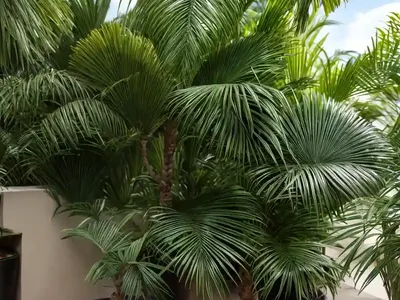
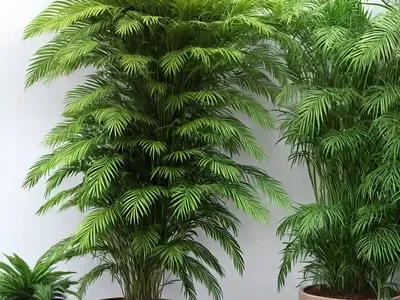
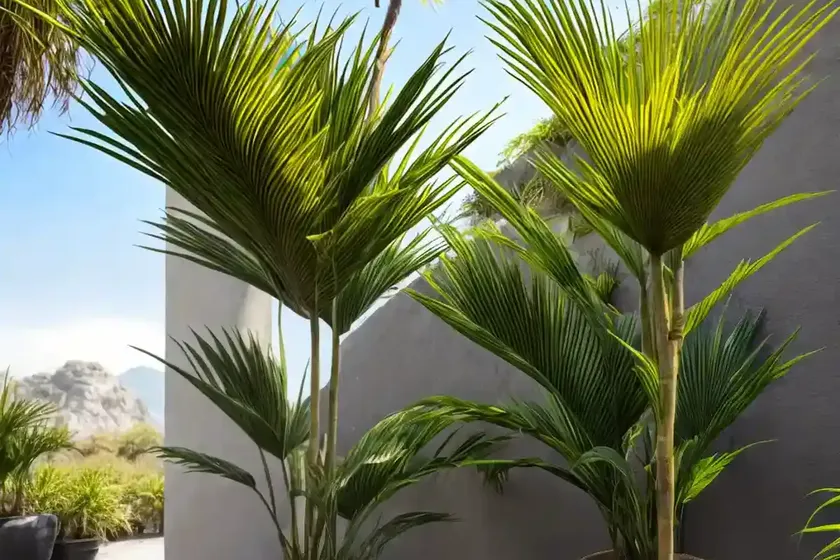
– Foliage: The palm’s large, fan-shaped leaves are deeply divided and have rigid, sharp needles along the petioles.
– Trunk: The Needle Palm features a trunk covered in persistent, dark brown to black, needle-like spines.
– Fruit: It produces small, round, reddish-brown fruits that are an important food source for wildlife.
Key Takeaways – Rhapidophyllum hystrix (Needle Palm)
Culture
The culture of Rhapidophyllum hystrix involves understanding its preferred conditions for growth and overall well-being.
- Hardiness: Needle Palm is exceptionally cold-hardy and can thrive in USDA hardiness zones 5 to 8.
- Growth Rate: It is a slow-growing palm, adding 2 to 6 inches in height per year.
- Lifespan: With proper care, Needle Palm can live for several decades.
- Aesthetic Value: Rhapidophyllum hystrix is valued for its attractive, tropical appearance and ability to lend a dramatic, exotic element to landscapes.
Uses
The Needle Palm has various uses, ranging from ornamental landscaping to medicinal and environmental applications.
- Ornamental: It is a popular choice for tropical-themed gardens, botanical gardens, and nature reserves.
- Wildlife Habitat: The fruits of the Needle Palm serve as an essential food source for various bird species and small mammals.
- Medicinal: Historically, certain Native American tribes have utilized parts of the Needle Palm for medicinal purposes.
Water
Proper watering is crucial for the health and vitality of Rhapidophyllum hystrix.
- Establishment: Newly planted Needle Palms require regular watering to establish a strong root system.
- Mature Plants: Once established, mature Rhapidophyllum hystrix plants are quite drought-tolerant and can thrive with minimal supplemental watering.
- Moisture Requirements: This palm prefers well-draining soils and does not tolerate continuously waterlogged conditions.
Sunlight
Understanding the sunlight preferences of Rhapidophyllum hystrix is vital for its successful cultivation.
- Full Sun: While it can tolerate partial shade, the Needle Palm thrives in full sun, especially in cooler climates.
- Sun Exposure: Established plants can handle intense sunlight and heat, making them suitable for landscaping in warm, sunny regions.
Fertilizer
Proper fertilization ensures that Rhapidophyllum hystrix receives essential nutrients for healthy growth.
- Fertilizer Type: A balanced, slow-release fertilizer specially formulated for palms is suitable for Rhapidophyllum hystrix.
- Application Frequency: Fertilize the palm once in the spring and again in mid-summer.
Soil
The right soil conditions are critical for the well-being of Needle Palm.
- Well-Draining Soil: Rhapidophyllum hystrix thrives in sandy, loamy soils that provide good drainage.
- Soil pH: It prefers slightly acidic to neutral soil with a pH range of 5.5 to 7.5.
Pruning
Proper pruning helps maintain the aesthetic appeal and health of Rhapidophyllum hystrix.
- Dead Fronds: Regularly remove dead or damaged fronds to promote a tidy appearance.
- Pruning Tools: Use sharp, clean pruning tools to prevent the spread of diseases.
Propagation
Understanding the propagation methods for Needle Palm allows for the expansion of its presence in landscapes and gardens.
- Seeds: Rhapidophyllum hystrix can be propagated from seeds, but it requires patience due to its slow growth rate.
- Offsets: Division of offshoots from mature plants is another method of propagation.
Container Popularity
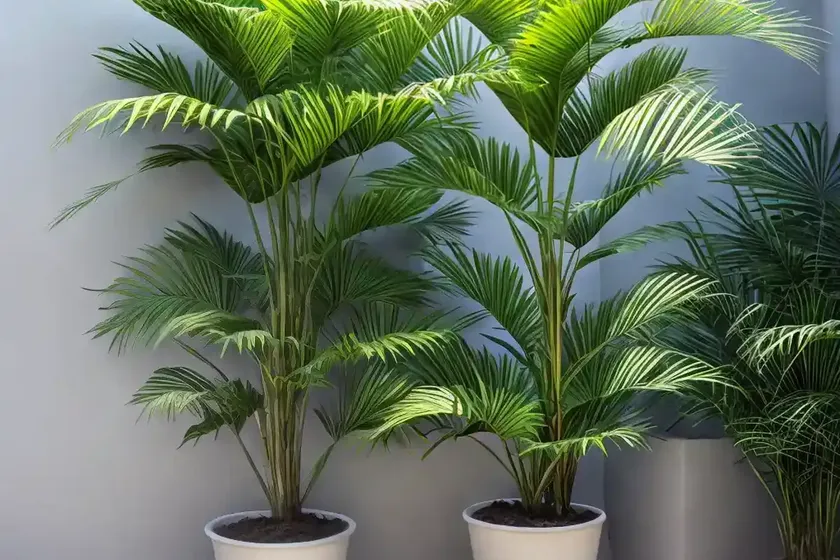
The compact size and slow growth rate of Rhapidophyllum hystrix make it a popular choice for container planting.
- Aesthetic Appeal: Its attractive foliage and slow growth make it an excellent choice for enhancing patios, decks, and entryways.
- Indoor Plant: Rhapidophyllum hystrix can thrive as an indoor plant if provided with sufficient sunlight and humidity.
Container Common Diseases
Although Needle Palm is relatively resistant to diseases, it is essential to be aware of potential issues.
- Root Rot: This can occur if the palm is kept in overly wet or poorly draining soil.
Disease Diagnosis
Understanding the symptoms and signs of common palm diseases can aid in timely intervention.
- Leaf Discoloration: Changes in leaf color, such as yellowing or browning, may indicate a potential disease or environmental stress.
Common Pests
While Rhapidophyllum hystrix is quite resistant to pests, occasional infestations can occur.
- Scale Insects: These pests can sometimes affect the foliage of Needle Palm and may require insecticidal treatment if the infestation is severe.
Botanist’s Tips
Insights from botanists can provide valuable guidance for the successful cultivation of Rhapidophyllum hystrix.
- Climate Considerations: Understanding the local climate and microclimates is crucial for determining the most favorable planting locations.
Fun Facts
Delightful and intriguing facts about Rhapidophyllum hystrix add to its allure.
- Ancient Species: Needle Palm is considered one of the most primitive and ancient palm species, with a unique evolutionary history.
Links to External Resources
For more detailed information on Rhapidophyllum hystrix, refer to the following resources:
– The American Horticultural Society
– Royal Botanic Gardens, Kew
In conclusion, the captivating Rhapidophyllum hystrix, or Needle Palm, is a captivating and resilient plant with remarkable qualities that make it an excellent addition to a wide range of landscapes and gardens. By understanding its specific needs and characteristics, enthusiasts can successfully cultivate and appreciate this exceptional palm species.
Remember, the care guide provided here serves as a comprehensive overview, and it is advisable to seek additional information from local horticultural sources and experts for the best results. With proper care and a suitable environment, Rhapidophyllum hystrix can thrive and make a striking statement in any setting.
References
- “Horticultural Science” by Richard W. Naylor, ISBN: 978-0130436011.
- “The Plant Lover’s Guide to Palms” by Jason Dewees, ISBN: 978-1604697996.