Washingtonia Robusta (Mexican Fan Palm)
Washingtonia robusta, commonly known as the Mexican Fan Palm, is a majestic and iconic palm tree species that is native to northwestern Mexico. It is a.
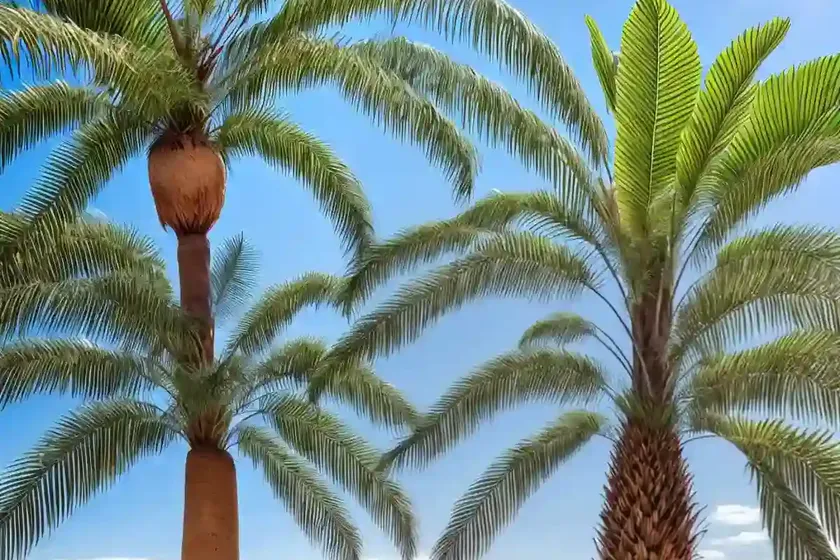
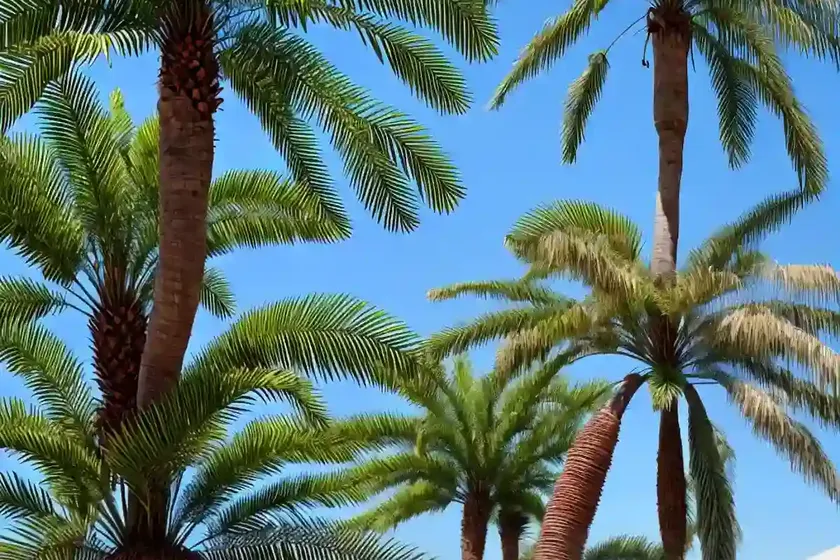
Washingtonia robusta, commonly known as the Mexican Fan Palm, is a majestic and iconic palm tree species that is native to northwestern Mexico. It is a popular choice for landscaping in tropical and subtropical regions due to its striking appearance and relatively low maintenance requirements. In this comprehensive guide, we will delve into the various aspects of cultivating and caring for Washingtonia robusta, including its cultural requirements, uses, water and sunlight needs, fertilization, soil preferences, pruning techniques, propagation methods, common diseases, and pest management.
What is Washingtonia robusta (Mexican Fan Palm)?
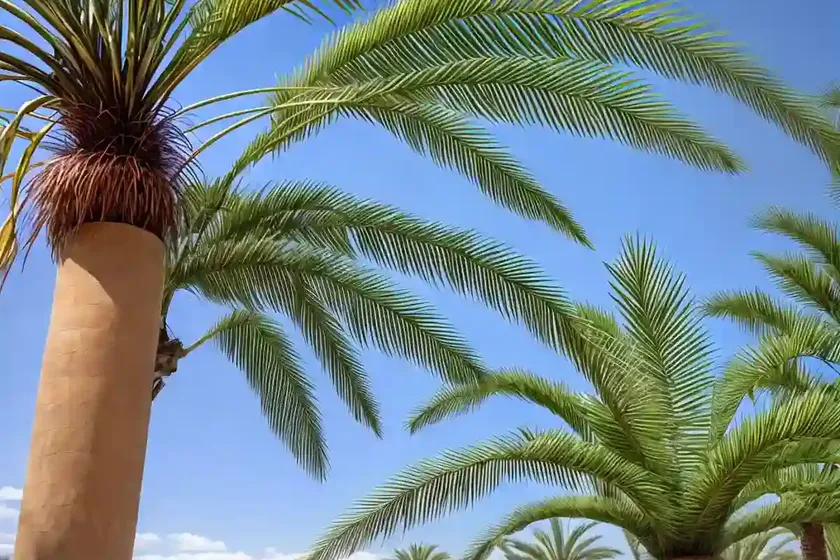
Washingtonia robusta is a tall, slender palm tree that belongs to the Arecaceae family. It is characterized by its large, fan-shaped leaves and a tall, smooth trunk that is topped with a crown of lush green foliage. In its natural habitat, it can reach impressive heights of up to 100 feet, making it an iconic feature of the Mexican landscape.
Key Takeaways – Washingtonia robusta (Mexican Fan Palm)
Before we delve into the specifics of cultivating and caring for Washingtonia robusta, let’s highlight some of the key takeaways about this stunning palm species:
- Common Name: Mexican Fan Palm
- Botanical Name: Washingtonia robusta
- Family: Arecaceae
- Native Habitat: Northwestern Mexico
- Characteristics: Tall, slender trunk with large fan-shaped leaves
- Uses: Landscaping, ornamental purposes
- Cultural Requirements: Well-draining soil, ample sunlight, regular watering
- Special Features: Fast growth rate, relatively low maintenance
- Challenges: Susceptible to certain diseases and pests in specific conditions
Now, with a broader understanding of what Washingtonia robusta entails, let’s delve into the specific aspects of its cultivation and care.
Culture
Cultivating Washingtonia robusta requires an understanding of its specific cultural requirements to ensure optimal growth and health. From suitable climate conditions to soil preferences, the following aspects play a crucial role in the successful cultivation of Mexican Fan Palms.
Climate Suitability
Washingtonia robusta is best suited for tropical and subtropical climates, thriving in regions with warm temperatures and ample sunlight. It is commonly cultivated in areas with mild winters and hot, dry summers, although it can also withstand brief periods of cold temperatures. The Mexican Fan Palm is not well-suited to regions with prolonged frost or extreme cold, as it prefers a more temperate environment.
Soil Requirements
The soil composition plays a significant role in the health and development of Washingtonia robusta. Well-draining soil is essential to prevent waterlogging, which can lead to root rot and other moisture-related issues. A sandy loam or loamy soil with good drainage is ideal for Mexican Fan Palms, allowing excess water to percolate through the soil and preventing the accumulation of water around the roots.
Water
Adequate watering is crucial for the health and vitality of Washingtonia robusta, especially during its initial establishment and periods of drought. While Mexican Fan Palms are relatively drought-tolerant once established, young palms require regular watering to promote healthy root development and overall growth.
Sunlight
Ample sunlight is a fundamental requirement for the successful growth of Washingtonia robusta. Mexican Fan Palms thrive in full sun to partial shade, preferring at least 6-8 hours of direct sunlight daily. Insufficient sunlight can lead to stunted growth and a decrease in the overall vigor of the palm tree.
Fertilizer
Fertilization is essential to provide Washingtonia robusta with the necessary nutrients for robust growth. A balanced fertilizer formulated specifically for palm trees can be applied during the growing season to support healthy foliage and strong root development. It is important to follow recommended application rates to avoid over-fertilization, which can lead to nutrient imbalances and potential damage to the palm tree.
Uses
Washingtonia robusta is widely utilized for various landscaping and ornamental purposes, owing to its impressive stature and visual appeal. Let’s explore some of the common uses of the Mexican Fan Palm:
- Landscaping: Mexican Fan Palms are often used as focal points in landscape design, especially in tropical and subtropical regions. Their tall, slender trunks and graceful, arching fronds make them an ideal choice for creating a striking visual impact in outdoor spaces.
- Avenue Planting: Due to their towering height and elegant appearance, Washingtonia robusta is commonly planted along streets, driveways, and walkways to create a dramatic avenue effect. Their symmetrical growth habit and lush foliage make them an attractive option for enhancing urban and residential landscapes.
- Ornamental Gardens: In both public and private gardens, Mexican Fan Palms are prized for their ornamental value. They can be used to create tropical-themed gardens, provide shade and shelter, or simply add a touch of exotic beauty to outdoor settings.
Given the versatile nature of Washingtonia robusta, it is essential to understand and cater to its specific needs to ensure successful and sustainable use in various landscape settings.
Water
Watering is a critical aspect of Washingtonia robusta care, especially during its establishment and periods of prolonged drought. While Mexican Fan Palms are relatively drought-tolerant once mature, they require consistent and adequate moisture to thrive. Let’s delve into the specific watering requirements for cultivating healthy and vibrant Mexican Fan Palms.
Watering Frequency
Establishment Phase: During the initial establishment phase, young Washingtonia robusta palms require regular watering to promote robust root development and overall growth. Watering frequency may vary depending on the climate and soil conditions, but a general guideline is to water young palms 2-3 times per week, ensuring that the soil remains consistently moist without becoming waterlogged.
Mature Palms: Once established, Mexican Fan Palms are relatively drought-tolerant and can withstand periods of reduced watering. However, during prolonged dry spells or hot summer months, it is essential to provide supplemental irrigation to maintain the health and vitality of mature palms. Watering frequency for mature Washingtonia robusta palms can range from once a week to once every two weeks, depending on environmental factors and soil moisture levels.
Watering Methods
Deep Watering: When irrigating Washingtonia robusta, deep watering is essential to encourage healthy root growth and prevent shallow root development. Apply water directly to the root zone, allowing it to penetrate deeply into the soil and reach the lower root system. This promotes a robust and resilient root structure, which is crucial for the long-term health of the palm tree.
Avoid Waterlogging: While consistent moisture is important, it is equally crucial to prevent waterlogging around the roots. Poorly drained soil or excess water accumulation can lead to root rot and other moisture-related issues. Ensure that the soil has adequate drainage to allow excess water to percolate through and prevent waterlogged conditions.
Monitoring Soil Moisture
Regularly monitor the soil moisture levels around Washingtonia robusta palms to assess the need for watering. Use a soil moisture meter or simply insert a finger into the soil to gauge its wetness. It’s important to strike a balance between maintaining adequate moisture and allowing the soil to dry out slightly between watering sessions to promote healthy root respiration.
Sunlight
Ample sunlight is a fundamental requirement for the successful growth and development of Washingtonia robusta. As a sun-loving palm species, Mexican Fan Palms thrive in bright, direct sunlight and are best suited for outdoor settings that receive ample sunshine throughout the day. Understanding the specific sunlight needs of Mexican Fan Palms is crucial for ensuring their optimal health and vigor.
Sunlight Requirements
Washingtonia robusta prefers full sun to partial shade, with a strong preference for at least 6-8 hours of direct sunlight daily. Adequate sunlight is essential for promoting robust photosynthesis, healthy foliage growth, and overall vitality. Palms that receive insufficient sunlight may exhibit stunted growth, a decrease in leaf production, and a general lack of vigor.
Placement Considerations
When selecting a site for planting Washingtonia robusta, it is important to consider the sunlight conditions and ensure that the palm tree will receive the necessary sunlight exposure. Prioritize locations that offer unobstructed sunlight and minimal shading, especially during the peak hours of the day. Planting Mexican Fan Palms in shaded or low-light areas can compromise their growth and overall appearance.
Indoor vs. Outdoor Sunlight
While Washingtonia robusta is primarily suited for outdoor cultivation due to its sunlight requirements, it is worth noting that it can also thrive in large indoor spaces with ample natural light. When grown indoors, it is crucial to position Mexican Fan Palms near windows or glass doors that receive abundant sunlight to simulate their natural outdoor habitat.
Sunlight Stress
In regions with intense sunlight and high temperatures, Mexican Fan Palms may experience sunlight stress, especially during the peak of summer. It is important to monitor their condition during such periods and provide supplementary shade or sun protection if necessary. Sunburn and heat stress can adversely impact the health of Washingtonia robusta, so it’s essential to mitigate these effects through appropriate shading techniques.
Fertilizer
Fertilization plays a crucial role in providing Washingtonia robusta with the essential nutrients for robust growth and overall vitality. Given its specific nutrient requirements, it is important to understand the proper fertilizer application and timing to optimize the health and appearance of Mexican Fan Palms.
Nutrient Requirements
Washingtonia robusta benefits from a balanced fertilizer that contains essential macro and micronutrients, including nitrogen, phosphorus, potassium, and various trace elements. A palm-specific fertilizer formulated to meet the specific needs of palm trees is highly recommended, as it provides the necessary nutrients in the appropriate ratios and concentrations.
Fertilizer Application
Frequency: Apply fertilizer to Washingtonia robusta palms during the growing season to support active growth and foliage development. This typically coincides with the spring and early summer months when the palm tree is in its peak growth phase. Avoid fertilizing in late fall or winter, as the palm’s growth rate decreases during the cooler months.
Method: Apply the palm fertilizer evenly around the root zone of the palm, ensuring that it is distributed across the soil surface. Lightly incorporate the fertilizer into the top layer of the soil and water thoroughly to facilitate nutrient uptake. Follow the manufacturer’s recommended application rates and guidelines for the specific fertilizer product being used.
Micronutrient Supplementation
In addition to the primary macronutrients, Washingtonia robusta may benefit from supplemental micronutrient applications to address potential deficiencies. Iron, manganese, magnesium, and other micronutrients play crucial roles in supporting healthy foliage color, photosynthesis, and overall metabolic processes within the palm tree.
Avoid Over-Fertilization
While providing the necessary nutrients is important, it is equally crucial to avoid over-fertilization, which can lead to nutrient imbalances and potential damage to Washingtonia robusta. Excessive fertilizer application can result in nutrient toxicity, salt buildup in the soil, and overall stress on the palm tree. Adhere to the recommended application rates and timing to prevent fertilizer-related issues.
Soil
The soil composition and quality are significant factors in the successful cultivation of Washingtonia robusta. Understanding the specific soil requirements and employing proper soil management practices are essential for ensuring the health and vitality of Mexican Fan Palms.
Soil Composition
Well-Draining Soil: Washingtonia robusta thrives in well-draining soil that allows excess water to percolate through and prevents waterlogging around the roots. A combination of sandy loam, loamy soil, or a well-draining potting mix is ideal for promoting healthy root development and reducing the risk of moisture-related issues.
pH Level: The soil pH level for Washingtonia robusta should ideally range between 6.0 and 7.5, representing slightly acidic to neutral conditions. Palms are sensitive to highly alkaline or acidic soils, which can adversely affect nutrient availability and overall root health. Conducting a soil pH test can help determine the acidity or alkalinity of the soil and guide necessary amendments.
Soil Amendments
Organic Matter: Incorporating organic matter such as well-rotted compost, peat moss, or aged manure can improve the soil structure and enhance its water retention capacity. Organic amendments also contribute valuable nutrients and beneficial microorganisms that support the overall health of Washingtonia robusta.
Perlite or Vermiculite: Adding perlite or vermiculite to the soil mix can improve aeration and drainage, especially in heavier clay soils. These lightweight additives help create a more porous soil structure, reducing the risk of waterlogged conditions and promoting healthy root growth.
Container Cultivation
For Washingtonia robusta cultivated in containers or pots, it is crucial to select a well-draining potting mix that mimics the soil conditions found in its natural habitat. Additionally, the container should have adequate drainage holes to prevent water accumulation and root suffocation. Container-grown Mexican Fan Palms require more frequent monitoring of soil moisture and may need more regular watering compared to those planted in the ground.
Pruning
Proper pruning is essential for maintaining the health, aesthetics, and safety of Washingtonia robusta. From removing dead fronds to managing the overall appearance of the palm tree, effective pruning practices contribute to the long-term well-being of Mexican Fan Palms.
Pruning Objectives
Dead Frond Removal: Regularly removing dead or brown fronds from Washingtonia robusta helps maintain a tidy and visually appealing appearance. Dead fronds can detract from the overall aesthetics of the palm and may harbor pests or diseases, making their prompt removal essential.
Canopy Maintenance: Thinning out the canopy and removing excessive foliage can help improve air circulation and alleviate stress on the palm tree. This promotes healthy growth and reduces the risk of frond crowding, which can create an ideal habitat for pests and pathogens.
Safety Considerations: Pruning is necessary to eliminate any hanging or damaged fronds that pose a potential hazard to people, structures, or surrounding vegetation. Trimming back protruding fronds reduces the risk of injury and property damage in outdoor settings.
Pruning Techniques
Pruning Tools: Sharp, sterilized pruning tools such as loppers, hand pruners, and pole saws are essential for making clean cuts and preventing the spread of diseases. Sanitize the pruning equipment before and after use to minimize the risk of transmitting pathogens to the palm tree.
Frond Removal: When removing dead or brown fronds, make clean cuts as close to the trunk as possible without causing damage. Avoid cutting into the trunk tissue, as this can introduce potential entry points for pests and diseases.
Canopy Thinning: To thin out the canopy, selectively prune inner or lower fronds to promote better air circulation and light penetration. Avoid over-pruning, as excessive foliage removal can stress the palm and compromise its overall vigor.
Timing
Pruning Washingtonia robusta is best carried out during the warmer months when the palm tree is actively growing. Avoid pruning in late fall or winter, as the palm’s growth rate decreases during the cooler months, and open pruning wounds may be slower to heal.
Propagation
Propagation of Washingtonia robusta can be achieved through seeds or offshoots, each method offering distinct advantages and considerations. Understanding the propagation techniques for Mexican Fan Palms is essential for expanding their population and establishing new palm trees in different settings.
Seed Propagation
Seed Collection: Harvest mature seeds from healthy, robust Washingtonia robusta palms. Select seeds that are plump, fully developed, and free from any signs of damage or disease. Clean the seeds to remove any remaining fruit flesh and allow them to air dry before sowing.
Sowing and Germination: Plant the cleaned seeds in a well-draining seed-starting mix or soil, ensuring that they are placed at a sufficient depth for germination. Maintain consistent moisture and warmth to promote germination, which typically occurs within several weeks to a few months, depending on environmental conditions.
Seedling Care: As the seedlings emerge and develop, provide them with adequate sunlight, water, and protection from extreme conditions. Transplant the seedlings into individual pots once they have developed several true leaves and a robust root system.
Offshoot Propagation
Offshoot Identification: Washingtonia robusta may produce offshoots or suckers at the base of mature palm trees. These offshoots can be carefully separated from the parent plant to propagate new palm trees.
Offshoot Division: Using sterile pruning tools, carefully cut or separate the offshoot from the parent palm, ensuring that it has sufficient root system and foliage to support its growth.
Transplanting: Plant the separated offshoot in a suitable container or prepared planting site, providing it with the necessary care and attention for successful establishment and growth.
Considerations
Propagation of Washingtonia robusta through seeds may require patience and time for the palm trees to reach mature and robust sizes. Offshoot propagation offers a more immediate method of expanding the palm population, especially when viable offshoots are readily available for division and transplantation.
Container Cultivation
Cultivating Washingtonia robusta in containers offers the flexibility to grow this iconic palm species in various environments, including patios, balconies, and indoor spaces. Successful container gardening of Mexican Fan Palms requires attention to specific requirements related to potting mix, container size, and cultural considerations.
Container Selection
Choose a large, sturdy container with adequate drainage holes to support the healthy growth of Washingtonia robusta. The container should provide ample space for root development and stability, helping to prevent the palm tree from becoming pot-bound or unstable in its growing environment.
Potting Mix
Select a well-draining potting mix that closely resembles the soil composition suitable for outdoor cultivation. A high-quality potting mix formulated for palm trees or tropical plants is ideal, providing adequate aeration, moisture retention, and nutrient support for Mexican Fan Palms grown in containers.
Watering and Drainage
Containers require more regular monitoring of soil moisture, as they can dry out more quickly compared to ground-planted palms. Ensure that the container has sufficient drainage to prevent waterlogging, and water the palm thoroughly when the top inch of the potting mix feels dry to the touch.
Sunlight Considerations
Position the container-grown Washingtonia robusta in a location that receives ample sunlight, whether it’s on a sunny patio, balcony, or in a well-lit indoor space. Ensure that the palm tree receives at least 6-8 hours of direct sunlight daily to support its growth and overall vitality.
Size Considerations
Regularly assess the growth of Washingtonia robusta in its container, and consider repotting it into a larger container as needed to accommodate its expanding root system and overall size. A well-proportioned container supports the stability and health of the palm tree, preventing issues associated with root confinement.
Popularity
The striking silhouette and tropical allure of Washingtonia robusta have contributed to its widespread popularity as a landscaping and ornamental palm species. From public parks and urban avenues to private gardens and commercial landscapes, Mexican Fan Palms have become synonymous with tropical beauty and visual impact.
Landscape Design
Washingtonia robusta is often featured as a focal point in landscape design, adding an instant touch of exotic elegance to outdoor settings. Its towering height, graceful fronds, and symmetrical appearance make it an ideal choice for enhancing the visual appeal of gardens, parks, and avenues.
Urban Planting
In urban environments, Mexican Fan Palms are frequently planted along streets, boulevards, and public spaces to create a stunning avenue effect. Their slender trunks and arching fronds provide a sense of grandeur and natural beauty, contributing to the greenery and aesthetic value of urban landscapes.
Residential Gardens
Many homeowners and landscape enthusiasts appreciate the iconic beauty of Washingtonia robusta and