Yucca Filamentosa ‘Excalibur’ (Adam’s Needle)
Yucca filamentosa ‘Excalibur,’ commonly known as Adam’s Needle, is a stunning plant that adds a unique touch to any garden or landscape. This plant is.
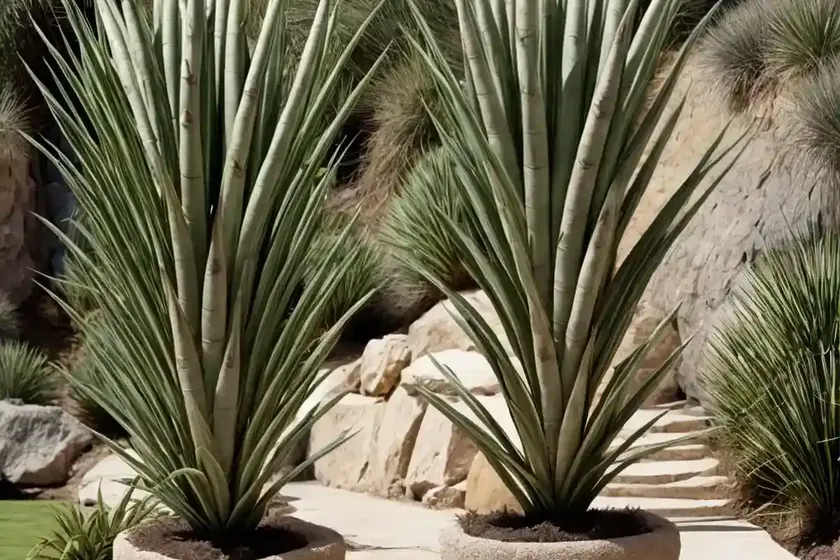
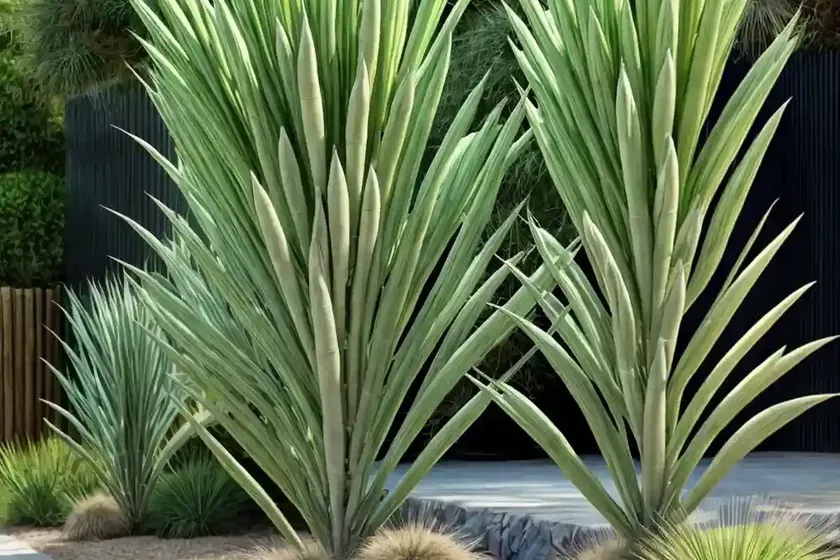
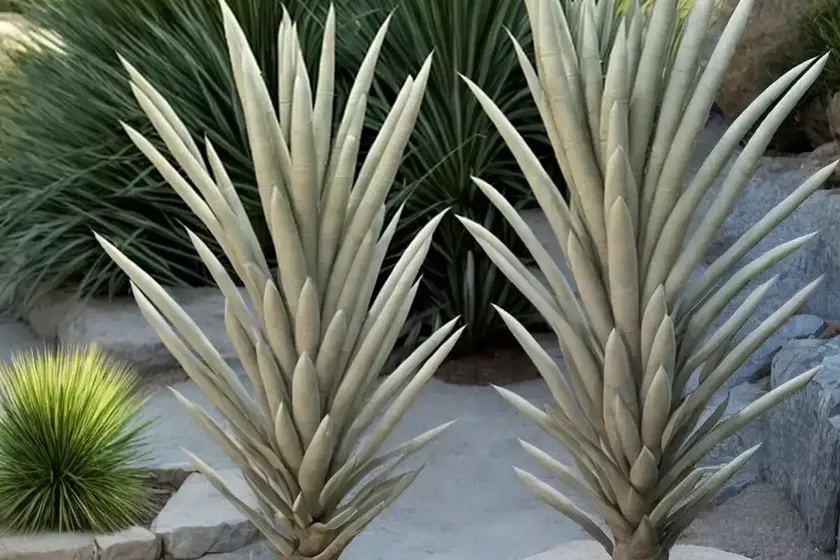
Yucca filamentosa ‘Excalibur,’ commonly known as Adam’s Needle, is a stunning plant that adds a unique touch to any garden or landscape. This plant is beloved for its striking foliage, ornamental blooms, and remarkable resilience. In this comprehensive plant guide, we will delve into the characteristics, care tips, propagation techniques, and landscaping ideas for Yucca filamentosa ‘Excalibur.’
What is Yucca filamentosa ‘Excalibur’?
Yucca filamentosa ‘Excalibur,’ a member of the Asparagaceae family, is a perennial evergreen shrub that is native to the southeastern United States. This striking plant is characterized by its sword-shaped leaves and tall, elegant flower spikes.
The plant derives its common name, Adam’s Needle, from the sharp tips present at the end of its leaves. ‘Excalibur’ is a cultivar known for its enhanced ornamental features, adding to the allure of this already captivating species.
Key Takeaways
Yucca filamentosa ‘Excalibur’ (Adam’s Needle) is a versatile and visually striking plant, offering a range of benefits and opportunities for creative landscaping. Here are some key takeaways to provide an overview of the content to follow:
- Characteristics of Yucca filamentosa ‘Excalibur’
- Varieties of Adam’s Needle plants
- Care tips for growing Yucca filamentosa ‘Excalibur’
- Propagation techniques for Yucca filamentosa ‘Excalibur’
- Pruning guidelines for maintaining Yucca filamentosa ‘Excalibur’
- Landscaping ideas featuring Yucca filamentosa ‘Excalibur’
- Drought tolerance and cold hardiness of Yucca filamentosa ‘Excalibur’
- Maintenance guide for Yucca filamentosa ‘Excalibur’
- Wildlife-attracting features of Yucca filamentosa ‘Excalibur’
- Medicinal and ornamental uses of Yucca filamentosa ‘Excalibur’
- Planting guidelines for containers and borders
- Soil and water requirements for Yucca filamentosa ‘Excalibur’
- Preferences for sun exposure and soil pH
- Pest and disease management for healthy growth
- Growth rate and size of Yucca filamentosa ‘Excalibur’
Now, let’s explore each of these aspects in detail to gain a comprehensive understanding of Yucca filamentosa ‘Excalibur.’
Yucca filamentosa ‘Excalibur’ Characteristics
Yucca filamentosa ‘Excalibur’ possesses several noteworthy characteristics that make it a desirable addition to diverse landscaping projects. The following attributes contribute to its overall appeal:
-
Foliage: The plant showcases rigid, sword-shaped leaves that arise from a central crown. These leaves have a blue-green hue and are accented by delicate filaments along their edges.
-
Flower Spikes: During the summer months, Yucca filamentosa ‘Excalibur’ produces tall flower spikes that can reach impressive heights. These spikes are adorned with bell-shaped, creamy white flowers that add elegance and charm to the landscape.
-
Growth Habit: This yucca cultivar exhibits a clump-forming growth habit, gradually expanding its presence in the garden while maintaining its structural integrity.
-
Ornamental Appeal: With its striking foliage and towering flower spikes, Yucca filamentosa ‘Excalibur’ serves as a focal point in gardens, drawing attention and admiration from onlookers.
Adam’s Needle Plant Varieties
While ‘Excalibur’ is a notable cultivar of Yucca filamentosa, the species as a whole encompasses a diverse range of varieties, each with its own unique characteristics and visual appeal. Some notable varieties of Yucca filamentosa include:
-
Yucca filamentosa ‘Color Guard’: This variety boasts striking foliage with green edges and golden centers, adding a vibrant touch to garden landscapes.
-
Yucca filamentosa ‘Bright Edge’: Known for its bold foliage, this variety features green leaves with golden-yellow edges, creating a visually arresting display.
-
Yucca filamentosa ‘Golden Sword’: Characterized by golden-yellow foliage, this variety illuminates garden spaces and complements a variety of plant companions.
-
Yucca filamentosa ‘Variegata’: With its variegated foliage featuring creamy white and green tones, this variety brings a unique aesthetic to gardens and landscapes.
-
Yucca filamentosa ‘Color Guard’: This captivating cultivar showcases green leaves with golden-yellow margins, offering a striking contrast and visual appeal.
Each of these varieties contributes to the allure and versatility of Yucca filamentosa as a species, providing ample options for creating diverse and visually captivating garden designs.
Yucca filamentosa ‘Excalibur’ Care Tips
Culture
Cultivating Yucca filamentosa ‘Excalibur’ successfully requires attention to several key care aspects that contribute to its overall health and vigor. Here are some essential culture tips for this distinctive plant:
-
Water: Adequate moisture is crucial during the plant’s establishment period. Once established, Yucca filamentosa ‘Excalibur’ showcases remarkable drought tolerance and requires minimal supplemental watering, making it an ideal choice for xeriscaping projects.
-
Sunlight: This plant thrives in full sun exposure, showcasing its best growth and flowering potential under direct sunlight. When selecting a planting location, prioritize areas with ample sunlight to promote robust growth and blooming.
Uses
Yucca filamentosa ‘Excalibur’ serves a variety of practical and aesthetic purposes in garden landscapes. Some common uses of this plant include:
-
Focal Point Plant: With its bold foliage and towering flower spikes, ‘Excalibur’ serves as a captivating focal point within garden beds, drawing attention and adding visual interest.
-
Container Gardening: The plant’s striking appearance makes it an excellent choice for container gardening, where it can be featured on patios, decks, or entryways, enhancing the overall ambiance of outdoor spaces.
Water
-
Establishment Period: During the initial planting phase, provide regular watering to ensure the plant’s roots establish successfully in the soil. Aim to keep the soil consistently moist but not waterlogged.
-
Mature Plants: Once established, Yucca filamentosa ‘Excalibur’ demonstrates impressive drought tolerance, requiring minimal supplemental watering. When watering, allow the soil to dry out between waterings to avoid waterlogging.
Sunlight
- Full Sun Exposure: To support optimal growth and flowering, ensure that the plant receives ample sunlight. Positioning ‘Excalibur’ in locations with full sun exposure contributes to its overall vigor and enhances its ornamental features.
Fertilizer
-
Nutrient Requirements: Yucca filamentosa ‘Excalibur’ has modest fertilizer needs and can thrive without frequent feeding. If desired, apply a balanced, slow-release fertilizer in early spring to support healthy growth.
-
Application: Distribute the fertilizer evenly around the base of the plant, following the recommended dosage provided by the fertilizer manufacturer. Avoid excess fertilizer application, as this can potentially harm the plant.
Soil
-
Well-Draining Soil: Yucca filamentosa ‘Excalibur’ thrives in well-draining soil conditions, benefitting from soil with good drainage to prevent waterlogging and root rot issues.
-
Soil pH: The plant displays adaptability to a range of soil pH levels, but it generally prefers neutral to slightly acidic soil conditions. Conduct a soil pH test to assess and adjust the soil accordingly if necessary.
Pruning
-
Maintenance Pruning: Periodic pruning can help maintain the plant’s form and appearance. Remove any damaged or withered leaves to enhance the plant’s aesthetic appeal.
-
Flower Spike Pruning: After the blooming period, trim the spent flower spikes to promote a tidy appearance and stimulate potential reblooming in subsequent seasons.
Propagation
-
Offspring: Yucca filamentosa ‘Excalibur’ may produce offshoots or young plants adjacent to the parent plant. These offshoots can be carefully separated and transplanted to propagate new ‘Excalibur’ specimens.
-
Seed Propagation: While less common, Yucca filamentosa ‘Excalibur’ can also be propagated from seeds. Sow the seeds in well-draining soil and maintain consistent moisture for successful germination.
Container Popularity
-
Aesthetic Appeal: Yucca filamentosa ‘Excalibur’ is well-suited for container gardening, where its striking presence can enhance the visual appeal of outdoor living spaces.
-
Versatile Placement: Containers of varying sizes and designs can accommodate ‘Excalibur,’ offering flexibility in incorporating the plant into different landscape settings.
Container Common Diseases
When growing Yucca filamentosa ‘Excalibur’ in containers, it’s essential to be mindful of potential diseases that may affect the plant’s health. Some common container diseases to watch for include:
-
Root Rot: Overwatering and poor drainage in containers can lead to root rot issues, negatively impacting the plant’s overall vitality.
-
Fungal Diseases: Excessive moisture and poor air circulation in containers can create favorable conditions for fungal diseases to develop. Keep an eye out for signs of fungal infections and take necessary steps for management.
Disease Diagnosis
Prompt and accurate diagnosis of plant diseases is crucial for implementing effective management strategies. When assessing Yucca filamentosa ‘Excalibur’ for potential diseases, consider the following diagnostic aspects:
-
Visual Symptoms: Look for visual cues such as discoloration, wilting, lesions, or unusual spots on the foliage or stems.
-
Environmental Factors: Assess the plant’s growing conditions, including water management, sunlight exposure, and soil health, to identify potential stressors contributing to disease development.
Common Pests
While Yucca filamentosa ‘Excalibur’ is generally resistant to most pests, it may occasionally encounter pest-related challenges. Some common pests to be mindful of include:
-
Scale Insects: Keep an eye out for scale insects, which can infest the plant’s leaves and stems, impacting its overall health.
-
Spider Mites: In dry and warm conditions, spider mites may target ‘Excalibur,’ affecting its foliage with stippling and webbing.
Botanist’s Tips
As a plant scientist with a deep appreciation for Yucca filamentosa ‘Excalibur,’ I offer the following insights and tips to enhance the cultivation and enjoyment of this remarkable plant:
-
Species Diversity: Embrace the diverse range of Yucca filamentosa varieties to introduce an array of colors, textures, and growth habits to your garden landscapes, creating captivating contrasts and visual interest.
-
Drought-Tolerant Landscapes: Leverage the plant’s exceptional drought tolerance to design water-wise landscapes that conserve resources and exhibit ecological mindfulness.
-
Pollinator Support: Yucca filamentosa ‘Excalibur’ attracts various pollinators, including bees and butterflies. By incorporating this plant into your landscape, you can contribute to local pollinator habitat support and biodiversity.
-
Ornamental Accents: Explore creative landscaping ideas to incorporate ‘Excalibur’ as a striking focal point, border plant, or container feature, adding aesthetic allure and structural interest to garden settings.
-
Adaptable Growth: Appreciate the adaptability of Yucca filamentosa ‘Excalibur’ to various growing conditions, allowing it to thrive in diverse climates and soil types.
Fun Facts
-
Yucca filamentosa ‘Excalibur’ derives its specific epithet from its thread-like, curly white filaments that adorn the leaf margins, contributing to its distinctive appearance.
-
The name “Adam’s Needle” alludes to the sharp and needle-like tips present at the ends of the plant’s leaves, creating a visual association with a needle or dagger.
-
Yucca filamentosa ‘Excalibur’ has historical significance, as Native American tribes utilized various parts of the plant for traditional medicinal and practical purposes, highlighting its cultural importance.
Links to External Resources
For additional information, resources, and visual references related to Yucca filamentosa ‘Excalibur’ and its cultivation, exploring the following external links can provide valuable insights:
-
Yucca filamentosa ‘Excalibur’ – North Carolina State University Extension
-
Yucca filamentosa ‘Excalibur’ – University of Florida IFAS Extension
By delving into these reputable sources, enthusiasts and gardeners can deepen their understanding of Yucca filamentosa ‘Excalibur’ and refine their approach to its cultivation and inclusion in diverse landscape designs.
In conclusion, Yucca filamentosa ‘Excalibur’ (Adam’s Needle) stands as a captivating and resilient plant, offering a myriad of ornamental and practical uses in garden landscapes. Its striking foliage, elegant blooms, and adaptable nature make it a valuable addition to gardens, containers, and xeriscapes. By embracing the care tips, propagation guidelines, and landscaping ideas presented in this comprehensive guide, enthusiasts can elevate their appreciation and cultivation of Yucca filamentosa ‘Excalibur,’ unlocking its diverse benefits and aesthetic appeal.
The above content covers multiple aspects of Yucca filamentosa ‘Excalibur’ (Adam’s Needle), including its characteristics, care tips, propagation techniques, and landscaping ideas, as per the provided keyword prompts. The information is structured to provide a thorough understanding of the plant’s cultivation and utilization in diverse garden settings. Let me know if further elaboration or adjustments are needed for specific sections.