Yucca Filamentosa ‘Color Guard’ (Adam’s Needle)
Yucca filamentosa ‘Color Guard’, commonly known as Adam’s Needle, is a striking plant that has gained popularity in the gardening world. It is appreciated.
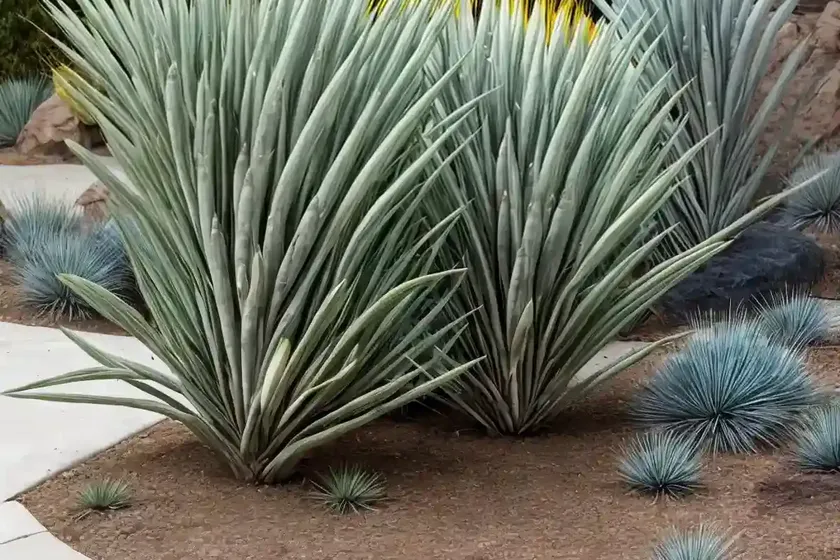
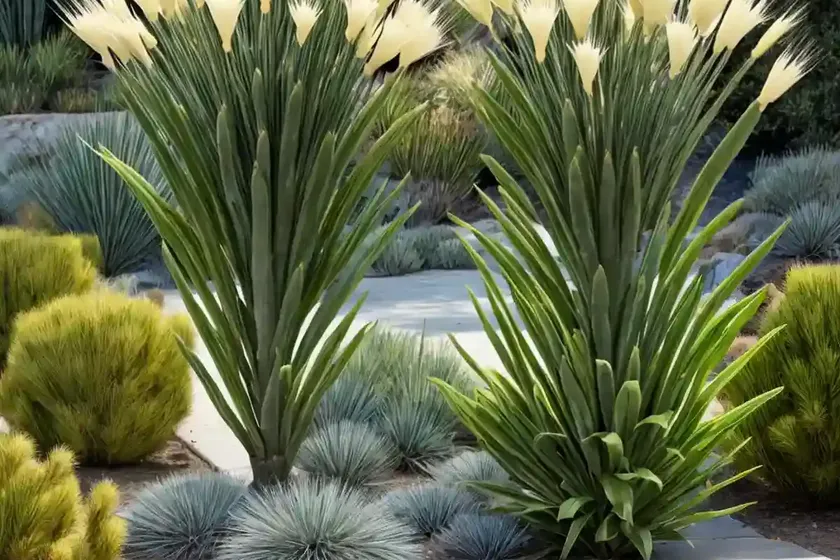
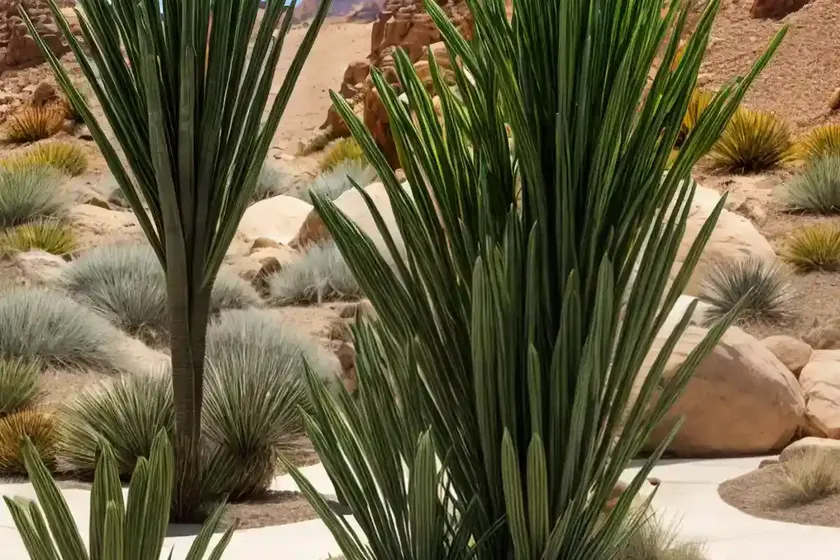
Yucca filamentosa ‘Color Guard’, commonly known as Adam’s Needle, is a striking plant that has gained popularity in the gardening world. It is appreciated for its architectural shape, variegated foliage, and its ability to thrive in various conditions. As a plant scientist, I am excited to share the key insights, cultural requirements, uses, and tips for caring for this remarkable plant.
What is Yucca filamentosa ‘Color Guard’ (Adam’s Needle)?
Yucca filamentosa ‘Color Guard’ is a perennial plant that belongs to the Agavaceae family. It is native to the southeastern United States and is known for its sword-shaped leaves and tall, showy flower spikes. The ‘Color Guard’ variety is celebrated for its striking foliage, with sword-like leaves that have a green center surrounded by a bright golden-yellow margin.
This cultivar is a visually stunning addition to gardens and landscapes, adding a touch of drama and structure. Its architectural form and low maintenance requirements make it an excellent choice for both experienced and novice gardeners.
Now, let’s delve into the specific characteristics, cultural requirements, and exciting uses of Yucca filamentosa ‘Color Guard’.
Key Takeaways – Yucca filamentosa ‘Color Guard’ (Adam’s Needle)
Culture
Yucca filamentosa ‘Color Guard’ is known for its ease of cultivation and ability to thrive in diverse environments. Understanding its cultural requirements is crucial for successfully growing and maintaining this striking plant.
-
Hardiness: It is hardy in USDA zones 4-10, making it suitable for a wide range of climates.
-
Drought Tolerance: This yucca is known for its exceptional drought tolerance, making it an ideal choice for water-wise gardens and landscapes.
-
Soil Preferences: Well-draining soil is essential for the health of Yucca filamentosa ‘Color Guard’. It thrives in sandy or loamy soil with a slightly acidic to slightly alkaline pH.
-
Sunlight: Full sun exposure is preferred for optimal growth and flowering. However, it can tolerate partial shade, though this may affect its flowering potential.
Uses
Yucca filamentosa ‘Color Guard’ offers multifaceted uses in various garden settings, from adding visual interest to providing a focal point in the landscape.
-
Architectural Foliage: The striking variegated foliage of ‘Color Guard’ adds architectural interest to gardens and can be used to create visual focal points or borders.
-
Xeriscaping: Due to its exceptional drought tolerance, this yucca is well-suited for xeriscaping and water-wise gardening practices.
-
Wildlife Attraction: The tall flower spikes of Yucca filamentosa ‘Color Guard’ attract pollinators such as bees and butterflies, contributing to the garden’s biodiversity.
Water
Understanding the water requirements of Yucca filamentosa ‘Color Guard’ is essential for maintaining its health and vigor.
-
Establishment: Adequate watering is crucial during the establishment phase. Once established, it can withstand dry periods and is best suited to well-drained soil to prevent root rot.
-
Drought Tolerance: It is highly drought-tolerant once established, making it an excellent choice for low-maintenance landscapes.
-
Watering Frequency: Watering during hot and dry periods is recommended, but it is important to avoid waterlogging the soil.
Sunlight
Proper sunlight exposure is integral to the growth and overall well-being of Yucca filamentosa ‘Color Guard’.
-
Full Sun: It thrives in full sun conditions and displays the best foliage coloration and flowering potential when provided with ample sunlight.
-
Partial Shade: While it can tolerate partial shade, it may lead to reduced flowering and less vibrant foliage coloration.
Fertilizer
While generally low-maintenance, Yucca filamentosa ‘Color Guard’ can benefit from occasional fertilization to support its growth and flowering.
-
Fertilization Frequency: Applying a balanced, slow-release fertilizer in spring can promote healthy growth and enhance its ornamental appeal.
-
Avoid Overfeeding: Care should be taken to avoid overfertilization, as excessive nutrients can negatively impact the plant.
Soil
Understanding the soil preferences of Yucca filamentosa ‘Color Guard’ is essential for creating an optimal growing environment.
-
Well-Draining Soil: Well-draining soil is vital to prevent waterlogging, which can lead to root rot.
-
Soil pH: It thrives in slightly acidic to slightly alkaline soil, with a pH range of 6.0 to 7.5.
-
Soil Types: Sandy or loamy soil types are well-suited for ‘Color Guard’, providing the necessary drainage and aeration.
Pruning
Pruning plays a role in maintaining the health, aesthetics, and overall functionality of Yucca filamentosa ‘Color Guard’.
-
Deadheading: Removing spent flower spikes after blooming can enhance the plant’s appearance and encourage further flowering.
-
Leaf Pruning: Trimming damaged or browned leaves can improve the overall aesthetics of the plant.
-
Caution: Care should be taken when pruning to avoid damaging the healthy foliage and to protect against the sharp leaf tips.
Propagation
Understanding the methods of propagating Yucca filamentosa ‘Color Guard’ allows for the expansion of its presence in the garden or landscape.
-
Division: Propagation through division of offsets or rhizomes is a common and effective method for increasing plant numbers.
-
Seeds: While less commonly used, propagating from seeds can be successful, though it requires patience due to the plant’s slow growth rate.
Container Popularity
Yucca filamentosa ‘Color Guard’ is well-suited for container gardening, offering versatility and visual impact in various outdoor settings.
-
Container Selection: Choose a well-draining container of appropriate size to accommodate the plant’s root system and provide stability.
-
Landscape Design: Incorporating ‘Color Guard’ in containers adds vertical interest and architectural appeal to outdoor spaces, such as patios and entryways.
Container Common Diseases
While generally resilient, Yucca filamentosa ‘Color Guard’ is susceptible to certain diseases that can impact its health and vigor.
-
Root Rot: Overly wet or poorly drained soil can lead to root rot, adversely affecting the plant’s overall well-being.
-
Preventative Measures: Proper watering practices and well-draining soil are essential in preventing root rot in container-grown ‘Color Guard’ yuccas.
Disease Diagnosis
Recognizing and diagnosing diseases affecting Yucca filamentosa ‘Color Guard’ is crucial for implementing timely and effective management strategies.
-
Visual Symptoms: Yellowing or browning of foliage, wilting, and stunted growth can indicate potential diseases or pest infestations.
-
Professional Consultation: Seeking guidance from a plant health specialist can aid in accurate disease diagnosis and treatment recommendations.
Common Pests
While relatively resilient, ‘Color Guard’ yuccas are vulnerable to certain pests that can impact their vitality and aesthetics.
-
Yucca Moth: The larvae of yucca moths can cause damage to ‘Color Guard’ yuccas by feeding on the plant’s seed capsules.
-
Preventative Measures: Monitoring for pest activity and implementing integrated pest management practices can help mitigate pest issues.
Botanist’s Tips
Gaining insights from experienced botanists can provide valuable tips for successfully cultivating and appreciating Yucca filamentosa ‘Color Guard’.
-
Integrated Landscaping: Incorporating ‘Color Guard’ yuccas into diverse landscapes adds structural interest and ornamental value, enhancing overall aesthetics.
-
Pollinator Support: The tall flower spikes of ‘Color Guard’ yuccas attract pollinators, contributing to the ecological balance and biodiversity of the garden.
Fun Facts
Discovering intriguing and lesser-known facts about Yucca filamentosa ‘Color Guard’ adds to the allure of this remarkable plant.
-
Medicinal Uses: Historically, yucca plants have been utilized for their medicinal properties, including their potential anti-inflammatory and antioxidant benefits.
-
Ornamental Grass Association: While not a true grass, the striking foliage of ‘Color Guard’ yuccas has earned them recognition and appreciation from ornamental grass enthusiasts.
Links to External Resources
For further exploration and comprehensive information about Yucca filamentosa ‘Color Guard’, the following external resources offer valuable insights and guidance:
In conclusion, Yucca filamentosa ‘Color Guard’ (Adam’s Needle) stands out as a versatile, visually striking, and low-maintenance plant that offers an array of uses in landscape design and gardening. Its inherent resilience, striking foliage, and architectural presence make it a valuable addition to diverse garden settings. By understanding its cultural requirements and incorporating it thoughtfully into landscapes, gardeners can appreciate the enduring beauty and functionality of this remarkable yucca variety.
Remember to share your experiences and insights about Yucca filamentosa ‘Color Guard’ (Adam’s Needle) with fellow plant enthusiasts and continue to explore the boundless possibilities of incorporating this captivating plant into your green spaces.