Yew (Taxus Baccata ‘Stove Pipe’)
Yew trees are a distinct and valuable addition to any landscape, offering timeless beauty and structural interest. Among the numerous varieties of yew, the.
Introduction
Yew trees are a distinct and valuable addition to any landscape, offering timeless beauty and structural interest. Among the numerous varieties of yew, the ‘Stove Pipe’ (Taxus baccata ‘Stove Pipe’) stands out with its unique growth habit and exceptional ornamental appeal. In this comprehensive plant care guide, we will delve into the culture, uses, and maintenance of the yew (Taxus baccata ‘Stove Pipe’) to help you successfully cultivate and enjoy this remarkable plant.
What is Yew (Taxus baccata ‘Stove Pipe’)?
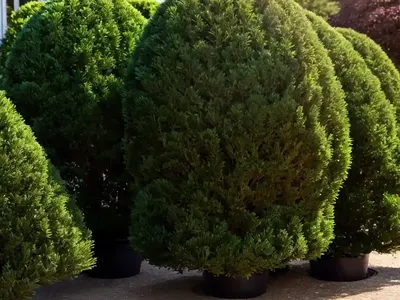
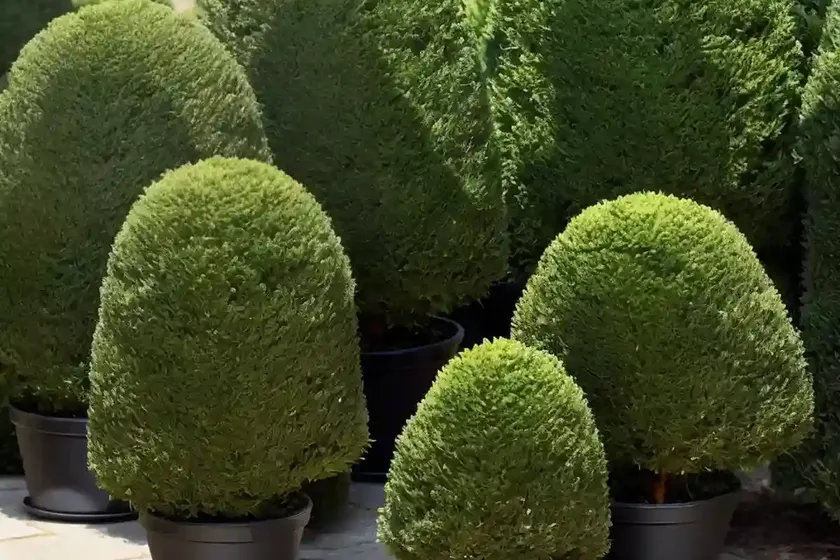
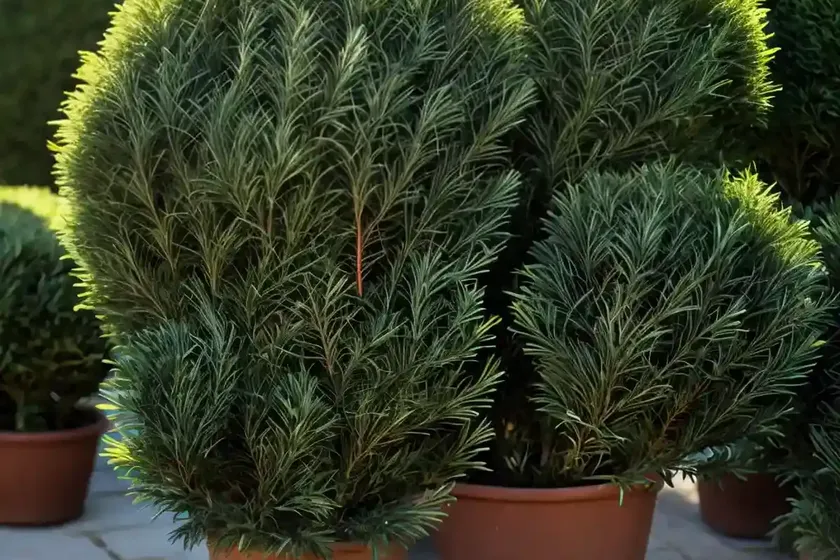
Yew, scientifically known as Taxus baccata, is an evergreen conifer that belongs to the Taxaceae family. The ‘Stove Pipe’ variety is distinguished by its columnar growth habit, making it an excellent choice for creating vertical accents within the landscape. This cultivar typically grows with a narrow, upright form, adding architectural interest to gardens, hedges, or container plantings.
Key Takeaways – Yew (Taxus baccata ‘Stove Pipe’)
- Scientific Name: Taxus baccata ‘Stove Pipe’
- Common Name: Yew ‘Stove Pipe’
- Plant Type: Evergreen Conifer
- Growth Habit: Columnar / Upright
- Ornamental Features: Dark green foliage, compact form
- Hardiness Zone: 6-7
- Mature Height: 8-10 feet
- Mature Spread: 2-3 feet
- Uses: Specimen plant, hedge, container planting, landscape accent
- Special Features: Deer resistant, versatile, low maintenance
Culture
Water
Yew (Taxus baccata ‘Stove Pipe’) thrives in moist, well-draining soil, particularly during its establishment phase. Adequate watering is crucial to help the plant develop a strong root system and maintain its overall health. Once established, yews demonstrate a degree of drought tolerance, making them suitable for a wide range of growing conditions.
Watering Guidelines:
– Establishment Phase: Water deeply once or twice a week.
– Mature Plants: Provide supplemental water during prolonged dry spells.
Sunlight
Yew ‘Stove Pipe’ prefers partial to full sun, although it can tolerate some shade. When grown in full sun, the plant tends to exhibit its best growth and density, showcasing its characteristic dark green foliage and compact form. In hot climates, providing some afternoon shade can help prevent stress and maintain the plant’s vigor.
Sunlight Requirements:
– Full Sun: 6-8 hours of direct sunlight per day.
– Partial Shade: Protection from intense afternoon sun.
Fertilizer
Applying a balanced, slow-release fertilizer in spring can support the growth and development of yew (Taxus baccata ‘Stove Pipe’). The nutrients provided by the fertilizer help promote lush foliage and overall vigor. It is important to avoid overfertilization, as excessive nutrients can have adverse effects on the plant’s health.
Fertilization Tips:
– Spring Application: Use a balanced fertilizer to support early season growth.
– Avoid Overfertilization: Follow the recommended application rates to prevent potential damage.
Soil
Yew ‘Stove Pipe’ thrives in well-draining, acidic to slightly alkaline soil. The ideal soil should be rich in organic matter and have good moisture retention capabilities. When planting in heavy clay soil, improving the drainage by amending the soil with organic matter is essential for the long-term success of the plant.
Soil Requirements:
– Drainage: Well-draining soil to prevent waterlogging.
– Acidic to Slightly Alkaline pH: Optimal pH range around 6.0-7.5.
– Organic Matter: Enrich the soil with compost or peat moss for improved fertility.
Pruning
Proper pruning is essential for maintaining the desired form and density of yew (Taxus baccata ‘Stove Pipe’). Regular pruning helps enhance the plant’s aesthetic appeal and promotes healthy growth. When executed correctly, pruning can also help manage the size and shape of the yew, making it a versatile choice for various landscaping applications.
Pruning Considerations:
– Timing: Prune yew ‘Stove Pipe’ in late winter or early spring before new growth emerges.
– Techniques: Utilize sharp, clean pruning tools to make precise cuts and avoid damaging the branches.
– Form Maintenance: Remove dead or damaged branches and shape the plant as desired.
Propagation
Yew (Taxus baccata ‘Stove Pipe’) can be propagated through various methods, including seed propagation, cuttings, and layering. Each propagation technique offers unique advantages and challenges, allowing plant enthusiasts to propagate this remarkable variety to expand their garden or landscape collections.
Propagation Methods:
– Seed Propagation: Collect and sow ripe yew seeds in a well-prepared seedbed or containers.
– Cuttings: Harvest semi-hardwood cuttings in late summer and root them under controlled conditions.
– Layering: Encourage root development on the lower branches and detach the rooted section for propagation.
Container Popularity
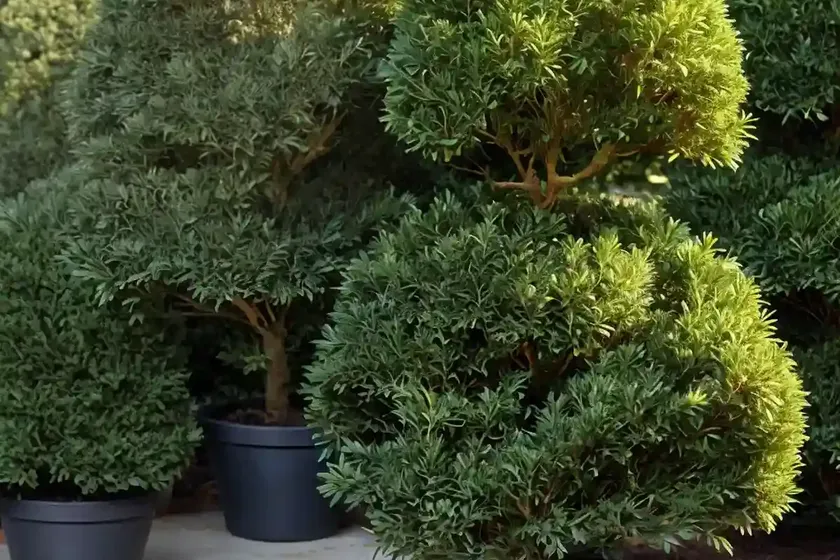
Yew ‘Stove Pipe’ is well-suited for container planting, offering a striking vertical element that can enhance the visual appeal of patios, entryways, or balconies. When grown in containers, this variety can thrive as a standalone specimen or serve as a dramatic focal point in mixed plantings.
Container Planting Tips:
– Selecting Containers: Choose large, sturdy containers with adequate drainage holes.
– Soil Considerations: Use a high-quality potting mix tailored for container plants.
– Watering Practices: Monitor the moisture levels and provide regular, consistent watering.
Common Diseases
Yew trees, including the ‘Stove Pipe’ variety, are susceptible to certain diseases that can affect their overall health and appearance. Understanding the common diseases and their symptoms is crucial for implementing timely preventive measures and treatment strategies to effectively manage potential issues.
Disease Diagnosis
The following are some of the common diseases that may affect yew (Taxus baccata ‘Stove Pipe’):
- Phytophthora Root Rot: Symptoms include wilting, browning foliage, and general decline.
- Cylindrocladium Twig Blight: Look for dieback, browning twigs, and visible fungal growth on affected areas.
- Needle Blight: Watch for browning or yellowing of the needles, often accompanied by defoliation.
Diagnosis Tips:
– Observation: Regularly inspect the foliage, branches, and overall plant health for any abnormalities.
– Consultation: Seek professional diagnosis if unusual symptoms or issues are observed.
Common Pests
While yews are generally resistant to many pests, certain insect species can pose a threat to their well-being. Vigilant monitoring and prompt intervention are essential for preventing pest infestations and minimizing potential damage to the plant.
Botanist’s Tips
As a plant scientist, I have some tips for the successful care and cultivation of yew (Taxus baccata ‘Stove Pipe’):
- Regular Monitoring: Routinely inspect the plant for changes in growth, foliage color, or signs of stress.
- Proper Pruning: Employ correct pruning techniques to maintain the desired form and remove any damaged or diseased growth.
- Plant Health Management: Implement cultural practices that promote overall plant health and vigor, such as proper watering and fertilization.
Fun Facts
- The yew (Taxus baccata) is a long-lived tree that can reach exceptional ages, with some specimens estimated to be over 2,000 years old.
- Yew wood was historically prized for its durability and flexibility, making it an ideal material for crafting longbows.
Links to External Resources
For further information and resources about yew (Taxus baccata ‘Stove Pipe’) care, propagation, and landscaping, I recommend exploring the following links:
1. Royal Horticultural Society – Yew (Taxus baccata)
2. The American Conifer Society
As a prominent member of the evergreen landscape, yew (Taxus baccata ‘Stove Pipe’) continues to captivate gardeners, horticulturists, and nature enthusiasts with its timeless elegance and remarkable resilience. By embracing the insights and recommendations shared in this comprehensive plant care guide, you can embark on an enriching journey of cultivating, admiring, and preserving the enduring beauty of the yew ‘Stove Pipe’ in your own green spaces.