Yellow Pitcherplant (Sarracenia Flava)
Plants are not just green decorations adorning our surroundings; they are complex living beings with intriguing characteristics, adaptations, and.
Plants are not just green decorations adorning our surroundings; they are complex living beings with intriguing characteristics, adaptations, and ecological roles. The world of plants is incredibly diverse, encompassing a wide array of species, each with its unique features and requirements. One such remarkable plant is the Yellow Pitcher Plant, scientifically known as Sarracenia flava. This article will deep dive into the captivating world of the Yellow Pitcher Plant, exploring its characteristics, cultivation, ecological significance, and much more.
Table of Contents
What is the Yellow Pitcher Plant (Sarracenia Flava)?
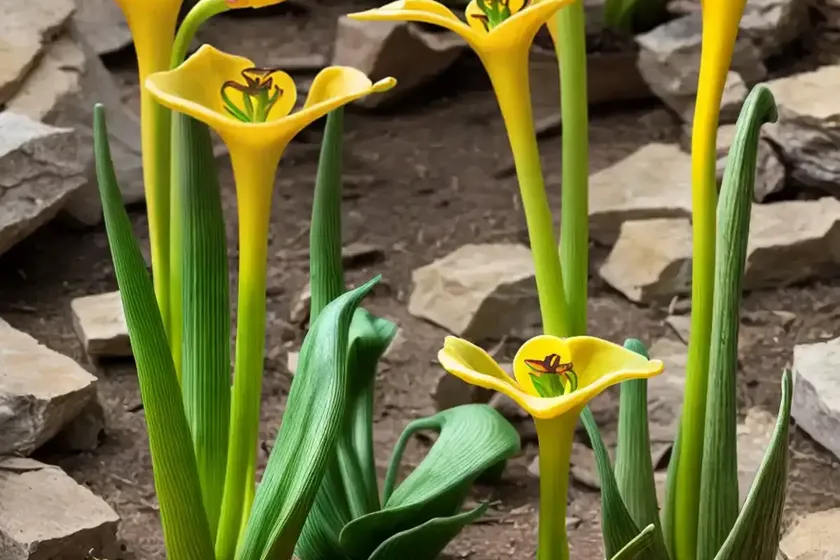
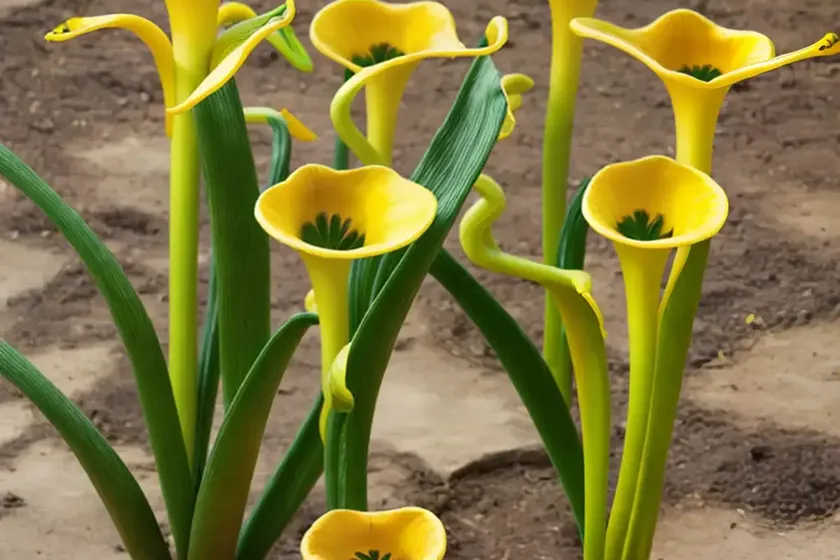
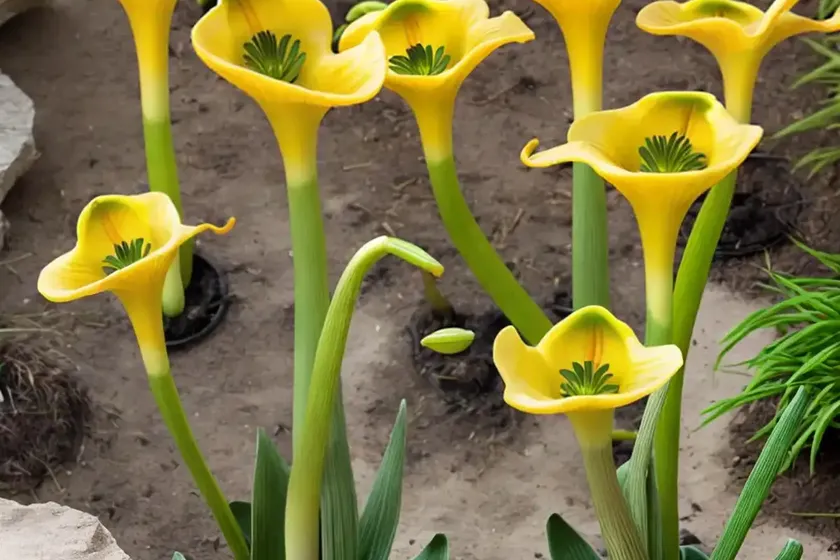
The Yellow Pitcher Plant (Sarracenia flava) is a captivating carnivorous plant native to the southeastern United States, particularly found in the states of North and South Carolina, Alabama, and Florida. This fascinating plant belongs to the Sarraceniaceae family and is renowned for its trumpet-shaped, yellow-pigmented pitcher traps that lure, capture, and digest prey.
Sarracenia Flava Plant: An Overview
The Sarracenia flava plant is characterized by its distinctive morphology, including:
- Pitcher Form: The most striking feature of the Yellow Pitcher Plant is its pitcher-shaped leaves, which are modified to act as pitfall traps for insects.
- Yellow Pigmentation: As implied by its name, the foliage of Sarracenia flava is marked by vibrant yellow hues, adding to its visual appeal in natural and cultivated settings.
This remarkable plant species has adapted to thrive in nutrient-poor, acidic soils, a habitat that would typically be challenging for other non-carnivorous plants to survive. The carnivorous nature of the Yellow Pitcher Plant is an evolutionary response to this nutrient-poor environment, enabling it to supplement its nutritional needs by capturing and digesting insects.
As we delve deeper into the characteristics, cultivation, and ecological significance of the Yellow Pitcher Plant, we will uncover its captivating traits and the essential factors to consider for its successful growth and maintenance in a botanical collection or garden setting.
Key Takeaways: Yellow Pitcher Plant (Sarracenia Flava)
Let’s explore the essential factors for successfully cultivating and appreciating the unique attributes of the Yellow Pitcher Plant, including its culture, uses, water requirements, sunlight preferences, fertilizer needs, soil considerations, pruning techniques, propagation methods, popularity as a container plant, common diseases, prevalent pests, valuable botanist’s tips, intriguing fun facts, and links to external resources for further exploration.
Culture
Cultivating the Yellow Pitcher Plant involves understanding and replicating its natural habitat conditions to support its growth and well-being. Here are the critical cultural aspects to consider:
- Humidity: This plant thrives in high humidity levels, replicating the moist environments typically found in its native habitat.
- Temperature: It prefers moderate to warm temperatures, ideally between 70°F and 85°F (21°C – 29°C) during the growing season.
- Watering: Consistent moisture is essential for the Yellow Pitcher Plant, simulating its natural boggy habitat. It is important to avoid waterlogging the soil, as excessive moisture can lead to rot.
Uses
The unique characteristics of the Yellow Pitcher Plant make it a versatile and intriguing addition to various settings, including:
- Gardens: It serves as an eye-catching feature in bog gardens or other moist garden areas, adding visual interest and serving as a natural pest control agent by capturing insects.
- Conservation Efforts: Due to its conservation status in the wild, cultivating Sarracenia flava contributes to the preservation of this fascinating species, ensuring its continued existence for future generations.
Water
As an inhabitant of boggy environments, the Yellow Pitcher Plant has specific water requirements to support its growth and vitality. Understanding its hydration needs is crucial for successful cultivation:
- Moisture Levels: The soil should be consistently moist, akin to the conditions found in its natural bog habitat, while avoiding waterlogging or allowing the soil to dry out completely.
- Water Quality: It is essential to use pure, mineral-free water, such as rainwater or distilled water, as the Yellow Pitcher Plant is sensitive to the minerals and salts present in tap water.
Sunlight
The Yellow Pitcher Plant’s sunlight preferences play a crucial role in its overall health and vigor. Understanding its requirements for light exposure is essential for successful cultivation:
- Light Intensity: It thrives in bright, indirect light, simulating the dappled light conditions found under the canopy of its native habitat.
- Sun Exposure: While it appreciates ample sunlight, it is important to protect it from harsh midday sun, which can scorch its delicate foliage.
Fertilizer
Nutritional considerations are unique for the Yellow Pitcher Plant, given its carnivorous nature and adaptation to nutrient-poor soils. Here are the key fertilizer-related aspects to keep in mind:
- Nutritional Supplementation: As a carnivorous plant, it derives essential nutrients from the insects it captures and digests, reducing the need for traditional fertilizers.
- Avoidance of Traditional Fertilizers: It is crucial to refrain from using traditional fertilizers, as they can harm the plant and disrupt its natural nutrient acquisition strategy.
Soil
The soil composition and quality significantly influence the Yellow Pitcher Plant’s growth and well-being. Here are the critical soil-related factors to consider:
- Acidic Soil: Sarracenia flava thrives in nutrient-poor, acidic soils with a pH range between 4.5 and 5.5, replicating the conditions found in its native bog habitats.
- Aeration and Drainage: Well-draining soil with adequate aeration is crucial to prevent waterlogging and maintain optimal moisture levels.
Pruning
Proper pruning practices are essential for maintaining the health and vitality of the Yellow Pitcher Plant. Here are the key aspects of pruning to consider:
- Removing Dead Pitchers: Regularly removing spent or withered pitchers not only enhances the plant’s aesthetic appeal but also prevents the buildup of decaying matter that can negatively impact its health.
- Trimming Leaf Tips: Trimming the tips of the leaves can encourage optimal pitcher development and overall plant vigor.
Propagation
Successfully propagating the Yellow Pitcher Plant allows for its expansion and the preservation of its unique genetic traits. Here are the propagation-related considerations:
- Dividing Rhizomes: Propagation through rhizome division is an effective method for creating new plants, ensuring genetic diversity, and expanding the population of Sarracenia flava in a botanical collection or garden setting.
- Seed Propagation: Growing the Yellow Pitcher Plant from seeds allows for the introduction of new genetic variations and the exploration of its fascinating life cycle.
Container Popularity
The Yellow Pitcher Plant is a favored choice for container gardening, offering a captivating and low-maintenance addition to indoor or outdoor spaces. Here are the aspects that contribute to its popularity as a container plant:
- Visual Appeal: Its unique pitcher-shaped leaves and vibrant yellow pigmentation make it an intriguing and visually appealing addition to container gardens, terrariums, or indoor plant displays.
- Natural Pest Control: As a carnivorous plant, it serves as a natural pest control agent, capturing and consuming insects, making it a functional and fascinating addition to container gardens.
Common Diseases
The Yellow Pitcher Plant is susceptible to certain diseases, and understanding common diseases and their management is critical for maintaining its health:
- Fungal Infections: Wet, humid conditions can encourage fungal diseases, such as Botrytis and powdery mildew. Proper air circulation and moisture management are crucial for preventing fungal infections.
Common Pests
While the Yellow Pitcher Plant is an adept predator, it is not immune to pest infestations. Here are the common pests to be mindful of:
- Aphids and Whiteflies: These sap-sucking insects can pose a threat to the Yellow Pitcher Plant, and early intervention is essential to prevent damage to the foliage and pitchers.
- Scale Insects: Scale infestations can impact the health and appearance of the plant, requiring prompt action for control and management.
Botanist’s Tips
From experienced botanists and plant enthusiasts, valuable insights and tips can greatly aid in the successful cultivation and appreciation of the Yellow Pitcher Plant. Here are some expert tips to consider:
- Hydration Management: Consistently maintaining proper soil moisture levels without waterlogging is key to the plant’s health, emphasizing the importance of using high-quality water sources.
- Monitoring Pest Activity: Regularly inspecting the plant for signs of pest infestations and taking prompt action is crucial for preventing damage and maintaining its vitality.
Fun Facts
The world of the Yellow Pitcher Plant is brimming with intriguing and captivating facts that highlight its remarkable traits and ecological significance. Here are some fun facts about Sarracenia flava to enrich your understanding and appreciation of this remarkable plant:
- Insect Trapping: The pitcher traps of Sarracenia flava are remarkably efficient, attracting, capturing, and digesting a diverse array of insects, contributing to its nutritional needs.
- Conservation Status: Due to habitat loss, the Yellow Pitcher Plant is classified as a species of special concern in certain areas, emphasizing the importance of its cultivation and conservation efforts.
Links to External Resources
For further exploration and in-depth understanding of the Yellow Pitcher Plant, here are some valuable external resources, including botanical gardens, expert publications, and conservation organizations focused on Sarracenia flava and carnivorous plants:
- American Carnivorous Plant Society
- Botanical Gardens with Carnivorous Plant Collections
- Conservation Efforts for Sarracenia Flava
In conclusion, the Yellow Pitcher Plant (Sarracenia flava) is an exceptional botanical specimen, offering a wealth of captivating traits, ecological contributions, and cultural significance. Its cultivation and appreciation contribute to the preservation of this unique species and serve as a source of wonder and learning for enthusiasts of all ages.
By understanding its cultural requirements, ecological adaptations, and conservation significance, we can foster a deeper connection with the natural world and recognize the invaluable contributions of plants like the Yellow Pitcher Plant to our ecosystems and collective knowledge.


