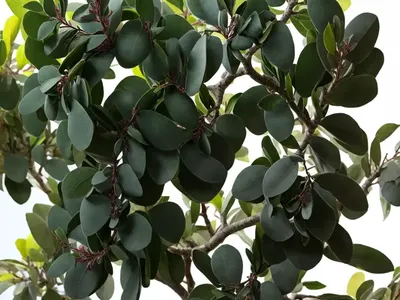
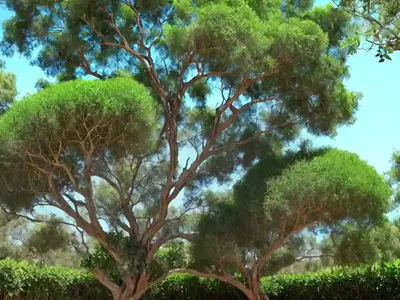
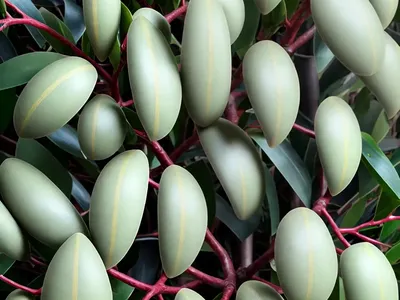
Yellow Gum (Eucalyptus Leucoxylon)
Yellow Gum, scientifically known as Eucalyptus leucoxylon, is a captivating evergreen tree species that belongs to the Myrtaceae family. This Australian.
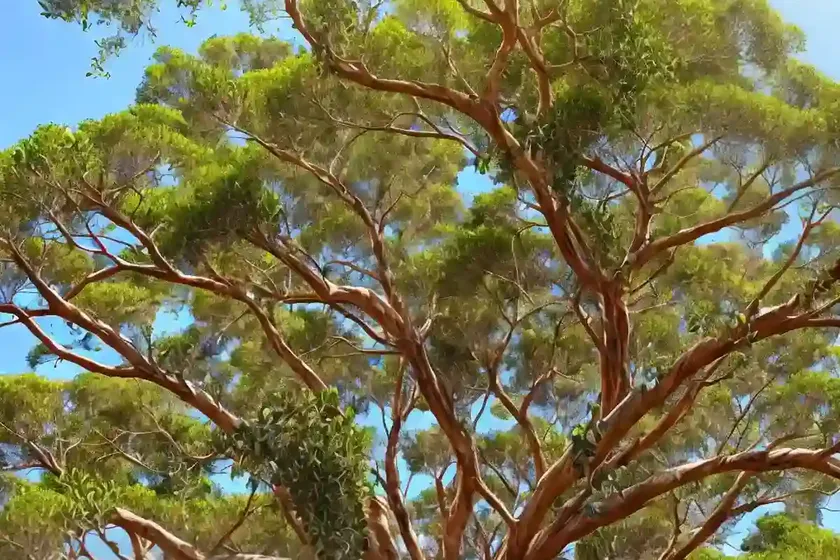


What is Yellow Gum (Eucalyptus Leucoxylon)?
Yellow Gum, scientifically known as Eucalyptus leucoxylon, is a captivating evergreen tree species that belongs to the Myrtaceae family. This Australian native is popular for its striking yellow flowers, which add a splash of color to landscapes and gardens.
Key Takeaways – Yellow Gum (Eucalyptus Leucoxylon)
Yellow Gum, also known as Eucalyptus Leucoxylon, is a remarkable Australian native tree species that has garnered attention due to its:
- Yellow Flowering: The vibrant yellow blooms are a distinctive feature of the Eucalyptus Leucoxylon, making it highly sought after for ornamental purposes.
- Evergreen Nature: Unlike deciduous trees, Yellow Gum retains its green foliage throughout the year, adding to its aesthetic appeal.
- Australian Flora: As a native Australian plant, Yellow Gum plays a crucial role in the country’s ecosystem, supporting local wildlife and environmental balance.
- Eucalyptus Family: Belonging to the Eucalyptus genus, this tree shares characteristics with other members of the Eucalyptus family, including its iconic gum tree species.
- Hardwood Qualities: While prized for its visual beauty, Yellow Gum also offers valuable hardwood, contributing to its economic significance within Australia.
Now, let’s delve into the specific cultural, horticultural, and botanical nuances of Yellow Gum, exploring its uses, ideal growing conditions, care requirements, and more.
Culture
Yellow Gum, like many eucalyptus species, is deeply embedded in Australian culture. From its presence in indigenous flora to its incorporation in urban landscapes, this tree has woven itself into the fabric of the country. Its cultural significance reflects the deep appreciation for indigenous plants and the unique biodiversity of Australia.
Uses
The uses of Yellow Gum extend beyond its aesthetic charm. Some of its key uses include:
- Ornamental Purposes: Yellow Gum’s vibrant yellow flowers make it a sought-after tree for ornamental and landscaping purposes, contributing to the visual appeal of gardens and public spaces.
- Wildlife Habitat: Its presence provides valuable habitat and food sources for various native fauna, contributing to the overall biodiversity of its ecosystem.
- Wood Production: Due to its hardwood qualities, Yellow Gum is utilized in timber production and crafting, finding applications in furniture, flooring, and construction.
Water
Yellow Gum demonstrates adaptability to a range of moisture conditions. It can thrive in well-drained soils and can tolerate both dry spells and occasional flooding, showcasing its versatility in different water regimes. However, it’s essential to establish a balanced watering routine during its early establishment phase to promote healthy root development.
Sunlight
As a sun-loving species, Yellow Gum thrives in full sunlight. It flourishes in open, sunny locations, where it can receive ample direct sunlight throughout the day. Adequate sunlight is crucial for its optimal growth and flowering, ensuring that it can showcase its signature yellow blooms.
Fertilizer
While Yellow Gum is relatively low-maintenance, providing a balanced fertilizer during its growing season can support its vigor and blooming capacity. A slow-release fertilizer with a balanced NPK ratio can be applied in spring to provide essential nutrients without promoting excessive vegetative growth.
Soil
The ideal soil for Yellow Gum is moderately fertile, well-drained, and slightly acidic to neutral in pH. Sandy loam or loamy soils offer a suitable growing medium, allowing for proper root development and nutrient uptake. Prioritizing soil quality and structure can significantly impact the tree’s overall health and vitality.
Pruning
Regular pruning is beneficial for promoting a healthy and well-structured Yellow Gum tree. It allows for the removal of dead or diseased branches, shaping the tree’s form, and maintaining its overall health. Pruning should be conducted during the dormant season to minimize stress on the tree and facilitate optimal regrowth.
Propagation
Yellow Gum can be propagated through seeds or cuttings. Seeds can be collected from mature capsules, and proper germination techniques can be employed to establish new seedlings. Additionally, stem cuttings can be utilized for vegetative propagation, offering an alternative method for expanding the tree population.
Container Popularity
Due to its ornamental value and manageable size, Yellow Gum is also popularly cultivated in containers. This allows for its integration into diverse urban settings, balconies, and patio gardens, enabling individuals to appreciate its beauty in confined spaces.
Container Common Diseases
When grown in containers, Yellow Gum may be susceptible to certain diseases and pests. Common issues that container-grown Yellow Gum trees may face include:
- Root Rot: Improper watering practices or poorly draining soil can lead to root rot in containerized Yellow Gum trees.
- Powdery Mildew: Outdoor container plants are susceptible to powdery mildew, particularly in humid or poorly ventilated environments.
- Aphid Infestations: Aphids can target containerized trees, causing damage to the foliage and potentially impacting the tree’s overall health.
Maintaining proper container hygiene, ensuring adequate drainage, and monitoring for signs of disease are essential for mitigating these risks.
Disease Diagnosis
Diagnosing and addressing diseases in Yellow Gum trees involves close observation of foliage, stems, and overall tree health. Signs of discoloration, wilting, abnormal growth, or presence of pests can indicate underlying issues. Timely identification and intervention are critical for preventing disease spread and preserving the tree’s vitality.
Common Pests
Yellow Gum trees can encounter various pests, including:
- Lerp Psyllid: These sap-sucking insects can affect the leaves of Eucalyptus trees, leading to discoloration and reduced photosynthetic capacity.
- Gum Tree Weevil: Weevil infestations can cause damage to new growth and leaves, impacting the tree’s overall vigor.
Implementing integrated pest management strategies, such as natural predators and targeted treatments, can help manage pest populations without causing harm to the tree or surrounding environment.
Botanist’s Tips
As a plant scientist with a passion for Australian flora, I offer the following tips for cultivating and appreciating Yellow Gum (Eucalyptus Leucoxylon):
- Soil Preparation: Prior to planting, ensure the soil is well-drained, nutrient-rich, and conducive to root development to set the stage for optimal tree growth.
- Watering: While Yellow Gum exhibits some tolerance to drought, maintaining consistent watering, especially during its establishment phase, is essential for robust growth and flowering.
- Pruning Practice: Regular pruning not only supports the tree’s structure but also allows for the removal of dead wood and encourages new growth and blooms.
- Pest Monitoring: Vigilant observation and timely intervention are essential for managing pest pressures and preserving the tree’s health.
- Appreciation of Indigenous Flora: Embrace the cultural and ecological significance of Yellow Gum, recognizing its role as a representative of Australian botanical diversity and heritage.
Fun Facts
- Yellow Gum (Eucalyptus Leucoxylon) is a significant component of the native Australian vegetation, contributing to the country’s distinct flora and fauna.
- The striking yellow blooms of Yellow Gum not only attract human admirers but also serve as a vital food source for native bird species.
- The hardwood produced by Yellow Gum holds economic importance, contributing to Australia’s timber industry and supporting various woodworking applications.
Links to External Resources
For more detailed information on Yellow Gum (Eucalyptus Leucoxylon), refer to the following external resources:
- Australian Native Plants Society (Australia)
- Flora of Australia Online
- RHS Gardening: Eucalyptus Leucoxylon
- CSIRO: Eucalyptus Leucoxylon Species Profile
In conclusion, Yellow Gum (Eucalyptus Leucoxylon) stands as a distinctive symbol of Australia’s natural beauty, offering both aesthetic allure and ecological significance. By understanding its cultural value, optimal cultivation practices, and role within the broader ecosystem, we can foster a deeper appreciation for this remarkable Australian native tree.
By delving into the distinct features, cultural significance, and horticultural aspects of Yellow Gum (Eucalyptus Leucoxylon), I hope to provide valuable insights for plant enthusiasts, horticulturists, and nature lovers alike.
Let the vibrant yellow blossoms of Yellow Gum inspire a deeper connection to Australia’s rich botanical heritage!