Eucalyptus Rubida (Candlebark)
Eucalyptus rubida, commonly known as Candlebark, is a species of eucalyptus tree native to Australia. Its unique bark, striking appearance, and a variety.
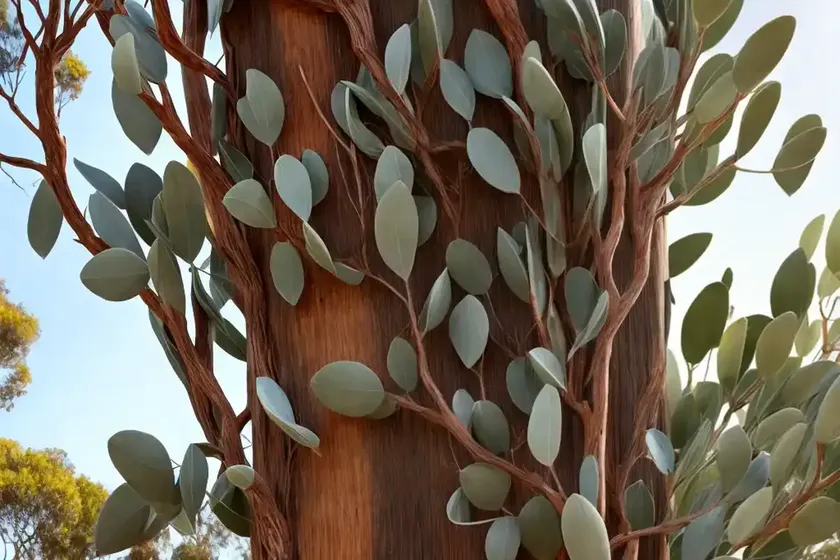
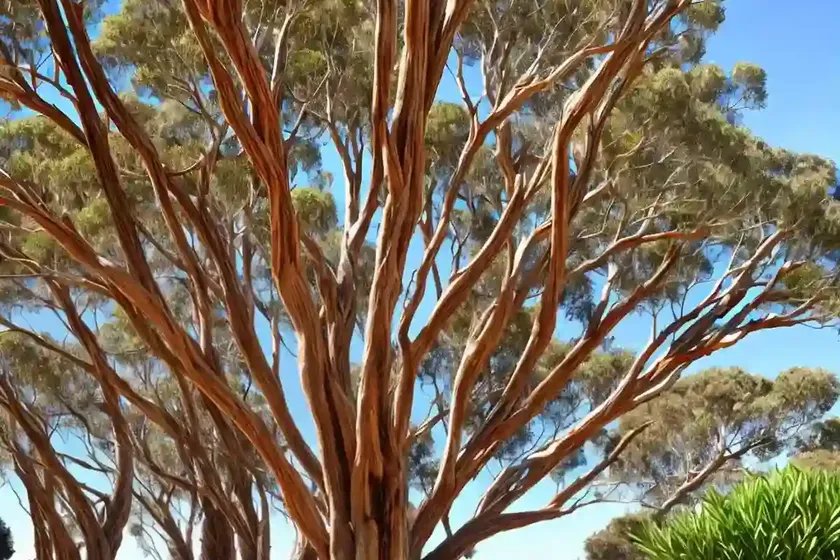
Eucalyptus rubida, commonly known as Candlebark, is a species of eucalyptus tree native to Australia. Its unique bark, striking appearance, and a variety of uses make it a popular choice for landscape and commercial plantings. In this extensive guide, we will delve into the various aspects of this fascinating plant, from its cultural significance and uses to its habitat, growth habits, and care tips. Whether you are an avid gardener, a nature enthusiast, or a botany student, this article will provide you with the insights you need to understand and cultivate the Eucalyptus rubida effectively.
What is Eucalyptus rubida (Candlebark)?
Eucalyptus rubida, referred to as Candlebark due to its distinctive smooth, powdery, and often colorful bark, is a species of eucalyptus tree belonging to the Myrtaceae family. This iconic Australian native plant is renowned for its ornamental value and commercial uses. The species is particularly significant in the ecosystem and holds cultural importance in the Australian landscape.
Taxonomy and Nomenclature
Scientific Classification:
– Kingdom: Plantae
– Clade: Angiosperms
– Clade: Eudicots
– Clade: Rosids
– Order: Myrtales
– Family: Myrtaceae
– Genus: Eucalyptus
Binomial Name: Eucalyptus rubida
Key Features
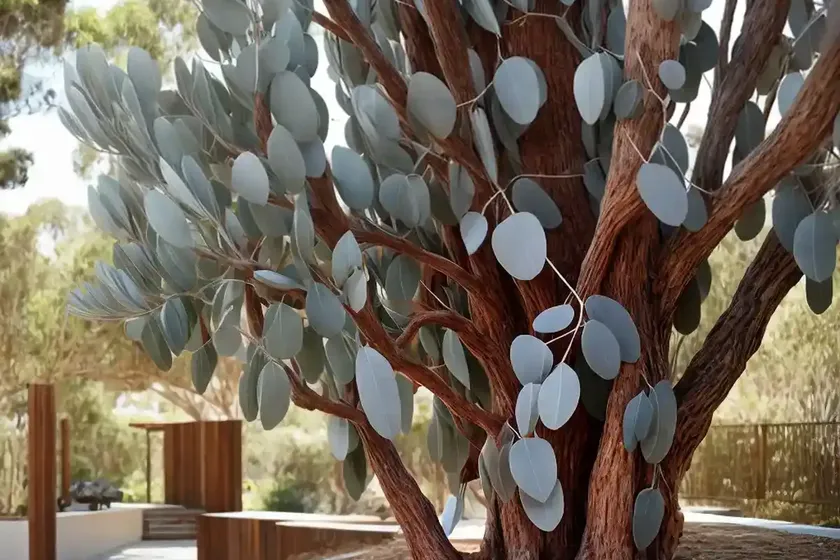
- Bark: The most distinguishing feature of Eucalyptus rubida is its smooth, powdery bark that sheds in ribbons, often varying in color from white to grey, with hints of pink, orange, or copper.
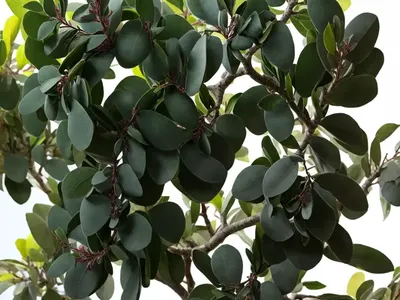
- Leaves: The leaves are lance-shaped, glossy green, and emit a strong aroma when crushed.
- Flowers: The tree produces clusters of small, white, or creamy flowers.
- Fruit: The fruit, commonly known as gum nuts, are bell-shaped and contain numerous tiny seeds.
Key Takeaways – Eucalyptus rubida (Candlebark)
Before delving into the specifics of cultivating Eucalyptus rubida, let’s highlight some key takeaways about this remarkable plant.
- Cultural significance: Eucalyptus rubida has deep cultural and ecological significance in Australia, being an integral part of the native flora and playing a crucial role in the ecosystem’s balance and dynamics.
- Distinctive bark: The uniquely textured and colorful bark of the Candlebark tree makes it a sought-after species for ornamental and landscaping purposes.
- Medicinal properties: Several parts of the Eucalyptus rubida have been traditionally used for their medicinal properties, and the species continues to be of interest in traditional and modern medicine.
- Adaptation and resilience: Eucalyptus rubida exhibits remarkable adaptations to diverse climatic conditions and environmental stressors, making it a resilient and hardy plant species.
With these key points in mind, we will now explore the various facets of Eucalyptus rubida, encompassing its cultural uses, habitat, growth requirements, care tips, and much more.
Culture
Cultural and Ecological Significance
Eucalyptus rubida, as with many eucalyptus species, holds profound cultural significance in Australia, deeply woven into the country’s heritage, landscape, and identity. The tree is celebrated for its beauty, resilience, and contributions to ecology and human well-being.
Aboriginal and Australian Folklore
- Dreamtime Stories: In Aboriginal culture, various eucalyptus species, including Eucalyptus rubida, are often featured in Dreamtime stories and mythology, symbolizing ancestral wisdom, healing, and natural abundance.
- Historical Symbolism: Historically, eucalyptus trees have been symbols of strength, endurance, and renewal, mirroring the Australian spirit and the ability to withstand and regenerate in the face of challenges.
Ecological Importance
Eucalyptus trees, including Eucalyptus rubida, play vital ecological roles in the Australian landscape.
- Habitat and Biodiversity: Eucalyptus-dominated ecosystems harbor diverse species of flora and fauna, supporting intricate food webs and ecological interactions.
- Fire Ecology: Eucalyptus species are well-adapted to fire-prone environments, with some exhibiting post-fire resprouting and seed germination strategies that contribute to ecosystem recovery.
Uses
Eucalyptus rubida is valued for a myriad of uses, ranging from practical applications to cultural and ecological contributions.
Commercial and Industrial Uses
- Timber Production: The timber of Eucalyptus rubida is utilized for various applications such as construction, furniture making, and crafting.
- Pulp and Paper: The species is a source of high-quality pulp for paper and cellulose-based products.
Medicinal and Aromatic Properties
- Essential Oils: The leaves and bark of Eucalyptus rubida are a source of essential oils containing compounds with antiseptic, decongestant, and insect-repellent properties.
Landscaping and Ornamental Plantings
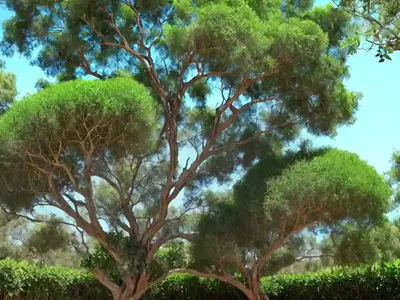
- Gardens and Parks: Eucalyptus rubida is a popular choice for landscaping in parks, gardens, and urban green spaces, admired for its striking bark and graceful form.
- Avenue Plantings: The tree is often employed in avenue plantings and street landscaping, contributing to the aesthetic appeal and biodiversity of urban environments.
With an understanding of the cultural significance and practical uses of Eucalyptus rubida, let’s explore the essential requirements for its successful cultivation, encompassing water, sunlight, fertilizer, soil, and pruning techniques.
Plant Care
Water
Eucalyptus rubida, like many eucalyptus species, shows a preference for well-drained soils and moderate water availability.
- Established Trees: Mature Eucalyptus rubida trees generally exhibit good drought tolerance once established, requiring infrequent deep watering in the absence of significant rainfall or moisture stress.
- Young Trees: Newly planted or younger trees benefit from regular watering to encourage establishment and root development. It is essential to avoid waterlogging and maintain soil aeration for healthy root growth.
Sunlight
- Full Sun Exposure: Eucalyptus rubida thrives in full sunlight and is well-suited for locations with ample direct sunlight, promoting vigorous growth and optimal development of its distinct bark and foliage.
Fertilizer
- Nutrient Requirements: Eucalyptus rubida generally demonstrates modest fertilizer needs, particularly in nutrient-poor soils, with a preference for low-phosphorus formulations to discourage excessive phosphorus accumulation in the soil.
- Application Method: When necessary, slow-release fertilizers can be applied around the drip line of the tree, followed by thorough watering to facilitate nutrient uptake.
Soil
- Soil Type: The species prefers well-drained, sandy or loamy soils, but showcases adaptability to a range of soil textures and pH levels, provided there is adequate drainage.
- Soil Amendment: Incorporating organic matter into the soil during planting or as a top dressing aids in moisture retention and nutrient availability.
Pruning
- Routine Maintenance: Pruning requirements for Eucalyptus rubida are generally minimal, focusing on the removal of dead or damaged branches, particularly after storms or severe weather events.
- Coppicing: In some instances, selective coppicing or pollarding may be employed to manage the tree’s size and encourage multi-stem growth for ornamental or industrial purposes.
With an understanding of the plant care essentials, we can now turn our attention to the propagation techniques, container cultivation, and the popularity of Eucalyptus rubida in horticulture.
Propagation
Seed Propagation
- Collection and Preparation: Eucalyptus rubida seeds are collected from mature gum nuts, followed by scarification or hot water treatment to promote germination.
- Sowing and Germination: The seeds are sown in well-drained, sterile media and kept consistently moist to facilitate germination, which may take several weeks to months.
Vegetative Propagation
- Cutting Propagation: Semi-hardwood cuttings taken in the growing season, treated with rooting hormone, and placed under controlled humidity and temperature conditions can lead to successful propagation.
Container Cultivation
Eucalyptus rubida can be successfully grown in containers under the right conditions, making it a versatile choice for small gardens, patios, and urban landscapes.
Container Size and Specifications
- Root Development: Selecting a container with sufficient depth and adequate drainage promotes healthy root development and reduces the risk of waterlogged soil.
Soil and Watering
- Potting Mix: Well-draining potting mixes with aeration and moisture-retention qualities are ideal for container-grown Eucalyptus rubida.
- Water Management: Container-grown trees often require more frequent watering than their counterparts in the ground, necessitating vigilance to prevent soil dryness.
Popularity
Eucalyptus rubida, with its striking appearance and versatile uses, has garnered significant popularity in horticulture and various commercial sectors.
Ornamental Appeal
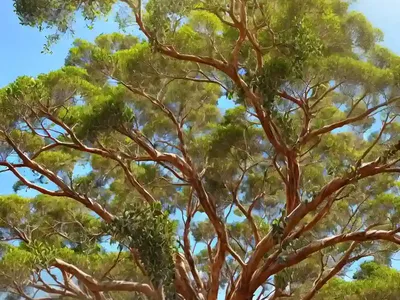
- Landscape Focal Points: Candlebark trees are prominent elements in both natural and designed landscapes, admired for their tall, elegant form, colorful bark, and year-round interest.
- Street Plantings: Selected for their adaptability to urban environments and pollution tolerance, Eucalyptus rubida trees are recurrent choices for street plantings and urban forestry initiatives.
Commercial Utilization
- Timber Industry: The high-quality timber of Eucalyptus rubida contributes to the forestry and wood products industry, supplying materials for construction, furniture, and specialty wood items.
Common Diseases
Eucalyptus rubida, while being relatively resilient, can be susceptible to several diseases that can impact its vigor and appearance if left untreated.
Disease Diagnosis
- Leaf Spot Diseases: Fungal pathogens such as Mycosphaerella and Teratosphaeria may cause leaf spot diseases, manifesting as unsightly spots and lesions on the foliage.
- Canker and Dieback: Phytophthora and other soil-borne pathogens may lead to canker and dieback symptoms, resulting in wilting, dieback of branches, and overall decline in tree health.
Disease Management
- Cultural Practices: Promoting good air circulation, maintaining proper spacing between trees, and promptly removing and disposing of infected plant material can help manage many fungal diseases.
- Fungicidal Treatments: In severe cases, application of appropriate fungicides may be warranted to suppress the spread of fungal pathogens and protect the tree’s vitality.
Common Pests
Various pests can pose challenges to the health of Eucalyptus rubida, necessitating vigilant monitoring and, if needed, intervention to mitigate their impact.
Pest Identification
- Psyllids: Commonly encountered in Eucalyptus plantings, psyllid species can cause deformations in new growth and excrete honeydew, leading to sooty mold development.
- Eucalyptus Weevils: The larvae of weevils may tunnel into the stems and trunks, potentially causing structural damage and weakening the tree.
Pest Control
- Biological Controls: Predatory insects and parasitoids can assist in managing pest populations, contributing to natural pest control within the ecosystem.
- Insecticidal Treatment: In cases of severe infestations, targeted applications of insecticides may be considered, following integrated pest management principles.
Now that we have covered the potential challenges of diseases and pests, let’s delve into botanist’s tips for successfully cultivating and maintaining Eucalyptus rubida.
Botanist’s Tips
- Site Selection: When choosing a location for planting, consider the mature size of Eucalyptus rubida, its sunlight requirements, and its compatibility with the surrounding vegetation and infrastructure.
- Mulching Practices: Application of organic mulch around the base of the tree helps conserve soil moisture, regulate soil temperature, and discourage weed growth.
- Observation and Monitoring: Regular inspection of the tree for signs of disease, pest activity, and overall vigor is instrumental in early detection and management of potential issues.
With these botanist’s tips in mind, we can now explore some intriguing and lesser-known facts about Eucalyptus rubida, shedding light on its ecological interactions, wildlife value, and folklore.
Fun Facts
Ecological Relations
- Wildlife Support: Eucalyptus rubida, like many eucalyptus species, provides essential food and habitat resources for numerous native animal species, including insects, birds, and mammals.
- Honey Production: Bees forage on the tree’s nectar, contributing to the production of distinctive and flavorful eucalyptus honey varieties.
Folklore and Symbolism
- Indigenous Traditions: Eucalyptus rubida has been historically used in traditional ceremonies and cultural practices in certain Indigenous Australian communities, symbolizing healing and protection.
The blend of practical care guidelines, ecological insights, and fun facts showcases the multi-faceted nature of Eucalyptus rubida, compelling enthusiasts and professionals alike to appreciate and engage with this remarkable species. To delve deeper into specific aspects of Eucalyptus rubida, let’s explore some external resources encompassing detailed information on its growth habits, uses, folklore, and much more.
Links to External Resources
Research Articles and Botanical Databases
Horticultural and Landscaping Guides
- Royal Horticultural Society – Growing Eucalyptus
- Australian Native Plant Society – Eucalyptus in Garden Landscapes
Ecological and Conservation Resources
- Australian Government Department of Agriculture, Water and the Environment – Native Vegetation Fact sheets
- Bush Heritage Australia – Eucalyptus Habitats and Conservation Efforts
Traditional and Cultural Perspectives
These external resources offer a wealth of information, guiding readers to further explore the diverse dimensions of Eucalyptus rubida, from its ecological role to its cultural significance and horticultural applications.
In conclusion, Eucalyptus rubida (Candlebark) stands as a captivating representative of Australia’s natural heritage, captivating individuals with its unique attributes, ecological importance, and rich cultural connections. Whether in the wild landscapes of its native habitat or the carefully curated gardens of horticultural enthusiasts, the Candlebark tree continues to inspire fascination and appreciation, inviting us to embrace its diverse contributions to ecology, industry, and human well-being.
By understanding the essentials of its care, recognizing its ecological nuances, and celebrating its heritage, we can foster a deeper connection with Eucalyptus rubida, furthering our appreciation for the splendid tapestry of life that this iconic species helps weave in the Australian landscape and beyond.
So, whether you are considering adding a touch of Australian flora to your garden, exploring the ecological interactions of native Australian trees, or seeking insights into the cultural significance of Eucalyptus species, Eucalyptus rubida (Candlebark) emerges as an emblem of resilience, creativity, and enduring natural beauty worth cherishing and safeguarding.
Plant Name: “Eucalyptus rubida (Candlebark)”
In the comprehensive guide above, we have delved into various aspects of Eucalyptus rubida, encompassing its cultural significance, uses, habitat, care requirements, and much more. This extensive resource empowers gardening enthusiasts, botany aficionados, and nature lovers to gain a deeper understanding of the captivating Eucalyptus rubida and its multitude of roles within the Australian landscape and global horticulture.
With its distinctive bark, intricate ecological associations, and practical benefits, Eucalyptus rubida exemplifies the enduring allure and significance of native Australian trees, beckoning us to embrace the diversity, resilience, and splendor woven into our natural world.
As we reflect on the fascinating journey through the realm of Eucalyptus rubida, may this guide inspire continued curiosity, appreciation, and stewardship for the captivating flora that enriches our lives and landscapes.
References
- Australian National Botanic Gardens. “Eucalyptus rubida.” https://www.anbg.gov.au/cpbr/cd-keys/Euclid/sample/html/sample190394.htm
- CSIRO. “Eucalyptus rubida Fact Sheet.” https://www.publish.csiro.au/rh/Eucalyptus-rubida
- Royal Horticultural Society. “Growing Eucalyptus.” https://www.rhs.org.uk/advice/profile?PID=325
- Australian Native Plant Society. “Eucalyptus in Garden Landscapes.” https://www.anpsa.org.au/e-rub.html
- Australian Government Department of Agriculture, Water and the Environment. “Native Vegetation Fact sheets.” https://www.environment.gov.au/resource/native-vegetation-fact-sheets
- Bush Heritage Australia. “Eucalyptus Habitats and Conservation Efforts.” https://www.bushheritage.org.au/species/eucalyptus
- National Museum Australia. “Indigenous Plants and Their Uses.” https://www.nma.gov.au/exhibitions/old-masters/guide-healing-plants/plants/eucalyptus-rubida
- University of York. “Ethnobotany and Australian Indigenous Knowledge.” https://www.york.ac.uk/res/plants/