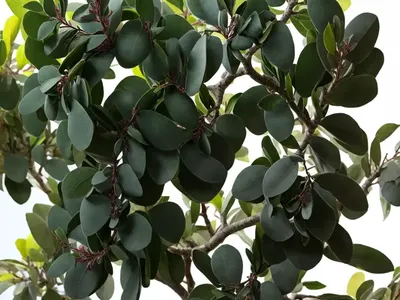
Indonesian Gum (Eucalyptus Deglupta)
As a plant scientist and enthusiast, I am always fascinated by the diverse array of plant species that grace our planet. One such remarkable plant is the.
As a plant scientist and enthusiast, I am always fascinated by the diverse array of plant species that grace our planet. One such remarkable plant is the Indonesian Gum (Eucalyptus Deglupta), also known as the Rainbow Eucalyptus. This vibrant and fast-growing tree is not only visually stunning but also holds significant cultural, ecological, and economic importance. In this comprehensive guide, we will delve into the captivating world of Indonesian Gum, exploring its cultural significance, uses, cultivation, and ecological impact.
What is Indonesian Gum (Eucalyptus Deglupta)?
Indonesian Gum, scientifically known as Eucalyptus Deglupta, is a strikingly colorful tree native to the tropical regions of Indonesia, the Philippines, New Guinea, and Timor. It is a member of the Myrtaceae family, which encompasses a wide variety of flowering plants, including many Eucalyptus species. What distinguishes the Indonesian Gum from other Eucalyptus trees is its exceptional display of vibrant hues on its bark. As the bark peels away, it reveals a stunning palette of colors, ranging from bright green to orange, maroon, and blue, creating a breathtaking spectacle unique to this species.
Indonesian Gum, or Rainbow Eucalyptus, is often sought after for its ornamental value, as well as for its diverse practical uses. Beyond its aesthetic allure, this species supports rich biodiversity, contributes to ecosystem health, and offers valuable wood and other products.
Key Takeaways – Indonesian Gum (Eucalyptus Deglupta)
Before we embark on our journey to explore the world of Indonesian Gum, let’s highlight some key takeaways about this remarkable tree:
- Known as Eucalyptus Deglupta, the Indonesian Gum is celebrated for its stunning multicolored bark, earning it the moniker of Rainbow Eucalyptus.
- Culture, uses, and ecological significance of Indonesian Gum make it a highly valued tree in tropical regions, particularly in Indonesia and neighboring countries.
- The fast-growing nature and attractive appearance of Indonesian Gum have contributed to its popularity as an ornamental and landscape tree in various parts of the world.
- Sustainable cultivation and conservation efforts are essential for ensuring the continued existence of Indonesian Gum and its ecological contributions.
Now, let’s delve deeper into the various aspects of Indonesian Gum, from its cultural significance to its practical uses and care requirements.
Culture
Cultural Significance
In the regions where Indonesian Gum thrives, it holds deep cultural significance. Indigenous communities and local residents often hold the tree in high regard, recognizing its ecological contributions, as well as utilizing its resources for traditional practices. The diverse cultural significance of Indonesian Gum includes:
- Symbolism: Indonesian Gum is revered as a symbol of resilience and vitality due to its ability to thrive in diverse environmental conditions, including tropical rainforests.
- Traditional Uses: Various parts of the tree, including the bark and leaves, have been incorporated into traditional medicine and rituals by indigenous communities for generations.
- Artistic Inspiration: The vibrant hues of the Rainbow Eucalyptus bark have inspired artists, poets, and artisans, featuring prominently in local art and crafts.
Conservation Efforts
Given its cultural importance and ecological value, concerted efforts have been made to conserve and protect Indonesian Gum and its natural habitat. Conservation organizations, government bodies, and local communities have worked together to safeguard the species and its associated ecosystems, aiming to ensure its perpetuation for future generations.
Uses
Ornamental and Landscape Value
The most striking feature of Indonesian Gum, its multicolored bark, lends itself to being an exquisite ornamental specimen. In tropical and subtropical regions, it is often planted for its visual appeal, enhancing parks, gardens, and public spaces with its vibrant display. The striking coloration of the bark, combined with its tall and elegant stature, makes it an attractive option for landscape design, providing a captivating focal point.
Timber and Commercial Applications
Beyond its ornamental value, Indonesian Gum possesses practical utility, particularly in the realm of timber production. The wood of Eucalyptus Deglupta is valued for its strength, durability, and versatility. It has been utilized in various applications, including:
- Construction: The timber from Indonesian Gum is employed in construction, crafting durable timber products such as beams, posts, and flooring.
- Paper Production: The fibrous nature of the wood makes it suitable for paper and pulp production, contributing to the global paper industry.
- Utility Poles: The strength and resistance of the wood make it suitable for utility poles, providing essential infrastructure support.
Medicinal and Aromatic Uses
Traditional medicine systems in regions where Indonesian Gum grows have incorporated the tree’s leaves and bark into remedies for various ailments. The essential oils extracted from the leaves are believed to possess medicinal properties, and aromatic compounds derived from the tree are utilized in perfumery and aromatherapy.
Planting and Care
Cultivating Indonesian Gum requires an understanding of its specific growth requirements and care needs. Whether planted for ornamental, commercial, or ecological purposes, providing optimal conditions is essential for the tree’s well-being and longevity.
Water
Indonesian Gum is well-adapted to tropical climates with high rainfall, thriving in moist to wet conditions. Adequate irrigation, particularly during its initial establishment, is crucial for promoting healthy growth. However, it is essential to avoid waterlogged conditions, as excessive moisture can lead to root rot and other related issues.
| Watering Guidelines for Indonesian Gum |
|---|
| Watering Requirements: Regular watering is essential during the tree’s establishment phase. Once established, it can tolerate periodic dry spells, but consistent moisture is ideal for optimal growth. |
| Moisture Levels: Ensure a consistently moist soil environment, avoiding prolonged periods of drought stress. Mulching can help retain soil moisture. |
| Avoid Waterlogging: While Indonesian Gum thrives in moist environments, it is crucial to prevent waterlogging, which can lead to root damage. Well-draining soil is essential to mitigate waterlogging risks. |
Sunlight
As a tropical tree species, Indonesian Gum exhibits a preference for full to partial sunlight. It thrives in bright, direct sunlight, benefiting from at least 6-8 hours of sunshine daily. In regions with intense heat, providing partial shade during the hottest part of the day can help protect the tree from excessive heat stress.
| Sunlight Requirements for Indonesian Gum |
|---|
| Sun Exposure: Plant Indonesian Gum in a location with ample sunlight, ensuring it receives direct sun for a significant portion of the day. |
| Partial Shade: In extremely hot climates, providing partial shade during the peak sunlight hours can help prevent sunscald and heat stress. |
| Sunlight Orientation: Consider the orientation of the planting site to maximize sunlight exposure while minimizing potential wind damage. |
Fertilizer
Proper fertilization is essential for promoting healthy growth and vigor in Indonesian Gum. While the tree can adapt to various soil types, providing essential nutrients through a balanced fertilizer regimen further supports its development.
| Fertilization Guidelines for Indonesian Gum |
|---|
| Fertilizer Type: Utilize a balanced, slow-release fertilizer formulated for trees and shrubs to provide essential macro and micronutrients. |
| Application Timing: Apply fertilizer in early spring as new growth commences, ensuring even distribution around the tree’s drip line. |
| Avoid Excess Nitrogen: While Indonesian Gum benefits from some nitrogen, excessive nitrogen can lead to rapid growth and weak wood, making the tree more susceptible to damage. |
Soil
Indonesian Gum exhibits adaptability to a range of soil types, including loamy, sandy, and clay soils. However, it thrives in well-draining, fertile soils with good moisture retention properties. Amending excessively compacted or nutrient-deficient soils can enhance the tree’s overall health and growth.
| Soil Considerations for Indonesian Gum |
|---|
| Drainage: Well-draining soil is crucial to prevent waterlogging and root rot. Amending heavy clay soils with organic matter improves drainage. |
| Soil pH: Indonesian Gum thrives in slightly acidic to neutral soil conditions, with a pH range of 5.5 to 7.5. Soil testing can help determine the need for pH adjustments. |
| Organic Matter: Incorporating organic compost or mulch can enhance soil fertility and structure, promoting robust root development and overall tree health. |
Pruning
Pruning plays a significant role in shaping the growth habit of Indonesian Gum and promoting structural integrity. Regular pruning helps manage the tree’s size, prevent overcrowding, and remove damaged or diseased branches.
| Pruning Practices for Indonesian Gum |
|---|
| Pruning Frequency: Perform annual pruning during the dormant season to shape the tree, remove deadwood, and maintain a balanced canopy structure. |
| Disease Management: Promptly remove any diseased or damaged branches to prevent the spread of pathogens and maintain the tree’s health. |
| Aesthetic Considerations: Prune to enhance the tree’s natural form while promoting good branch spacing and overall aesthetics. |
Propagation
Indonesian Gum can be propagated through several methods, including seeds, cuttings, and air layering. Each propagation technique offers distinct advantages and is suited to different situations and preferences.
Seed Propagation
Seed Collection: Collect seeds from mature Indonesian Gum trees, ensuring they are viable and healthy. Look for mature seed capsules that have begun to split open.
Seed Preparation: Clean the seeds and soak them in water for 24 hours to enhance germination.
Nursery Planting: Plant the seeds in a well-draining nursery mix, covering them with a thin layer of soil.
Germination: Provide consistent moisture and warmth to facilitate germination, with seeds typically sprouting within 2-3 weeks.
Cutting Propagation
Cutting Preparation: Take semi-hardwood cuttings from healthy, disease-free branches, typically 6-8 inches in length.
Rooting Hormone: Dip the cut ends of the stems in a rooting hormone to promote root development.
Nursery Planting: Plant the cuttings in a well-draining propagation medium, ensuring high humidity levels to support root establishment.
Root Development: Roots generally develop within 6-8 weeks, after which the rooted cuttings can be transplanted to larger containers or outdoor sites.
Air Layering
Stem Selection: Identify a healthy, semi-hardwood stem and make a shallow incision, removing a small section of bark.
Rooting Medium: Apply a rooting hormone to the exposed area, then wrap it in a moist, well-draining medium such as sphagnum moss.
Root Formation: As roots develop within the moist medium, they can be carefully severed from the parent plant and potted as independent specimens.
Container Popularity
Indonesian Gum’s striking appearance and manageable size make it an appealing candidate for container cultivation. Growing the Rainbow Eucalyptus in containers allows individuals with limited outdoor space to enjoy the tree’s beauty, fragrance, and ecological contributions.
Container Considerations for Indonesian Gum
- Choose a large container with adequate drainage holes to accommodate the tree’s root system and prevent waterlogging.
- Utilize a well-draining potting mix formulated for woody plants, ensuring optimal aeration and moisture retention.
- Monitor the tree’s water and nutrient needs, as container-grown plants may require more frequent irrigation and fertilization.
Common Diseases
Like all plant species, Indonesian Gum is susceptible to certain diseases and health issues. Being aware of common diseases and their management is essential for maintaining the tree’s vitality and preventing widespread issues.
Disease Diagnosis
Anthracnose: Characterized by dark, sunken lesions on leaves and stems, anthracnose can lead to defoliation and reduced vigor. Fungicidal treatments and cultural practices can help manage the disease.
Root Rot: Excessive moisture and poor drainage can contribute to root rot, leading to wilting, yellowing foliage, and overall decline. Improving soil drainage and avoiding overwatering are crucial for preventing root rot.
Powdery Mildew: A white, powdery fungal growth on leaves and shoots is indicative of powdery mildew infection. Pruning affected areas and applying fungicidal treatments can help alleviate the issue.
Bacterial Canker: Sunken, discolored lesions on branches and trunks are signs of bacterial canker, which requires diligent pruning and sterilization to prevent further spread.
| Disease Management for Indonesian Gum |
|---|
| Cultural Practices: Maintain good air circulation, proper irrigation, and sanitation to reduce disease pressure. |
| Fungicidal Treatments: When necessary, utilize appropriate fungicides following manufacturer recommendations to manage fungal pathogens. |
| Pruning and Removal: Promptly remove and dispose of infected plant material to prevent the spread of diseases within the tree. |
Common Pests
While Indonesian Gum is resilient, it can be vulnerable to certain pests that may affect its health and vitality. Understanding and identifying common pests is crucial for implementing targeted pest management strategies.
Pests Identification
Gall Wasp: Small, spherical galls on the leaves and twigs indicate the presence of gall wasps, which can detrimentally impact the tree’s vigor. Pruning and insecticidal treatments can help control infestations.
Eucalyptus Longhorn Borer: The larvae of this beetle tunnel into the tree’s wood, potentially causing structural damage and weakening the tree. Monitoring for early signs of infestation and implementing targeted control measures is crucial.
Psyllids: These sap-feeding insects can cause distorted growth and reduce the tree’s aesthetic appeal. Natural predators and targeted insecticidal treatments can help manage psyllid populations.
| Pest Management for Indonesian Gum |
|---|
| Monitoring: Regularly inspect the tree for signs of pest activity, including unusual galls, holes, or visible insects. |
| Cultural Practices: Promote biodiversity and beneficial predator populations to naturally regulate pest levels. |
| Targeted Treatments: When pest thresholds are exceeded, consider selective insecticidal measures to address specific pest issues without harming beneficial organisms. |
Botanist’s Tips
As a plant scientist deeply familiar with the unique characteristics and requirements of Indonesian Gum, I offer the following expert tips for cultivating and appreciating this remarkable tropical species.
Expert Pointers
- Appreciate the Bark Transformation: Take time to observe and appreciate the gradual transformation of the tree’s bark, which undergoes a mesmerizing array of colors as it matures.
- Provide Room for Growth: Recognize the tree’s potential for substantial height and spread, ensuring adequate space when planting Indonesian Gum in outdoor settings.
- Prune with Purpose: Regular, strategic pruning not only shapes the tree but also promotes air circulation, reducing disease incidence and maintaining overall tree health.
- Sustainably Harvest Wood: If utilizing Indonesian Gum wood, prioritize sustainable harvesting and processing practices to minimize ecological impact and maintain forest health.
Fun Facts
- Attracted by the unique and vibrant bark of Indonesian Gum, numerous photographers and nature enthusiasts seek out these trees for visually stunning images that capture the essence of the tropical landscape.
- The rapid growth rate of Indonesian Gum, coupled with its ornamental appeal, has led to its introduction in various locations worldwide, including parts of the United States, where it is cultivated as an exotic specimen tree.
Links to External Resources
For more in-depth information and resources on Indonesian Gum, the following links can provide valuable insights and practical guidance:
- World Agroforestry Centre – Eucalyptus Deglupta
- Eucalyptus Deglupta – Rainforest Trees
- International Union of Forest Research Organizations – Tropical Rainbow Eucalyptus
In conclusion, Indonesian Gum (Eucalyptus Deglupta) stands as a captivating emblem of tropical splendor, boasting vibrant beauty, diverse uses, and ecological significance. Whether admired for its aesthetic allure, utilized for its practical applications, or conserved for its ecological contributions, the Rainbow Eucalyptus remains a beloved and culturally esteemed tree in tropical regions and beyond. Through mindful cultivation and sustainable management, we can continue to cherish and benefit from the colorful gem of the tropics, Indonesian Gum.