Eucalyptus Coccifera (Tasmanian Snow Gum)
Eucalyptus coccifera, commonly known as Tasmanian Snow Gum, is a captivating species and a native Australian plant. This cold-hardy eucalyptus has unique.



Eucalyptus coccifera, commonly known as Tasmanian Snow Gum, is a captivating species and a native Australian plant. This cold-hardy eucalyptus has unique characteristics and diverse uses, making it a valuable addition to gardens and landscapes. In this comprehensive guide, we will explore the cultivation, care, cultural significance, and conservation aspects of the Tasmanian Snow Gum.
What is Eucalyptus Coccifera (Tasmanian Snow Gum)?
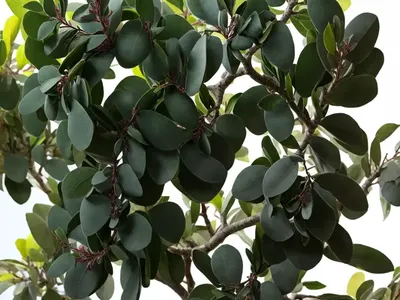
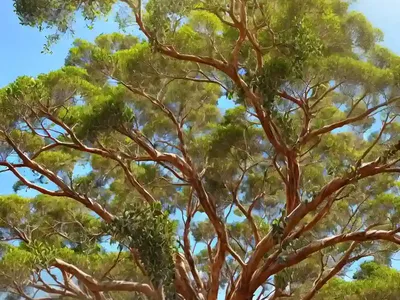
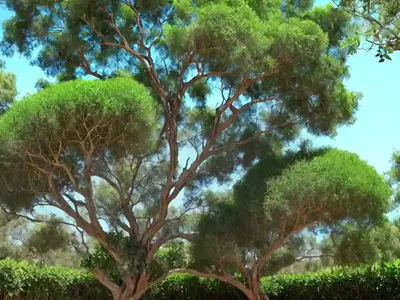
Eucalyptus coccifera, belonging to the family Myrtaceae, is a small tree or large shrub species that is native to the alpine regions of Tasmania. The term “coccifera” comes from the Latin word “coccifer” which means “berry-bearing,” possibly in reference to the fruits or capsules of the tree. The Tasmanian Snow Gum is recognized for its smooth, white to yellowish bark, contrasting silvery-green leaves, and remarkable adaptability to cold climates.
This species is named “Snow Gum” due to the sight of its striking white bark, which often appears as though it has been dusted with snow, particularly during the winter months. Tasmanian Snow Gum is well-adapted to harsh mountainous environments, and its presence in the landscape is often associated with natural beauty and resilience.
Key Takeaways – Eucalyptus Coccifera (Tasmanian Snow Gum)
Before delving into the details of how to cultivate and care for the Tasmanian Snow Gum, let’s highlight some key takeaways about this fascinating eucalyptus species:
- Eucalyptus Coccifera:
- Scientific Name: Eucalyptus coccifera
- Common Name: Tasmanian Snow Gum
- Family: Myrtaceae
- Native to: Alpine regions of Tasmania, Australia
-
Habitat: Cold, mountainous areas
-
Snow Gum Characteristics:
- Smooth, striking white to yellowish bark
- Silvery-green, lance-shaped leaves
- Unique adaptability to cold climates
-
Small tree or large shrub growth habit
-
Cultural Significance:
- Associated with natural beauty and resilience in mountainous landscapes
- Used traditionally by Indigenous Australians for various purposes
-
Valued for its ecological role in alpine ecosystems
-
Conservation Status:
- Conservation efforts to protect the species in its native habitat
- Planting in gardens and landscapes contributes to its conservation
With these key takeaways in mind, let’s explore the aspects of cultivating and caring for Eucalyptus coccifera, its cultural significance, and conservation efforts in more detail.
Culture
Uses
Eucalyptus coccifera, the Tasmanian Snow Gum, holds diverse uses, ranging from traditional medicinal applications to its ornamental value in gardens and landscaping. Understanding its uses provides insight into the significance of this species.
- Traditional Uses:
- Historically used by Indigenous Australians for medicinal purposes, including treating colds and fevers
-
Used in traditional smoking ceremonies
-
Ornamental Uses:
- Valued for its striking appearance and adaptability in gardens and landscapes
-
Often used in landscaping to create a visually appealing contrast
-
Ecological Importance:
- Provides habitat and food for native wildlife in alpine regions
- Contributes to the biodiversity and stability of alpine ecosystems
The multifaceted uses of Eucalyptus coccifera highlight its cultural, ecological, and aesthetic significance.
Water
Watering Needs
To support the healthy growth of Eucalyptus coccifera, it is essential to provide the appropriate levels of water, considering its natural habitat and growth patterns.
- Established Trees:
- Once established, Tasmanian Snow Gums are somewhat drought-tolerant
-
Regular watering during periods of extended dryness, particularly in the growing season, can aid in maintaining vigor and overall health
-
Young Trees:
- Young trees may require more frequent watering to promote establishment and vigorous growth
- Avoid waterlogged soil, as this can be detrimental to the root system
Understanding the water requirements of Eucalyptus coccifera is crucial for ensuring its long-term health and vitality.
Sunlight
Sun Requirements
In its natural habitat, Eucalyptus coccifera typically thrives in conditions with access to abundant sunlight. Understanding its sunlight requirements is essential for successful cultivation and growth.
- Full Sun Exposure:
- Thrives in full sun, requiring at least 6 to 8 hours of direct sunlight daily
-
Provides optimal conditions for the tree to develop its characteristic features, such as its distinctive bark and foliage
-
Partial Shade:
- While tolerant of some shade, reduced sunlight may impact the development of its unique visual traits and overall growth
Providing adequate sunlight is essential for the healthy development and visual appeal of the Tasmanian Snow Gum.
Fertilizer
Nutrient Needs
Fertilization can play a crucial role in supporting the growth and vitality of Eucalyptus coccifera, particularly in garden and landscape settings.
- Balanced Fertilizer:
- Apply a balanced, slow-release fertilizer designed for woody plants in early spring
-
Avoid excessive nitrogen, as this can lead to rapid, weak growth
-
Minimal Fertilization:
- Tasmanian Snow Gums can generally thrive in nutrient-poor soils, requiring minimal supplementation
- Assess the soil and tree health before applying fertilizers, as excessive nutrients can harm the tree
Understanding the appropriate approach to fertilization can help maintain the health and vigor of Eucalyptus coccifera in cultivated environments.
Soil
Soil Preferences
The soil composition plays a crucial role in the overall health and growth of Eucalyptus coccifera, given its preference for specific soil conditions.
- Well-Drained Soil:
- Thrives in well-drained, slightly acidic to neutral soils
-
Avoid waterlogged or compacted soils, as this can lead to root issues and poor growth
-
Sandy Loam:
- Well-draining sandy loam soils are particularly well-suited for Tasmanian Snow Gums
- Provides a balance of drainage and moisture retention
Understanding the soil preferences of Eucalyptus coccifera is fundamental for promoting its successful establishment and growth.
Pruning
Pruning Guidelines
Pruning plays a role in shaping the growth and appearance of Eucalyptus coccifera, contributing to its overall health and aesthetics.
- Regular Maintenance Pruning:
- Remove any dead, damaged, or diseased branches to maintain tree health
-
Prune to achieve a desired shape and remove crossing or congested branches
-
Minimal Pruning Requirements:
- Tasmanian Snow Gums generally require minimal pruning, particularly when grown in naturalistic settings
- Prune as needed to maintain the tree’s health and structural integrity
Understanding the principles of pruning can help enhance the form and health of Eucalyptus coccifera in cultivated landscapes.
Propagation
Propagation Methods
The propagation of Eucalyptus coccifera allows for the expansion of its presence in gardens and landscapes, contributing to its conservation and ornamental value.
- Seed Propagation:
- Propagate from seeds collected from mature capsules
-
Sow seeds in well-draining potting mix and maintain consistent moisture
-
Cutting Propagation:
- Hardwood cuttings can be propagated under controlled conditions
- Use rooting hormone and provide bottom heat to stimulate rooting
Propagation methods provide opportunities to expand the cultivation and conservation of Eucalyptus coccifera in various settings.
Container Popularity
Container Culture
While Eucalyptus coccifera is most commonly planted in open landscapes, its suitability for container culture offers an opportunity to appreciate the species at a closer scale.
- Container Requirements:
- Select large, sturdy containers to accommodate the growth habit of the tree
-
Ensure excellent drainage to prevent waterlogging of the roots
-
Cultural Considerations:
- Regular monitoring of moisture levels and potential root congestion is essential in container culture
- Provide adequate sunlight and occasional fertilization for container-grown Snow Gums
Cultivating Eucalyptus coccifera in containers can provide an alternative means of enjoying this species in gardens and smaller landscapes.
Common Diseases
Disease Diagnosis
Various diseases can affect Eucalyptus coccifera, and understanding the symptoms and management of these ailments is crucial for maintaining tree health.
- Leaf Diseases:
- Watch for signs of leaf spot diseases, which may present as discolored, spotted, or malformed leaves
-
Provide proper ventilation and avoid overhead watering to reduce the risk of fungal infections
-
Stem and Bark Diseases:
- Monitor for cankers or lesions on stems and trunks, which can indicate disease or injury
-
Prune and sterilize tools to manage afflicted areas and prevent further spread
-
Root Issues:
- Signs of root rot, such as wilting foliage and declining vigor, may indicate root-related issues
- Improve soil drainage and avoid overwatering to mitigate potential root diseases
Understanding the symptoms and preventive measures for common diseases can help maintain the health and vitality of Eucalyptus coccifera.
Common Pests
Pest Management
Pests can impact the growth and aesthetics of Eucalyptus coccifera, and proactive pest management is essential for maintaining the tree’s health.
- Insect Pests:
- Watch for signs of scale insects, which may appear as small, raised bumps on stems and leaves
-
Use horticultural oil or insecticidal soap as a targeted treatment for scale infestations
-
Vertebrate Pests:
- Protect against browsing by deer or other wildlife, particularly in landscapes with high wildlife activity
-
Consider physical barriers or repellents to deter browsing
-
Disease Vectors:
- Some pests, such as aphids, can vector diseases that may impact Eucalyptus coccifera
- Monitor for signs of pest activity and implement appropriate management strategies
Proactive pest management can help safeguard Eucalyptus coccifera from potential damage caused by insect and vertebrate pests.
Botanist’s Tips
Successful Cultivation Tips
Based on the unique characteristics and growth requirements of Eucalyptus coccifera, the following tips can help ensure successful cultivation and care of Tasmanian Snow Gums:
- Climate Considerations:
- Select planting sites that mimic the cool, mountainous environments preferred by the species
-
Provide protection from strong, drying winds, particularly when young
-
Soil Preparation:
- Enhance soil drainage by incorporating organic matter and avoiding compacted soils
-
Consider mulching to conserve soil moisture and regulate temperature
-
Consistent Monitoring:
- Regularly monitor for signs of stress, disease, or pest activity, particularly during the establishment phase
- Adjust watering and care practices based on seasonal changes and tree health
By considering these tips, gardeners and enthusiasts can promote the healthy growth and vigor of Eucalyptus coccifera in various settings.
Fun Facts
Fascinating Insights
Exploring a few intriguing facts about Eucalyptus coccifera can offer further appreciation for the species and its unique attributes:
- Snowy Appearance:
- The smooth, white to yellowish bark of the Snow Gum provides a striking visual contrast, particularly against its silvery-green leaves
-
The distinctive appearance of the bark is an evolutionary adaptation to harsh alpine environments
-
Ecological Role:
- Tasmanian Snow Gums contribute to the ecological stability of alpine regions, providing habitat and food for native wildlife
-
The species’ resilience in cold climates underscores its ecological significance
-
Cultural Significance:
- Eucalyptus coccifera holds cultural significance in Indigenous Australian traditions, with historical uses in traditional medicine and ceremonies
- Planting and conservation efforts contribute to the preservation of the species’ cultural value
Links to External Resources
For more information about Eucalyptus coccifera (Tasmanian Snow Gum), its cultivation, and cultural significance, consider exploring the following external resources:
- Royal Botanic Gardens Victoria – Eucalyptus coccifera
- Australian Native Plants Society (Australia) – Growing Eucalyptus coccifera
- Australian National Botanic Gardens – Eucalyptus coccifera Conservation
- Atlas of Living Australia – Tasmanian Snow Gum
- PlantNET – FloraOnline: Eucalyptus coccifera
In Summary
Eucalyptus coccifera, the Tasmanian Snow Gum, offers a captivating blend of visual appeal, ecological significance, and cultural value. From its unique appearance to its traditional uses and conservation efforts, this cold-hardy eucalyptus species continues to inspire and enhance natural landscapes and cultivated settings alike. By understanding its cultivation, care, and broader significance, enthusiasts and conservationists can contribute to the preservation and appreciation of Eucalyptus coccifera in diverse contexts.