Blue Gume Tree (Eucalyptus Globulus)
Plants play a vital role in our ecosystem, providing both aesthetic beauty and environmental benefits. One such remarkable plant is the Blue Gum Tree.
Introduction
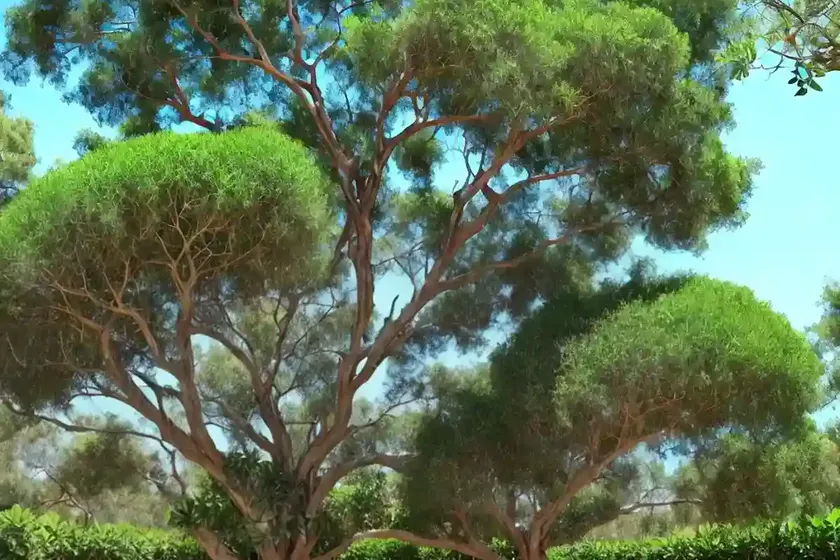
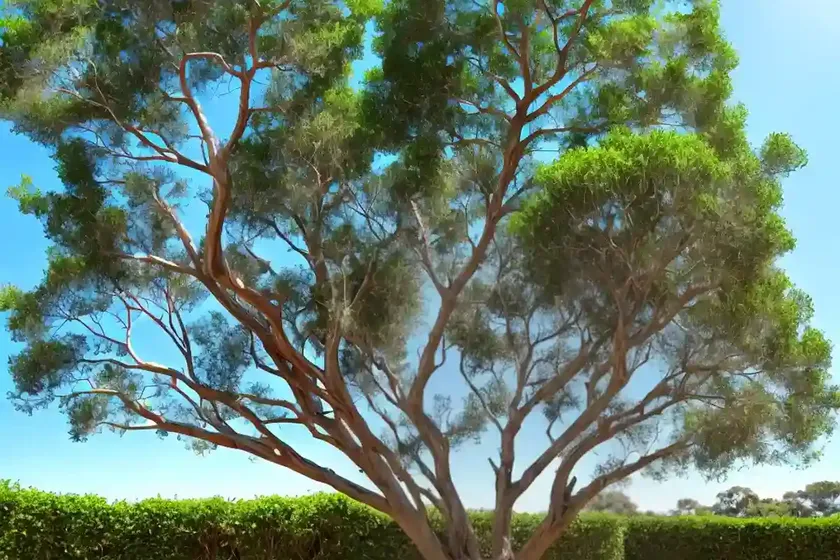
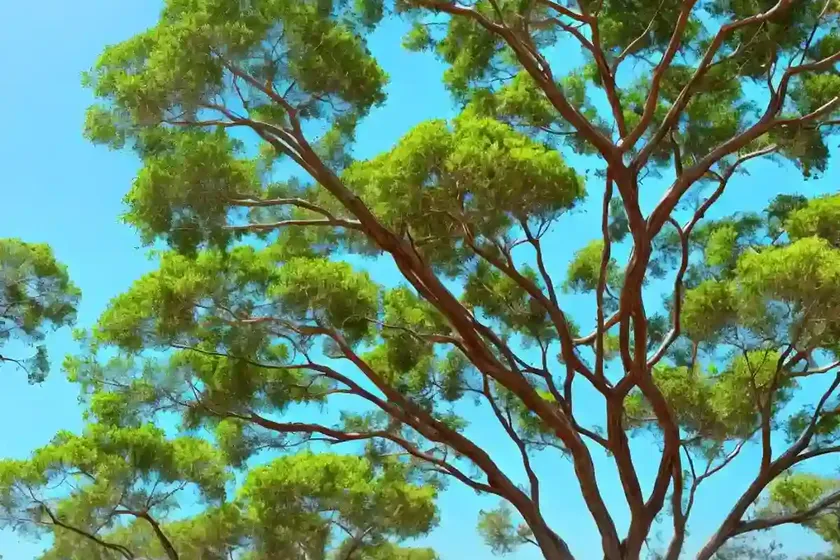
Plants play a vital role in our ecosystem, providing both aesthetic beauty and environmental benefits. One such remarkable plant is the Blue Gum Tree (Eucalyptus Globulus). Eucalyptus Globulus, commonly known as the Blue Gum Tree, is a species of tall, evergreen tree native to Australia but now popular in many parts of the world. The Blue Gum Tree is famous for its various uses, including industrial, medicinal, and ornamental, making it an essential species for both natural and commercial ecosystems. In this comprehensive guide, we will delve into the intricacies of the Blue Gum Tree, exploring its culture, uses, care requirements, and much more.
What is the Blue Gum Tree (Eucalyptus Globulus)?
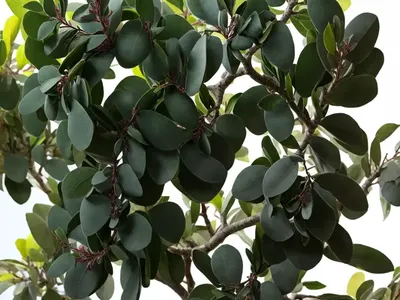
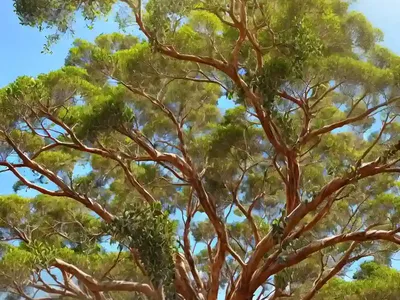
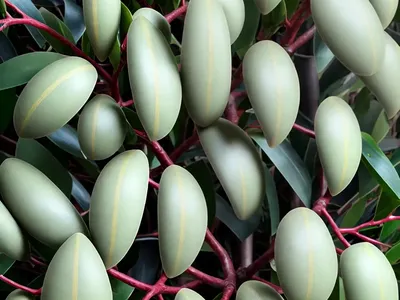
Eucalyptus Globulus, commonly referred to as the Blue Gum Tree, belongs to the Myrtaceae family, known for its aromatic leaves and rapid growth. This species is characterized by its tall, straight trunk, rough bark, and blue-green foliage. The Blue Gum Tree produces white flowers and woody fruits, or “gumnuts,” which add to its ornamental charm.
Key Takeaways – Blue Gum Tree (Eucalyptus Globulus)
Let’s start our exploration by understanding the key takeaways of the Blue Gum Tree, encompassing its cultural significance, uses, and essential care requirements.
Culture
The Blue Gum Tree holds great cultural significance, both historically and in modern times. It has become an iconic symbol of Australia and is deeply entrenched in Aboriginal culture as a source of food, medicine, and shelter.
Uses
The versatile nature of the Blue Gum Tree lends itself to a myriad of uses, including timber production, essential oil extraction, medicinal properties, and environmental applications.
Now, let’s dive deeper into each aspect of the Blue Gum Tree, exploring its requirements and characteristics.
Water
Proper watering is crucial for the health and growth of the Blue Gum Tree. This species thrives in well-drained soil and has moderate water needs, particularly during its establishment phase. Once established, the Blue Gum Tree exhibits good drought tolerance, but regular watering is still essential, especially during prolonged dry spells.
Sunlight
Being a sun-loving species, the Blue Gum Tree flourishes in full sunlight. It requires at least six hours of direct sunlight per day to thrive and maintain its characteristic vigor.
Fertilizer
While the Blue Gum Tree is adaptable to a variety of soil types, it benefits from nutrient-rich soil. Applying a balanced fertilizer during the growing season can further enhance its growth and overall health.
Soil
The Blue Gum Tree exhibits a preference for well-drained, loamy soil. It can tolerate a wide range of soil pH levels, from acidic to slightly alkaline, adding to its adaptability. However, it is essential to avoid waterlogged soils to prevent root rot.
Pruning
Pruning the Blue Gum Tree is essential to maintain its shape, remove dead or diseased branches, and promote healthy growth. Pruning should be conducted during the tree’s dormant season to minimize stress and encourage vigorous regrowth in the following growing season.
Propagation
Propagation of the Blue Gum Tree can be achieved through both seeds and vegetative methods such as stem cuttings or air layering. Each method has its nuances, and selecting the most suitable approach depends on the intended scale and purpose of propagation.
Container Popularity
The Blue Gum Tree is also popular for container cultivation, adding a touch of elegance to outdoor spaces and landscapes. Its adaptability to container growth makes it a versatile choice for urban and suburban environments.
Container Common Diseases
When cultivating the Blue Gum Tree in containers, it is essential to be mindful of potential diseases that may arise, such as root rot and powdery mildew. Proper sanitation and regular monitoring can help mitigate these risks.
Disease Diagnosis
Effective disease diagnosis is crucial for maintaining the health of the Blue Gum Tree. Timely identification and appropriate treatment of diseases, such as leaf spot and canker, can prevent widespread damage and ensure the tree’s longevity.
Common Pests
The Blue Gum Tree is susceptible to various pests, including psyllids, borers, and scale insects. Regular monitoring and integrated pest management practices can help prevent pest infestations and minimize their impact on the tree’s health.
Now, let’s proceed to explore the characteristics and growth habits of the Blue Gum Tree, shedding light on its unique botanical attributes and ecological significance.
Botanist’s Tips
Here are some valuable botanist’s tips for growing and caring for the Blue Gum Tree:
-
Optimal Planting Time: Plant the Blue Gum Tree in early spring to allow it to establish its root system before the onset of hot, dry weather.
-
Mulching: Applying a layer of organic mulch around the base of the tree can help conserve moisture, regulate soil temperature, and suppress weed growth.
-
Adequate Spacing: When planting multiple Blue Gum Trees, ensure sufficient spacing between them to accommodate their mature canopy spread and prevent overcrowding.
Next, we’ll delve into some fascinating fun facts about the Blue Gum Tree, unraveling its unique characteristics and ecological significance.
Fun Facts
-
Fast Growth: The Blue Gum Tree is renowned for its rapid growth, with young saplings capable of adding several feet in height annually under optimal conditions.
-
Aromatic Leaves: The leaves of the Blue Gum Tree exude a refreshing, camphor-like aroma, contributing to its appeal in ornamental and aromatic applications.
-
Wildlife Habitat: The Blue Gum Tree serves as a valuable habitat for various wildlife species, providing food and shelter for birds, mammals, and insects.
-
Air Purification: Through its efficient transpiration and pollution absorption capabilities, the Blue Gum Tree contributes to improving air quality and environmental health.
With a deeper understanding of the Blue Gum Tree’s cultural significance, uses, and care requirements, it’s time to explore its broader ecological and economic impact. For this, we’ll delve into some interesting links to external resources, offering valuable insights and diverse perspectives on the Blue Gum Tree.
Links to External Resources
- Eucalyptus Globulus: A Compendium of Information
- Eucalyptus Plantation and Uses
- Medicinal and Aromatic Plants: Eucalyptus
- Eucalyptus Trees: Growth and Environmental Impact
- Eucalyptus Essential Oil Extraction and Applications
Conclusion
In conclusion, the Blue Gum Tree (Eucalyptus Globulus) stands as a symbol of natural beauty, ecological resilience, and versatile utility. From its cultural significance in Aboriginal traditions to its modern-day applications in timber production, essential oil extraction, and ecological restoration, the Blue Gum Tree continues to leave an indelible mark on diverse spheres. By understanding its cultural heritage, uses, and care requirements, we can foster a deeper appreciation for the Blue Gum Tree and leverage its potential for sustainable environmental stewardship and economic prosperity.
Embedded within the essence of the Blue Gum Tree lies a testament to the intricate interconnectedness of nature and human society, beckoning us to cultivate a harmonious coexistence with the plant kingdom. As we continue to explore the nuances of Eucalyptus Globulus and its ecological significance, let us endeavor to uphold the preservation and sustainable utilization of this iconic species, ensuring its legacy for generations to come.
With this, we conclude our comprehensive guide to the Blue Gum Tree (Eucalyptus Globulus), hoping to inspire a newfound appreciation for this remarkable plant and its multifaceted contributions to our world.
For further queries and discussions on the Blue Gum Tree, feel free to reach out and engage in the vibrant discourse surrounding this emblematic species.
So, let’s continue to nurture our fascination and admiration for the botanical marvels that enrich our lives and the planet we call home.
References
- “Eucalyptus Globulus: A Compendium of Information.” Australian National Botanic Gardens. Link
- “Eucalyptus Plantation and Uses.” Matters. Link
- “Medicinal and Aromatic Plants: Eucalyptus.” ScienceDirect. Link
- “Eucalyptus Trees: Growth and Environmental Impact.” National Geographic. Link
- “Eucalyptus Essential Oil Extraction and Applications.” ResearchGate. Link