Witch Hazel (Hamamelis x intermedia ‘Savill Starlight’)
Witch hazel is a captivating plant known for its stunning winter blooms and various uses in skincare and medicine. This article delves into the intricacies of witch hazel (Hamamelis x intermedia ‘Savill Starlight’), exploring its culture, uses, care tips, and more.
What is Witch Hazel?
Witch hazel (Hamamelis x intermedia ‘Savill Starlight’) is a beautiful flowering shrub that belongs to the Hamamelidaceae family. It is a hybrid of Hamamelis japonica and Hamamelis mollis, resulting in a plant with remarkable ornamental and therapeutic properties.
Key Takeaways
Before we dive deeper into the world of witch hazel, it’s essential to understand its key takeaways:
- Scientific Name: Hamamelis x intermedia ‘Savill Starlight’
- Growth Habit: Deciduous shrub
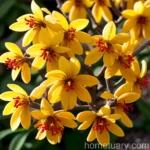
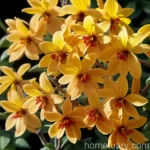
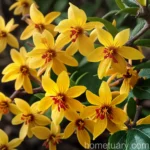
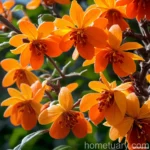
- Flower Color: Pale yellow with a tinge of red
- Fragrance: Pleasant, delicate scent
- Foliage: Textured, green leaves turning vibrant shades in autumn
- Uses: Medicinal, ornamental, skincare
Now that we have a basic understanding, let’s explore the various aspects of witch hazel in more detail.
Culture
Understanding the cultural requirements of witch hazel is crucial for ensuring its optimal growth and performance. Let’s delve into the essential aspects of its culture, including water, sunlight, fertilizer, and soil preferences.
Water
Witch hazel prefers moist, well-draining soil. While established plants are relatively drought-tolerant, consistent watering is essential, especially during dry spells. However, it’s crucial to avoid waterlogged conditions, which can be detrimental to the plant’s health.
Sunlight
When it comes to sunlight, witch hazel thrives in partial shade to full sun. In regions with hot summers, providing some afternoon shade can prevent leaf scorch and maintain the plant’s overall vigor.
Fertilizer
A balanced, slow-release fertilizer applied in early spring can provide the necessary nutrients for healthy growth and prolific blooms. However, it’s important to avoid excessive fertilization, which can lead to lush, vulnerable growth susceptible to diseases and pests.
Soil
Witch hazel thrives in slightly acidic to neutral soil with good organic content. A well-amended, loamy soil provides the ideal growing medium, ensuring adequate drainage while retaining essential moisture.
Pruning
Pruning plays a vital role in maintaining the health, shape, and flowering abundance of witch hazel. Proper pruning can also help in managing any overgrowth and rejuvenating older plants. Here are some key guidelines for pruning witch hazel:
Timing
The best time to prune witch hazel is right after flowering, typically in early spring. This allows the plant to set new growth and develop next year’s flower buds without any disruption.
Techniques
Pruning witch hazel involves the removal of dead, damaged, and crossing branches. Additionally, selective thinning can help improve air circulation and maintain an open, attractive habit.
Propagation
Propagating witch hazel can be an exciting endeavor for enthusiasts looking to expand their plant collection or share their love for this captivating shrub. Here are some common methods for propagating witch hazel:
- Softwood Cuttings: Softwood cuttings taken in late spring or early summer can root readily under mist or in a greenhouse environment.
- Layering: Air layering or simple ground layering can be successful for propagating established branches with ease.
- Seed Propagation: While witch hazel seeds require some patience and specific conditions for germination, they offer a more natural means of propagation, preserving the genetic diversity of the plant.
Container Popularity
The versatility of witch hazel makes it an excellent candidate for container culture. Its compact size and breathtaking winter blooms make it an eye-catching addition to patio gardens, small yards, or even indoor spaces.
Container Care
When growing witch hazel in containers, it’s vital to provide adequate water and ensure proper drainage to maintain healthy root systems. Additionally, regular fertilization and occasional root pruning to prevent overcrowding are essential for optimizing growth and flower production.
Common Diseases
While witch hazel is generally resilient, it can be susceptible to certain diseases under unfavorable conditions. Understanding the potential diseases and their management is crucial for maintaining the plant’s health and vigor.
Disease Diagnosis
Some common diseases that can affect witch hazel include:
- Powdery Mildew: Characterized by white, powdery patches on the leaves, which can distort growth and reduce overall vigor.
- Leaf Spot: This fungal disease causes dark spots on the leaves, leading to premature defoliation if left unchecked.
- Blight: Blight can cause sudden wilting and browning of leaves and stems, often leading to dieback in severe cases.
Regular monitoring and prompt action can help prevent these diseases from causing significant damage to the plant.
Common Pests
While witch hazel is relatively pest-resistant, it can occasionally attract certain pests that may compromise its overall health.
Pest Management
Some common pests that can affect witch hazel include:
- Aphids: These small, sap-sucking insects can distort new growth and excrete honeydew, leading to sooty mold development.
- Spider Mites: Spider mites thrive in dry conditions and can cause stippling and webbing on the leaves, affecting the plant’s vitality.
Regular inspection and appropriate pest control measures, such as horticultural oil applications or insecticidal soap, can effectively manage these infestations.
Botanist’s Tips
To excel in growing and caring for witch hazel, consider the following expert tips:
- Mulching: Apply a layer of organic mulch around the base of the plant to conserve moisture and suppress weed growth. This is particularly beneficial for newly planted specimens.
- Winter Protection: In regions with harsh winters, providing a layer of mulch or burlap wrapping can protect the plant from extreme cold and drying winds.
- Observation: Regularly observing the plant for any signs of stress, disease, or pest infestations can facilitate early intervention and prevent significant issues.
Fun Facts
Here are some intriguing and lesser-known facts about witch hazel:
- The bark, leaves, and twigs of witch hazel are used to extract witch hazel water, a popular natural astringent used in skincare products.
- Witch hazel has a rich history of traditional medicinal uses among Native American tribes, who utilized it for various ailments and skin conditions.
- The vibrant fall foliage of witch hazel makes it an attractive addition to autumn landscapes, contributing vivid hues to the seasonal palette.
Now that we’ve explored the various facets of witch hazel, its uses, and cultivation, let’s dig deeper into its diverse applications in skincare, medicine, and beyond.
Witch Hazel Uses
Medicinal Properties
Witch hazel is renowned for its wide array of medicinal benefits, offering natural remedies for various conditions. Some of its medicinal uses include:
-
Skincare: Witch hazel water is commonly used as a natural toner, offering astringent properties that help tighten and tone the skin. Its anti-inflammatory and antioxidant benefits make it suitable for addressing acne, inflammation, and skin irritation.
- Benefit: Witch hazel has been traditionally used to alleviate skin conditions such as eczema, psoriasis, and rosacea, offering soothing relief and promoting skin healing.
-
First Aid: The mild astringent properties of witch hazel make it an effective remedy for insect bites, cuts, wounds, and minor skin irritations. It helps cleanse the affected area and reduce swelling and discomfort.
- Benefit: Witch hazel can aid in soothing sunburns, providing a cooling sensation and promoting skin recovery.
-
Physical Discomforts: Witch hazel’s anti-inflammatory and analgesic properties make it beneficial for addressing discomforts such as hemorrhoids, varicose veins, bruises, and itching. It can provide relief and support the body’s natural healing processes.
- Benefit: Witch hazel’s natural anti-inflammatory benefits make it a popular choice for reducing redness, calming minor skin irritations, and promoting overall skin health.
Herbal Medicine
Witch hazel has a long-standing history in herbal medicine, used for its therapeutic properties in various formulations, including:
-
Essential Oil: The extraction of witch hazel essential oil offers a concentrated form of its beneficial compounds, which can be used in aromatherapy, massage oils, and skincare products.
- Benefit: Witch hazel oil possesses antioxidant properties, making it valuable in formulations aimed at anti-aging, pore reduction, and overall skin rejuvenation.
-
Herbal Remedies: Witch hazel is a common ingredient in natural home remedies, offering versatile applications in addressing skin, scalp, and other health-related concerns.
- Benefit: Witch hazel’s natural astringent properties make it ideal for toning and balancing oily skin, providing a gentle solution for managing skincare challenges.
Natural Beauty
With its multifaceted benefits and compatibility with various skin types, witch hazel has become a staple in the realm of natural beauty and holistic skincare. Its versatility and gentle nature have made it a sought-after ingredient in a wide range of products, including:
-
Toner: Witch hazel toner offers a refreshing, alcohol-free option for balancing and revitalizing the skin. Its gentle astringency helps minimize pores and maintain an even complexion.
-
Astringent Products: Witch hazel is incorporated into a range of astringent preparations for acne-prone skin, offering targeted benefits for managing blemishes and excess oil production.
-
Hair Care: The astringent and balancing properties of witch hazel extend to hair care, where it is utilized in shampoos, conditioners, and scalp treatments to promote healthy hair and scalp conditions.
Anecdotal evidence and traditional knowledge highlight a myriad of other uses and benefits associated with witch hazel, reflecting its enduring appeal as a natural solution for diverse wellness needs.
Witch Hazel Cultivation
Growing and cultivating witch hazel can be a deeply rewarding experience, offering a fascinating journey through the plant’s seasonal transformations and diverse applications. Here are some essential pointers for successfully cultivating witch hazel:
-
Soil Preparation: Prior to planting, ensure the soil is well-draining and amended with organic matter to create an optimal growing environment for witch hazel.
- Benefit: Well-draining soil promotes healthy root development and minimizes the risk of waterlogged conditions, which can be detrimental to the plant’s health.
-
Location: Select a site with adequate sunlight and suitable soil conditions to provide an ideal growing environment for witch hazel.
- Benefit: Proper placement ensures that the plant receives the necessary sunlight for vigorous growth and profuse blooming, enhancing its ornamental appeal.
-
Watering Regimen: Maintain adequate moisture levels, especially during dry spells, to support the plant’s growth and flowering capacity without allowing the soil to become waterlogged.
- Benefit: Consistent and appropriate watering fosters healthy root systems and supports the plant’s overall resilience, contributing to its long-term vitality.
-
Pruning and Maintenance: Regular pruning and maintenance activities, such as deadheading spent flowers and removing damaged or crossing branches, help promote healthy growth and abundant blooms.
- Benefit: Proper pruning enhances the plant’s aesthetics, encourages new growth, and contributes to the development of next year’s flower buds.
Combining these cultivation practices with a deep appreciation for the plant’s unique qualities can elevate the gardening experience and foster a deeper connection with the natural world.
Witch Hazel Flowers
The distinctive flowers of witch hazel are a testament to its charm and allure, offering a burst of color and fragrance during the winter months when most other plants lay dormant.
-
Floral Display: Witch hazel’s delicate, spidery blooms emerge in late winter to early spring, adorning the bare branches with clusters of fragrant, pale yellow flowers tinged with hints of red.
- Benefit: The unique timing of its blooms provides a welcome herald of the impending spring, infusing the landscape with vitality and visual interest.
-
Fragrance: The flowers emit a subtle, sweet scent that lingers in the air, adding an enchanting dimension to the winter garden.
- Benefit: The fragrant blooms of witch hazel can serve as a natural mood-lifter, offering a refreshing olfactory experience during the colder months.
External Resources
While this article provides comprehensive insights into the world of witch hazel, there are numerous external resources that offer additional information, perspectives, and expertise on this captivating plant. Here are some valuable links for further exploration:
- Botanical Gardens and Arboretums: Many botanical gardens and arboretums feature collections of witch hazel, offering visitors an opportunity to admire different varieties and gain practical insights into their cultivation and uses.
- Horticultural Societies: Local and national horticultural societies often provide resources, events, and publications focused on specific plant families and species, including witch hazel.
- Online Plant Encyclopedias: Websites and databases dedicated to plant information and horticultural databases offer in-depth profiles, cultivation guides, and user forums related to witch hazel and its diverse applications.
- Skincare and Herbal Medicine Websites: Platforms specializing in skincare, natural remedies, and herbal medicine provide valuable insights into the uses, benefits, and formulations involving witch hazel.
By exploring these external resources, enthusiasts can enrich their knowledge, connect with fellow enthusiasts, and discover new perspectives on the multifaceted world of witch hazel.
In conclusion, witch hazel (Hamamelis x intermedia ‘Savill Starlight’) stands as a captivating plant with a rich heritage, offering a delightful fusion of ornamental beauty, medicinal prowess, and versatile applications in skincare and holistic wellness. Whether admired for its winter blooms, cherished for its therapeutic properties, or celebrated for its resilience and adaptability in the garden, witch hazel continues to captivate and inspire all who encounter its enchanting presence.
Through a deeper understanding of its culture, uses, and cultivation, enthusiasts can forge a profound connection with witch hazel, nurturing a timeless appreciation for this remarkable plant and its enduring contributions to both natural beauty and human well-being.