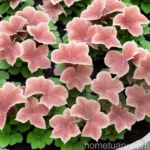
All About Coral Bells (Heuchera ‘Ginger Peach’)
Coral bells, also known by their scientific name Heuchera ‘Ginger Peach’, are stunning perennial plants that are favored by many gardeners for their vibrant foliage and delicate flowers. In this comprehensive guide, we will delve deep into the world of Coral Bells, exploring their culture, uses, maintenance requirements, diseases, pests, and so much more. Whether you are a seasoned gardener or a beginner looking to add this beautiful plant to your landscape, this guide will equip you with all the knowledge you need to cultivate and care for Coral Bells successfully.
What is Coral Bells (Heuchera ‘Ginger Peach’)?
Coral bells, scientifically known as Heuchera, are a genus of herbaceous perennial plants within the family Saxifragaceae. They are native to North America and are well-loved for their attractive foliage, which comes in a wide array of colors ranging from deep burgundy to bright peach and variegated patterns.
Heuchera ‘Ginger Peach’ is a specific variety of Coral Bells known for its striking peach-colored foliage, making it a sought-after choice for adding a vibrant pop of color to gardens and landscapes. This cultivar produces delicate, creamy-white flowers that are borne on tall stalks above the foliage, adding to its visual appeal.
Key Takeaways – Coral Bells (Heuchera ‘Ginger Peach’)
To provide a comprehensive understanding of Heuchera ‘Ginger Peach’ and its cultivation, let’s explore various aspects related to this stunning plant, including its culture, uses, maintenance requirements, diseases, and common pests.
Culture
- Botanical Name: Heuchera ‘Ginger Peach’
- Plant Type: Herbaceous perennial
- USDA Hardiness Zones: 4 to 9
- Mature Height: 12-18 inches
- Mature Spread: 12-24 inches
- Bloom Time: Late spring to early summer
- Landscape Uses: Borders, containers, rock gardens, woodland gardens, and as ground cover
- Growth Rate: Moderate
Uses
- Ornamental: Adds vibrant color and texture to garden beds and containers
- Wildlife Attraction: Attracts butterflies and hummingbirds
- Cut Flowers: Suitable for cut flower arrangements
Water
- Watering Frequency: Regular watering, especially during dry periods
- Watering Method: Water at the base of the plant to avoid wetting the foliage
- Moisture Requirements: Moist, well-draining soil
Sunlight
- Light Requirements: Partial to full shade
- Sun Tolerance: Tolerates shade well, particularly in warmer climates
Fertilizer
- Fertilizer Type: Balanced, slow-release fertilizer
- Fertilizing Schedule: Once in early spring and again in late summer
- Application Method: Apply fertilizer around the base of the plant, avoiding direct contact with the foliage
Soil
- Soil Type: Well-draining, loamy soil
- pH Range: Slightly acidic to neutral (pH 6.0-7.0)
- Soil Amendments: Organic matter such as compost can be added to improve soil structure
Pruning
- Pruning Needs: Remove spent flower stalks and any damaged or discolored foliage
- Timing: After the flowering period
- Benefits: Encourages new growth and maintains the plant’s compact shape
Propagation
- Propagation Methods: Division and stem cuttings
- Best Time for Division: Early spring or early fall
- Rooting Hormone: Optional for stem cuttings to expedite root formation
Container Popularity
- Suitable Containers: Well-draining pots or containers
- Advantages: Provides opportunity to showcase the plant’s vibrant foliage in various settings
- Considerations: Requires regular watering and may need insulation in colder climates
Common Diseases
- Powdery Mildew: Fungal disease that can affect foliage
- Botrytis: Gray mold that may affect the leaves and flowers
- Preventive Measures: Proper spacing, good air circulation, and avoiding overhead watering can help minimize disease incidence
Disease Diagnosis
- Symptoms: Powdery white spots on leaves, gray mold on foliage and flowers
- Diagnostic Tools: Visual inspection and, if necessary, consultation with local extension services or plant pathology experts
Common Pests
- Vine Weevils: They can feed on the plant’s roots, leading to weakened growth
- Preventive Measures: Use nematodes or biological controls to manage vine weevil populations
Botanist’s Tips
- Mulching: Apply a layer of mulch around the base of the plant to conserve soil moisture and suppress weed growth
- Winter Protection: In colder climates, provide a layer of mulch or straw to insulate the plant’s root zone during winter
Fun Facts
- Native American Uses: Indigenous tribes used certain Heuchera species for their medicinal properties
- Attracting Pollinators: The delicate flowers of Coral Bells are known to attract a wide variety of pollinators, adding ecological value to garden landscapes
Now that we have a comprehensive overview of the key aspects related to Heuchera ‘Ginger Peach’, let’s delve deeper into each of these aspects to gain a thorough understanding of cultivating and caring for this beautiful plant.
Links to External Resources
- The Plant List – Heuchera ‘Ginger Peach’
- Royal Horticultural Society – Heuchera ‘Ginger Peach’ Information
- University of Florida IFAS Extension – Growing Heuchera
- Missouri Botanical Garden – Heuchera Specifics
- North Carolina State University Extension – Heuchera Cultivation and Management
Marine & Environmental Research Institute_MERI
Conclusion
Coral bells, especially the ‘Ginger Peach’ variety, are truly remarkable plants that can elevate the visual appeal of any garden or landscape. With their vibrant foliage, delicate flowers, and relatively low maintenance requirements, they are a popular choice for many gardeners.
By understanding their culture, maintenance needs, and potential challenges such as diseases and pests, gardeners can cultivate Heuchera ‘Ginger Peach’ with confidence, ensuring that it thrives and adds a touch of elegance to their outdoor spaces.
This comprehensive guide has provided insights into various facets of Heuchera ‘Ginger Peach’, equipping both amateur and seasoned gardeners with the knowledge needed to successfully grow and care for these stunning plants.
Whether incorporated into borders, containers, or rock gardens, the ‘Ginger Peach’ variety of Coral Bells is a versatile and delightful addition to any landscape. Its low-maintenance nature, coupled with its aesthetic and ecological contributions, makes it a valuable asset to gardens and outdoor spaces.
Now that we’ve unraveled the enchanting world of Heuchera ‘Ginger Peach’, it’s time to appreciate and celebrate the beauty and resilience of this captivating plant that continues to capture the hearts of gardeners worldwide.
Happy Planting!
Disclaimer: The information provided in this guide is for educational and informational purposes. It is essential to consult local gardening resources and extension services for region-specific guidance on cultivating and caring for Heuchera ‘Ginger Peach’.
References
- “Heuchera ‘Ginger Peach’ care”
- “Coral bells plant varieties”
- “Growing Coral Bells ‘Ginger Peach'”
- “Heuchera ‘Ginger Peach’ planting guide”
- “Coral bells flower colors”
- “Best companion plants for Heuchera ‘Ginger Peach'”
- “Coral bells foliage colors”
- “How to propagate Coral Bells ‘Ginger Peach'”
- “Low maintenance plants like Heuchera ‘Ginger Peach'”
- “Coral bells plant diseases”
- “Heuchera ‘Ginger Peach’ in containers”
- “Coral bells for shade gardens”
- “Heuchera ‘Ginger Peach’ landscaping ideas”
- “Coral bells for pollinators”
- “Heuchera ‘Ginger Peach’ sunlight requirements”
- “Coral bells drought tolerance”
- “Winter care for Heuchera ‘Ginger Peach'”
- “Coral bells as groundcover”
- “Best soil for growing Heuchera ‘Ginger Peach'”
- “Coral bells plant size”
- “Heuchera ‘Ginger Peach’ in rock gardens”
- “Coral bells companion plants for wildlife gardens”
- “Heuchera ‘Ginger Peach’ in border plantings”
- “Coral bells pruning tips”
- “Heuchera ‘Ginger Peach’ water requirements”
- “Coral bells plant characteristics”
- “Heuchera ‘Ginger Peach’ as a focal point”
- “Coral bells for container gardens”
- “Heuchera ‘Ginger Peach’ in hanging baskets”
- “Coral bells deer resistance”
- “Heuchera ‘Ginger Peach’ in coastal gardens”
- “Coral bells leaf shapes”
- “Heuchera ‘Ginger Peach’ for urban gardens”
- “Coral bells perennial plantings”
- “Heuchera ‘Ginger Peach’ as a border plant”
- “Coral bells plant propagation methods”
- “Heuchera ‘Ginger Peach’ soil pH preference”
- “Coral bells for erosion control”
- “Heuchera ‘Ginger Peach’ in cottage gardens”
- “Coral bells sun vs shade requirements”
- “Heuchera ‘Ginger Peach’ seasonal interest”
- “Coral bells for attracting butterflies”
- “Heuchera ‘Ginger Peach’ in native plant gardens”
- “Coral bells plant maintenance tips”
- “Heuchera ‘Ginger Peach’ in mixed plantings”
- “Coral bells resistant to pests and diseases”
- “Heuchera ‘Ginger Peach’ for cut flower arrangements”
- “Coral bells for rockeries”
- “Heuchera ‘Ginger Peach’ in xeriscaping”
- “Coral bells foliage textures”