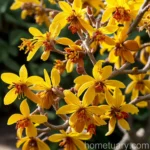
Witch Hazel (Hamamelis x intermedia ‘Robert’)
Witch hazel (Hamamelis x intermedia ‘Robert’) is a fascinating and versatile plant that is highly esteemed for its winter-blooming flowers and numerous skincare and medicinal properties. In this comprehensive guide, we will explore the culture, uses, care, and propagation of this captivating shrub. Additionally, we will delve into common diseases and pests, and provide valuable botanical tips and fun facts about witch hazel. Throughout this journey, you will gain a deep understanding of this extraordinary plant and how to incorporate it into your gardening endeavors.
What is Witch Hazel?
Witch hazel, scientifically known as Hamamelis, is a genus of flowering plants in the family Hamamelidaceae. The name “witch hazel” is derived from the Old English word wice, meaning “pliant” or “bendable,” which refers to the plant’s flexible branches. The genus encompasses a small group of deciduous shrubs or small trees, predominantly native to East Asia and North America. They are known for their exquisite winter-blooming flowers and unique utilization in skincare and medicinal applications.
Witch Hazel Varieties
The Hamamelis genus comprises a diverse array of species and cultivars, each with its distinctive qualities and attributes. Some commonly encountered varieties include Hamamelis mollis, Hamamelis virginiana, and the captivating Hamamelis x intermedia ‘Robert’. In particular, ‘Robert’ is celebrated for its vibrant and fragrant flowers, making it a sought-after addition to gardens and landscapes.
Key Takeaways – Witch Hazel (Hamamelis x intermedia ‘Robert’)
Before delving deeper into the specifics of witch hazel, let’s outline the key takeaways regarding this captivating plant:
- Scientific Name: Hamamelis x intermedia ‘Robert’
- Family: Hamamelidaceae
- Common Name: Witch Hazel
- Notable Features: Winter-blooming flowers, skincare and medicinal properties
- Cultural Significance: Revered for its folklore and diverse historical uses
- Garden Uses: Ornamental landscaping, skincare products, medicinal applications
Now, let’s embark on an exploration of the cultural requirements, uses, and care essentials for Hamamelis x intermedia ‘Robert’.
Culture of Witch Hazel (Hamamelis x intermedia ‘Robert’)
The successful cultivation of witch hazel requires a fundamental understanding of its cultural prerequisites. Whether you intend to plant it in your garden, use it for skincare, or leverage its medicinal benefits, providing the optimal growing conditions is imperative for its prosperity.
Water
Witch hazel, including the ‘Robert’ variety, thrives in moist but well-drained soil. During the establishment phase, diligent watering is essential to ensure that the roots develop a strong foundation. Once established, it generally displays good tolerance to dry spells but will benefit from regular watering, particularly during periods of extended drought.
Sunlight
When considering the planting location for witch hazel, it is crucial to prioritize partial shade to full sun exposure. While it can tolerate partial shade, providing it with ample sunlight will enhance its blooming potential and overall vigor.
Soil
Witch hazel prefers acidic to neutral soil with moderate fertility. It thrives in humus-rich, loamy soil that retains moisture without becoming waterlogged. Ensuring proper soil conditions is pivotal in facilitating healthy growth and prolific flowering.
Fertilizer
When it comes to fertilization, witch hazel is relatively low-maintenance. Applying a balanced, slow-release fertilizer in early spring can provide the necessary nutrients for robust growth and flowering. Additionally, incorporating organic matter into the soil during planting or as a top dressing can contribute to sustained nourishment.
Pruning
Pruning witch hazel, including the ‘Robert’ variety, is essential for maintaining a well-shaped and vigorous plant. This practice primarily entails the removal of dead or diseased wood, shaping the plant to improve aesthetics, and encouraging air circulation within the canopy. Pruning is typically performed after flowering to avoid compromising the next season’s blooms.
Uses of Witch Hazel (Hamamelis x intermedia ‘Robert’)
Witch hazel is renowned for its diverse range of uses, extending from traditional medicinal applications to skincare and ornamental landscaping. Understanding the multifaceted uses of this plant allows for a holistic appreciation of its significance and potential in various domains.
Medicinal Properties
In herbal medicine, witch hazel has been revered for centuries for its astringent properties. The extract derived from the bark and leaves of witch hazel is used topically to alleviate skin irritations, reduce inflammation, and soothe minor cuts and bruises. Moreover, it is recognized for its effectiveness in treating conditions such as eczema, insect bites, and varicose veins.
Skincare
Witch hazel is a prominent ingredient in skincare products, renowned for its ability to cleanse and tone the skin. It serves as a natural astringent, effectively tightening the skin and reducing the appearance of pores. Additionally, its anti-inflammatory properties make it a favored remedy for soothing acne-prone skin and alleviating discomfort from sunburns and other skin irritations.
Ornamental Landscaping
Beyond its medicinal and skincare uses, witch hazel, especially the winter-blooming ‘Robert’ variety, is valued for its ornamental appeal. The captivating display of fragrant, spidery flowers amidst the winter landscape adds a touch of vibrancy and elegance to gardens and landscapes. Furthermore, its brilliant fall foliage and overall form contribute to its desirability as a landscaping element.
Propagation of Witch Hazel (Hamamelis x intermedia ‘Robert’)
For those seeking to propagate witch hazel, understanding the most effective propagation methods is essential for successful establishment and expansion of its presence in the garden or landscape.
Propagation Methods
Witch hazel can be propagated through various methods, including:
- Seeds: Sowing fresh witch hazel seeds in a well-prepared seedbed and providing the appropriate conditions for germination and establishment.
- Cuttings: Propagating witch hazel from semi-ripe cuttings taken from healthy, vigorous plants and utilizing rooting hormone to facilitate successful rooting.
- Layering: Encouraging the development of roots on a stem while it is still attached to the parent plant, followed by severing and transplanting the rooted portion.
Understanding and implementing these propagation methods can facilitate the expansion of witch hazel within gardening or landscaping endeavors.
Container Cultivation of Witch Hazel (Hamamelis x intermedia ‘Robert’)
Popularity in Containers
While witch hazel is predominantly grown in outdoor landscapes, cultivating it in containers is a viable and attractive option for enthusiasts with limited garden space or those seeking to appreciate its beauty up close. The ‘Robert’ variety, with its ornamental flowers and compact growth habit, is particularly well-suited for container cultivation, adding a delightful touch to patios, balconies, and other outdoor spaces.
Container Requirements
When growing witch hazel in containers, it is essential to ensure the following:
- Container Size: Select a sufficiently large container to accommodate the plant’s root system and to prevent it from becoming root-bound.
- Well-Drained Soil: Utilize a high-quality, well-draining potting mix to provide the ideal growing medium for the plant.
- Sunlight: Position the container in an area that receives partial to full sunlight, optimizing the plant’s growth and flowering potential.
- Watering: Remain vigilant in watering, avoiding waterlogged conditions while maintaining consistent moisture levels.
Ensuring these container requirements will promote the health and vigor of witch hazel when grown in containers.
Common Diseases of Witch Hazel (Hamamelis x intermedia ‘Robert’)
While witch hazel is generally resilient to many pests and diseases, it is susceptible to certain ailments that may impact its overall vitality and appearance. Understanding these potential diseases and their management is crucial in safeguarding the plant’s well-being.
Disease Diagnosis
Common diseases that may affect witch hazel, including the ‘Robert’ variety, include:
- Powdery Mildew: Visible as a powdery white coating on leaves, this fungal disease can inhibit photosynthesis and weaken the plant.
- Leaf Spot: Manifests as dark spots on the foliage, potentially leading to premature leaf drop and diminished aesthetic appeal.
- Botrytis Blight: Characterized by gray mold on flowers and leaves, this fungal disease can lead to flower and shoot dieback.
Vigilant monitoring and timely intervention can mitigate the impact of these diseases and preserve the health and vigor of witch hazel.
Common Pests Affecting Witch Hazel (Hamamelis x intermedia ‘Robert’)
While witch hazel is relatively resistant to many pests, certain insects may pose a threat to its well-being. Identifying these pests and implementing effective pest control measures is crucial for maintaining the plant’s overall health.
Pest Control
Common pests that may affect witch hazel, including the ‘Robert’ variety, include:
- Aphids: Small, sap-sucking insects that can distort new growth and excrete honeydew, leading to sooty mold formation.
- Scale Insects: These pests can attach themselves to branches and leaves, depleting the plant’s vitality and potentially causing leaf yellowing and premature dropping.
- Spider Mites: These minuscule pests can cause stippling on the foliage, leading to reduced vigor and compromised aesthetic appeal.
Implementing natural predators, horticultural oils, or insecticidal soaps can effectively manage these pests while minimizing harm to beneficial organisms and the environment.
Botanist’s Tips for Witch Hazel (Hamamelis x intermedia ‘Robert’)
Incorporating the following botanist’s tips can enhance the growth, appearance, and overall well-being of witch hazel in the garden or landscape:
- Mulching: Applying a layer of organic mulch around the base of the plant can regulate soil moisture, suppress weed growth, and provide insulation against temperature fluctuations.
- Companion Planting: Pairing witch hazel with compatible companion plants, such as early spring bulbs or other shade-tolerant perennials, can augment its visual appeal and ecological function.
- Biodiversity Support: Creating a biodiverse environment with native plants and habitat features can foster a balanced ecosystem and support the vitality of witch hazel and surrounding flora and fauna.
Incorporating these botanist’s tips can optimize the performance and ecological value of witch hazel within the garden or landscape.
Fun Facts about Witch Hazel (Hamamelis x intermedia ‘Robert’)
On a lighter note, here are some engaging and intriguing fun facts about witch hazel:
- The name “witch hazel” is attributed to the Middle English “wiche,” meaning “bendable,” referencing the plant’s pliant branches.
- Witch hazel is a favored ingredient in traditional American folk medicine, embraced for its diverse therapeutic uses.
- The distinctive, spidery flowers of witch hazel bloom in the cool months of late winter, defying the dormancy of the season with their vibrant displays.
- Witch hazel extract is a staple ingredient in a wide range of skincare products, celebrated for its astringent and soothing properties.
- The vibrant fall foliage of witch hazel contributes to its appeal as an ornamental plant, adding a spectacular display of color to the autumn landscape.
These fun facts highlight the cultural significance, ecological value, and intriguing characteristics of witch hazel, enriching our appreciation for this remarkable plant.
Links to External Resources
For further exploration and learning about witch hazel, the following external resources provide valuable insight and information:
- American Horticultural Society: Witch Hazel Varieties
- Royal Horticultural Society: Hamamelis x intermedia ‘Robert’
- The Spruce: Witch Hazel in Skincare
- USDA Forest Service: Witch Hazel Medicinal Use
- Better Homes & Gardens: Growing Witch Hazel in Containers
- University of Maryland Extension: Managing Pests and Diseases of Witch Hazel
These resources offer a wealth of knowledge and expertise on witch hazel, facilitating a comprehensive understanding of its cultivation, uses, and ecological significance.
In conclusion, witch hazel (Hamamelis x intermedia ‘Robert’) embodies a unique blend of ornamental charm, practical uses, and ecological value. From its captivating winter flowers to its diverse medicinal properties, this remarkable plant enriches gardens, landscapes, and skincare routines with its enduring allure and versatility. By integrating the insights and practices outlined in this guide, you can cultivate, appreciate, and benefit from the many dimensions of witch hazel, fostering a deeper connection with nature and horticulture.
Remember, witch hazel is not only a plant but a botanical treasure that enriches our lives in myriad ways, bridging the realms of beauty, wellness, and natural harmony.
Now, go forth and discover the enchanting world of witch hazel, and let its timeless allure captivate and inspire you in your botanical pursuits.