Witch Hazel (Hamamelis X Intermedia ‘Parasol’)
Witch hazel (Hamamelis x intermedia ‘Parasol’) is an intriguing plant that captivates with its unique beauty and medicinal properties. Its delicate flowers.
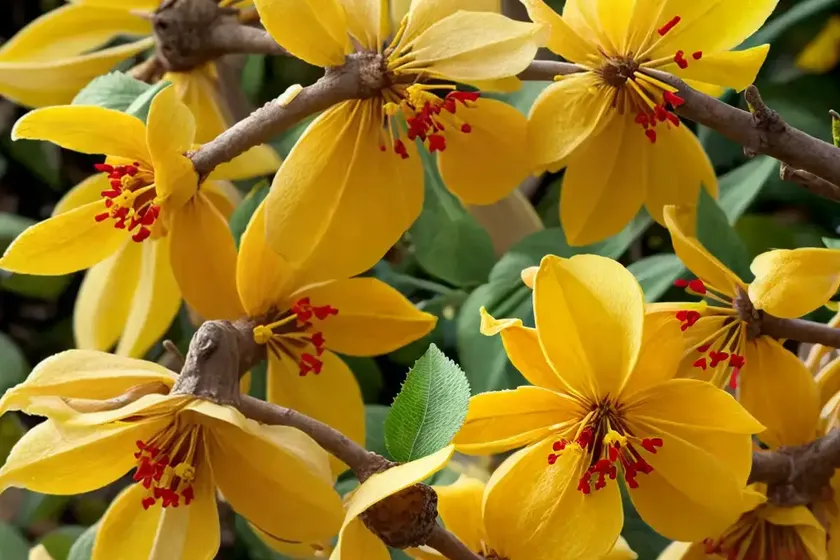
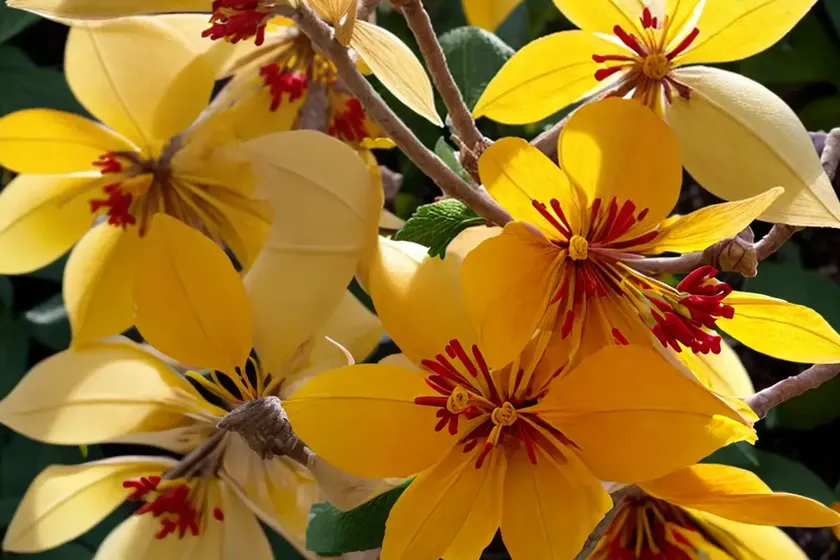
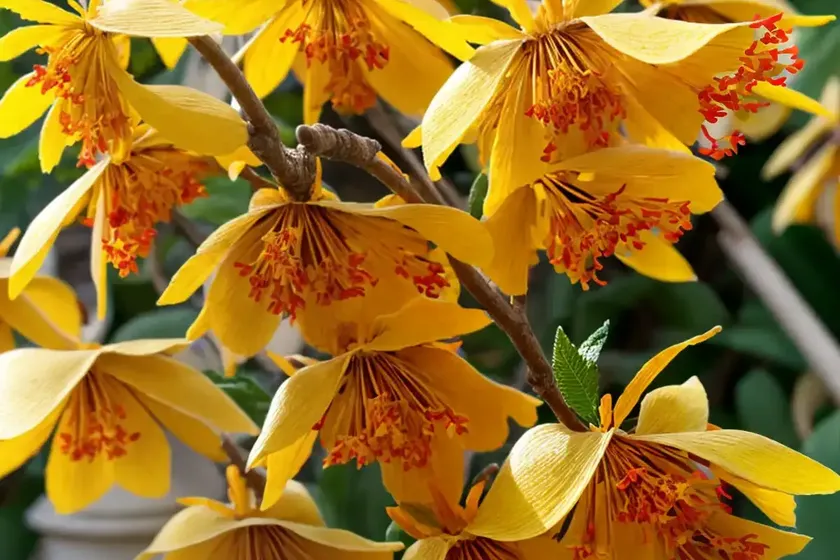
Witch hazel (Hamamelis x intermedia ‘Parasol’) is an intriguing plant that captivates with its unique beauty and medicinal properties. Its delicate flowers and vibrant foliage make it a standout addition to any garden or landscape. In this comprehensive guide, we will delve into the culture, uses, care, and propagation of this extraordinary shrub. Moreover, we will explore its significance in skincare, folklore, and traditional medicine, as well as its ecological role and horticultural benefits.
What is Witch Hazel (Hamamelis x intermedia ‘Parasol’)?
Witch hazel, scientifically known as Hamamelis x intermedia ‘Parasol’, is a deciduous shrub belonging to the Hamamelidaceae family. It is a hybrid between Hamamelis japonica and Hamamelis mollis, resulting in a plant known for its captivating beauty and versatile applications. The ‘Parasol’ variety is particularly renowned for its distinctive umbrella-shaped flower display, hence the name.
Key Takeaways – Witch Hazel (Hamamelis x intermedia ‘Parasol’)
Before delving into the details of witch hazel care, let’s highlight the key takeaways about this captivating shrub:
- Botanical Name: Hamamelis x intermedia ‘Parasol’
- Common Name: Witch Hazel
- Variety: ‘Parasol’
- Family: Hamamelidaceae
- Uses: Medicinal, skincare, ornamental
- Flower Type: Spidery, fragrant
- Foliage: Vibrant fall color
- Growth Habit: Upright, spreading
- Hardiness Zone: 5-8
- Height: 8-12 feet
- Spread: 12-15 feet
- Bloom Time: Late winter to early spring
- Native Range: Hybrid origin
- Special Feature: Distinctive umbrella-shaped flowers
Now that we have gained a brief understanding of the essence of witch hazel, let’s explore its culture, uses, and care requirements in detail.
Culture
Water
Witch hazel thrives in well-drained soil and prefers moderate moisture levels. It is essential to ensure adequate watering during dry spells, especially during the establishment phase. However, it is crucial to avoid waterlogging, as excessive moisture can lead to root rot and other detrimental conditions.
Sunlight
When selecting a planting site for witch hazel, it is essential to consider its sunlight requirements. The shrub flourishes in partial shade to full sun, making it adaptable to various garden settings. In warmer regions, providing afternoon shade can help prevent leaf scorch and maintain the plant’s vigor.
Fertilizer
Witch hazel generally does not require heavy fertilization. A balanced, slow-release fertilizer applied in spring is usually sufficient to support healthy growth and prolific blooming. It is important to avoid excessive nitrogen, as this can stimulate excessive vegetative growth at the expense of flower production.
SoilThe ideal soil for witch hazel is slightly acidic, with a pH range of 5.0-6.5. Additionally, it should be well-draining and rich in organic matter. Amending the soil with compost or peat moss before planting can improve its structure and fertility, providing an optimal growing environment for the shrub.
Pruning
Pruning is an essential aspect of witch hazel care, contributing to the plant’s health and aesthetic appeal. It is advisable to prune witch hazel immediately after flowering to shape the shrub and remove any dead or crowded branches. Additionally, regular pruning can stimulate vigorous growth and enhance flower production in the following season.
Propagation
Propagation of witch hazel can be achieved through various methods, including seed sowing, hardwood cuttings, and grafting. While growing from seeds is a viable option, it often results in variable offspring. Hardwood cuttings taken in late summer or early autumn have proven to be a reliable propagation method, yielding genetically identical plants with desirable traits.
Container Popularity
Witch hazel is well-suited for container cultivation, allowing enthusiasts with limited garden space to enjoy its beauty and benefits. When grown in containers, it is crucial to select a well-draining potting mix and provide adequate moisture and sunlight. Furthermore, regular fertilization is essential to support the plant’s growth and flowering potential.
Common Diseases
Witch hazel is relatively resistant to diseases, particularly when grown in suitable cultural conditions. However, certain environmental stressors and pathogens can pose threats to its health. The following are some common diseases that may affect witch hazel:
- Powdery Mildew: This fungal disease can develop in humid conditions, leading to white powdery growth on the leaves and stems. Ensuring proper air circulation and avoiding overhead watering can help prevent powdery mildew.
- Anthracnose: Anthracnose, caused by various fungal pathogens, can result in dark, sunken lesions on the leaves and stems. Pruning infected plant parts and promoting good sanitation practices can mitigate the impact of anthracnose.
Disease Diagnosis
Diagnosing diseases in witch hazel requires careful observation of symptoms and thorough analysis of environmental factors. It is crucial to differentiate between pathogenic infections and physiological disorders, as well as distinguish between fungal, bacterial, and viral diseases. Seeking guidance from horticultural experts or plant pathologists can aid in accurate disease diagnosis and appropriate management strategies.
Common Pests
Although witch hazel is generally resistant to pest infestations, certain insects may occasionally pose a threat to its vitality. Vigilant monitoring and prompt intervention are crucial in managing pest-related issues. The following are some common pests that may affect witch hazel:
- Aphids: These small, sap-sucking insects can congregate on the undersides of leaves, causing distortion and discoloration. Natural predators, such as ladybugs and lacewings, can help control aphid populations.
- Scale Insects: Scale insects, characterized by their protective shells, can attach themselves to the stems and leaves of witch hazel, sapping the plant’s resources. Horticultural oils or insecticidal soaps can be effective in controlling scale infestations.
Botanist’s Tips
As botanists, we must always strive to deepen our understanding of the plants we study and cultivate. Here are some valuable tips for enthusiasts and professionals interested in exploring the world of witch hazel:
- Cultural Diversity: Witch hazel exhibits remarkable cultural diversity, with various species and hybrids offering an array of flower colors, forms, and fragrances. Exploring different cultivars can lead to a deeper appreciation of the genus and its horticultural potential.
- Conservation Efforts: Some species of witch hazel are native to specific regions and may face threats in their natural habitats. Supporting conservation initiatives and sustainable harvesting practices can contribute to the preservation of these valuable plant resources.
Fun Facts
Uncover the enchanting world of witch hazel through these captivating fun facts:
- The bark and leaves of witch hazel have been traditionally used by Native American tribes for various medicinal purposes, earning it the name “snapping hazel.”
- Witch hazel extract, obtained from the plant’s twigs and bark, is renowned for its astringent and anti-inflammatory properties, making it a popular ingredient in skincare products.
- The intricate, ribbon-like petals of witch hazel flowers bloom in late winter to early spring, adding a burst of color and fragrance to the winter landscape.
- Witch hazel’s distinctive flowers are known for their spider-like appearance and subtle, sweet scent, attracting pollinators and admirers alike.
Links to External Resources
To further enrich your knowledge and appreciation of witch hazel, explore the following external resources:
- American Botanical Council – Witch Hazel Monograph
- Royal Horticultural Society – Hamamelis Guide
- University of Maryland Medical Center – Witch Hazel
- The Morton Arboretum – Witch Hazel Varieties
- North Carolina State University Extension – Witch Hazel Production
- American Society for the Prevention of Cruelty to Animals – Plants Toxic to Animals: Witch Hazel
As we conclude this in-depth exploration of witch hazel, I hope you have gained a newfound appreciation for this remarkable shrub and its multifaceted significance. From its ornamental allure to its medicinal and ecological contributions, witch hazel continues to captivate and inspire individuals across various domains. Whether gracing gardens with its delicate blooms or serving as a vital component of herbal remedies, Hamamelis x intermedia ‘Parasol’ stands as a testament to the enduring allure and utility of botanical marvels.
As we continue our botanical pursuits, let us cherish the intricate tapestry of flora that enriches our lives and perpetuates the legacy of nature’s wondrous creations.
The mention sources are solely for educational and reference purposes and do not imply endorsement. Always consult with a professional before consuming or using any plant for medical or cosmetic purposes.


