The Enigmatic Beauty of Common Witch Hazel (Hamamelis virginiana ‘Mohonk Red’)
As a plant scientist and enthusiast, I am thrilled to acquaint you with the captivating world of Hamamelis virginiana ‘Mohonk Red’ – commonly known as Common Witch Hazel. This unique plant boasts an array of ecological, cultural, and horticultural significance, making it a compelling subject of study and admiration.
What is Common Witch Hazel (Hamamelis virginiana ‘Mohonk Red’)?
Common Witch Hazel, scientifically labeled as Hamamelis virginiana, is an exquisite deciduous shrub belonging to the Hamamelidaceae family. Renowned for its ornamental blooms, distinctive fragrance, and extensive medicinal utility, this native North American plant has garnered immense popularity among gardeners and herbalists alike.
Key Takeaways – Common Witch Hazel (Hamamelis virginiana ‘Mohonk Red’)
Before delving into the intricacies of cultivating and caring for Common Witch Hazel, let’s outline the key takeaways about this remarkable plant:
- Scientific Name: Hamamelis virginiana ‘Mohonk Red’
- Common Name: Common Witch Hazel
- Family: Hamamelidaceae
- Type: Deciduous Shrub
- Hardiness Zone: 3-8
- Sunlight: Full to Partial Sun
- Mature Height: 15-20 feet
- Bloom Time: Fall
- Fruit: Nut-like capsules
Now, let’s embark on an enlightening journey into the cultural significance, horticultural practices, and ecological roles of Common Witch Hazel.
Culture of Common Witch Hazel
Cultivating Common Witch Hazel involves a blend of horticultural knowledge, ecological awareness, and appreciation for its historical and modern-day applications. Understanding its cultural requirements is fundamental to fostering its growth and harnessing its inherent beauty and benefits.
Water
Common Witch Hazel thrives in moist, well-drained soils. During its establishment phase, it necessitates regular watering to facilitate root development and enhance its resilience to environmental stressors. However, it is crucial to avoid waterlogging, as excessive moisture can lead to root rot and compromise the plant’s vitality.
Sunlight
In terms of sunlight exposure, Common Witch Hazel exhibits versatility. While it flourishes in full sun, it also demonstrates remarkable adaptability to partial shade. This adaptability renders it suitable for diverse garden settings, allowing gardeners to integrate it into various landscape designs and compositions.
Soil
The ideal soil for Common Witch Hazel is rich in organic matter and exhibits good drainage properties. Loamy or sandy loam soils are particularly conducive to its growth, offering a balance of moisture retention and aeration essential for robust root development and overall vigor.
Uses of Common Witch Hazel
Medicinal Properties
Common Witch Hazel has a long-standing reputation for its medicinal properties, with its astringent and anti-inflammatory attributes being widely recognized. Distilled witch hazel extract is a fundamental component in numerous skincare and first-aid products, acclaimed for its ability to alleviate skin irritations, reduce inflammation, and promote healing. Its effectiveness in treating conditions such as acne, eczema, sunburn, and insect bites has cemented its status as a natural remedy with multifaceted benefits.
From a historical perspective, various indigenous cultures, including Native American tribes, revered witch hazel for its therapeutic properties, utilizing it to address a myriad of health ailments. This enduring legacy underscores the plant’s profound cultural significance and its enduring relevance in contemporary herbal and alternative medicine practices.
Horticultural Ornamentation
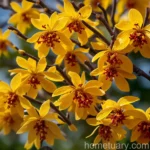
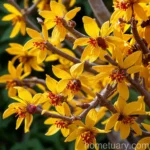
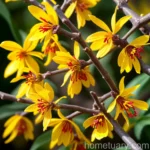
In addition to its medicinal attributes, Common Witch Hazel serves as an enchanting ornamental plant, gracing landscapes with its captivating displays of delicate, spidery blooms. Its vibrant flowers, which emerge in the fall when few other plants are in bloom, add a touch of ethereal beauty to gardens and naturalistic settings, attracting pollinators and offering a visual spectacle to behold.
The striking autumnal foliage of Common Witch Hazel further enhances its ornamental appeal, transitioning from vibrant green to a medley of warm hues, including golden yellows and fiery oranges. This remarkable foliage transformation contributes to the seasonal diversity and visual allure of landscapes where Common Witch Hazel is featured.
Fertilizer
When it comes to fertilizing Common Witch Hazel, a balanced approach that prioritizes soil health and organic enrichment is paramount. Incorporating compost or well-rotted manure into the soil during the plant’s initial establishment phase can bolster its nutrient profile and fortify its capacity to thrive in varying environmental conditions.
While Common Witch Hazel does not necessitate frequent fertilization, a biannual application of a balanced, slow-release fertilizer in early spring and late fall can provide supplementary nourishment, augmenting its overall vigor and blooming potential.
Pruning
Pruning Common Witch Hazel is an artful endeavor that requires judicious consideration and a keen eye for enhancing its natural form and floral prominence. As a deciduous shrub, it is advisable to prune Common Witch Hazel during its dormant period in late winter or early spring to invigorate its growth and maintain its structural integrity.
To encourage a more compact growth habit and promote prolific flowering, selective pruning of wayward or excessive growth can be employed. Removing dead or damaged branches, as well as performing light rejuvenation pruning, can rejuvenate the plant and ensure its longevity and ornamental appeal.
Propagation
The propagation of Common Witch Hazel can be achieved through various methods, including seed germination, softwood cuttings, and layering.
-
Seed Germination: Harvesting seeds from mature capsules and subjecting them to a stratification period, followed by sowing in a suitable growing medium, can yield new plants endowed with the genetic diversity inherent to Common Witch Hazel.
-
Softwood Cuttings: Utilizing young, vigorous branch tips to propagate new plants through the application of rooting hormone and careful monitoring of environmental conditions can yield successful outcomes, providing a means of preserving and proliferating specific cultivars such as Hamamelis virginiana ‘Mohonk Red’.
-
Layering: Encouraging the development of roots on a stem that remains attached to the parent plant enables the generation of cloned offspring, a method that capitalizes on the plant’s natural ability to form adventitious roots and generate progeny with genetic uniformity.
Each propagation method presents unique advantages and considerations, contributing to the diversity of approaches employed by horticulturists and enthusiasts to propagate and perpetuate the legacy of Common Witch Hazel.
Container Popularity
In the realm of horticulture and container gardening, Common Witch Hazel holds an esteemed status as an exceptional choice for container cultivation. Its compact growth habit, ornamental allure, and adaptability to container settings make it an appealing option for individuals seeking to incorporate diverse plant species into confined spaces such as patios, balconies, and terraces.
The seasonal splendor of Common Witch Hazel, particularly its fall blooms and vibrant foliage, elevates the visual appeal of container plantings, infusing them with an aura of natural elegance and botanical charm. Furthermore, the potential to move containers to optimal sun exposure and protect them from harsh environmental conditions enhances the flexibility and appeal of cultivating Common Witch Hazel in containers.
Common Diseases
While Common Witch Hazel exhibits resilience to various environmental stressors and diseases, it is susceptible to certain ailments that warrant proactive management and vigilance.
Disease Diagnosis
Common Witch Hazel can be afflicted by fungal diseases such as powdery mildew, leaf spot, and sooty mold, with symptoms including the development of powdery white coatings on leaves, the formation of dark lesions, and the presence of black fungal growth on plant surfaces, respectively.
To accurately diagnose and address diseases affecting Common Witch Hazel, thorough observation, consultation with plant health professionals, and diagnostic testing can aid in identifying the causal agents and implementing targeted control measures to mitigate their impact and safeguard the plant’s well-being.
Common Pests
The robust constitution of Common Witch Hazel discourages severe pest infestations, yet it can be affected by certain insect adversaries that necessitate astute pest management strategies.
Insect Infestations
Aphids, spider mites, and scale insects are among the potential pests that may afflict Common Witch Hazel, posing challenges to its vitality and aesthetic appeal. Monitoring for signs of infestation, such as stippled or discolored leaves, distorted growth, and the presence of honeydew or sooty mold, enables early intervention through measures such as targeted insecticidal applications or the implementation of natural predators to mitigate pest populations.
Botanist’s Tips
Drawing from my expertise as a plant scientist and enthusiast, I impart the following tips to enrich your experience with cultivating and appreciating Common Witch Hazel:
- Environmental Considerations: Assess the climatic and soil conditions of your gardening site to ascertain its compatibility with the cultural preferences of Common Witch Hazel, facilitating its sustained health and vigor.
- Companion Planting: Explore the synergy between Common Witch Hazel and compatible companion plants, fostering ecological balance, and enhancing the visual and functional dynamics of your garden landscape.
- Harvesting and Utilization: Embrace the multifaceted utility of Common Witch Hazel, from harvesting its blooms for ornamental arrangements to extracting its medicinal essences for holistic well-being, thereby maximizing its intrinsic value.
Fun Facts
Here are some fascinating insights and anecdotes showcasing the allure and intrigue of Common Witch Hazel:
- The unique, ribbon-like petals of Common Witch Hazel’s blooms give rise to its scientific epithet “Hamamelis,” derived from the Greek words “hama” (together) and “melon” (fruit), alluding to the simultaneous presence of mature fruits and flowers.
- Common Witch Hazel’s historical significance transcends the realm of herbal medicine, with Native American tribes employing it for ceremonial and spiritual purposes, attesting to its enduring cultural resonance.
- The distinctive fragrance of Common Witch Hazel’s blossoms has inspired artisanal perfumery and aromatherapy, underscoring its olfactory allure and sensorial impact.
Links to External Resources
For those eager to delve deeper into the captivating realm of Common Witch Hazel, I have curated a selection of external resources to provide comprehensive insights and guidance:
-
The American Witch Hazel Society: An invaluable resource offering a wealth of information on the cultivation, conservation, and appreciation of Hamamelis species, including Hamamelis virginiana ‘Mohonk Red’.
-
Missouri Botanical Garden – Hamamelis virginiana: A botanical profile encompassing the key botanical attributes and cultural considerations for Common Witch Hazel, serving as a definitive reference for horticulturists and enthusiasts.
-
The Herbal Academy – Witch Hazel Uses & Benefits: A comprehensive exploration of the medicinal and herbal applications of witch hazel, elucidating its diverse uses and contributions to holistic wellness.
-
University of Florida IFAS Extension – Witch Hazel Production Guide: A research-based guide delineating the production practices, pest management strategies, and commercial potential of Common Witch Hazel, catering to the interests of commercial growers and industry stakeholders.
-
National Park Service – Traditional and Modern Uses of Witch Hazel: A historical and ethnobotanical perspective on the traditional uses and cultural significance of witch hazel, spotlighting its indigenous heritage and contemporary relevance.
As we conclude this immersive exploration of Common Witch Hazel, I trust that the rich tapestry of its ecological, cultural, and horticultural dimensions has kindled a newfound appreciation for this enigmatic plant. Whether admired for its resplendent blossoms, cherished for its herbal virtues, or revered for its historical and symbolic resonance, Common Witch Hazel continues to captivate and inspire, embodying the enduring allure of the botanical world.
In closing, I encourage you to embark on your own journey of discovery with Common Witch Hazel, enriching your botanical pursuits and savoring the timeless elegance and intrinsic fascination encapsulated within its boughs.
The article is provided for general informational purposes only and does not constitute professional advice. For specific guidance on cultivation, propagation, or utilization of plants, consult with a qualified horticulturist or botanical specialist.