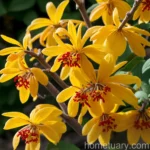
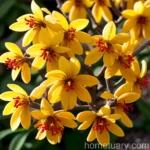
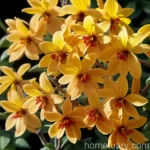
Witch Hazel (Hamamelis x intermedia ‘Doerak’)
Witch hazel, a beautiful and versatile shrub, is a valuable addition to any garden due to its unique characteristics and multiple uses. This article will provide a comprehensive overview of Witch Hazel, focusing on the ‘Doerak’ variety of Hamamelis x intermedia. We will delve into its cultural requirements, uses, care guidelines, propagation methods, common diseases, pests, and provide some fun facts about this fascinating plant.
What is Witch Hazel (Hamamelis x intermedia ‘Doerak’)?
Witch hazel (Hamamelis x intermedia ‘Doerak’) is a deciduous shrub that belongs to the Hamamelidaceae family. This plant is a hybrid of Japanese witch hazel (Hamamelis japonica) and Chinese witch hazel (Hamamelis mollis). The ‘Doerak’ variety is known for its abundant and highly fragrant flowers.
Key Takeaways – Witch Hazel (Hamamelis x intermedia ‘Doerak’)
- Botanical Name: Hamamelis x intermedia ‘Doerak’
- Common Name: Witch Hazel
- Type: Deciduous shrub
- Flower Color: Yellow
- Fragrance: Highly fragrant
- Uses: Ornamental, Medicinal
- Hardiness Zone: 5-8
Culture
Sunlight
Witch hazel thrives in partial shade to full sun. It is essential to provide adequate sunlight for optimal flower production. However, in hotter climates, some afternoon shade can be beneficial to prevent the flowers from fading too quickly.
Water
While witch hazel is relatively drought-tolerant once established, it is crucial to provide consistent moisture, especially during the first year after planting. Deep watering is preferable to frequent shallow watering. Mulching around the base of the plant can help retain soil moisture.
Soil
The ideal soil for witch hazel is well-draining, humus-rich, and slightly acidic (pH 5.5-6.5). Amending the soil with organic matter such as compost can improve drainage and fertility, creating an optimal growing environment for the plant.
Fertilizer
In early spring, before new growth begins, you can apply a balanced, slow-release fertilizer formulated for shrubs according to the package instructions. Avoid fertilizing late in the growing season, as this can stimulate new growth that may be vulnerable to frost damage.
Uses
Witch hazel (Hamamelis x intermedia ‘Doerak’) offers a wide range of uses, from ornamental to medicinal. Its versatility and beauty make it a valuable addition to any landscape.
Ornamental Use
The striking, fragrant flowers of the ‘Doerak’ variety make it a popular choice for ornamental planting. Witch hazel’s vibrant yellow flowers bloom in late winter to early spring, providing a much-needed burst of color and fragrance in the garden when little else is in bloom. Its unique vase-shaped form and attractive foliage also contribute to its ornamental appeal.
Medicinal Use
Apart from its ornamental value, witch hazel has a long history of use in traditional medicine. The bark, leaves, and twigs of the plant are processed to create witch hazel extract, which is known for its astringent and anti-inflammatory properties. It is commonly used in skincare products, such as toners and ointments, for its ability to relieve skin irritations and inflammations.
Witch Hazel Uses
- Ornamental Beauty
- Medicinal Properties
Witch Hazel Benefits
- Fragrant Flowers
- Astringent Properties
Pruning
Pruning is an essential aspect of witch hazel care to maintain its health, shape, and flowering performance.
Pruning Time
The best time to prune witch hazel is just after flowering, typically in late spring or early summer. Pruning at this time allows you to shape the plant and remove any dead, damaged, or crossing branches without compromising the following year’s flower buds.
Pruning Technique
When pruning, focus on removing any undesirable or wayward branches to maintain an open, airy framework. Additionally, removing old, unproductive stems near the base of the shrub can stimulate new growth and improve overall vigor.
Propagation
Propagating witch hazel can be achieved through various methods, including seeds, cuttings, and layering.
Seed Propagation
Witch hazel seeds can be collected from mature seed capsules after they have ripened. Sow the seeds in a well-draining, acidic soil mix in a sheltered outdoor location. Germination can be slow and sporadic, taking anywhere from 12 to 18 months.
Softwood Cuttings
Softwood cuttings taken in late spring to early summer can be rooted in a warm and humid environment. A rooting hormone can be beneficial in promoting successful root development. Once rooted, the young plants can be gradually acclimated to outdoor conditions.
Layering
Layering is a technique in which a low, flexible branch is partially buried in the soil while it is still attached to the parent plant. After some time, the buried portion will develop roots, and the newly rooted plant can be separated and transplanted.
Container Popularity
Witch hazel, including the ‘Doerak’ variety, is well-suited to container cultivation, which allows it to be grown in areas where space is limited or where garden soil conditions are not ideal.
Container Size
Select a container that provides ample room for the plant’s roots to spread. A deep, wide container with drainage holes is essential to ensure proper root development and moisture management.
Soil Mix
Use a well-draining potting mix that is slightly acidic and rich in organic matter. Adding perlite or coarse sand can improve drainage, preventing waterlogged conditions that can be detrimental to the plant.
Maintenance
Container-grown witch hazel may require more frequent watering than those planted in the ground, as pots tend to dry out faster. Regular fertilization during the growing season and occasional root pruning and repotting will help maintain the plant’s health and vitality.
Container Common Diseases
While container cultivation can offer some protection from soil-borne diseases, there are still potential issues to watch out for.
Root Rot
Overwatering and poor drainage in containers can lead to root rot, a fungal infection that can cause the plant to wilt and decline. Preventing overwatering and using well-draining soil can help mitigate this issue.
Leaf Spot
Leaf spot diseases can affect witch hazel, particularly in humid conditions. Avoid overhead watering and ensure good air circulation around the plant to reduce the risk of fungal leaf spot diseases.
Disease Diagnosis
To accurately diagnose and treat diseases in witch hazel, it is crucial to recognize the symptoms and distinguish between common ailments.
Common Diseases
- Root Rot
- Leaf Spot
- Powdery Mildew
Disease Symptoms
- Wilting
- Leaf Spots
- Powdery Residue on Foliage
Disease Management
- Improve Drainage
- Prune Infected Areas
- Use Fungicidal Sprays (if necessary)
Common Pests
While witch hazel is relatively resistant to pests, there are a few potential intruders to be mindful of.
Aphids
Aphids are small, sap-sucking insects that can congregate on the undersides of leaves and cause stunted growth and distorted foliage. They can be removed by a strong jet of water or controlled with insecticidal soap if necessary.
Spider Mites
Spider mites are tiny arachnids that may infest witch hazel, particularly in hot, dry conditions. Spider mite damage often appears as stippled or bronzed foliage. Regularly spraying the plant with water can help deter these pests.
Botanist’s Tips
As a botanist, I have some additional tips for cultivating and caring for Witch Hazel (Hamamelis x intermedia ‘Doerak’).
- When selecting a planting site, consider the mature size of the shrub and allow ample space for its growth.
- Encourage wildlife to your garden by planting witch hazel, as its early bloom time provides a vital nectar source for pollinators.
- Incorporate witch hazel into mixed borders or woodland gardens for a naturalistic and visually appealing display.
Fun Facts
- Witch hazel is one of the few plants that flowers in the winter, providing a welcome surprise during the colder months.
- Native Americans used various parts of the witch hazel plant for medicinal purposes, including treating skin irritations and sore muscles.
- Witch hazel extract is commonly used in skincare products for its astringent and anti-inflammatory properties.
Links to External Resources
For further information on witch hazel and its various uses and benefits, consider exploring the following resources:
- The American Horticultural Society
- The Royal Horticultural Society
- The North American Native Plant Society
- The Herb Society
In conclusion, witch hazel (Hamamelis x intermedia ‘Doerak’) is a delightful and versatile shrub with much to offer to both gardeners and nature enthusiasts. Whether admired for its ornamental beauty, utilized for its medicinal properties, or appreciated for its ecological value, this plant continues to captivate and inspire. By understanding its cultural requirements, uses, and potential challenges, we can foster the growth and well-being of witch hazel in our gardens while gaining a deeper appreciation for its unique qualities.