Witch Hazel (Hamamelis x intermedia ‘Georges’): A Comprehensive Guide
Witch hazel is a unique and versatile shrub that offers not only aesthetic appeal but also a range of medicinal and skincare benefits. This comprehensive guide explores the various aspects of witch hazel, focusing on the ‘Georges’ variety (Hamamelis x intermedia ‘Georges’). From its cultural requirements and uses to propagation techniques and common diseases, this guide aims to provide an in-depth understanding of this fascinating plant.
What is Witch Hazel (Hamamelis x intermedia ‘Georges’)?
Witch hazel (Hamamelis x intermedia ‘Georges’) is a deciduous shrub renowned for its ornamental features and medicinal properties. It is a hybrid of Hamamelis mollis and Hamamelis japonica. The ‘Georges’ variety is specifically prized for its vibrant and fragrant flowers, making it a popular choice for gardens and landscapes.
Key Takeaways – Witch Hazel (Hamamelis x intermedia ‘Georges’)
Before delving into the specifics of witch hazel care and maintenance, it’s important to highlight a few key takeaways about this remarkable plant:
- Scientific Name: Hamamelis x intermedia ‘Georges’
- Common Name: Witch Hazel
- Family: Hamamelidaceae
- USDA Hardiness Zones: 5-8
- Mature Height: 12-15 feet
- Mature Spread: 10-12 feet
- Bloom Time: Late winter to early spring
- Flower Color: Reddish-orange to coppery red
- Fragrance: Sweet and Spicy
- Uses: Ornamental, Medicinal, Skincare
Now, let’s delve into the various aspects of caring for and utilizing witch hazel in different contexts, including culture, uses, water requirements, sunlight preferences, soil considerations, pruning techniques, propagation methods, container gardening, common diseases, pest management, and botanist’s tips.
Culture
Cultivating Hamamelis x intermedia ‘Georges’ requires an understanding of its cultural requirements, including soil type, water needs, and preferred growing conditions.
Soil
Witch hazels thrive in well-drained, acidic to neutral soils. The ideal pH level for optimal growth ranges from 5.5 to 6.5. Additionally, the soil should be rich in organic matter to support the shrub’s development.
For those who need to adjust the pH of their soil, consider using organic amendments such as compost, peat moss, or well-decomposed manure. These materials can improve soil structure and fertility while also aiding in maintaining the appropriate pH levels.
When planting witch hazel, ensure that the soil is loose and aerated, allowing for proper root development and efficient nutrient uptake.
Water
Proper watering is essential for the health and vigor of witch hazel plants, particularly during their establishment phase. While mature witch hazel shrubs are relatively tolerant of dry conditions, they benefit from consistent and moderate watering, especially during periods of prolonged drought.
To determine when to water, monitor the moisture levels in the soil. Thoroughly water the plant when the top 2-3 inches of soil are dry. During hot and dry spells, provide additional irrigation to prevent the soil from drying out excessively.
Avoid overwatering, as soggy soil can lead to root rot and other fungal issues. On the other hand, allowing the soil to dry out completely for extended periods can stress the plant and hinder its growth.
Sunlight
Witch hazel thrives in partial shade to full sun, making it a versatile shrub that can adapt to various light conditions. While it prefers dappled sunlight or partial shade, it can also tolerate full sun, especially in regions with milder summers.
Choose a planting location that receives at least 4-6 hours of sunlight per day. In hotter climates, providing some protection from the intense afternoon sun can benefit the plant and prevent leaf scorching.
Fertilizer
Fertilizing witch hazel is typically necessary only if the soil lacks essential nutrients. A general-purpose, balanced fertilizer with an N-P-K ratio of 10-10-10 or similar can be applied in early spring, just before new growth begins.
Alternatively, you can opt for organic fertilizers such as compost, well-rotted manure, or fish emulsion to provide a gentle and natural nutrient boost to the soil.
Apply the fertilizer according to the manufacturer’s instructions, and ensure that it is worked into the soil around the plant’s root zone. Avoid excessive fertilization, as this can lead to lush foliage at the expense of flower production.
Pruning
Proper pruning is essential for maintaining the shape, size, and overall health of witch hazel shrubs. Pruning should primarily focus on removing dead, damaged, or diseased branches, as well as any crossing or congested growth.
When to Prune
The best time to prune witch hazel is immediately after flowering, typically in late winter or early spring. This timing allows you to shape the plant without sacrificing the following year’s flowers.
Propagation
Propagation of witch hazel can be achieved through several methods, including seed sowing, softwood cuttings, and root cuttings. Each technique offers its own set of advantages and challenges, which can influence the choice of propagation method.
Seed Propagation
Growing witch hazel from seeds is a viable but relatively slow process. It’s essential to collect fresh seeds from mature witch hazel capsules, as they have a higher likelihood of successfully germinating.
After gathering the seeds, sow them in containers filled with a well-draining potting mix. Place the containers in a sheltered outdoor location, where they can experience natural temperature fluctuations. Germination typically occurs within a few months, though it may take longer in certain cases.
Once the seedlings have developed several sets of true leaves, they can be transplanted into individual pots or directly into the desired planting site.
Softwood Cuttings
Softwood cuttings, taken from the new growth of witch hazel stems, offer a more expeditious method of propagation compared to seed sowing. The best time to take softwood cuttings is during the early summer, when the plant’s growth is vigorous and actively producing new shoots.
Select healthy, non-flowering stems and snip them just below a node. Remove the lower leaves, leaving a few at the tip of the cutting, and dip the trimmed end in a rooting hormone to enhance the rooting process.
Plant the cuttings in a well-draining rooting medium, such as a mix of perlite and peat moss, and place them in a sheltered, lightly shaded area. With adequate moisture and warmth, the cuttings should develop roots within a few weeks to a couple of months.
Root Cuttings
Root cuttings offer another effective means of propagating witch hazel, allowing you to create new plants from the shrub’s existing root system. This method is typically performed during the plant’s dormant season in late fall or early spring.
Select healthy, thick roots from the base of the witch hazel shrub, and cut them into 4-6 inch sections. Plant the root cuttings horizontally in a pot or directly in the ground, covering them with a few inches of soil. Keep the soil consistently moist to encourage the development of new shoots from the root cuttings.
Container Gardening
While witch hazel is commonly grown in garden beds and naturalized settings, it can also thrive in containers, making it an excellent choice for patio gardens, urban landscapes, and small outdoor spaces.
Suitable Containers
When selecting a container for witch hazel, opt for one that provides ample room for root development and stability. A large, sturdy container with drainage holes is essential to prevent waterlogged soil, which can lead to root rot and other moisture-related issues.
Choose a high-quality potting mix specifically formulated for woody shrubs and trees, ensuring that it offers good drainage and aeration.
Care and Maintenance
Container-grown witch hazel requires regular watering to maintain consistent soil moisture levels. During hot and dry periods, monitor the moisture levels closely and water the plant whenever the soil begins to dry out.
Fertilize containerized witch hazel sparingly, using a balanced, slow-release fertilizer formulated for woody plants. Follow the manufacturer’s recommendations for application rates and frequency to avoid overfertilization.
Uses
The versatility of witch hazel extends beyond its aesthetic appeal, as the plant offers a range of uses in the realms of medicinal applications, skincare, and decorative purposes.
Medicinal Uses
Witch hazel has long been valued for its medicinal properties, particularly for its astringent and anti-inflammatory qualities. It is commonly used in natural remedies to treat various skin conditions, including acne, eczema, and bug bites. Additionally, witch hazel is known for its soothing effects on irritated or inflamed skin, making it a popular ingredient in skincare products and ointments.
Skincare
As a natural skincare ingredient, witch hazel is celebrated for its ability to cleanse, tone, and tighten the skin. It is often used in facial toners, cleansers, and astringents, offering gentle yet effective benefits for various skin types.
Decorative Purposes
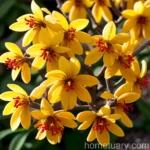
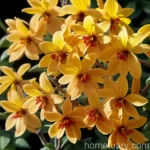
In addition to its practical uses, witch hazel serves as a striking ornamental plant that adds visual interest to landscapes and gardens. The vibrant, spidery blooms of Hamamelis x intermedia ‘Georges’ contribute a touch of color and fragrance to the late winter and early spring gardens, bridging the gap between seasons.
Common Diseases
While witch hazel is generally resilient and relatively disease-resistant, it can be susceptible to certain fungal infections and environmental stressors that can compromise its health.
Disease Diagnosis
It is essential to monitor the plant for any signs of disease or stress, including leaf spots, wilting, unusual discoloration, or abnormal growth patterns. Common fungal diseases that may affect witch hazel include powdery mildew, leaf spot, and canker diseases.
Disease Management
To mitigate the risk of fungal diseases, practice good garden sanitation by removing fallen leaves and debris from around the shrub. Additionally, ensure proper air circulation by spacing plants adequately and avoiding overcrowding. If necessary, fungicidal treatments approved for ornamental shrubs can be applied according to the manufacturer’s instructions.
Common Pests
Witch hazel is generally resistant to most pests, but it can occasionally be targeted by certain insects, such as aphids, scale insects, and spider mites.
Pest Identification
Regular inspection of the plant can help in identifying potential pest infestations. Look for signs of insect activity, including stippling on leaves, sticky honeydew residue, or the presence of visible pests on the foliage and stems.
Pest Management
Natural predators, such as ladybugs and lacewings, can help control aphid and mite populations. In cases of severe infestations, insecticidal soaps or horticultural oils specifically formulated for controlling these pests can be used judiciously.
Botanist’s Tips
To ensure the successful cultivation of Hamamelis x intermedia ‘Georges’, consider the following botanist’s tips for optimal plant care and maintenance:
- Select a planting site with well-drained, fertile soil and partial shade to full sun exposure.
- Provide supplemental watering during dry spells to maintain consistent soil moisture.
- Prune witch hazel immediately after flowering to maintain its shape and promote healthy growth.
- Propagate witch hazel through seed sowing, softwood cuttings, or root cuttings to expand your plant collection or share it with others.
- Keep an eye out for signs of disease or pest infestations, and take proactive measures to mitigate potential issues.
Fun Facts
- Witch hazel is sometimes referred to as “winterbloom” due to its ability to produce vibrant flowers during the late winter and early spring months.
- In addition to its applications in skincare and medicinal products, witch hazel is also used as an ingredient in herbal remedies and tinctures.
- The bark and leaves of witch hazel were historically used by Native American communities for various purposes, including the treatment of skin irritations and minor wounds.
Links to External Resources
For further information on witch hazel (Hamamelis x intermedia ‘Georges’) and related topics, consider exploring the following external resources:
- American Horticultural Society: Witch Hazels
- Royal Horticultural Society: Hamamelis × intermedia
- University of Maryland Medical Center: Witch Hazel
- The Morton Arboretum: Witch Hazel Varieties
In conclusion, witch hazel (Hamamelis x intermedia ‘Georges’) is a remarkable plant that offers a blend of ornamental beauty, medicinal properties, and skincare benefits. By understanding its cultural requirements, propagation techniques, and potential uses, you can fully appreciate the multifaceted nature of this captivating shrub. Whether you seek to enhance your garden with colorful blooms, harness its natural remedies, or simply admire its seasonal charm, witch hazel remains a valuable addition to any landscape or collection of plants.