Witch Hazel (Hamamelis x intermedia ‘Feuerzauber’ FIRE CHARM)
Witch hazel (Hamamelis x intermedia ‘Feuerzauber’ FIRE CHARM) is a captivating and versatile shrub known for its striking flowers and medicinal properties. In this comprehensive guide, we will explore the cultural aspects, uses, care requirements, propagation methods, common diseases, and pest control measures for this fascinating plant. Whether you’re a seasoned gardener or a novice enthusiast, this article will provide valuable insights into the world of witch hazel and equip you with the knowledge to cultivate and appreciate this beautiful species.

What is Witch Hazel (Hamamelis x intermedia ‘Feuerzauber’ FIRE CHARM)?
Witch hazel, scientifically known as Hamamelis x intermedia ‘Feuerzauber’ FIRE CHARM, is a deciduous shrub that belongs to the Hamamelidaceae family. It is a hybrid plant that results from the crossbreeding of Hamamelis mollis and Hamamelis japonica. This exquisite shrub is renowned for its vibrant and fiery blooms, which add a splash of color to late winter and early spring landscapes. The unique combination of its ornamental appeal and therapeutic properties has made witch hazel a popular choice among gardeners and herbal medicine practitioners.
The distinctive characteristics of witch hazel include:
-
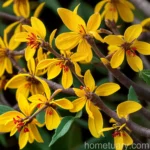
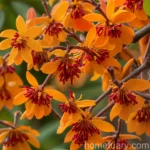
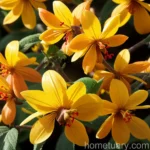
Flowers: The flowers of witch hazel are one of its most remarkable features. They appear in late winter or early spring when the rest of the garden may still be immersed in a wintry slumber. The petals are a deep red or crimson hue, creating a visually stunning display.
-
Medicinal Uses: Witch hazel has been valued for centuries for its medicinal properties. The bark and leaves of the plant are used to extract an astringent and anti-inflammatory substance that is used in various skincare products and traditional medicine.
-
Foliage: In addition to its vibrant blooms, witch hazel also boasts attractive foliage. The serrated leaves emerge after the flowers and transition through various shades of green, adding to the plant’s visual appeal throughout the growing season.
Key Takeaways – Witch Hazel (Hamamelis x intermedia ‘Feuerzauber’ FIRE CHARM)
Before delving into the intricate details of cultivating and caring for witch hazel, let’s summarize the key takeaways associated with this remarkable plant:
-
Vibrant Blooms: The fiery red flowers of witch hazel make it an eye-catching addition to any garden, particularly during the late winter and early spring months.
-
Medicinal Properties: Witch hazel has a long history of use in traditional medicine and skincare products due to its astringent and anti-inflammatory properties.
-
Deciduous Shrub: As a deciduous shrub, witch hazel undergoes seasonal changes, providing visual interest throughout the year.
Now, let’s explore the various aspects of caring for witch hazel, including its cultural preferences, uses, and propagation methods.
Culture
In order to cultivate a thriving witch hazel, it’s essential to understand its cultural requirements, including its preferred growing conditions, water needs, sunlight exposure, and soil preferences.
Water
Witch hazel thrives in moist but well-drained soil. During the establishment phase, it’s crucial to ensure that the plant receives an adequate amount of water to support root development. However, once established, witch hazel demonstrates a degree of drought tolerance and does not require excessive watering.
Key Points:
-
Establishment Phase: Water young witch hazel plants regularly to facilitate root development.
-
Drought Tolerance: Once mature, witch hazel exhibits resilience to periods of reduced water availability.
Sunlight
As a deciduous shrub, witch hazel flourishes in partial shade to full sun. It benefits from receiving at least four to six hours of sunlight per day, which is essential for promoting healthy growth and abundant flowering.
Key Points:
-
Partial Shade: Witch hazel can thrive in areas with partial shade, making it suitable for diverse garden settings.
-
Sun Requirements: Provide the plant with adequate sunlight to encourage robust blooming and foliage display.
Fertilizer
When it comes to fertilizing witch hazel, a balanced, slow-release fertilizer formulated for woody plants can be applied in early spring before new growth emerges. Avoid excessive fertilization, as witch hazel does not have high nutrient requirements and can flourish in moderately fertile soil.
Key Points:
-
Balanced Fertilizer: Use a balanced, slow-release fertilizer to provide essential nutrients without overwhelming the plant with excessive growth stimulation.
-
Moderate Fertility: Witch hazel can thrive in moderately fertile soil with minimal supplemental feeding requirements.
Soil
Witch hazel prefers moist, acidic to neutral soil with good drainage. It is adaptable to a range of soil types, including sandy loam and clay, as long as the soil is not waterlogged.
Key Points:
-
Acidic to Neutral Soil: Choose a planting location with soil that ranges from slightly acidic to neutral pH for optimal growth.
-
Drainage: Ensure that the soil has adequate drainage to prevent waterlogging, which can be detrimental to the plant’s health.
Uses
Witch hazel possesses a diverse range of uses, encompassing both ornamental and practical applications. Understanding the various ways in which witch hazel can be utilized will allow you to fully appreciate the versatility of this extraordinary plant.
Ornamental Purposes
As an ornamental shrub, witch hazel adds an element of drama and color to gardens, particularly during the late winter and early spring months. Its fiery blooms serve as a beacon of hope during the transitional periods between winter and spring, infusing the landscape with vivacious hues.
Key Points:
-
Winter Interest: Witch hazel’s late winter flowering period adds visual interest to gardens when many other plants remain dormant.
-
Landscape Enhancement: Incorporate witch hazel into garden designs to introduce vibrant bursts of color and striking foliage.
Medicinal and Skincare Applications
The medicinal properties of witch hazel have been recognized for centuries. The bark and leaves of the plant contain tannins and polyphenols, which contribute to its astringent and anti-inflammatory characteristics. Witch hazel extract is commonly used in skincare products, ointments, and natural remedies for various skin conditions.
Key Points:
-
Astringent Properties: Witch hazel extract is valued for its ability to tighten and tone the skin, making it a popular ingredient in toners and astringent solutions.
-
Anti-Inflammatory Benefits: The soothing properties of witch hazel make it a preferred choice for alleviating skin irritation and inflammation.
Pruning
Proper pruning is essential for maintaining the health, shape, and flowering potential of witch hazel. By employing the correct pruning techniques, you can enhance the plant’s aesthetic appeal and encourage vigorous growth.
Timing
Prune witch hazel immediately after flowering, typically in late spring or early summer. This timing allows you to shape the plant and remove any dead, damaged, or crossing branches without impeding the development of next year’s flower buds.
Key Points:
- Post-Flowering Pruning: Conduct pruning activities soon after the plant has finished flowering to avoid disrupting the formation of new flower buds.
Method
When pruning witch hazel, focus on the removal of dead or diseased wood, as well as the thinning of older branches to facilitate air circulation and light penetration. Additionally, you can shape the shrub to maintain an open and balanced structure.
Key Points:
-
Selective Pruning: Target dead, damaged, or overcrowded branches for removal to promote overall plant health.
-
Shaping: Trim the shrub to achieve a well-balanced form and encourage new growth from the base.
Propagation
The propagation of witch hazel can be achieved through several methods, including seed propagation, hardwood cuttings, and grafting. Each approach offers distinct advantages and considerations, allowing you to choose the most suitable method based on your preferences and resources.
Hardwood Cuttings
Propagating witch hazel using hardwood cuttings involves collecting mature, woody stems from the parent plant and propagating them in a controlled environment to encourage root development.
Key Points:
-
Collecting Cuttings: Obtain hardwood cuttings from the previous year’s growth, ensuring that they are healthy and free from diseases.
-
Propagation Environment: Create a conducive environment for rooting, such as a well-draining rooting medium and consistent moisture levels.
Grafting
Grafting is a method of propagation that involves attaching a stem or bud from a desirable witch hazel cultivar onto a compatible rootstock. This technique allows you to preserve the unique characteristics of a specific variety.
Key Points:
-
Compatibility: Select a rootstock that is compatible with the chosen witch hazel variety to ensure successful union and long-term growth.
-
Vigilant Care: Monitor the grafted plants closely to prevent the development of graft incompatibility issues.
Container Popularity
Witch hazel is well-suited for cultivation in containers, making it an attractive option for individuals with limited garden space or those seeking to adorn patios, balconies, or terraces with ornamental shrubs.
Key Points:
-
Space Optimization: Container-grown witch hazel allows you to maximize space utilization and create captivating focal points in outdoor settings.
-
Portability: The mobility of container plants enables you to move them to favorable locations based on seasonal requirements or aesthetic considerations.
Common Diseases
Witch hazel is generally resistant to most common diseases; however, certain environmental conditions or cultural practices can predispose the plant to specific ailments. By familiarizing yourself with potential diseases and their management, you can safeguard the health and vitality of your witch hazel.
Canker
Canker is a fungal disease that causes the formation of sunken, discolored lesions on the stems of the plant. It is often associated with overly moist conditions and can be managed through diligent sanitation and cultural adjustments.
Key Points:
-
Sanitation Practices: Remove and dispose of infected plant material to prevent the spread of canker within the garden.
-
Proper Air Circulation: Enhance air movement around the plant to discourage the development of fungal diseases.
Powdery Mildew
Powdery mildew manifests as a white, powdery growth on the leaves of the plant, resulting in distorted foliage and reduced aesthetic appeal. Adequate air circulation and preventive fungicidal applications can mitigate the impact of powdery mildew.
Key Points:
-
Fungicidal Treatment: Utilize appropriate fungicidal products to combat powdery mildew and protect the plant from further infection.
-
Airflow Optimization: Position the plant in an area with good air circulation to create an unfavorable environment for mildew development.
Disease Diagnosis
Accurate diagnosis of plant diseases is essential for implementing targeted management strategies and preventing the escalation of the issue. When assessing the health of witch hazel, it’s important to be adept at identifying common diseases and distinguishing them from non-pathogenic factors.
Visual Symptoms
Carefully observe the plant for any visual abnormalities, such as unusual spots, lesions, discoloration, or malformations. Document the appearance and location of the symptoms to facilitate accurate diagnosis.
Key Points:
-
Symptom Description: Note the color, texture, and distribution of any visible symptoms to aid in disease identification.
-
Temporal Patterns: Monitor the progression of symptoms over time to discern any patterns or changes in severity.
Common Pests
While witch hazel is relatively resistant to pest infestations, certain insects may pose occasional threats to the plant’s health. Familiarizing yourself with common pests and their associated symptoms will enable you to detect and address issues promptly.
Aphids
Aphids are small, soft-bodied insects that feed on the sap of plants, including witch hazel. Their presence can lead to stunted growth, distorted foliage, and the secretion of honeydew.
Key Points:
-
Natural Predators: Encourage the presence of natural aphid predators, such as ladybugs and lacewings, to maintain aphid populations in check.
-
Insecticidal Soap: Use insecticidal soap as a targeted treatment for aphid control, minimizing the impact on beneficial insects.
Scale Insects
Scale insects are notorious for their immobile, protective shells that shield them from traditional pesticide applications. They can cause wilting, yellowing of leaves, and overall decline in plant vigor if left unmanaged.
Key Points:
-
Mechanical Removal: Gently scrub the scales off the plant using a soft brush or cloth to reduce the infestation.
-
Horticultural Oil: Employ horticultural oil applications during the dormant season to suffocate and eliminate scale insects.
Botanist’s Tips
To enrich your experience with witch hazel and optimize its growth and vitality, consider implementing the following botanist’s tips:
-
Soil Amendment: Incorporate organic matter, such as compost or well-rotted manure, into the soil prior to planting to enhance fertility and structure.
-
Mulching: Apply a layer of organic mulch around the base of the shrub to conserve soil moisture, regulate temperature, and suppress weed growth.
-
Observant Monitoring: Regularly inspect the plant for any signs of stress, disease, or pest activity, intervening promptly when necessary.
Fun Facts
Discover some intriguing and captivating facts about witch hazel:
-
Historical Significance: Native Americans have long utilized witch hazel for its medicinal properties, employing it as a remedy for various ailments.
-
Landscape Beauty: In addition to its ornamental value, witch hazel serves as an essential nectar source for pollinators, contributing to ecosystem sustainability.
-
Winter Fragrance: Some varieties of witch hazel emit a subtle, sweet fragrance, adding another sensory dimension to their allure.
Links to External Resources
To deepen your understanding of witch hazel and explore additional insights, refer to the following external resources: