Witch Hazel (Hamamelis x intermedia ‘Aphrodite’) – A Comprehensive Guide
Witch hazel, specifically Hamamelis x intermedia ‘Aphrodite’, is a captivating and versatile plant that is gaining popularity due to its unique characteristics and various uses. In this comprehensive guide, we will explore the culture, uses, care requirements, propagation, common diseases, and fun facts about this intriguing plant. Whether you are a seasoned gardener or a novice plant enthusiast, this guide will provide valuable insights into the world of witch hazel.
What is Witch Hazel (Hamamelis x intermedia ‘Aphrodite’)?
Witch hazel (Hamamelis x intermedia ‘Aphrodite’) is a deciduous shrub that belongs to the Hamamelidaceae family, which is native to North America and Asia. It is a hybrid between Hamamelis japonica and Hamamelis mollis, and ‘Aphrodite’ is a particular cultivar known for its exceptional properties.
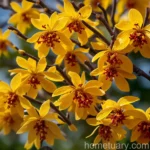
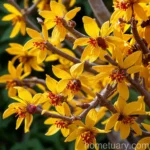
The witch hazel plant is renowned for its striking ornamental features, including vibrant and fragrant flowers that bloom in late winter to early spring, captivating foliage that undergoes stunning color changes throughout the year, and its distinctive medicinal and skincare uses.
Key Takeaways – Witch Hazel (Hamamelis x intermedia ‘Aphrodite’)
Witch hazel (Hamamelis x intermedia ‘Aphrodite’) offers a myriad of benefits and uses, making it a valuable addition to any garden or landscape. Here are the key takeaways about this fascinating plant:
- Captivating floral display in late winter to early spring
- Unique foliage that undergoes color changes in autumn
- Medicinal and skincare properties, including astringent and anti-inflammatory characteristics
- Drought-resistant and adaptable to various soil and light conditions
- Versatile uses in landscaping, including as a focal point or a natural dye source
- Attracts pollinators and provides habitat for wildlife
Now, let’s delve deeper into the various aspects of witch hazel care and cultivation.
Culture
The culture of Witch Hazel (Hamamelis x intermedia ‘Aphrodite’) encompasses its natural habits, growth requirements, and overall behavior in different environmental conditions. Understanding its culture is essential for providing optimal care and ensuring the plant thrives.
Uses
Witch hazel has a wide range of uses, ranging from medicinal and skincare applications to ornamental and landscaping purposes. These versatile uses make it a valuable addition to any garden or landscape.
Water
Proper watering is crucial for the health and vitality of witch hazel. Understanding its water requirements is essential for avoiding water stress and ensuring optimal growth.
Sunlight
Sunlight plays a critical role in the development and flowering of witch hazel. Knowing its sunlight preferences is essential for selecting the right planting location and ensuring abundant blooms.
Fertilizer
Fertilizing witch hazel can contribute to its overall health and vigor, promoting robust growth and abundant flowering. Understanding its fertilizer needs is essential for providing adequate nutrients.
Soil
The soil requirements of witch hazel influence its overall growth and performance. Understanding its soil preferences is crucial for selecting the right planting site and ensuring optimal conditions for the plant.
Pruning
Pruning is an integral part of witch hazel care, influencing its shape, size, and flowering performance. Knowing the best practices for pruning is essential for maintaining a healthy and attractive plant.
Propagation
Understanding the propagation methods for witch hazel is valuable for expanding its presence in the garden or landscape. Exploring different propagation techniques can offer opportunities for multiplying this captivating plant.
Container Popularity
Witch hazel’s adaptability to container gardening makes it a popular choice for adding charm and color to outdoor spaces. Understanding its suitability for containers is essential for successful cultivation.
Container Common Diseases
Despite its resilience, witch hazel is susceptible to certain diseases that can affect its health and appearance. Identifying common diseases and their management is crucial for maintaining a thriving plant.
Disease Diagnosis
Accurately diagnosing diseases in witch hazel is essential for implementing effective control and management strategies. Understanding the symptoms and causes of common diseases is crucial for maintaining plant health.
Common Pests
Pests can pose a threat to the well-being of witch hazel, affecting its growth and flowering. Identifying common pests and implementing appropriate pest control measures is essential for protecting the plant.
Botanist’s Tips
Insights from botanists can offer valuable guidance for successfully cultivating and caring for witch hazel. Understanding expert tips and recommendations can enhance the overall gardening experience.
Fun Facts
Discovering fascinating and lesser-known facts about witch hazel can deepen your appreciation for this remarkable plant. Exploring its unique characteristics and contributions to various fields can be both educational and entertaining.
Links to External Resources
External resources provide additional information and insights into the world of witch hazel, offering diverse perspectives and valuable knowledge for plant enthusiasts.
Conclusion
Witch hazel (Hamamelis x intermedia ‘Aphrodite’) stands out as a captivating and multifaceted plant, offering captivating ornamental features, medicinal and skincare properties, and versatile uses in landscaping. By understanding its culture, care requirements, propagation methods, common diseases, and fun facts, plant enthusiasts can deepen their appreciation for this remarkable plant and cultivate it successfully in their gardens and landscapes.
Keywords: Witch hazel plant, Aphrodite witch hazel, Hamamelis intermedia Aphrodite, Witch hazel tree, Witch hazel shrub, Hamamelis x intermedia, Aphrodite witch hazel variety, Witch hazel cultivation, Witch hazel care, Witch hazel pruning, Witch hazel flowers, Witch hazel uses, Witch hazel medicinal properties, Witch hazel skincare, Witch hazel benefits, Witch hazel extract, Witch hazel fragrance, Witch hazel for acne, Witch hazel for hair, Witch hazel for scalp, Witch hazel for itching, Witch hazel natural remedy, Witch hazel astringent, Witch hazel toner, Witch hazel for inflammation, Witch hazel for wounds, Witch hazel for hemorrhoids, Witch hazel for varicose veins, Witch hazel for sunburn, Witch hazel for poison ivy, Witch hazel for bug bites, Witch hazel landscaping, Witch hazel garden design, Witch hazel pruning tips, Witch hazel in winter, Witch hazel fall foliage, Witch hazel pollinators, Witch hazel wildlife habitat, Witch hazel planting guide, Witch hazel soil requirements, Witch hazel sun exposure, Witch hazel shade tolerance, Witch hazel drought resistance, Witch hazel disease prevention, Witch hazel pest control, Witch hazel companion plants, Witch hazel garden ideas, Witch hazel landscape uses, Witch hazel native habitat, Witch hazel natural dye