Witch Hazel (Hamamelis ‘KLM NN’ Grape Fizz) – A Comprehensive Guide
Plants have been an integral part of human life for centuries, serving various purposes such as food, medicine, and ornamental beauty. Among the diverse flora, witch hazel (Hamamelis ‘KLM NN’ Grape Fizz) stands out due to its striking appearance, unique properties, and versatile uses. This comprehensive guide delves into the depths of witch hazel, exploring its culture, uses, care, and more.
What is Witch Hazel (Hamamelis ‘KLM NN’ Grape Fizz)?
Witch hazel, scientifically known as Hamamelis, is a genus of flowering plants in the family Hamamelidaceae. The variety ‘KLM NN’ Grape Fizz is a captivating cultivar of witch hazel, prized for its vibrant flowers and exceptional qualities. This deciduous shrub boasts an array of mesmerizing features, making it a valuable addition to gardens, landscapes, and skincare routines.
Key Takeaways – Witch Hazel (Hamamelis ‘KLM NN’ Grape Fizz)
Before delving into the specifics of witch hazel (Hamamelis ‘KLM NN’ Grape Fizz), let’s explore some key takeaways about this remarkable plant:
- Witch hazel (Hamamelis ‘KLM NN’ Grape Fizz) is a cultivar of the Hamamelis genus, renowned for its vibrant and fragrant flowers.
- This variety, ‘KLM NN’ Grape Fizz, offers various benefits, including ornamental beauty, medicinal properties, and skincare uses.
- It requires specific cultural conditions, such as adequate watering, sunlight, and soil requirements, to thrive and showcase its full potential.
- Witch hazel is susceptible to certain diseases and pests, requiring diligent care and attention to ensure its health and vitality.
Now, let’s embark on a comprehensive journey to uncover the allure of witch hazel (Hamamelis ‘KLM NN’ Grape Fizz).
Culture of Witch Hazel (Hamamelis ‘KLM NN’ Grape Fizz)
Understanding the cultural requirements of witch hazel is paramount to its successful growth and development. From water needs to soil preferences, each aspect plays a crucial role in nurturing this captivating plant.
Water
Witch hazel thrives in moist, well-drained soils, requiring regular watering, especially during dry spells or periods of drought. Adequate moisture is essential during the plant’s establishment and flowering periods to support its growth and maintain its health.
Sunlight
The Grape Fizz witch hazel variety flourishes in partial to full sunlight, preferably in locations with dappled shade. While it can tolerate some shade, providing ample sunlight ensures prolific flowering and overall vigor.
Soil
Well-drained, acidic to slightly alkaline soils provide an ideal growing medium for witch hazel. It is crucial to avoid waterlogged or compacted soils, as they can impede root development and lead to detrimental consequences for the plant’s health.
Uses of Witch Hazel (Hamamelis ‘KLM NN’ Grape Fizz)
Witch hazel (Hamamelis ‘KLM NN’ Grape Fizz) offers a myriad of uses, ranging from ornamental purposes to medicinal and skincare applications. Its versatility makes it an invaluable addition to various settings, including gardens, landscapes, and personal care routines.
Ornamental Beauty
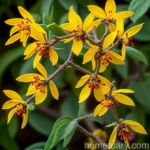
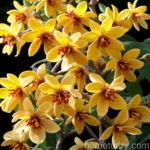
The Grape Fizz witch hazel showcases its enchanting features through its vibrant, spidery flowers that bloom in late winter to early spring. The distinct coloration and delicate fragrance of its flowers make it a captivating sight in gardens and landscapes, providing an early burst of color and interest.
Medicinal Properties
Witch hazel possesses a long history of medicinal use, particularly in traditional herbal remedies. It is renowned for its astringent and anti-inflammatory properties, making it a valuable ingredient in skincare products, topical treatments, and home remedies for various skin conditions.
Skincare Applications
From toners and cleansers to ointments and soaps, witch hazel serves as a versatile skincare ingredient. It is lauded for its ability to soothe irritated skin, alleviate inflammation, and promote overall skin health, making it a popular choice in natural and holistic skincare routines.
Fertilizer for Witch Hazel (Hamamelis ‘KLM NN’ Grape Fizz)
Providing appropriate nutrition to witch hazel is essential for fostering its growth and enhancing its ornamental and functional qualities. A well-balanced fertilizer regimen supports the plant’s nutritional needs and promotes its overall vigor.
Fertilization Schedule
Witch hazel benefits from a regular fertilization schedule, with applications in early spring before new growth emerges. A slow-release, balanced fertilizer formulated for woody plants is recommended to provide sustained nourishment throughout the growing season.
Application Method
Applying the fertilizer evenly around the base of the plant and gently incorporating it into the soil surface ensures efficient nutrient uptake. Care should be taken to avoid direct contact with the plant’s trunk or stems to prevent potential damage.
Pruning Witch Hazel (Hamamelis ‘KLM NN’ Grape Fizz)
Pruning plays a pivotal role in maintaining the health, shape, and flowering performance of witch hazel. Proper pruning techniques ensure the plant’s longevity and aesthetic appeal, while also facilitating air circulation and light penetration within the canopy.
Pruning Time
Pruning witch hazel is best done immediately after flowering, allowing for the removal of spent blooms and the shaping of the plant’s structure without compromising its ability to set flower buds for the following year.
Pruning Techniques
The removal of dead, damaged, or crossing branches, as well as any excessive growth, promotes the plant’s overall health and appearance. Care should be taken to maintain the plant’s natural form while addressing any necessary adjustments.
Propagation of Witch Hazel (Hamamelis ‘KLM NN’ Grape Fizz)
Propagation enables the expansion of witch hazel populations and the preservation of desirable cultivars such as ‘KLM NN’ Grape Fizz. Several methods can be employed to propagate witch hazel, allowing for the creation of new plants with identical characteristics to the parent plant.
Propagation by Seeds
While viable seeds can be collected from mature witch hazel fruits, the process is somewhat challenging due to the plant’s slow growth from seed and the variability in the resulting offspring. Nonetheless, seed propagation remains a viable option for obtaining new witch hazel plants.
Propagation by Cuttings
Utilizing semi-hardwood cuttings taken during the summer months offers a reliable method for propagating witch hazel. By employing proper techniques and providing a conducive environment, these cuttings can develop into healthy, established plants with traits consistent with the parent.
Growing Witch Hazel (Hamamelis ‘KLM NN’ Grape Fizz) in Containers
The versatility of witch hazel extends to container cultivation, allowing it to thrive in confined spaces such as patios, balconies, and urban gardens. Conscientious care and considerations are essential for successful container growth of this captivating plant.
Container Selection
Choosing a spacious, well-draining container is essential for accommodating the development of the plant’s root system and ensuring its stability. Additionally, selecting a container with adequate drainage holes facilitates proper water management, preventing waterlogged conditions.
Soil Mix
A well-aerated, moisture-retentive soil mix formulated for woody plants provides an ideal growing medium for potted witch hazel. The mix should promote root health and discourage compacting, fostering the plant’s growth and vitality within the container.
Sunlight and Watering
Strategic placement of the container to provide partial to full sunlight and regular monitoring of soil moisture are key considerations for nurturing container-grown witch hazel. Adequate sunlight exposure and consistent watering help maintain the plant’s health and promote robust flowering.
Popularity of Witch Hazel (Hamamelis ‘KLM NN’ Grape Fizz)
The allure of witch hazel, particularly the ‘KLM NN’ Grape Fizz variety, has garnered widespread popularity among gardeners, landscapers, and skincare enthusiasts. Its distinctive attributes and multifaceted uses contribute to its appeal and desirability in various settings.
Garden and Landscape Settings
Witch hazel’s early bloom time, exceptional fragrance, and vibrant flowers make it an attractive choice for enlivening winter and early spring landscapes. Its adaptability to different soil types and moderate maintenance requirements further enhance its popularity in garden designs.
Skincare and Wellness
The skincare industry’s emphasis on natural and effective ingredients has propelled witch hazel to the forefront as a beneficial component in various skincare products and remedies. Its astringent and soothing properties make it a sought-after ally for promoting skin health and addressing common concerns.
Common Diseases of Witch Hazel (Hamamelis ‘KLM NN’ Grape Fizz)
Despite its resilience, witch hazel is susceptible to certain diseases and ailments that can impact its growth and vitality. Familiarizing oneself with these common issues enables prompt identification and effective intervention to mitigate their effects.
Powdery Mildew
Powdery mildew, characterized by a white powdery coating on the plant’s foliage, can afflict witch hazel, particularly in conditions of high humidity and poor air circulation. Proper siting and cultural practices can help minimize the risk of powdery mildew.
Witch Hazel Blight
This fungal disease affects the plant’s twigs and branches, causing dieback and browning of the affected areas. Pruning and removing infected plant parts can aid in managing the spread of witch hazel blight and preserving the plant’s overall health.
Disease Diagnosis and Management
Effective disease management involves accurate diagnosis and the implementation of appropriate control measures to safeguard the health and vitality of witch hazel. Timely interventions and preventive strategies play a critical role in mitigating the impact of diseases.
Visual Symptoms
Visual observation of the plant’s foliage, stems, and overall appearance can provide valuable clues regarding potential diseases or health issues. Familiarizing oneself with typical symptoms aids in the early detection and diagnosis of problems.
Integrated Pest and Disease Management
Employing integrated pest and disease management strategies, including cultural practices, biological control, and targeted treatments, offers a comprehensive approach to maintaining the plant’s resilience and minimizing the impact of pests and diseases.
Common Pests Affecting Witch Hazel (Hamamelis ‘KLM NN’ Grape Fizz)
Pests can pose challenges to the health and aesthetics of witch hazel, necessitating vigilance and proactive measures to prevent and manage infestations. Understanding the common pests affecting the plant is pivotal in establishing effective pest control strategies.
Aphids
Aphids, small sap-sucking insects, can infest witch hazel, causing leaf distortion, honeydew secretion, and overall decline in plant vigor. Regular monitoring and early intervention help prevent widespread infestations and minimize damage.
Spider Mites
Spider mites, characterized by their webbing and stippled appearance on leaves, can target witch hazel, particularly in hot, dry conditions. Maintaining adequate humidity and utilizing natural predators of spider mites aid in mitigating their impact.
Botanist’s Tips for Witch Hazel (Hamamelis ‘KLM NN’ Grape Fizz)
Drawing from botanical expertise and practical experience, the following tips offer valuable guidance for cultivating and caring for witch hazel (Hamamelis ‘KLM NN’ Grape Fizz) to maximize its ornamental and functional potential.
Tip 1: Select an Ideal Planting Site
Prior to planting witch hazel, carefully evaluate and prepare the site to ensure it meets the plant’s cultural requirements, including sunlight exposure, soil type, and drainage characteristics.
Tip 2: Implement Prudent Pruning Practices
Adopt a prudent approach to pruning witch hazel, focusing on the removal of dead or excessive growth while preserving the plant’s natural form and ensuring optimal flowering.
Tip 3: Embrace Natural Pest Control
Encouraging natural pest predators, such as ladybugs and lacewings, in the garden aids in managing pest populations and minimizing the need for chemical interventions.
Tip 4: Monitor Soil Moisture
Regularly monitor soil moisture levels and provide adequate irrigation, particularly during dry periods, to support the plant’s growth and flowering.
Fun Facts About Witch Hazel (Hamamelis ‘KLM NN’ Grape Fizz)
Uncover the intriguing and delightful aspects of witch hazel through the following fun facts, shedding light on its unique characteristics and captivating allure.
- Witch hazel is esteemed for its winter-blooming flowers, which emerge in clusters and exude a delicate, spicy fragrance, enriching the garden with early seasonal interest.
- The astringent properties of witch hazel have long been harnessed for various uses, including skincare applications, medicinal formulations, and antiseptic solutions.
- Witch hazel’s botanical name, Hamamelis, originates from the Greek words ‘hama’ (together) and ‘melon’ (fruit), alluding to the simultaneous occurrence of flowers and fruits on the plant.
Links to External Resources
Discover further insights, guidance, and resources on witch hazel (Hamamelis ‘KLM NN’ Grape Fizz) by exploring the following links:
- The Royal Horticultural Society – Witch Hazel
- University of Maryland Medical Center – Witch Hazel
- American Society for the Prevention of Cruelty to Animals – Plants Toxic to Animals: Witch Hazel
In conclusion, the captivating allure and multifaceted uses of witch hazel (Hamamelis ‘KLM NN’ Grape Fizz) render it a cherished addition to gardens, landscapes, and skincare routines. By understanding its culture, uses, care practices, and potential challenges, enthusiasts and cultivators can unlock the full potential of this enchanting plant, adorning their surroundings with its vibrant beauty and reaping its functional benefits. Embrace the allure of witch hazel and witness its transformative impact in various facets of life.
Keywords: Witch hazel plant, Witch hazel shrub, Hamamelis ‘KLM NN’ Grape Fizz, Witch hazel variety, Hamamelis cultivar, Grape Fizz witch hazel, Witch hazel tree, Witch hazel flowers, Witch hazel benefits, Witch hazel uses, Witch hazel skincare, Witch hazel properties, Witch hazel care, Witch hazel pruning, Witch hazel gardening, Witch hazel in landscaping, Witch hazel for winter interest, Witch hazel for fall color, Witch hazel plant for shade, Witch hazel plant for sun, Witch hazel fragrance, Witch hazel medicinal properties, Witch hazel natural remedy, Witch hazel astringent, Witch hazel for acne, Witch hazel for skincare routine, Witch hazel for inflammation, Witch hazel for bug bites, Witch hazel for sunburn, Witch hazel for eczema, Witch hazel for hair care, Witch hazel for scalp health, Witch hazel for dandruff, Witch hazel for dry skin, Witch hazel for oily skin, Witch hazel for pores, Witch hazel for toning, Witch hazel for sensitive skin, Witch hazel for anti-aging, Witch hazel for dark spots, Witch hazel for blemishes, Witch hazel companion plants, Witch hazel garden design, Witch hazel as a focal point, Witch hazel landscape ideas, Witch hazel plant care tips, Witch hazel plant diseases, Witch hazel gardening techniques, Witch hazel pruning guide, Witch hazel plant propagation