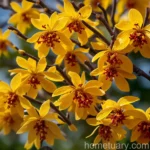
Chinese Witch Hazel (Hamamelis mollis ‘Jermyns Gold’) – A Comprehensive Plant Guide
Chinese witch hazel, scientifically known as Hamamelis mollis ‘Jermyns Gold’, is an exquisite ornamental shrub known for its vibrant golden yellow flowers that bloom in late winter. This plant is a member of the Hamamelidaceae family and is native to China. Its striking appearance, coupled with its versatility, makes it an appealing choice for gardeners and landscape designers.
In this comprehensive plant guide, we’ll delve into the key aspects of Chinese witch hazel, including its cultural requirements, uses, propagation, common diseases and pests, and much more. Whether you’re considering adding this stunning shrub to your garden or seeking to enhance your knowledge about it, this guide will provide you with valuable insights into the care and cultivation of Chinese witch hazel.
What is Chinese Witch Hazel (Hamamelis mollis ‘Jermyns Gold’)?
Chinese witch hazel, or Hamamelis mollis ‘Jermyns Gold’, is a deciduous shrub renowned for its captivating display of fragrant, golden yellow flowers. This plant belongs to the Hamamelidaceae family, which also includes other witch hazel species known for their floral beauty and medicinal properties.
The Hamamelis genus comprises several species, and the ‘Jermyns Gold’ cultivar of Hamamelis mollis stands out for its vivid flower color and exceptional ornamental value. Chinese witch hazel is prized for its ability to bloom during the winter months when few other plants are in flower, bringing a much-needed burst of color to the garden landscape.
Key Takeaways – Chinese Witch Hazel (Hamamelis mollis ‘Jermyns Gold’)
Before delving into the specifics of Chinese witch hazel care and cultivation, let’s begin with a summary of the key takeaways associated with this remarkable plant:
- Common Name: Chinese Witch Hazel
- Scientific Name: Hamamelis mollis ‘Jermyns Gold’
- Plant Type: Deciduous shrub
- Native Habitat: China
- Notable Feature: Fragrant, golden yellow winter blooms
- Cultural Uses: Ornamental landscaping, herbal remedies
- Key Characteristics: Early blooming, fragrant flowers, colorful foliage
- Preferred Conditions: Partial shade, well-drained soil
- Notable Cultivar: ‘Jermyns Gold’ – prized for its vibrant golden flowers
With these key details in mind, let’s explore the various aspects of caring for and cultivating Chinese witch hazel, from cultural and environmental requirements to propagation methods and common diseases.
Cultivation of Chinese Witch Hazel
When considering the cultivation of Chinese witch hazel, it’s essential to understand the environmental conditions, watering needs, sunlight requirements, soil preferences, and overall care practices that contribute to the plant’s health and vitality. By providing an optimal growing environment, you can ensure that your Chinese witch hazel thrives and delivers a spectacular floral display year after year.
1. Water
Chinese Witch Hazel Water Requirements
Chinese witch hazel is best grown in moist, well-drained soil, and it’s important to maintain consistently moist conditions, especially during its early establishment and active growth periods. Adequate watering is crucial to support healthy root development and flowering.
- Young Plants: Newly planted Chinese witch hazel shrubs should be watered regularly to help them establish a strong root system. Ensure that the soil remains consistently moist, but not waterlogged, particularly during the first growing season.
- Established Plants: Once the plant is established, regular watering is still essential, especially during dry spells. Water deeply and thoroughly when the soil begins to dry out, ensuring that the root zone receives sufficient moisture.
2. Sunlight
Chinese Witch Hazel Sunlight Requirements
Chinese witch hazel thrives in a partially shaded location that offers protection from intense midday sun. While it can tolerate full sun, providing some shade during the hottest part of the day can prevent leaf scorch and help the plant maintain vibrant, healthy foliage.
- Optimal Conditions: Seek a location with dappled sunlight or partial shade, where the plant can receive morning sun and afternoon shade. This ensures that it gets the light it needs for growth and flowering while avoiding excessive heat and sun exposure.
3. Fertilizer
Chinese Witch Hazel Fertilization Guidelines
To support healthy growth and abundant flowering, it’s important to provide Chinese witch hazel with appropriate nutrient levels. Applying a balanced, slow-release fertilizer during the growing season can enhance the plant’s vigor and promote robust foliage and floral displays.
- Application Timing: Fertilize Chinese witch hazel in early spring just as new growth begins, using a balanced, slow-release fertilizer formulated for woody shrubs. Avoid heavy applications of fertilizer, as excessive nutrients can lead to lush growth at the expense of flower production.
- Fertilizer Selection: Look for a fertilizer with a balanced NPK ratio, such as 10-10-10 or 15-15-15, designed for ornamental shrubs. Follow the manufacturer’s instructions for application rates and methods to ensure proper nutrient availability.
4. Soil
Chinese Witch Hazel Soil Requirements
Providing well-drained, slightly acidic soil is crucial for the successful cultivation of Chinese witch hazel. The plant thrives in fertile, humus-rich soil that allows excess water to drain away, preventing waterlogged conditions that can compromise root health.
- Ideal Soil Type: Select a soil mix that is rich in organic matter and has good drainage. A slightly acidic to neutral pH range of 5.5 to 6.5 is recommended for Chinese witch hazel. Loamy, well-aerated soils are ideal for promoting healthy root development and overall plant vigor.
Pruning and Propagation
Pruning
Chinese Witch Hazel Pruning Tips
Pruning Chinese witch hazel is an important aspect of its care, as it helps shape the plant, promote abundant flowering, and maintain a healthy growth habit. Proper pruning techniques can enhance the plant’s appearance and ensure its long-term vitality.
- Pruning Timing: The best time to prune Chinese witch hazel is right after flowering, typically in late winter or early spring, before new growth begins. This allows you to assess the plant’s structure and selectively remove any dead, damaged, or overcrowded branches.
- Pruning Objectives: When pruning Chinese witch hazel, focus on removing crossing or rubbing branches, thinning out excessively dense growth, and shaping the plant to maintain an open, airy structure. Avoid heavy pruning, as it can reduce the following year’s flower production.
Propagation
Chinese Witch Hazel Propagation Techniques
Propagating Chinese witch hazel allows you to expand your plant collection or share it with other gardening enthusiasts. Several propagation methods can be employed to produce new plants from existing specimens, including seed sowing, softwood cuttings, and grafting.
- Seed Propagation: While viable seeds can be collected from mature Chinese witch hazel plants, the resulting seedlings may not exhibit the exact traits of the parent plant and can take several years to mature and produce flowers.
- Cutting Propagation: Propagating Chinese witch hazel from softwood or hardwood cuttings offers a more reliable method for replicating the desired characteristics of the parent plant. Take cuttings from healthy, disease-free branches and follow established propagation protocols to promote successful rooting.
Growing Chinese Witch Hazel in Containers
Chinese witch hazel can be grown successfully in containers, allowing individuals with limited garden space or those seeking to create portable floral displays to enjoy its ornamental beauty. When cultivating Chinese witch hazel in containers, it’s vital to consider the plant’s cultural requirements and provide suitable growing conditions.
Container Popularity
Chinese Witch Hazel – Container Gardening Appeal
The compact size and striking visual impact of Chinese witch hazel make it a popular choice for container gardening. Its early blooming nature and vibrant flowers offer an enchanting addition to patios, balconies, and other outdoor spaces.
- Container Selection: Choose a sizeable container with drainage holes to accommodate the Chinese witch hazel’s root system and provide proper aeration and drainage. Select a container made of durable, weather-resistant material that complements the plant’s ornamental qualities.
- Soil Considerations: Use a well-draining potting mix formulated for woody plants, ensuring that it provides adequate moisture retention while preventing waterlogging. Incorporate organic matter and perlite or coarse sand to promote optimal root growth.
Common Diseases and Pests
Disease Diagnosis
Identifying and Managing Chinese Witch Hazel Diseases
Chinese witch hazel is generally resistant to many common plant diseases, especially when grown in suitable cultural conditions. However, it can be susceptible to certain fungal infections and environmental stressors that may impact its health and vigor.
- Powdery Mildew: In humid or poorly ventilated environments, Chinese witch hazel may develop powdery mildew, characterized by a white, powdery growth on the foliage. To manage this fungal disease, improve air circulation, avoid overhead watering, and consider applying preventive fungicidal sprays.
- Leaf Spot: Leaf spot diseases can affect Chinese witch hazel, causing circular or irregularly shaped lesions on the foliage. Maintain good sanitation practices, including removing and disposing of affected leaves, and consider applying fungicidal treatments if necessary.
Common Pests
Pest Management for Chinese Witch Hazel
While Chinese witch hazel is relatively resistant to pest infestations, it may encounter occasional issues with aphids, scale insects, and spider mites. Vigilance and proactive pest management measures can help safeguard the plant from these potential threats.
- Aphids: These small, soft-bodied insects may cluster on the new growth of Chinese witch hazel, sucking sap from the plant and excreting honeydew. Control aphids by physically removing them from the plant, using a strong blast of water, or applying insecticidal soap as a targeted treatment.
- Scale Insects: Scale insects can infest Chinese witch hazel, appearing as small, immobile bumps on the stems and foliage. Employ horticultural oils or insecticidal sprays to effectively manage scale infestations and prevent their spread to nearby plants.
Botanist’s Tips for Growing Chinese Witch Hazel
Insights from Plant Experts
Veteran botanists and horticulturists offer valuable tips and recommendations to optimize the growth and performance of Chinese witch hazel, drawing upon their extensive experience and knowledge of this captivating plant species.
- Tip 1: Seasonal Maintenance – Regularly inspect and maintain Chinese witch hazel throughout the year, addressing pruning, watering, and fertilization needs as they arise to support healthy growth and flowering.
- Tip 2: Soil Amendments – Prior to planting Chinese witch hazel, incorporate organic matter and compost into the soil to enhance its structure, fertility, and moisture retention capacity.
- Tip 3: Integrated Pest Management – Embrace an integrated approach to pest management, utilizing natural predators, biological controls, and cultural practices to minimize the impact of pests on Chinese witch hazel.
Fun Facts About Chinese Witch Hazel
Intriguing Tidbits and Trivia
Discover fascinating and lesser-known facts about Chinese witch hazel, shedding light on its unique attributes, historical significance, and cultural relevance.
- Winter Blooms: Chinese witch hazel is celebrated for its ability to bloom in the heart of winter, defying the season’s chill with a profusion of bright yellow flowers and a delightful fragrance that uplifts the spirits.
- Medicinal Uses: Throughout history, witch hazel species, including Hamamelis mollis, have been valued for their medicinal properties, ranging from soothing skin irritations to treating various ailments.
Links to External Resources
Explore reputable external sources for in-depth information and insights on Chinese witch hazel, including botanical information, cultivation tips, and horticultural guidance.
- Royal Horticultural Society – Hamamelis mollis ‘Jermyns Gold’
- Missouri Botanical Garden – Chinese Witch Hazel Cultivation Guide
- North Carolina State University Extension – Growing Witch Hazel in the Landscape
- American Society for the Prevention of Cruelty to Animals – Toxic and Non-Toxic Plants: Witch Hazel
Conclusion
Chinese witch hazel, exemplified by the Hamamelis mollis ‘Jermyns Gold’ cultivar, captivates enthusiasts with its radiant winter blooms, aromatic fragrance, and distinctive foliage. By embracing its cultural, environmental, and care requirements, individuals can cultivate and appreciate this remarkable shrub in various garden settings, and even in containers.
The versatile nature of Chinese witch hazel, coupled with its ornamental and potential therapeutic uses, underscores its enduring appeal and the opportunities it presents for enhancing outdoor spaces and promoting well-being. Whether as a harbinger of winter splendor or as a botanical companion in herbal lore, Chinese witch hazel stands as a testament to the enduring allure of nature’s wonders.
As we continue to celebrate and enrich our horticultural landscapes, may the radiant blossoms and enduring charm of Chinese witch hazel inspire and delight generations to come.
With the insights provided in this comprehensive plant guide, individuals can confidently embrace the cultural requirements and captivating attributes of Chinese witch hazel, fostering its growth and sharing the wonders of this enchanting plant with fellow enthusiasts and nature lovers.