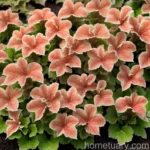
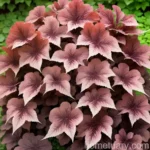
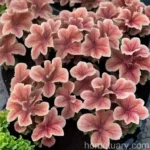
Coral Bells (Heuchera ‘Inheuredfu’ DOLCE CINNAMON CURLS)
In the world of ornamental plants, coral bells (Heuchera ‘Inheuredfu’ DOLCE CINNAMON CURLS) stand out as a popular and stunning choice for gardens and landscapes. With their vibrant foliage and delicate, bell-shaped flowers, coral bells are known for adding color and texture to a wide range of settings. In this comprehensive guide, we will delve into the various aspects of coral bells, including their culture, uses, care requirements, and more. Whether you are a seasoned gardener or a beginner plant enthusiast, this article will provide valuable insights into the captivating world of coral bells.
What is a Coral Bells Plant?
Coral bells, scientifically known as Heuchera, are a genus of herbaceous perennial plants in the family Saxifragaceae. Native to North America, this diverse group of plants is prized for its ornamental foliage and delicate flowers. They are commonly grown for their attractive mounds of foliage and their ability to thrive in a variety of garden environments.
Key Takeaways – Coral Bells (Heuchera ‘Inheuredfu’ DOLCE CINNAMON CURLS)
Before we delve into the specifics of coral bells, let’s take a moment to summarize some key points about this captivating plant variety:
- Plant Name: Heuchera ‘Inheuredfu’ DOLCE CINNAMON CURLS
- Common Names: Coral Bells
- Plant Type: Herbaceous perennial
- Foliage: Vibrant and colorful
- Flowers: Delicate, bell-shaped
- Growth Habit: Mounding
Now, let’s explore the various aspects of coral bells in more detail.
Culture
Uses
Coral bells are versatile plants that can be used in a variety of ways to enhance gardens, landscapes, and containers. Here are some common uses of coral bells in horticulture:
- Garden Beds and Borders: Coral bells make stunning additions to garden beds and borders, where their vibrant foliage adds a pop of color and texture.
- Container Gardening: These plants are well-suited for container gardening, whether grown individually in pots or as part of mixed plantings.
- Rock Gardens: The compact size and attractive foliage of coral bells make them excellent choices for rock gardens, where they can thrive in well-drained, rocky soils.
- Understory Plantings: In woodland or shaded areas, coral bells can serve as beautiful understory plants, providing visual interest under taller trees and shrubs.
- Pollinator Gardens: The delicate flowers of coral bells attract pollinators such as bees and butterflies, making them valuable additions to pollinator-friendly gardens.
Water
Proper watering is crucial for the health and vigor of coral bells. While these plants are known for their tolerance of drier conditions, consistent moisture is important, especially during periods of active growth or in warm climates. Here are some general guidelines for watering coral bells:
- Established Plants: Once established, coral bells are moderately drought-tolerant. However, they benefit from regular watering, especially during dry spells.
- Newly Planted Specimens: Newly planted coral bells require more frequent watering to help them establish a strong root system. Ensure that the soil is kept consistently moist for the first few weeks after planting.
- Avoid Overwatering: While they appreciate moisture, coral bells are susceptible to root rot if they are consistently overwatered. Allow the soil to dry out slightly between waterings to prevent waterlogged conditions.
Sunlight
Coral bells are renowned for their ability to thrive in varying light conditions, making them versatile choices for gardeners with different sun exposure levels. Understanding their sunlight needs is essential for ensuring their health and vitality:
- Part Shade to Full Shade: Coral bells are particularly well-suited for growing in part shade to full shade. In warmer regions, they benefit from protection from the intense afternoon sun.
- Filtered Sunlight: While they can tolerate some direct sunlight, providing filtered or dappled sunlight is ideal for maintaining the vibrant colors of their foliage.
- Indirect Light: In indoor settings, coral bells can be grown successfully in locations with bright, indirect light.
Fertilizer
Proper fertilization is key to promoting the growth and vibrancy of coral bells. By providing essential nutrients, gardeners can support healthy foliage and robust flowering in these plants. Here are some fertilization guidelines for coral bells:
- Slow-Release Fertilizer: Apply a balanced, slow-release fertilizer in early spring as new growth emerges. This will provide a steady source of nutrients throughout the growing season.
- Avoid Excessive Nitrogen: Coral bells are sensitive to excessive nitrogen, which can lead to an overgrowth of foliage at the expense of flowering. Use a fertilizer with a balanced N-P-K ratio to prevent excessive vegetative growth.
- Organic Amendments: Incorporating well-decomposed organic matter into the soil can provide a natural source of nutrients for coral bells. Compost and aged manure can improve soil fertility and structure.
Soil
Coral bells thrive in well-draining, fertile soil that is rich in organic matter. When it comes to soil requirements, it’s important to create an environment that supports the healthy growth of these plants:
- Well-Drained Soil: Ensure that the soil has good drainage to prevent waterlogging, which can lead to root rot. Amending heavy clay soils with organic matter can improve drainage.
- Neutral to Slightly Acidic pH: Coral bells prefer soil with a slightly acidic to neutral pH range (around 6.0 to 7.0). Regular soil testing can help ensure that the pH is within the optimal range for these plants.
- Organic Matter: Incorporating organic matter such as compost, peat moss, or leaf mold into the soil can improve its structure and fertility. This provides essential nutrients and promotes microbial activity.
Pruning
Pruning plays a role in maintaining the attractive appearance of coral bells and promoting their overall health. By removing old foliage and spent flower stems, gardeners can encourage new growth and prevent disease.
Deadheading
- Regular Removal: Deadheading, or the removal of spent flowers, can encourage the production of new blooms in coral bells. Use clean and sharp garden shears to snip off the faded flower stalks at their base.
Foliage Cleanup
- Spring Pruning: In early spring, prune away any damaged or discolored foliage to make way for new growth. Trim back any dead or winter-damaged leaves to maintain a tidy appearance.
Dividing
- Thinning Out: Over time, coral bells can benefit from being divided to rejuvenate their growth. Divide the plants every three to four years, thinning out crowded clumps and replanting the divisions in fresh soil.
Propagation
Propagation is an essential aspect of plant care, allowing gardeners to create new specimens and expand their coral bells collection. Here are some common methods of propagating coral bells:
- Division: Divide mature clumps of coral bells in early spring or early fall. Carefully separate the root mass into smaller sections, each with several healthy crowns, and replant them in prepared soil.
- Stem Cuttings: Take stem cuttings from healthy, actively growing coral bells in spring or early summer. Remove the lower leaves from the cutting and plant it in a well-draining rooting medium. Provide bottom heat to encourage root development.
Container Popularity
Coral bells are highly popular container plants, valued for their ornamental foliage and adaptability to container gardening. Whether grown individually or as part of mixed plantings, they bring color and visual interest to various container arrangements.
Benefits of Container Growing
- Versatility: Coral bells can be grown in containers of different sizes, making them suitable for small urban gardens, balconies, and patios.
- Portable Ornamentation: Containers filled with coral bells can be moved and rearranged, allowing for flexible garden design and decoration.
- Seasonal Displays: Rotate coral bells in and out of containers to create seasonal displays, incorporating them into different garden vignettes throughout the year.
Container Requirements
- Well-Draining Soil: Use a high-quality potting mix that offers good drainage and aeration for the roots of coral bells. Avoid heavy, water-retentive soils that can lead to root rot.
- Appropriate Container Size: Choose containers that provide ample space for the root system of the coral bells. A container with a diameter of at least 12 inches is ideal for accommodating their growth.
- Protection from Extreme Conditions: Position the containers in locations that provide adequate protection from intense heat and cold. Move them to sheltered areas during extreme weather events to prevent stress on the plants.
Common Diseases
While coral bells are generally resilient plants, they can be susceptible to certain diseases and disorders. Understanding these potential issues and implementing preventive measures is essential for maintaining the health of these ornamental plants.
Disease Diagnosis
- Root Rot: Overly wet and poorly drained soil can lead to root rot in coral bells. Symptoms include wilting, yellowing foliage, and a general decline in plant vigor. To prevent root rot, ensure proper drainage and avoid overwatering.
- Powdery Mildew: In humid or poorly ventilated conditions, coral bells may develop powdery mildew, characterized by a white, powdery growth on the leaves. Improving air circulation and avoiding overhead irrigation can help prevent this fungal disease.
- Crown Rot: Excessive moisture around the base of the plant can lead to crown rot, causing the plant to wilt and decline. Ensure that the soil is allowed to dry out between waterings and avoid splashing water onto the foliage.
Common Pests
Coral bells are relatively resistant to pest infestations, but they can still be affected by certain pests common to ornamental plants.
- Aphids: These small, sap-sucking insects may feed on the tender young growth of coral bells, causing distorted leaves and the secretion of sticky honeydew. Control aphids by using insecticidal soaps or horticultural oils.
- Snails and Slugs: These mollusks can feed on the foliage of coral bells, leaving behind ragged, chewed leaves. Implementing physical barriers and using slug and snail baits can help protect the plants from these pests.
Botanist’s Tips
To ensure the successful growth and maintenance of coral bells, consider the following tips from plant experts and experienced gardeners:
- Mulching: Apply a layer of organic mulch around the base of coral bells to conserve soil moisture and suppress weed growth. This also provides a protective barrier for the roots during extreme temperatures.
- Regular Inspections: Monitor your coral bells regularly for signs of diseases, pests, or cultural issues. Early detection and intervention can prevent potential problems from escalating.
- Seasonal Pruning: Prune coral bells as needed throughout the growing season to remove damaged or unsightly foliage and encourage new growth.
Fun Facts
To add a touch of intrigue and fascination to your knowledge of coral bells, here are some fun and interesting facts about these beloved plants:
- Cultural Significance: Coral bells have been admired for their ornamental value for centuries and are often featured in poems, folklore, and traditional medicine.
- Native Roots: Many varieties of coral bells are native to North America, where they have long been cherished for their aesthetic and ecological contributions.
- Hybrid Diversity: The world of coral bells includes a wide array of hybrid varieties, each offering unique combinations of foliage colors, patterns, and textures.
Links to External Resources
To further expand your understanding of coral bells and explore additional insights from horticultural experts, consider the following external resources:
- The American Heuchera Society: A comprehensive resource for enthusiasts of Heuchera and Heucherella, featuring information on cultivation, varieties, and conservation efforts.
- Royal Horticultural Society: Visit the RHS website for detailed guidance on growing and caring for coral bells, as well as a wealth of information on other ornamental plants.
By incorporating the information provided in this article and utilizing the recommended external resources, you will be well-equipped to cultivate and enjoy the beauty of coral bells in your garden or landscape. With their captivating foliage, delicate blooms, and adaptability to diverse growing conditions, coral bells continue to enchant gardeners and plant enthusiasts around the world.
In summary, coral bells (Heuchera ‘Inheuredfu’ DOLCE CINNAMON CURLS), with their rich cultural history, captivating foliage, and diverse uses, are truly remarkable plants that deserve a place in any garden or landscape setting. With a clear understanding of their culture, care requirements, and botanical significance, you can embark on a rewarding journey of cultivating and appreciating these enchanting ornamental plants.
Keywords: Coral bells plant, Heuchera Dolce Cinnamon Curls, Coral bells variety, Heuchera plant, Dolce Cinnamon Curls coral bells, Coral bells flower, Coral bells foliage, Heuchera hybrid, Coral bells cultivar, Cinnamon Curls coral bells, Heuchera varieties, Coral bells care, Dolce Cinnamon Curls Heuchera, Coral bells landscaping, Heuchera for gardens, Coral bells perennial, Cinnamon Curls Heuchera, Best coral bells varieties, Heuchera foliage colors, Coral bells plant care, Heuchera Dolce series, Coral bells for shade, Cinnamon Curls coral bells care, Heuchera for borders, Coral bells container gardening, Heuchera shade-loving plant, Coral bells Dolce Cinnamon Curls variety, Heuchera Dolce collection, Coral bells companion plants, Cinnamon Curls coral bells variety, Heuchera Dolce Cinnamon Curls care, Coral bells for rock gardens, Heuchera hybrid varieties, Coral bells ground cover, Cinnamon Curls coral bells foliage, Heuchera Dolce Cinnamon Curls plant, Coral bells flower colors, Heuchera Dolce Cinnamon Curls variety characteristics, Coral bells for containers, Heuchera for partial shade, Coral bells Dolce series variety, Cinnamon Curls coral bells plant care, Heuchera Dolce Cinnamon Curls growth habits, Coral bells for mixed borders, Heuchera Dolce collection varieties, Coral bells in landscaping designs, Cinnamon Curls coral bells growing tips, Heuchera Dolce Cinnamon Curls foliage colors, Coral bells for pollinators, Heuchera for shade gardens.