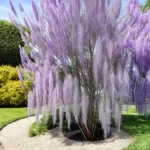
The Wisconsin Weeping Willow (Salix x pendulina)
The Wisconsin Weeping Willow, scientifically known as Salix x pendulina, is a stunning deciduous tree that originates from the Northern Hemisphere. Known for its gracefully hanging branches and long, slender leaves, this tree is a beloved addition to landscapes due to its aesthetic appeal and practical uses. In this comprehensive guide, we will delve into the key aspects of the Wisconsin Weeping Willow, including its characteristics, ideal growing conditions, maintenance, common diseases and pests, and its significance in landscaping and ecological restoration.
What is Plant?
Plants are living organisms belonging to the kingdom Plantae, comprising a vast array of species ranging from tiny mosses to towering trees. They play a fundamental role in supporting life on Earth as they are the primary producers, converting sunlight into food through the process of photosynthesis. Through this process, plants also release oxygen into the atmosphere, which is essential for the survival of many other organisms, including humans.
Plants exhibit remarkable diversity in terms of their forms, functions, and ecological roles. They can be categorized based on various characteristics such as their lifespan, reproductive strategies, and habitat preferences. From the majestic sequoias to the delicate wildflowers, the plant kingdom encompasses an extraordinary spectrum of flora, each with its unique adaptations and significance in ecosystems.
Wisconsin Weeping Willow (Salix x pendulina)
The Wisconsin Weeping Willow, or Salix x pendulina, is a cultivar of the weeping willow tree, renowned for its graceful, pendulous branches that elegantly sway in the breeze. This cultivar is a hybrid resulting from the crossing of different species within the Salix genus. It is a deciduous tree, meaning it sheds its leaves in the autumn, often transforming the landscape with its vivid fall foliage.
Key Takeaways – Wisconsin Weeping Willow (Salix x pendulina)
Before delving into the specifics of cultivating and caring for the Wisconsin Weeping Willow, let’s take a look at the key takeaways associated with this beautiful tree:
Culture
- Scientific Name: Salix x pendulina
- Family: Salicaceae
- Common Name: Wisconsin Weeping Willow
- Type: Deciduous tree
- USDA Hardiness Zones: 4-8
- Mature Height: 30-50 feet
- Mature Spread: 30-40 feet
- Growth Rate: Rapid
- Cultural Significance: Ornamental, ecological restoration
Uses
- Landscaping: Provides aesthetic appeal, especially near water bodies
- Erosion Control: Effective in stabilizing soil along riverbanks and water bodies
- Wildlife Habitat: Attracts various bird species and pollinators
- Shade Tree: Offers ample shade during the summer months
Water
- Watering Needs: Moderate to high
- Soil Moisture: Prefers consistently moist soil
- Drought Tolerance: Moderate
Sunlight
- Light Requirements: Full sun to partial shade
- Optimal Sun Exposure: 6-8 hours of direct sunlight per day
Fertilizer
- Fertilization: Minimal requirements
- Fertilizer Type: Balanced, slow-release fertilizers
- Application Time: Early spring
Soil
- Soil Type: Well-drained, fertile soils
- pH Range: Slightly acidic to neutral (pH 6.0-7.5)
- Soil Amendments: Organic matter incorporation for clay soils
Pruning
- Pruning Time: Early spring, before new growth emerges
- Pruning Needs: Regular, especially to manage canopy size and shape
- Cultural Considerations: Avoid excessive pruning of weeping branches
Propagation
- Propagation Methods: Hardwood cuttings, seed propagation
- Rooting Success: High percentage of successful root formation
Container Popularity
- Container Planting: Feasible in large containers for limited space landscapes
- Considerations: Regular watering and root space management
Common Diseases
- Disease Susceptibility: Vulnerable to fungal diseases
- Common Diseases: Anthracnose, powdery mildew
- Preventive Measures: Proper sanitation and regular inspection
Disease Diagnosis
- Symptoms: Leaf spots, wilting, premature defoliation
- Professional Advice: Consult local extension services for accurate diagnosis
Common Pests
- Pest Concerns: Aphids, caterpillars
- Integrated Pest Management: Utilize beneficial insects and natural predators
- Pesticide Application: Selective, targeted applications when necessary
Botanist’s Tips
- Species Selection: Consider native willow species for ecological restoration
- Ecological Benefits: Enhances biodiversity and ecological resilience
- Cultural Significance: Incorporate weeping willows into cultural and artistic narratives
Fun Facts
- Historical Significance: Revered in various cultures throughout history
- Literary and Artistic Depictions: Frequently portrayed in literature, paintings, and other art forms
- Riparian Ecology: Integral to riparian and wetland ecosystems
Now that we have an overview of the key aspects associated with the Wisconsin Weeping Willow, let’s delve into the specifics of each aspect to gain a comprehensive understanding of this captivating tree.
Wisconsin Weeping Willow Facts
For those looking for quick facts about the Wisconsin Weeping Willow, here are some essential pieces of information:
- Scientific Name: Salix x pendulina
- Family: Salicaceae
- USDA Hardiness Zones: 4-8
- Mature Height: 30-50 feet
- Mature Spread: 30-40 feet
- Growth Rate: Rapid
- Light Requirements: Full sun to partial shade
- Watering Needs: Moderate to high
- Common Uses: Landscaping, erosion control, shade tree
- Susceptibility: Vulnerable to fungal diseases
- Pest Concerns: Aphids, caterpillars
- Propagation: Hardwood cuttings, seed propagation
Salix x Pendulina Characteristics
The Salix x pendulina, commonly known as the Wisconsin Weeping Willow, exhibits a range of distinctive characteristics that contribute to its horticultural and ecological significance. Understanding these characteristics is essential for successfully cultivating and incorporating this beautiful tree into landscapes and restoration projects.
Foliage and Bark
- The Wisconsin Weeping Willow features long, slender leaves that are typically light green in color. The leaves are deciduous, meaning they shed in the fall, often turning a vibrant yellow before falling.
- The bark of the tree is typically smooth and gray, with a subtle sheen, especially in younger specimens. As the tree matures, the bark can develop rougher textures and furrows.
Branches and Canopy
- One of the most striking features of the Wisconsin Weeping Willow is its gracefully arching branches that cascade downward, creating a weeping or pendulous effect. These branches can create a picturesque silhouette, especially when reflected in water.
- The canopy of the tree is broad and irregular, with the weeping branches extending in all directions. This feature adds to the tree’s overall beauty and contributes to its unique charm.
Flowers and Catkins
- In early spring, before the leaves emerge, the Wisconsin Weeping Willow produces an abundance of flowers. The tree is dioecious, meaning male and female flowers are borne on separate trees. The delicate, pendulous catkins add an ethereal quality to the tree’s appearance.
- The flowers are a valuable early source of nectar for pollinators, making the tree an essential component of early spring pollinator habitats.
Root System
- As is common with willow species, the Wisconsin Weeping Willow possesses an extensive and invasive root system. This characteristic should be given consideration when selecting planting sites, especially in urban and suburban landscapes.
Overall Aesthetic and Ecological Impact
- The Wisconsin Weeping Willow is often praised for its picturesque beauty, especially when planted near water bodies. The reflections of the weeping branches in the water create a mesmerizing visual effect.
- Ecologically, this tree supports a diverse array of wildlife, including birds and pollinators, contributing to the overall biodiversity of the landscape.
Understanding these characteristics is crucial for tailoring the Wisconsin Weeping Willow to its intended purpose, whether that involves enhancing a residential landscape, stabilizing soil along water bodies, or contributing to ecological restoration efforts.
Weeping Willow Tree in Wisconsin
The presence of the Wisconsin Weeping Willow in the state of Wisconsin further underscores its significance and adaptability to the region’s climate and landscapes. Understanding the specific context of its cultivation in Wisconsin provides valuable insights into its care and potential uses in various settings throughout the state.
Growing a Weeping Willow in Wisconsin
Cultivating a healthy and thriving Wisconsin Weeping Willow in the state requires careful consideration of the tree’s unique requirements and local environmental factors. Here are some essential factors to keep in mind when growing this tree in Wisconsin:
Climate Adaptability
- The Wisconsin Weeping Willow is well-suited to the climate of Wisconsin, particularly the USDA hardiness zones 4-8. This allows for its successful cultivation across a broad geographical range within the state.
Soil Preferences
- While the Wisconsin Weeping Willow is adaptable to a range of soil types, it thrives in consistently moist, well-drained soils with a slightly acidic to neutral pH (pH 6.0-7.5). Soil that retains moisture adequately is particularly beneficial, especially in periods of limited rainfall.
Water Requirements
- With moderate to high water needs, the Wisconsin Weeping Willow benefits from regular watering, particularly during dry spells. This is especially pertinent in Wisconsin, where the climate may exhibit variations in precipitation.
Sunlight
- Providing ample sunlight is crucial for the healthy growth and development of the Wisconsin Weeping Willow. While it can tolerate partial shade, optimal sun exposure of 6-8 hours per day ensures vigorous growth and the development of its hallmark weeping branches.
Wind Resistance
- The tree’s flexible branches and adaptive nature enable it to withstand moderate winds. However, it may benefit from sheltered locations, particularly in areas prone to stronger wind currents.
Catering to these specific requirements ensures the successful establishment and longevity of the Wisconsin Weeping Willow in Wisconsin’s diverse landscapes, from urban settings to rural homesteads.
Wisconsin Weeping Willow Care
Caring for the Wisconsin Weeping Willow in Wisconsin involves a combination of attentive maintenance, periodic assessments, and a commitment to preserving the health and vitality of the tree. Here are some essential care guidelines for this beautiful tree:
Pruning Techniques
- Regular pruning is necessary to manage the weeping canopy and to maintain the tree’s desired form. Early spring, before new growth emerges, is an optimal time for pruning to remove dead or damaged branches and to shape the tree as desired.
Fertilization
- The Wisconsin Weeping Willow typically requires minimal fertilization, particularly if grown in nutrient-rich soils. However, a balanced, slow-release fertilizer applied in early spring can provide supplemental nutrients for healthy growth.
Disease Management
- Vigilant monitoring for common diseases such as anthracnose and powdery mildew is crucial. Prompt management through appropriate cultural practices and, if necessary, targeted treatments can help protect the tree’s foliage and overall health.
Pest Control
- Regular inspections for common pests such as aphids and caterpillars are essential. Implementing integrated pest management strategies, including the utilization of beneficial insects and selective pesticide applications, can effectively manage pest populations.
Implementing these care practices ensures that the Wisconsin Weeping Willow thrives in the specific climatic and environmental conditions present in Wisconsin, contributing to the beauty and ecological resilience of the landscape.
Salix x Pendulina Planting Tips
Planting the Wisconsin Weeping Willow, or Salix x pendulina, entails careful consideration of its specific requirements and the local environmental conditions to ensure its successful establishment and long-term health. Whether used in ornamental landscapes or restoration projects, adherence to proper planting techniques is crucial for the tree’s sustained growth and vitality.
Site Selection
- Choose a planting site that receives ample sunlight, preferably 6-8 hours of direct sunlight daily. While the tree can tolerate partial shade, optimal sun exposure promotes robust growth and the development of its weeping form.
Soil Preparation
- Prepare the planting site by ensuring well-drained, fertile soil with a slightly acidic to neutral pH (pH 6.0-7.5). Incorporating organic matter into the soil, especially for clay-based soils, helps enhance soil structure and moisture retention.
Planting Considerations
- Dig a planting hole that is twice as wide as the tree’s root ball and of similar depth. Carefully remove the tree from its container or burlap, taking care not to disturb the root system excessively.
Watering and Mulching
- Immediately after planting, provide ample water to settle the soil around the roots and to facilitate establishment. Apply a layer of organic mulch around the tree, ensuring it does not come into direct contact with the trunk.
Establishment Care
- Monitor the tree closely during its initial stages of establishment, providing regular water and promptly addressing any signs of stress, such as wilting or leaf discoloration.
By adhering to these planting tips, the Wisconsin Weeping Willow can be successfully integrated into a variety of landscapes and restoration projects, contributing to the beauty and ecological functionality of the environment.
Wisconsin Weeping Willow Varieties
While the Salix x pendulina cultivar presents a stunning and iconic representation of the weeping willow, several other willow species and varieties may also be worthy of consideration for landscaping and restoration projects in Wisconsin. Here are a few notable varieties that offer unique characteristics and benefits:
Salix alba (White Willow)
- Known for its striking, silvery foliage and its adaptability to a range of soil types, including wet soils. This tree is a valuable addition to moist landscapes, providing erosion control and wildlife habitat.
Salix discolor (Pussy Willow)
- Recognized for its captivating fuzzy catkins and its significance as an early spring source of nectar for pollinators. Its compact form and adaptability to various soil types make it a versatile option for diverse landscapes.
Salix amygdaloides (Peachleaf Willow)
- Appreciated for its decorative foliage and its resilience to drought conditions. It is an excellent choice for landscapes in Wisconsin that may experience periodic dry spells.
By exploring the diverse array of willow species and varieties, landscape designers, conservationists, and homeowners in Wisconsin can select the most suitable options for their specific needs, elevating the ecological and visual appeal of their surroundings.
Benefits of Wisconsin Weeping Willows
The Wisconsin Weeping Willow (Salix x pendulina) offers a multitude of benefits, encompassing aesthetic, ecological, and practical advantages. Understanding the diverse array of benefits associated with this tree can help in advocating for its incorporation into landscapes and restoration projects, elevating the overall vitality and functionality of the environment.
Aesthetic Appeal
- The Wisconsin Weeping Willow adds a sense of grace and elegance to landscapes with its gently cascading branches and lush foliage. Its picturesque form and seasonal changes enhance the visual interest of any setting.
Erosion Control
- Planted along water bodies or in areas prone to soil erosion, the Wisconsin Weeping Willow serves as a natural stabilizer, preventing soil loss and contributing to overall watershed health.
Wildlife Habitat
- The tree’s flowers provide an invaluable early food source for pollinators, supporting the health of local insect populations. Additionally, its dense foliage and branch structure offer nesting and resting spaces for birds.
Shade Provision
- As the tree matures, it provides considerable shade, making it an ideal addition to parks, residential yards, and recreational areas, where its cooling influence can be particularly appreciated during hot summer months.
Riparian Restoration
- In riparian and wetland restoration projects, the Wisconsin Weeping Willow plays a vital role in enhancing biodiversity, stabilizing soil, and fostering ecological resilience.
The diverse benefits of the Wisconsin Weeping Willow underscore its significance as a valuable component of sustainable and vibrant landscapes, providing multifaceted contributions to environmental health and human well-being.
Wisconsin Weeping Willow Pruning Techniques
Pruning plays a pivotal role in maintaining the health, form, and aesthetics of the Wisconsin Weeping Willow (Salix x pendulina). Proper pruning techniques ensure the tree’s vitality, reduce the risk of diseases, and enhance its overall beauty. Understanding the key principles of pruning can empower individuals to effectively manage the growth of this tree within a variety of settings, from residential landscapes to restoration sites.
Pruning Objectives
Before embarking on any pruning activities, it is essential to identify the specific objectives guiding the pruning process. These objectives may include:
- Canopy Management: Controlling the size and shape of the canopy to achieve the desired visual effect in the landscape.
- Deadwood Removal: Eliminating dead, diseased, or damaged branches to prevent potential hazards and promote overall tree health.
- Structural Enhancement: Encouraging strong branch architecture and reducing the risk of breakage, especially during periods of high wind or snow load.
Best Practices
- Timing: Pruning the Wisconsin Weeping Willow is best conducted in early spring, before the tree resumes active growth for the season. This timing minimizes stress on the tree and reduces the likelihood of excessive sap flow.
- Tools: Using sharp, clean pruning tools such as loppers and pruning saws helps to achieve clean cuts and minimizes the potential for disease transmission.
- Weeping Branches: Care should be exercised when pruning the characteristic weeping branches to preserve their natural form while managing their size and preventing them from obstructing paths or structures.
Techniques
- Selective Pruning: Identifying and removing specific branches or foliage clusters to achieve the desired form and structure.
- Thinning: Thinning the canopy by selectively removing branches promotes air circulation, which can reduce the risk of fungal infections and pest infestations.
- Reducing: Shortening branches to manage the tree’s size and shape while maintaining its aesthetic appeal.
Cultural Considerations
- Avoid Over-Pruning Weeping Branches: Over-pruning the weeping branches can compromise the tree’s natural form and may lead to stress, making it susceptible to diseases and pest infestations.
- Prune Sparingly: It is essential to exercise restraint when pruning the Wisconsin Weeping Willow to preserve its graceful and iconic appearance while addressing specific maintenance needs.
By adhering to these pruning techniques and best practices, individuals can effectively manage the growth and form of the Wisconsin Weeping Willow, promoting its sustained health and enhancing its visual impact within diverse landscapes.
Salix x Pendulina Diseases and Pests
While the Wisconsin Weeping Willow (Salix x pendulina) is valued for its resilience and adaptability, it can still be susceptible to certain diseases and pests that may impact its health and aesthetic appeal. Recognizing common issues and implementing appropriate preventive and management measures is crucial for preserving the vitality of this beautiful tree within various landscapes and ecosystems.
Common Diseases
Anthracnose
- Identifying Features: Anthracnose typically manifests as small, darkened lesions on the leaves, which may expand and cause wilting or premature defoliation in severe cases.
- Preventive Measures: Ensuring proper sanitation, implementing cultural practices that promote air circulation, and the selective use of fungicidal treatments can effectively manage this disease.