Black Willow (Salix Nigra)
In the world of trees, there are few species as versatile, beautiful, and ecologically significant as the black willow, scientifically known as Salix.
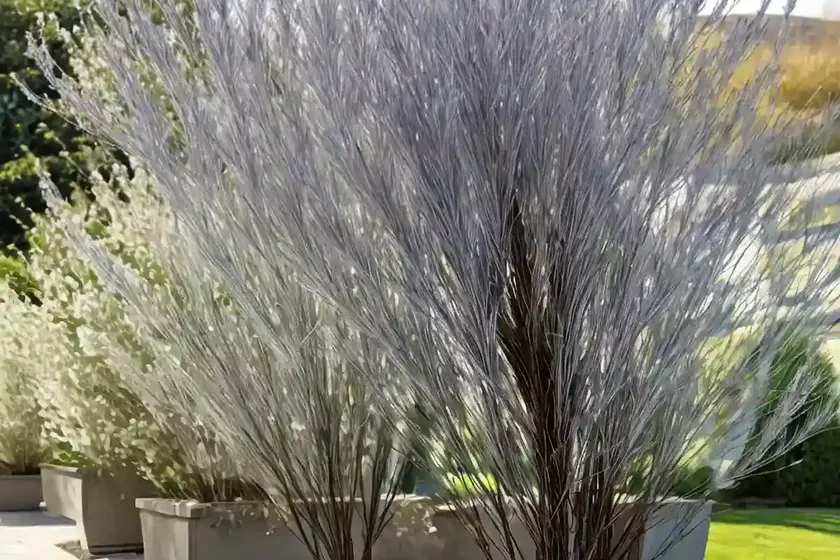
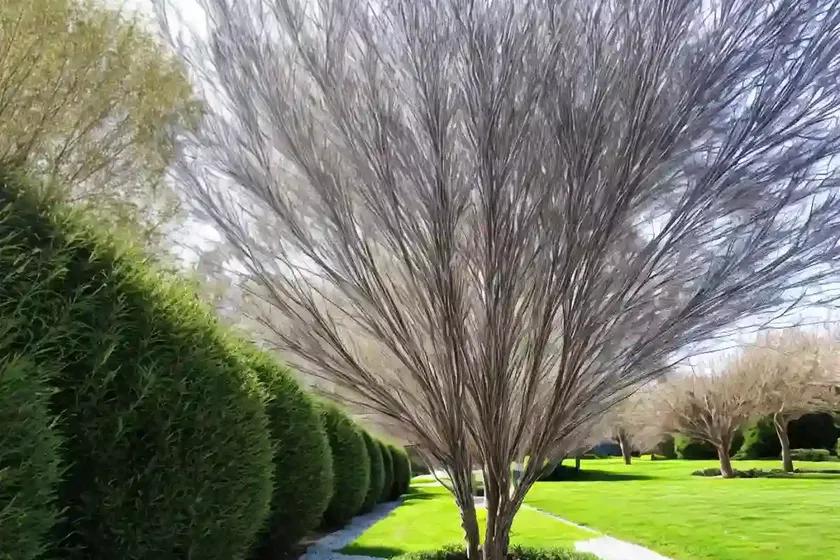
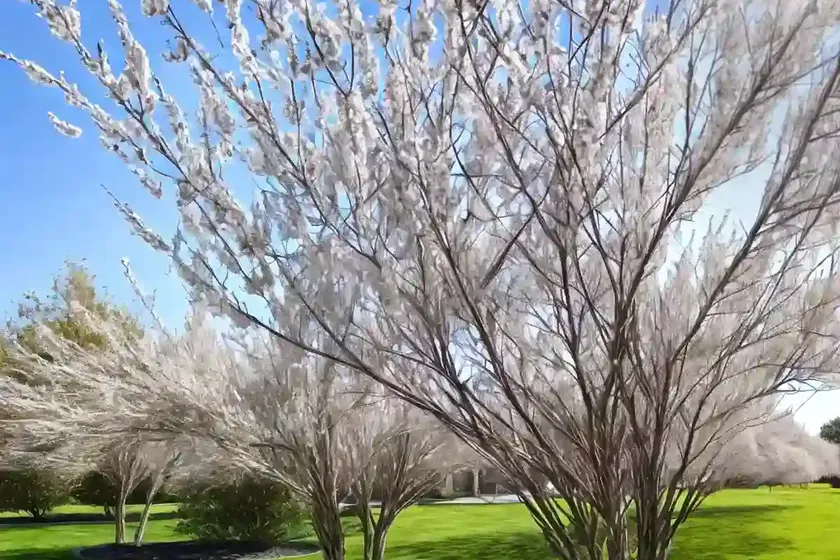
In the world of trees, there are few species as versatile, beautiful, and ecologically significant as the black willow, scientifically known as Salix nigra. This majestic tree has a rich history and a wide array of uses and benefits, making it a valuable asset to gardens, landscapes, and natural ecosystems. In this comprehensive guide, we will delve into the unique characteristics, cultivation requirements, uses, and ecological importance of the black willow, providing invaluable insights for plant enthusiasts, gardeners, land managers, and anyone interested in the wonders of the natural world.
The Black Willow: An Introduction
The black willow, a member of the Salicaceae family, is a deciduous tree native to eastern North America. It is commonly found along the banks of rivers, streams, and wetland areas, where its elegant form and distinctive foliage add to the scenic beauty of the landscape. The tree is known for its rapid growth, its remarkable adaptation to waterlogged soils, and its ecological significance in providing habitat for diverse wildlife species.
Key Takeaways
Before we delve into the details of the black willow, here are some key takeaways about this remarkable tree:
- Scientific Name: Salix nigra
- Native Range: Eastern North America
- Growth Habit: Rapid-growing, medium to large-sized deciduous tree
- Ecological Importance: Provides habitat for wildlife, stabilizes riverbanks, and contributes to erosion control
- Cultural Uses: Ornamental tree, erosion control, and riparian restoration
- Water Requirements: Thrives in moist to wet soils, tolerant of periodic flooding
- Sunlight: Prefers full sun but can tolerate partial shade
- Fertilizer: Generally low fertilizer requirements; responds well to organic amendments
- Soil: Adaptable to a wide range of soil types, including poorly-drained soils
- Propagation: Can be propagated from seeds, cuttings, and root divisions
- Pruning: Tolerates heavy pruning; best done in late winter or early spring
With these key takeaways in mind, let’s explore the various aspects of the black willow in greater detail.
Culture of the Black Willow
Understanding the cultural requirements of the black willow is essential for successfully integrating this tree into gardens, landscapes, or restoration projects. From water and sunlight needs to soil preferences and maintenance practices, a thorough knowledge of the tree’s culture is pivotal to its sustained health and vigor.
Water
One of the defining features of the black willow is its remarkable adaptation to waterlogged soils. This makes it an ideal choice for riparian zones, wetland restoration, and landscapes with poorly-drained or periodically flooded areas. While the tree flourishes in consistently moist to wet soils, it can also tolerate drier conditions once established. In garden settings, regular watering, especially during periods of drought, is beneficial for promoting vigorous growth and overall tree health.
Sunlight
In its natural habitat, the black willow thrives in full sun conditions, exhibiting vigorous growth and a lush canopy when provided with ample sunlight. However, the tree is also capable of tolerating partial shade, making it a versatile choice for diverse landscape settings, including woodland edges, open meadows, and riverbanks where it may experience varying light levels throughout the day.
Fertilizer
Black willows generally have low fertilizer requirements, especially when grown in their natural habitat or in landscapes with nutrient-rich soils. However, in urban or suburban environments where nutrient levels may be suboptimal, organic amendments such as well-aged compost or composted manure can be beneficial for promoting healthy growth and vigor. When fertilizing black willows, it is important to avoid excessive nitrogen, as this can lead to rapid but weak growth and may increase the tree’s susceptibility to certain pests and diseases.
Soil
The adaptability of the black willow to diverse soil types is one of its most remarkable traits. While it thrives in moist to wet soils, the tree is also capable of growing in well-drained soils and can tolerate periodically dry conditions once established. From loamy soils to clayey substrates, the black willow’s resilience and adaptability make it a valuable addition to a wide range of landscape settings, including gardens, parks, and naturalized areas.
Uses of the Black Willow
The black willow is associated with a diverse array of uses, ranging from its ecological significance in providing habitat for wildlife to its cultural and landscape value. Understanding the multifaceted uses of the tree is essential for appreciating its importance and for making informed decisions regarding its incorporation into various environments.
Ecological Uses
Wildlife Habitat
As a native and ecologically significant tree, the black willow provides essential habitat for a wide variety of wildlife species. Its dense foliage and stable branching structure offer nesting sites and shelter for birds, while the tree’s catkins and young leaves serve as important food sources for numerous insect species. In addition, the black willow’s roots stabilize soil and contribute to the formation of complex root systems that provide essential habitat for aquatic organisms in riparian and wetland ecosystems.
Erosion Control and Riparian Restoration
The extensive root system of the black willow plays a critical role in preventing soil erosion along riverbanks and water bodies. By anchoring the soil with its strong and deep-reaching roots, the tree contributes to the stabilization of riverbanks, thereby reducing the risks of bank erosion and sedimentation in waterways. This makes the black willow an invaluable species for riparian restoration, wetland rehabilitation, and erosion control projects aimed at preserving the ecological integrity of watercourses and their surrounding landscapes.
Cultural and Landscape Uses
Ornamental and Shade Tree
In addition to its ecological importance, the black willow is often valued for its ornamental qualities and ability to provide shade in suitable sites. Its rapid growth, graceful form, and foliage create a picturesque silhouette, making it an attractive choice for parks, estates, and larger landscapes where its sizable proportions and natural beauty can be fully appreciated. Furthermore, the black willow’s shade-casting capabilities make it a favored species for creating cooling microclimates and enhancing outdoor comfort in urban and suburban environments.
Wood Uses
While black willow wood is relatively soft, it has been traditionally used for a variety of purposes, including the construction of furniture, crates, and other wooden products. Due to its flexible and lightweight nature, black willow wood has also been utilized in craftwork, basket weaving, and the creation of traditional folk art. Additionally, the tree’s bark has been employed for medicinal and therapeutic purposes in some traditional healing practices.
Pruning and Maintenance of the Black Willow
Proper pruning and maintenance practices are integral to promoting the health, form, and longevity of the black willow. Whether grown for its ornamental value, ecological contributions, or wood production, understanding the principles of tree care is essential for maximizing the benefits and minimizing potential issues associated with the tree.
Pruning
Pruning of the black willow is generally best performed during the late winter or early spring when the tree is dormant. Major pruning operations, including the removal of dead or diseased branches, shaping the tree’s canopy, or reducing its size, should be approached with caution to avoid excessive stress on the tree. As with any tree pruning, it is crucial to utilize sharp, high-quality tools and to adhere to best practices to ensure clean cuts and to minimize the risk of introducing pathogens.
Maintenance
Regular monitoring and maintenance of the black willow involve being attentive to signs of stress, pests, diseases, or any structural weaknesses that may compromise the tree’s health and stability. Providing adequate water, especially during periods of drought, and addressing any soil compaction or drainage issues is crucial for sustaining the tree’s vigor and resilience. Additionally, avoiding unnecessary disturbances to the tree’s root system, particularly in riparian settings, is imperative for preserving the black willow’s stability and ecological contributions.
Propagation of the Black Willow
The propagation of the black willow offers an opportunity to expand its presence in various landscapes, support ecological restoration efforts, and cultivate trees for specific uses, such as erosion control or ornamental purposes. Understanding the methods and considerations for successfully propagating black willow is valuable for individuals and organizations interested in harnessing its unique qualities and benefits.
Propagation from Seeds
Propagation of the black willow from seeds is a straightforward and effective method for producing a large number of trees. Collecting mature seed capsules from healthy and genetically diverse trees and storing them in a cool, dry location can help maintain seed viability. When sowing the seeds, providing a cold stratification period of several weeks can enhance germination rates. Once germinated, the seedlings can be transplanted into suitable containers or directly into the ground, ensuring adequate water and sunlight for their establishment and growth.
Propagation from Cuttings
Propagating the black willow from cuttings, particularly softwood or hardwood varieties, can be a rapid and efficient method for producing genetically identical trees. Selecting healthy and vigorous branches, preparing cuttings with a sharp, sterilized tool, and utilizing suitable rooting hormone and growing medium can enhance the success rates of this propagation method. Adequate moisture and warmth during the rooting process are essential for encouraging the development of strong and viable root systems in the cuttings.
Propagation from Root Divisions
Black willow trees can also be propagated from root divisions, where sections of the tree’s root system are carefully separated and transplanted to propagate new trees. This method is particularly suitable for clonal propagation and can be advantageous for producing trees with specific genetic traits or adaptations relevant to restoration or landscaping objectives. Careful attention to root health, soil composition, and post-transplant care are critical for ensuring the success of root division propagation.
Common Diseases and Pests of the Black Willow
Like all living organisms, black willow trees are susceptible to certain diseases and pests that can impact their health and vitality. Being aware of the common issues affecting the tree, including their symptoms and management strategies, is essential for mitigating potential risks and preserving the beauty and ecological contributions of the black willow.
Disease Diagnosis
Common diseases that affect black willow trees include:
-
Willow Scab: This fungal disease can cause dark, scabby lesions on leaves, as well as premature defoliation and reduced vigor. Maintaining good air circulation and avoiding overhead watering can help prevent the spread of this disease. Fungicidal treatments may be beneficial in severe cases.
-
Canker Diseases: Black willows are susceptible to various canker diseases, which are characterized by the formation of sunken, discolored lesions on the tree’s trunk or branches. Pruning out affected branches and promoting overall tree health through proper cultural practices can help reduce the impact of canker diseases.
-
Powdery Mildew: Powdery mildew can manifest as a white, powdery growth on the leaves and stems of black willow trees. Ensuring adequate spacing between trees, promoting good air circulation, and addressing any underlying issues such as nutrient imbalances or drought stress can help minimize the prevalence of powdery mildew.
Common Pests
Pests that may affect black willow trees include:
-
Willow Leaf Beetles: These beetles feed on the leaves of willow trees, often causing noticeable damage in the form of holes, notches, or skeletonized foliage. Biological control agents, such as predatory insects or parasites, can be employed to manage populations of these pests. Additionally, physical removal of the beetles and the use of horticultural oils or insecticidal soaps can help to reduce their numbers.
-
Gall Makers: Various species of insects can induce the formation of galls on black willow trees, resulting in abnormal growths on leaves, stems, or buds. While galls are typically not harmful to the overall health of the tree, aesthetic concerns may prompt their removal through pruning or other cultural practices.
By remaining vigilant and promptly addressing signs of diseases or pests, gardeners, arborists, and land managers can help safeguard the health and vitality of black willow trees, ensuring their continued ecological and aesthetic contributions.
Botanist’s Tips for Growing Black Willow
For those seeking to grow black willow trees successfully, whether for ecological restoration, landscaping, or ornamental purposes, incorporating the following botanist’s tips can contribute to the health and vigor of the trees:
-
Selecting Suitable Sites: When planting black willow trees, choosing sites with moist to wet soils and adequate sunlight is pivotal for promoting vigorous growth.
-
Providing Adequate Water: Especially during the establishment phase, ensuring that young black willows receive consistent moisture is essential for their survival and early development.
-
Monitoring for Stress Signs: Regularly monitoring for signs of drought stress, pests, diseases, or other stressors enables timely interventions and minimizes potential impacts on the trees.
-
Implementing Pruning Best Practices: When pruning black willows, utilizing sharp tools, making clean and precise cuts, and avoiding excessive pruning during the growing season can contribute to the trees’ overall health and form.
By integrating these tips into their cultivation practices, individuals and organizations can optimize the growth and ecological contributions of black willow trees, supporting the preservation of these remarkable and valuable species.
Fun Facts About Black Willow
To add a touch of intrigue and wonder to the exploration of the black willow, here are some fun and fascinating facts about this distinct tree:
-
Medicinal Uses: The bark of black willow has been historically used for its medicinal properties, containing compounds that provide relief from pain and inflammation, leading to the development of aspirin and other salicylate-based medications.
-
Rapid Growth: Black willows are renowned for their rapid growth, capable of reaching impressive heights within a relatively short period, making them valuable for quickly establishing shade and habitat in suitable environments.
-
Wildlife Attraction: The black willow’s catkins and young leaves are essential food sources for numerous insect species, including caterpillars and butterflies, contributing to the tree’s role as a wildlife-friendly species.
-
Erosion Control: The extensive root system of black willow trees is highly effective in stabilizing riverbanks, preventing erosion, and fostering the formation of diverse aquatic and riparian habitats.
By delving into these fun and intriguing facts, individuals can gain a deeper appreciation for the unique qualities and contributions of the black willow, fostering a sense of connection to the natural world and its myriad wonders.
Links to External Resources
For those seeking additional information, resources, and support related to the black willow and its cultivation, ecology, or uses, the following external links provide valuable insights:
- USDA Plants Database – Salix Nigra
- Lady Bird Johnson Wildflower Center – Black Willow
- Missouri Botanical Garden – Salix Nigra
- Forestry Compendium – Salix Nigra
- The Xerces Society for Invertebrate Conservation – Pollinator Plants: Salix Nigra
- EPA – Wetland and Riparian Restoration: Salix Nigra
By exploring these external resources, individuals can access a wealth of information, guidance, and support to deepen their understanding of the black willow and its diverse applications in ecological, cultural, and landscape contexts.
Conclusion
The black willow, with its striking beauty, ecological significance, and versatile uses, stands as a symbol of resilience and adaptability in the natural world. Whether gracing the banks of a meandering river, providing shade in a park, or offering essential habitat for wildlife, this remarkable tree continues to captivate and inspire those who seek to understand and appreciate its many contributions. By recognizing its cultural, ecological, and practical value, individuals and organizations can embrace the black willow as a symbol of environmental stewardship and a testament to the enduring power of nature’s wonders.
In the pursuit of cultivating, conserving, or simply admiring the black willow, let us celebrate the myriad benefits and intrinsic beauty of this extraordinary tree, honoring its unique place in the tapestry of our natural landscapes.
Remember, as we continue to nurture and care for these magnificent trees, we are not only contributing to the preservation of our environment but also providing a legacy of sustenance and beauty for generations to come.
Now that we have covered everything about the Black Willow (Salix Nigra), feel free to explore the following table to find out the maximum information:
| Information category | Topic | Article segment |
|---|---|---|
| Salix Nigra Medicinal Uses | Medicinal Uses | Fun Facts |
| Black Willow Tree Care | Culture | Pruning |
| Salix Nigra Growth Habits | Uses | Propagation |
| Benefits of Planting Black Willow | Ecological Uses | Common Diseases |
| Salix Nigra Tree Characteristics | Pruning and Maintenance | Botanist’s Tips |
| Black Willow Tree Identification | Fun Facts | Fun Facts |
| Salix Nigra Tree Diseases | Common Diseases | Common Diseases |
| Growing Black Willow from Seeds | Propagation | Propagation |
| Salix Nigra Tree Pruning Tips | Pruning | Pruning |
| Black Willow Tree Landscaping Ideas | Uses | Uses |
| Salix Nigra Soil Requirements | Culture | Culture |
| Black Willow Tree Species | Uses | Uses |
| Salix Nigra Water Requirements | Culture | Culture |
| Propagating Black Willow | Propagation | Propagation |
| Salix Nigra Tree Pests | Common Pests | Common Pests |
| Black Willow Tree Maintenance | Pruning and Maintenance | Pruning and Maintenance |
| Salix Nigra Tree Companion Plants | Uses | Uses |
| Black Willow Tree Uses | Uses | Uses |
| Salix Nigra Tree Planting Guide | Culture | Culture |
| Black Willow Tree Benefits | Cultural Uses | Ecological Uses |
| Salix Nigra Tree Habitat | Ecological Uses | Ecological Uses |
| Black Willow Tree Diseases and Treatment | Common Diseases | Common Diseases |
| Salix Nigra Tree Landscape Design | Culture | Culture |
| Black Willow Tree Wood Characteristics | Uses | Uses |
| Salix Nigra Tree Shade Tolerance | Culture | Culture |
| Black Willow Tree Environmental Benefits | Ecological | Ecological |
| Salix Nigra Tree Propagation Methods | Propagation | Propagation |
| Black Willow Tree Pruning Techniques | Pruning | Pruning |
| Salix Nigra Tree Drought Tolerance | Culture | Culture |
| Black Willow Tree Wildlife Habitat | Ecological Uses | Ecological Uses |
| Salix Nigra Tree Root System | Culture | Culture |
| Black Willow Tree Conservation | Ecological Uses | Ecological Uses |
| Salix Nigra Tree Bark Features | Cultural Uses | Cultural |


