The Marvelous Rubykins Korean Willow (Salix koriyanagi ‘Rubykins’)
Welcome to our exploration of the lovely and versatile rubykins Korean willow (Salix koriyanagi ‘Rubykins’). This blog post will delve into the culture, uses, care tips, and interesting facts about this beautiful plant. Whether you are a plant enthusiast, a gardener, or simply appreciate the wonders of nature, the rubykins Korean willow is sure to captivate your interest.
What is Korean Willow ‘Rubykins’?
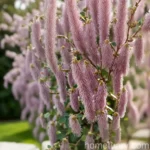
The rubykins Korean willow, scientifically known as Salix koriyanagi ‘Rubykins’, is a stunning deciduous shrub that belongs to the Salicaceae family. This charming plant originated from horticultural efforts in Korea and is celebrated for its elegant and vibrant foliage. The Rubykins willow is a small-sized tree that typically grows to a height of 6 to 12 feet, creating a delightful presence in gardens and landscapes.
Key Takeaways – Rubykins Korean Willow (Salix koriyanagi ‘Rubykins’)
Before we get into the finer details of the rubykins Korean willow, let’s take a look at the key takeaways that we will be exploring in this article:
- Plant Name: Salix koriyanagi ‘Rubykins’
- Cultural Aspects: Water, sunlight, fertilizer, soil, and pruning
- Uses: Landscape, ornamental, and potential traditional medicinal uses
- Propagation: Tips for propagating the rubykins Korean willow
- Container Gardening: Insights for growing the rubykins willow in containers
- Common Diseases and Pests: Identification, prevention, and management
- Botanist’s Tips: Professional advice for nurturing the rubykins Korean willow
- Fun Facts: Intriguing and lesser-known aspects about the plant
- Links to External Resources: Additional references for enriched learning
Now, let’s unveil the captivating world of the rubykins Korean willow!
Culture
Cultivating the rubykins Korean willow involves a deep understanding of its requirements and growth habits. Let’s explore the essential cultural aspects that contribute to the health and vitality of this delightful plant.
Water
Watering Needs:
– The rubykins Korean willow thrives in moist soil conditions.
– Ensure consistent watering, especially during dry spells and hot weather.
– Avoid waterlogging, as excessively wet soil can lead to root rot.
Watering Frequency:
– Water the plant deeply 2-3 times per week during the growing season to maintain adequate moisture levels.
– Adjust the frequency based on weather conditions and soil moisture retention.
Sunlight
Sun Exposure:
– The rubykins willow flourishes in full sun to partial shade.
– Place the plant in a location that receives at least 4-6 hours of direct sunlight daily for optimal growth and foliage coloration.
Shade Tolerance:
– While the plant prefers sunlight, it possesses some tolerance to partial shade.
– However, reduced sunlight may lead to less vigorous growth and vibrant foliage display.
Fertilizer
Fertilization Schedule:
– Apply a balanced, slow-release fertilizer in early spring to promote healthy growth and vigor.
– Refrain from excessive fertilization, as it can result in rapid, weak growth.
Organic Supplements:
– Consider incorporating organic compost or well-aged manure around the base of the plant to enhance soil fertility naturally.
– Organic supplements facilitate the gradual release of nutrients, supporting the long-term health of the rubykins willow.
Soil
Soil Type:
– The rubykins Korean willow thrives in well-draining, loamy soil with a slightly acidic to neutral pH range.
– Ensure proper drainage to prevent water stagnation around the roots.
Soil Amendments:
– Incorporate organic matter such as compost or peat moss into the soil to improve its structure and moisture retention capacity.
– Ideal soil conditions encourage robust root development and overall plant health.
Pruning
Pruning Techniques:
– Prune the rubykins willow in late winter to early spring to remove dead or damaged branches.
– Shape the plant as desired, but avoid excessive pruning, which may compromise its natural form and beauty.
Size Control:
– Regular pruning helps maintain the desired size and shape of the plant, preventing overcrowding and ensuring adequate air circulation.
Uses
The rubykins Korean willow offers a myriad of uses, ranging from ornamental landscaping to potential traditional medicinal applications. Let’s explore the diverse ways in which this enchanting plant can be utilized.
Landscape
Aesthetic Appeal:
– The rubykins willow serves as a striking focal point in landscapes, contributing its vibrant foliage and elegant form to the overall aesthetic.
– Plant it as a standalone specimen or incorporate it into mixed borders for a touch of visual interest.
Privacy Screening:
– Due to its moderate height and dense foliage, the plant can be utilized as a natural privacy screen or windbreak in residential or urban settings.
Ornamental
Garden Accent:
– Adorn gardens, parks, and open spaces with the graceful presence of the rubykins Korean willow, adding a touch of elegance to the surroundings.
Seasonal Interest:
– The plant’s foliage undergoes compelling color changes throughout the seasons, transitioning from glossy green to vibrant red and orange hues in autumn.
Traditional Medicinal Uses
Potential Benefits:
– Studies suggest that certain willow species, including Salix koriyanagi, contain compounds with potential medicinal properties.
– The bark of some willow species has been historically used to produce salicylic acid, a key component in aspirin.
Caution:
– Consult with healthcare professionals and herbalists before considering the use of any plant-based remedies, as proper dosage and application are crucial for safety.
Propagation
Propagating the rubykins Korean willow allows for the expansion of its presence in gardens and landscapes. Let’s explore some tips for successful propagation of this charming plant.
Seed Propagation
Seed Collection:
– Collect mature seeds from the rubykins willow during the fruiting season, typically in late spring to early summer.
– Choose healthy, viable seeds for propagation.
Seed Preparation:
– Stratify the seeds by placing them in a container with moist peat moss or sand and refrigerating them for 3-4 weeks to simulate natural dormancy-breaking conditions.
Sowing Process:
– Sow the stratified seeds in containers or directly outdoors in well-draining soil, approximately 1/4 inch deep.
– Keep the soil consistently moist and provide adequate sunlight for germination.
Stem Cuttings
Cutting Selection:
– Select healthy, non-flowering stems for propagation, typically in late spring or early summer.
– Aim for 4-6 inch cuttings with several leaf nodes.
Rooting Medium:
– Dip the cut ends in a rooting hormone to encourage root development, then plant the cuttings in a well-draining rooting medium such as perlite or vermiculite.
Propagation Environment:
– Place the cuttings in a warm, humid environment with indirect sunlight and maintain consistent moisture levels to support root establishment.
Container Popularity
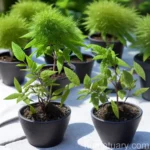
The rubykins Korean willow is well-suited for container gardening, offering a delightful presence in patios, balconies, and other confined spaces. Let’s explore the key considerations for growing the rubykins willow in containers.
Container Selection
Appropriate Size:
– Choose a spacious container that allows for adequate root development and stability.
– Consider a container with drainage holes to prevent waterlogging.
Soil Mix:
– Utilize a well-draining potting mix, incorporating perlite or coarse sand to improve drainage and aeration.
– Ensure the soil mix is lightweight yet moisture-retentive to support healthy growth.
Location:
– Position the container in an area that receives sufficient sunlight, ideally 4-6 hours of direct sunlight daily.
– Provide shelter from strong winds to prevent potential damage to the plant.
Maintenance
Watering Regimen:
– Monitor soil moisture levels regularly and water the plant when the top inch of the soil feels dry to the touch.
– Avoid overwatering, as it can lead to root suffocation and fungal issues.
Fertilization:
– Apply a balanced, water-soluble fertilizer at half strength every 4-6 weeks during the growing season to provide essential nutrients to the plant.
Pruning:
– Keep the plant in a manageable size by conducting regular pruning to maintain its shape and vigor.
– Remove any dead or overcrowded branches to promote healthy growth.
Common Diseases
As with any plant, the rubykins Korean willow is susceptible to various diseases that can impact its health and appearance. Understanding the common diseases and their management is crucial for maintaining the vitality of this charming plant.
Disease Diagnosis
Anthracnose:
– Symptoms include dark, sunken lesions on leaves, stems, and fruits.
– Implement proper sanitation practices and consider fungicidal treatments in severe cases.
Powdery Mildew:
– Recognized by the presence of powdery white patches on the foliage.
– Improve air circulation and consider applying fungicidal treatments to mitigate the spread of the disease.
Leaf Spot:
– Characterized by circular, dark spots on the leaves.
– Practice regular removal of infected plant debris and consider fungicidal treatments for severe cases.
Disease Prevention
Cultural Practices:
– Ensure proper spacing between plants to facilitate air circulation and reduce humidity levels, which can contribute to disease development.
Sanitation:
– Remove and dispose of affected plant parts promptly to prevent the spread of diseases within the garden or landscape.
Resistant Varieties:
– Select disease-resistant varieties of the rubykins willow if available, providing an added layer of protection against common diseases.
Common Pests
Pest infestations can pose significant challenges to the health and vigor of the rubykins Korean willow. Identifying common pests and implementing effective control measures is essential for preserving the plant’s well-being.
Aphids
Symptoms:
– The presence of aphids can result in distorted growth, yellowing leaves, and the formation of sticky honeydew on the foliage.
Control Measures:
– Utilize insecticidal soaps or horticultural oils to manage aphid populations and prevent their proliferation.
Caterpillars
Symptoms:
– Caterpillar feeding activity may lead to visible foliage damage, including holes and chewed edges on the leaves.
Control Measures:
– Handpick caterpillars from the plants and consider the application of biological insecticides to target specific caterpillar species.
Scale Insects
Symptoms:
– Scale insects often appear as small, raised bumps on the stems and foliage of the plant.
Control Measures:
– Employ horticultural oils to smother and suffocate scale insects, effectively reducing their presence on the plant.
Botanist’s Tips
To ensure the successful cultivation and enjoyment of the rubykins Korean willow, consider the following expert tips provided by seasoned botanists and horticulturists.
Soil Preferences
Optimal pH Range:
– Aim for a slightly acidic to neutral pH range, ideally between 5.5 to 7.0, to provide suitable soil conditions for the rubykins willow.
Drainage Considerations:
– Prioritize well-draining soil to prevent waterlogging, which can lead to root rot and other moisture-related issues.
Growth Habits
Vigorous Growth Potential:
– The rubykins Korean willow exhibits moderate to fast growth rates when provided with favorable environmental conditions and proper care.
Root Development:
– Encourage robust root development by ensuring adequate soil moisture, promoting healthy below-ground growth to support the plant’s vitality.
Foliage Color
Seasonal Changes:
– Take delight in the captivating color transitions of the foliage, with varying shades of green, red, and orange displayed throughout the growing season.
Nutrient Influence:
– Optimal fertilization and soil nutrition contribute to vibrant and healthy foliage coloration, enhancing the visual appeal of the plant.
Fun Facts
Uncover some intriguing and lesser-known facts about the enchanting rubykins Korean willow that showcase its unique characteristics and contributions to the natural world.
- The rubykins willow is known for its exceptional hardiness, withstanding chilly winter temperatures and showcasing resilience in various climatic conditions.
- Certain willow species, including Salix koriyanagi, have historical ties to traditional medicine, with the bark containing compounds that can be utilized to produce salicylic acid, a precursor to aspirin.
- The vibrant foliage of the rubykins Korean willow adds a touch of natural artistry to landscapes, providing ever-changing hues throughout the seasons.
Links to External Resources
For additional insights and enriched learning experiences related to the rubykins Korean willow and its cultivation, explore the following external resources:
- American Horticultural Society – Salix koriyanagi ‘Rubykins’ Information
- Royal Horticultural Society – Caring for Willow Trees
- University of California Agriculture and Natural Resources – Willow Tree Selection and Care
- The Spruce – How to Grow and Care for Willow Trees
As we conclude our exploration of the captivating rubykins Korean willow, we hope you have gained valuable insights into the cultural, uses, care tips, and fascinating attributes of this remarkable plant. Whether it graces your garden, enriches your landscape, or sparks your curiosity about botanical wonders, the rubykins willow has undoubtedly left an indelible mark through its elegance and inherent charm.
Embrace the beauty of nature, and may the grace of the rubykins Korean willow inspire your botanical endeavors and appreciation for the natural world!
Keywords: Korean willow ‘Rubykins’, Salix koriyanagi ‘Rubykins’, rubykins willow, Korean ruby willow, Salix koriyanagi, Rubykins tree, Korean willow variety, Rubykins plant care, Salix koriyanagi cultivation, Rubykins willow tree, Korean willow species, Salix koriyanagi ‘Rubykins’ characteristics, Rubykins willow uses, Korean willow facts, Salix koriyanagi ‘Rubykins’ information, Rubykins willow propagation, Korean willow growth habits, Salix koriyanagi ‘Rubykins’ pruning tips, Rubykins willow landscape uses, Korean willow diseases, Salix koriyanagi ‘Rubykins’ pests, Rubykins willow planting guide, Korean willow cultivation tips, Salix koriyanagi ‘Rubykins’ care instructions, Rubykins willow species description, Korean willow varieties, Salix koriyanagi ‘Rubykins’ characteristics, Rubykins willow benefits, Korean willow landscaping ideas, Salix koriyanagi ‘Rubykins’ growth rate, Rubykins willow pruning techniques, Korean willow care tips, Salix koriyanagi ‘Rubykins’ landscape uses, Rubykins willow propagation methods, Korean willow habitat requirements, Salix koriyanagi ‘Rubykins’ water needs, Rubykins willow companion plants, Korean willow planting techniques, Salix koriyanagi ‘Rubykins’ foliage color, Rubykins willow uses in traditional medicine, Korean willow environmental benefits, Salix koriyanagi ‘Rubykins’ growth habits, Rubykins willow landscaping inspiration, Korean willow shade tree, Salix koriyanagi ‘Rubykins’ soil preferences, Rubykins willow ornamental features, Korean willow wildlife habitat, Salix koriyanagi ‘Rubykins’ pruning frequency, Rubykins willow drought tolerance, Korean willow winter hardiness.