Planting and Caring for Tickseed (Coreopsis SOLANNA GOLDEN SPHERE)
In the world of gardening, few things are as rewarding as growing beautiful blooms that bring joy and vibrancy to any outdoor space. Tickseed (Coreopsis SOLANNA GOLDEN SPHERE) is certainly one such plant that can brighten up gardens, landscapes, and flowerbeds with its dazzling golden blooms. Known for its resilience and low maintenance requirements, tickseed is a popular choice for both experienced and novice gardeners alike. In this comprehensive guide, we will explore the various aspects of tickseed cultivation, care, and maintenance, equipping you with all the information you need to nurture these stunning flowers in your own garden.
What is Tickseed (Coreopsis SOLANNA GOLDEN SPHERE)?
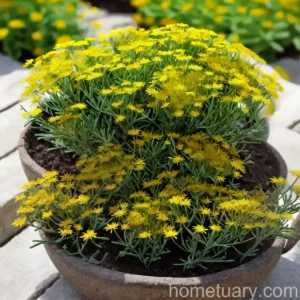
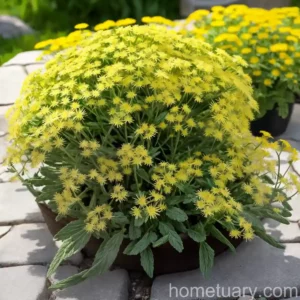
Tickseed, scientifically known as Coreopsis SOLANNA GOLDEN SPHERE, is a charming flowering plant belonging to the Coreopsis genus, which is part of the Asteraceae family. Renowned for its bright, golden-yellow flowers, tickseed adds a delightful burst of color to any garden or landscape. The name “tickseed” is derived from the appearance of its seeds, which resemble tiny ticks or insects. The Coreopsis SOLANNA GOLDEN SPHERE variety is particularly prized for its sphere-shaped, double flowers, adding an extra layer of visual interest to its appeal.
Key Takeaways – Tickseed (Coreopsis SOLANNA GOLDEN SPHERE)
Before delving into the details of tickseed cultivation and care, let’s take a quick look at the key takeaways that will be covered in this comprehensive guide:
- Plant Name: tickseed (Coreopsis SOLANNA GOLDEN SPHERE)
- Culture
- Uses
- Water
- Sunlight
- Fertilizer
- Soil
- Pruning
- Propagation
- Container Popularity
- Common Diseases
- Common Pests
- Botanist’s Tips
- Fun Facts
- Links to External Resources
Culture
Uses
Tickseed (Coreopsis SOLANNA GOLDEN SPHERE) is a versatile plant with various uses, ranging from ornamental purposes to ecological benefits. Some of its primary uses include:
- Ornamental Purposes: Tickseed is primarily grown for its attractive and vibrant flowers, making it a popular choice for garden borders, rock gardens, containers, and naturalized settings. Its bright blooms bring an alluring charm to any outdoor space.
- Pollinator Attraction: The nectar-rich flowers of tickseed serve as a valuable food source for pollinators, including bees, butterflies, and other beneficial insects. By cultivating tickseed, gardeners can contribute to supporting local pollinator populations and promoting biodiversity in their gardens.
Water
Providing appropriate water to tickseed plants is crucial for their health and vitality. While tickseed is known for its drought tolerance, especially once established, adequate moisture levels are essential, particularly during the establishment phase and prolonged dry spells.
Sunlight
Tickseed thrives in full sun and is best suited to locations with at least 6-8 hours of direct sunlight per day. Adequate sunlight is essential for promoting prolific flowering and maintaining the plant’s overall vigor and health.
Fertilizer
When it comes to fertilizing tickseed, a balanced, all-purpose fertilizer can be applied in early spring, before the growing season kicks into full gear. Additionally, a light application of fertilizer in mid-summer can provide an extra boost to encourage continuous blooming.
Soil
Tickseed prefers well-draining soil and is capable of thriving in a range of soil types, including sandy, loamy, or rocky soils. It’s important to ensure that the chosen planting site offers good drainage to prevent waterlogging, which can be detrimental to the plant’s health.
Pruning
Pruning tickseed can help maintain its shape, promote additional flowering, and prevent the plant from becoming overly leggy. Deadheading spent flowers throughout the blooming season can encourage the development of new blooms and extend the flowering period.
Propagation
Tickseed can be propagated through various methods, including seed propagation and division. Seed propagation involves collecting and sowing mature seeds in a prepared seedbed or container, while division can be carried out by separating and replanting healthy root clumps. Both methods offer gardeners the opportunity to propagate and expand their tickseed population.
Container Popularity
Tickseed is well-suited to container cultivation, making it an excellent choice for individuals with limited garden space or those looking to add a burst of color to patios, balconies, or terraces. When grown in containers, tickseed can thrive in well-draining potting soil and benefit from regular moisture and sunlight.
Common Diseases
While tickseed is relatively resistant to diseases, it can be susceptible to certain issues, including powdery mildew, aster yellows, and fungal infections. Optimal growing conditions, including proper air circulation and spacing between plants, can help reduce the risk of disease development.
Common Pests
Several common pests, such as aphids, thrips, and spider mites, can occasionally pose a threat to tickseed plants. Regular monitoring and prompt intervention, if necessary, can help manage pest infestations effectively.
Botanist’s Tips
For enthusiasts seeking to maximize the success of their tickseed cultivation, here are some expert tips from botanists and experienced gardeners:
- Soil Preparation: Before planting tickseed, ensure the soil is well-prepared with organic matter to provide a fertile and welcoming environment for the plants.
- Watering Practices: During hot and dry periods, pay close attention to the watering needs of tickseed, ensuring they receive adequate moisture without becoming waterlogged.
- Pollinator Support: Embrace tickseed as not only a beautiful addition to the garden but also as a valuable resource for supporting local pollinators, thereby contributing to ecological balance.
Fun Facts
To further appreciate the charm and allure of tickseed, consider these fascinating fun facts about the plant:
- The name “tickseed” is attributed to the shape and appearance of the plant’s seeds, which resemble tiny ticks.
- Tickseed is a native wildflower in many regions of North America, reflecting its adaptability and resilience in various ecological settings.
- In addition to its ornamental value, tickseed plays a crucial role in supporting pollinator populations and preserving biodiversity in natural habitats.
Links to External Resources
Ready to dive deeper into the world of tickseed cultivation and care? Explore the following external resources for additional insights:
With its golden sphere blooms and easy-going nature, tickseed (Coreopsis SOLANNA GOLDEN SPHERE) offers a delightful addition to any garden or landscape. By understanding its cultural requirements, potential uses, and best practices for care and maintenance, you can cultivate these vibrant flowers with confidence and create an enchanting outdoor space that celebrates the beauty of nature. Whether you’re a seasoned gardener or embarking on your first horticultural journey, embrace the joy of growing tickseed and relish in the splendor it brings to your surroundings.