Solomon’s Seal (Polygonatum Biflorum)
As a plant scientist, I am constantly amazed by the diversity and adaptability of plant life. One such plant that has caught my attention is the Solomon’s.
Introduction
As a plant scientist, I am constantly amazed by the diversity and adaptability of plant life. One such plant that has caught my attention is the Solomon’s seal, scientifically known as Polygonatum biflorum. This herbaceous perennial plant is revered for its delicate beauty, resilience, and diverse cultural uses. In this comprehensive guide, we will delve into the various aspects of Solomon’s seal, including its culture, uses, care requirements, propagation methods, common diseases, and more. Whether you are a seasoned gardener, a nature enthusiast, or someone interested in herbal medicine, this article will provide valuable insights into the captivating world of Solomon’s seal.
What is Solomon’s Seal (Polygonatum Biflorum)?
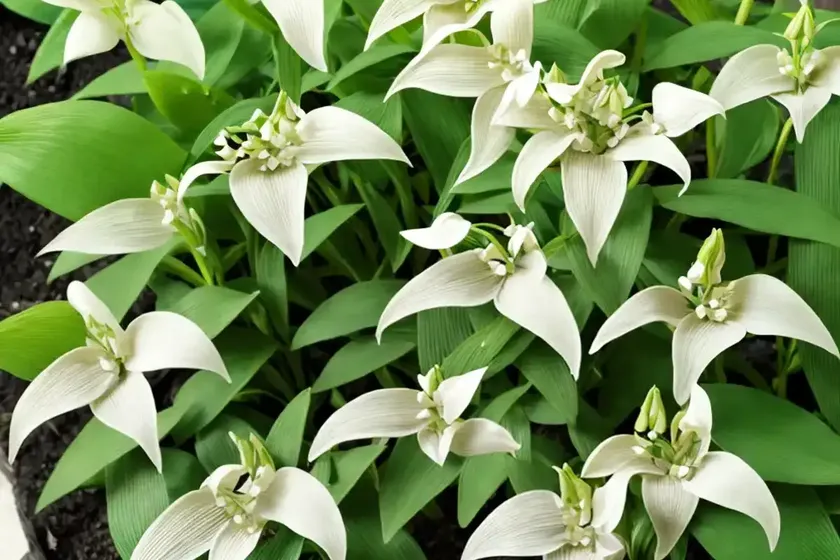
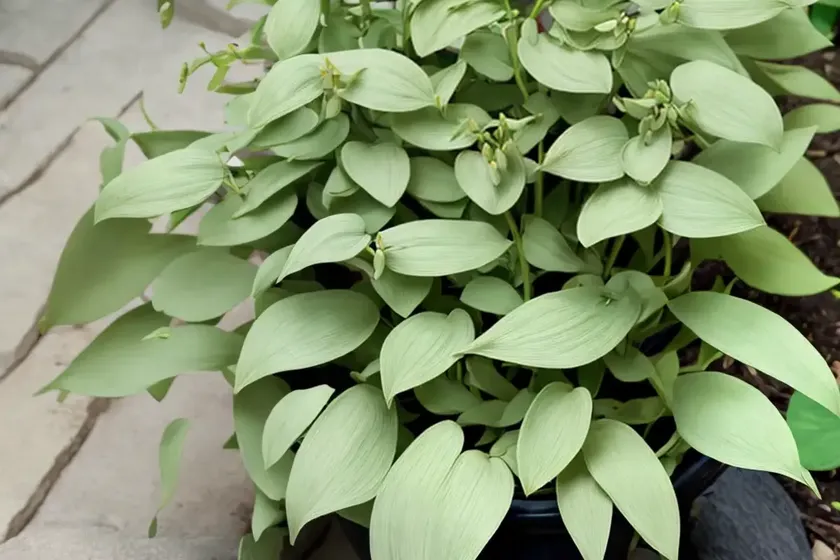
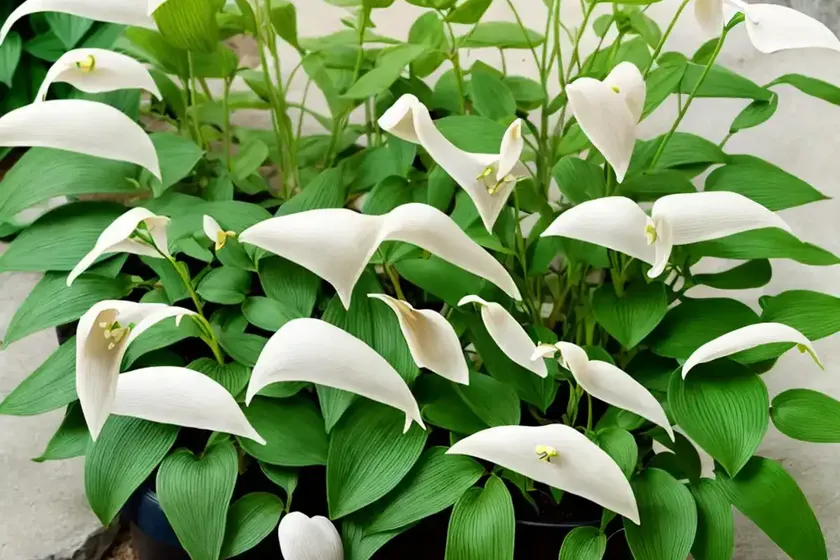
Solomon’s seal, of the Polygonatum genus, is a group of several species of flowering plants that belong to the Asparagaceae family. These plants are known for their graceful, arching stems, and nodding, bell-shaped flowers that typically bloom in spring. The species Polygonatum biflorum is native to North America and is cherished for its ornamental value, as well as its historical and contemporary uses in herbal medicine. With its preference for shady woodland habitats, Solomon’s seal has become a popular choice for woodland gardens, shaded borders, and naturalized landscapes.
Key Takeaways
- Solomon’s seal is a shade-loving, herbaceous perennial plant.
- It is native to North American woodlands and is valued for its ornamental and medicinal properties.
Culture
Cultivating Solomon’s seal involves understanding its preferred growing conditions, watering needs, sunlight requirements, soil preferences, and suitable companion plants. Let’s explore these aspects in detail.
Uses
The uses of Solomon’s seal are multifaceted, encompassing its role as an ornamental plant, a source of herbal remedies, and its ecological significance in providing habitat and food for wildlife. Understanding its diverse uses can provide valuable insights into its cultural and ecological relevance.
Water
Solomon’s seal, with its origins in woodland environments, has adapted to moderate moisture levels. It thrives in well-drained soils with consistent moisture, making it an excellent choice for shaded areas with loamy or rich organic soils. However, it is essential to avoid waterlogged conditions, as excessive moisture can lead to root rot and other issues.
Sunlight
As a shade-loving plant, Solomon’s seal flourishes in partial to full shade, making it an ideal candidate for shaded garden spaces, under trees, or along north-facing walls. The dappled sunlight in woodland settings provides the perfect environment for its growth and blooming.
Fertilizer
When it comes to fertilization, Solomon’s seal benefits from a balanced, organic fertilizer applied in early spring as new growth emerges. A layer of compost or well-rotted manure can also be applied as a top dressing to provide a steady source of nutrients throughout the growing season.
Soil
The ideal soil for Solomon’s seal is rich, humusy, and well-drained, mimicking the forest floor environment where it naturally thrives. A pH range of 5.5 to 6.5 is optimal for its growth, and incorporating organic matter into the soil can enhance its fertility and moisture retention.
Pruning
Pruning Solomon’s seal primarily involves removing dead or damaged foliage, particularly after the flowering period. This helps maintain the plant’s vigor and aesthetics while preventing the spread of diseases and pests. Minimal pruning is generally required for this low-maintenance plant.
Propagation
The propagation of Solomon’s seal can be achieved through several methods such as division, seed sowing, and rhizome cuttings. Each of these techniques offers unique advantages and considerations, allowing for the expansion of Solomon’s seal populations in home gardens and natural landscapes.
Container Popularity
Solomon’s seal’s adaptability to container culture has made it a popular choice for gardeners with limited space or those seeking to create woodland-inspired container gardens. Its elegant foliage and understated charm make it a captivating addition to container plantings, enhancing patios, balconies, and shaded outdoor spaces.
Common Diseases
While Solomon’s seal is generally resilient, it can be susceptible to certain diseases that may affect its overall health and appearance. Being aware of these diseases and their management is crucial for ensuring the continued vitality of Solomon’s seal in garden and landscape settings.
Disease Diagnosis
Recognizing the symptoms of common diseases such as fungal infections and viral issues is essential for timely intervention and effective disease management. By closely monitoring the plant’s health and appearance, gardeners can address potential disease issues before they escalate.
Common Pests
In addition to diseases, Solomon’s seal may face challenges posed by various pests that can impact its growth and vitality. Familiarizing oneself with these pests and their control measures is vital for maintaining healthy Solomon’s seal populations in gardens and natural habitats.
Botanist’s Tips
To gain a deeper appreciation for Solomon’s seal and its ecological significance, it is valuable to explore botanical insights, conservation efforts, and best practices for its preservation and cultivation. These tips offer guidance for maximizing the benefits of this charismatic plant.
Fun Facts
Delving into the intriguing aspects of Solomon’s seal, such as its folklore, unique traits, and ecological contributions, can enrich our understanding and appreciation of this captivating species. Uncovering the fun and fascinating facts associated with Solomon’s seal can inspire a deeper connection with nature.
Links to External Resources
For further exploration of Solomon’s seal and related topics, the following external resources provide valuable information, insights, and perspectives:
- American Botanical Council: Solomon’s Seal Monograph
- Royal Horticultural Society: Growing Polygonatum
- United States Department of Agriculture: Plant Guide for Solomon’s Seal
- The Herb Society of America: Solomon’s Seal – Plant of the Month
In conclusion, Solomon’s seal stands as a testament to the remarkable adaptability and distinctive characteristics of shade-loving perennial plants. Its ornamental allure, ecological role, and cultural significance make it a cherished component of woodland gardens, natural landscapes, and herbal medicine traditions. By understanding its culture, propagation, care requirements, and ecological context, we can foster a deeper appreciation for this captivating plant and its contributions to our natural and cultural heritage.
As we continue to explore the intricate tapestry of plant life, the tale of Solomon’s seal provides a compelling narrative of resilience, beauty, and interconnectedness within the natural world. Embracing the lessons and inspirations offered by this enchanting plant can enrich our gardening endeavors, ecological stewardship, and appreciation for the wonders of nature.
Let’s discuss the topics of the Plant Name: “Solomon’s seal (Polygonatum biflorum)” you are most interested in, I’ll be happy to provide more details.