Japanese Red Pine (Pinus densiflora ‘Pendula’)
In the world of horticulture and landscape gardening, the Japanese red pine Pinus densiflora, specifically the Pendula variety, stands out for its graceful weeping branches and striking foliage. This beloved conifer has been a staple in Japanese gardens for centuries and continues to captivate plant enthusiasts and landscapers worldwide.
As a plant scientist dedicated to studying and understanding the complexities of various plant species, I find the Japanese red pine Pinus densiflora ‘Pendula’ to be an inspiring subject with its unique characteristics and cultural significance. In this comprehensive guide, we will explore the intricacies of caring for and utilizing this beautiful evergreen tree. From cultural practices to potential pests and diseases, we will delve into every aspect of Japanese red pine care and cultivation.
What is the Japanese Red Pine (Pinus densiflora ‘Pendula’)?
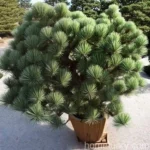
The Japanese red pine, scientifically known as Pinus densiflora, is a species of pine native to Japan and Korea. The ‘Pendula’ variety is a distinctive cultivar characterized by its pendulous branches, creating an elegant weeping form. This cultivar is highly prized for its ornamental value and is often used as a focal point in garden landscapes due to its striking appearance.
Key Takeaways – Japanese Red Pine (Pinus densiflora ‘Pendula’)
- Common Name: Japanese red pine
- Scientific Name: Pinus densiflora ‘Pendula’
- Variety: Pendula
- Plant Type: Evergreen Tree
- Growth Habit: Weeping, Pendulous Branches
- Foliage: Needle-like, Dark Green
- Uses: Ornamental, Bonsai, Landscape focal point
Now, let’s delve into the various aspects of caring for and utilizing the Japanese red pine, from cultural practices to potential uses and maintenance requirements.
Culture
Water
Proper watering is crucial for the health and vitality of Japanese red pine trees, especially during their establishment phase. Once the tree is well-established, it becomes more drought-tolerant, but regular watering is still essential, particularly during dry periods.
- Establishment Phase: Water deeply once or twice a week, ensuring the soil is evenly moist but not waterlogged.
- Mature Trees: Provide supplemental watering during prolonged dry spells, especially in hotter climates or if the tree is grown in a container.
Sunlight
Japanese red pines thrive in full sun to partial shade, ideally receiving at least 6-8 hours of direct sunlight per day. However, they can tolerate some shade, particularly in regions with intense summer heat.
- Optimal Conditions: Plant in a location with full morning sun and afternoon shade in hotter climates.
- Avoid: Excessive shade or dense shade from surrounding trees, as it can inhibit healthy growth and foliage development.
Fertilizer
Applying a balanced fertilizer specifically formulated for evergreen trees can promote healthy growth and vibrant foliage. It is best to fertilize Japanese red pines in early spring before new growth begins.
- Fertilizer Type: Choose a slow-release fertilizer designed for evergreen trees.
- Application: Sprinkle the fertilizer evenly around the drip line of the tree and water thoroughly to encourage proper absorption.
Soil
Well-draining, acidic soil is essential for the successful cultivation of Japanese red pines. They prefer slightly acidic soil with a pH range between 5.5 and 6.5. Amending the soil with organic matter can improve its structure and fertility.
- Soil Type: Sandy loam or loamy soil with good drainage.
- Acidic Conditions: Perform soil tests and amend the soil with acidic organic matter such as peat moss or pine bark if necessary.
Pruning
Pruning is a crucial aspect of maintaining the graceful form of the Japanese red pine, especially for the ‘Pendula’ variety with its weeping branches. Proper pruning techniques can enhance the tree’s aesthetic appeal and encourage a balanced structure.
- Timing: Prune in late winter to early spring before new growth emerges.
- Techniques: Remove any dead, damaged, or crossing branches. Additionally, selectively prune to maintain the tree’s pendulous form.
Propagation
While Japanese red pines can be propagated from seeds, the ‘Pendula’ variety is often propagated through grafting. It is essential to obtain scion wood from a healthy, disease-free tree to ensure the success of the propagation process.
- Grafting: Utilize the cleft grafting or whip-and-tongue grafting technique to propagate the ‘Pendula’ variety onto suitable rootstock.
Container Popularity
The Japanese red pine Pinus densiflora ‘Pendula’ is a popular choice for container cultivation, particularly for bonsai enthusiasts and gardeners with limited space. When grown in containers, it is essential to address specific care requirements to ensure the tree’s health and well-being.
- Container Size: Select a spacious container to accommodate the tree’s root system and ensure stability.
- Drainage: Ensure the container has adequate drainage to prevent waterlogging, which can lead to root rot.
- Frequent Monitoring: Regularly monitor the soil moisture and adjust watering frequency based on the tree’s needs.
Container Common Diseases
Container-grown Japanese red pines may be susceptible to certain diseases that are exacerbated by the unique conditions associated with container cultivation. Understanding these potential diseases is essential for implementing preventative measures and timely interventions.
Disease Diagnosis
- Root Rot: Overwatering or poor drainage can lead to root rot, characterized by wilting foliage, yellowing needles, and a foul odor emanating from the soil.
- Needlecast Diseases: Several fungal pathogens can cause needlecast diseases, leading to the discoloration and premature shedding of needles.
Common Pests
While Japanese red pines are relatively resistant to pests, certain insects can pose a threat, particularly when the trees are stressed or growing in suboptimal conditions. Vigilance and proactive pest management can help protect the trees from potential infestations.
Botanist’s Tips
- Monitor Tree Health: Regularly inspect the foliage and branches for any signs of pest infestations or diseases.
- Promote Tree Vigor: Ensure the tree receives proper care, including adequate watering, fertilization, and appropriate pruning, to enhance its natural resistance to pests and diseases.
Fun Facts
- The Japanese red pine Pinus densiflora holds cultural significance in Japan, where it is associated with symbolism and aesthetic traditions such as bonsai cultivation and landscape gardening.
- The weeping form of the ‘Pendula’ variety adds a sense of tranquility and elegance to garden landscapes, making it a sought-after tree for creating serene outdoor spaces.
Now, let’s explore external resources and further information about the Japanese red pine Pinus densiflora ‘Pendula’.
Links to External Resources
Plant Name: “Japanese Red Pine (Pinus densiflora ‘Pendula’)”
- Royal Horticultural Society: Pinus densiflora ‘Pendula’
- Missouri Botanical Garden: Pinus densiflora ‘Pendula’
- University of Florida IFAS Extension: Japanese Red Pine in the Home Landscape
- American Conifer Society: Pinus densiflora ‘Pendula’
In summary, the Japanese red pine Pinus densiflora ‘Pendula’ embodies the beauty of nature and the artistry of landscape design. Its pendulous branches, vibrant foliage, and cultural significance make it a captivating addition to gardens and outdoor spaces. By understanding its cultural practices, care requirements, and potential challenges, we can celebrate and preserve the timeless allure of this remarkable tree.