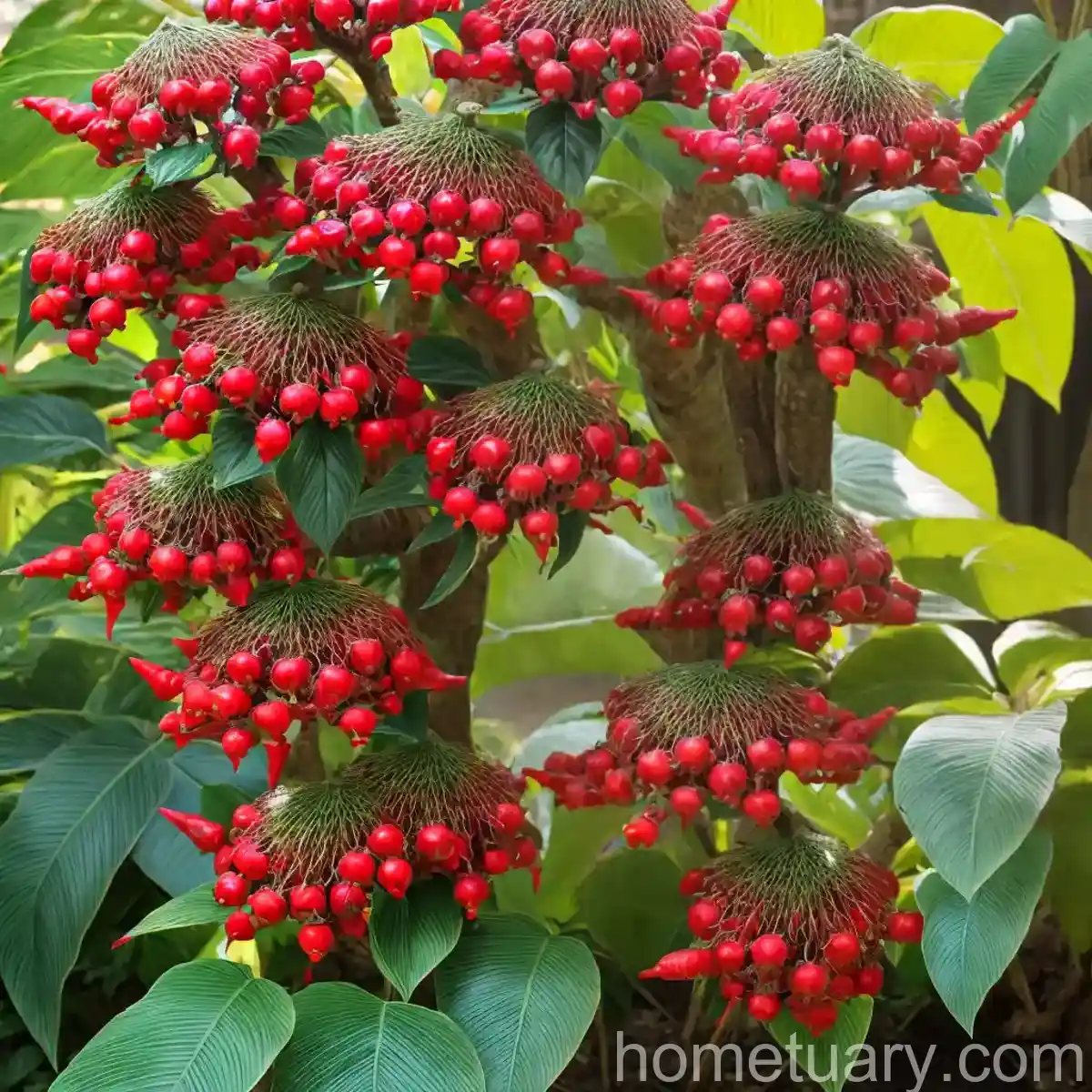
The Fascinating Wheel Tree (Trochodendron aralioides)
Plants have always held a special place in human society, contributing to our ecosystems, supporting life, providing food, and offering beauty. Among the myriad of plant species, the wheel tree (Trochodendron aralioides) stands out as a particularly unique and intriguing specimen. In this comprehensive guide, we will explore the various aspects of the wheel tree, from its characteristics and cultivation to its uses and significance in different cultural and natural settings.
What is the Wheel Tree (Trochodendron aralioides)?
The wheel tree, scientifically known as Trochodendron aralioides, is a remarkable and lesser-known plant species that belongs to the family Trochodendraceae. This species is the only member of its genus and is native to East Asia, including regions such as China, Japan, and Korea. The wheel tree is renowned for its unusual characteristics, making it a captivating subject for plant enthusiasts and researchers alike.
Key Takeaways
Before delving further into the diverse facets of the wheel tree, let’s provide a brief overview of the key takeaways about this fascinating plant:
- Scientific Name: Trochodendron aralioides
- Native Habitat: East Asia, including China, Japan, and Korea
- Unique Features: Unconventional wheel-like flowers, evergreen foliage
- Cultural Significance: Used in traditional medicine, landscaping, and horticulture
- Growth Requirements: Partial to full shade, well-drained soil, adequate moisture
- Maintenance: Minimal pruning required, adaptable to container cultivation
- Pests and Diseases: Generally hardy, but may be susceptible to certain pests and diseases
- Special Considerations: Cold-hardy, suitable for woodland and coastal gardens
Now, let’s embark on a journey to unravel the mysteries and marvels of the wheel tree, from its cultural uses to its botanical characteristics and everything in between.
Cultivation of the Wheel Tree
In order to cultivate the wheel tree successfully and witness its unique beauty firsthand, it is essential to understand its specific requirements and growth preferences. From sunlight and water needs to soil conditions and fertilizer, providing the optimal environment for the wheel tree is crucial for its well-being and flourishing growth.
Sunlight
The wheel tree thrives in partial to full shade, making it an excellent choice for shaded gardens, woodlands, and areas with dappled sunlight. Its preference for shady conditions sets it apart from many other ornamental plants, as it can contribute to the aesthetic appeal of areas with limited direct sunlight.
Water
When it comes to watering the wheel tree, it is important to maintain soil moisture without allowing waterlogging. Consistent watering, especially during dry periods, is beneficial for the tree’s growth and overall health. However, it is equally crucial to ensure that the soil has proper drainage to prevent water accumulation around the roots.
Fertilizer
The wheel tree generally does not have high fertilizer requirements. A balanced, slow-release fertilizer applied in spring can provide the necessary nutrients for healthy growth. It is advisable to follow the manufacturer’s recommendations regarding the application and dosage of fertilizer, taking into account the specific needs of the wheel tree.
Soil
The wheel tree thrives in well-drained, acidic to slightly alkaline soil. Loamy, rich, and moist soil is ideal for its growth, and incorporating organic matter into the soil can further enhance its development. Conducting a soil test and amending the soil as needed can create an optimal growing environment for the wheel tree.
Pruning and Maintenance
One of the appealing attributes of the wheel tree is its relatively low maintenance requirements. Minimal pruning is typically sufficient to maintain its desired shape and remove any dead or damaged branches. The tree’s natural form and growth habit often make it an attractive and visually pleasing addition to gardens without extensive intervention.
Propagation
Propagation of the wheel tree can be achieved through various methods, including seeds, cuttings, and layering. While growing from seeds may require more time and patience, utilizing semi-hardwood cuttings or layering can offer a more expedient way to propagate this distinctive plant. Ensuring proper care and suitable growing conditions for the propagated specimens is essential for their successful establishment.
Container Cultivation
The adaptability of the wheel tree to container cultivation expands the possibilities of incorporating this striking plant into diverse settings, including urban gardens, patios, and small outdoor spaces. When cultivating the wheel tree in containers, it is essential to select a spacious container with adequate drainage, utilize well-draining potting mix, and provide the necessary shade and moisture requirements for optimal growth.
Popularity in Container Gardening
The distinctive appearance and manageable size of the wheel tree make it an appealing choice for container gardening enthusiasts. Its evergreen foliage and unique wheel-like flowers can add an elegant and intriguing touch to outdoor spaces, balconies, and courtyards, making it a sought-after option for those seeking an unconventional yet visually striking plant for their containers.
Common Uses of the Wheel Tree
The wheel tree holds significance in various cultural, medicinal, and landscaping contexts, contributing to its multifaceted appeal and relevance in different settings.
Cultural Uses
In traditional medicine and folklore, the wheel tree has been utilized for its purported medicinal properties. Its bark, leaves, and other parts have been attributed with various medicinal benefits, and it has been incorporated into different herbal remedies and preparations.
Ornamental Value
In horticulture and landscaping, the wheel tree serves as an ornamental plant prized for its unique characteristics and aesthetic appeal. Its evergreen foliage, distinctive flowers, and adaptability to shaded environments make it a valuable addition to woodland gardens, Japanese and Chinese gardens, and other landscape designs.
Environmental Contribution
Beyond its ornamental and cultural uses, the wheel tree also contributes to environmental enhancement and biodiversity support. Its suitability for woodland and coastal gardens, as well as its role in providing habitat and food for wildlife, underscores its ecological significance.
Landscape Design
The elegant and distinctive appearance of the wheel tree makes it an evocative element in landscape design. Its adaptability to various settings, from urban gardens to traditional landscapes, presents opportunities for creative and harmonious integration into diverse outdoor environments.
Common Diseases and Pest Management
While the wheel tree is generally hardy and resilient, it may be susceptible to specific diseases and pests that can potentially impact its health and vitality. Understanding these potential challenges and implementing preventive measures is crucial for safeguarding the well-being of the wheel tree.
Disease Diagnosis
Common diseases that may affect the wheel tree include fungal infections such as powdery mildew and leaf spot diseases. Monitoring the tree for any signs of abnormal discoloration, spotting, or unusual growth can aid in early detection and prompt treatment of potential diseases.
Common Pests
Pests that may pose a threat to the wheel tree include aphids, scale insects, and spider mites, among others. Regular inspection of the foliage and stems can help identify any pest infestations and enable timely intervention to mitigate their impact on the tree’s health.
Botanist’s Tips for Wheel Tree Care
Drawing on our exploration of the wheel tree’s cultivation, uses, and potential challenges, here are some expert tips to guide you in caring for this captivating plant:
- Selecting an Appropriate Site: Choose a shaded location with well-drained soil for optimal growth.
- Balanced Watering: Maintain consistent moisture levels without overwatering the tree.
- Minimal Pruning: Practice minimal pruning to preserve the tree’s natural form and minimize the risk of stress or damage.
- Pest and Disease Monitoring: Regularly inspect the tree for signs of pests and diseases to facilitate early intervention if needed.
- Container Considerations: When cultivating the wheel tree in containers, ensure proper drainage and suitable potting mix to support its growth.
Fun Facts about the Wheel Tree
To further enrich our understanding and appreciation of the wheel tree, let’s explore some intriguing and lesser-known facts about this remarkable plant:
- The wheel tree is often referred to as a “living fossil” due to its ancient lineage and unique evolutionary history.
- Its wheel-like flowers, from which it derives its common name, exhibit a distinctive and captivating appearance, adding to its allure as an ornamental plant.
- The wheel tree has been utilized in traditional medicine for centuries, with various parts of the plant being ascribed with medicinal properties and applications.
- In its native habitats, the wheel tree is revered for its cultural and symbolic significance, often playing a prominent role in traditional gardens and landscapes.
- Despite its relative rarity in cultivation outside its native range, the wheel tree has garnered the admiration of plant enthusiasts and horticulturists worldwide, contributing to its growing recognition and appeal.
Links to External Resources
For those seeking further information and insights into the wheel tree, the following external resources offer valuable perspectives and details:
- The Royal Horticultural Society (RHS) – Wheel Tree Profile
- Missouri Botanical Garden – Trochodendron aralioides Overview
- American Society of Plant Biologists (ASPB) – Plant Science Resources
- University Botanic Gardens, Cambridge – Botanical Collections and Gardens
Conclusion
As we conclude our exploration of the captivating wheel tree (Trochodendron aralioides), we have delved into its unique characteristics, cultivation requirements, uses, and cultural significance. From its distinctive wheel-like flowers to its adaptability to various growing conditions, the wheel tree continues to captivate and inspire plant enthusiasts, horticulturists, and nature lovers alike.
By understanding and appreciating the intricate and multifaceted nature of the wheel tree, we can cultivate a deeper connection to this exceptional plant and its role in enriching our natural and cultural landscapes. Whether as an ornamental addition to gardens, a source of traditional medicine, or a contributor to ecological diversity, the wheel tree stands as a testament to the enduring allure and importance of plant life in our world.
As we continue to cherish and nurture the wheel tree and other botanical wonders, let us embrace the invaluable gifts and treasures that the plant kingdom bestows upon us, fostering harmony, beauty, and sustainability in our shared environment.