Red-Veined Dock (Rumex sanguineus): A Comprehensive Plant Profile
Plants are not only essential for our planet’s ecosystem, but they also bring joy and beauty to our surroundings. Having a garden full of diverse plant species can be an enriching and rewarding experience. In this blog post, we’ll delve into the fascinating world of the red-veined dock (Rumex sanguineus), a unique and visually striking plant that has garnered attention for its ornamental and medicinal properties.
What is Plant “Red-Veined Dock” (Rumex sanguineus)
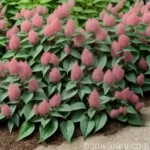
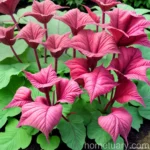
Red-veined dock, scientifically known as Rumex sanguineus, is a herbaceous perennial plant that belongs to the Polygonaceae family. This plant is acclaimed for its vibrant foliage, with striking red veins contrasting against deep green leaves. It is native to the Mediterranean region and is also found in parts of southwest Asia.
Key Takeaways – Red-Veined Dock (Rumex sanguineus)
Before delving into the specifics of red-veined dock’s characteristics and care requirements, let’s review some key takeaways about this intriguing plant.
- Botanical Name: Rumex sanguineus
- Common Name: Red-veined dock
- Plant Type: Herbaceous perennial
- Foliage Color: Green with prominent red veins
- Sunlight: Full sun to partial shade
- Watering: Moderate
- Soil Type: Well-draining
- Hardiness Zone: 6a – 9b
- Uses: Ornamental, medicinal
- Height: 1 – 1.5 feet
- Spread: 1 – 1.5 feet
- Native Habitat: Mediterranean region
- Pest and Disease Control: Minimal susceptibility
Now, let’s dive deeper into the various aspects of red-veined dock, including its culture, uses, care requirements, and more.
Culture
Understanding the cultural requirements of red-veined dock is crucial for successfully growing and maintaining this plant. Factors such as water, sunlight, and soil play pivotal roles in the plant’s overall health and vigor.
Water
Red-veined dock thrives in moderately moist soil, and it’s essential to ensure that the plant receives adequate water. However, it’s equally important to avoid waterlogging, as this can lead to root rot and other detrimental effects on the plant’s health.
- Watering Frequency: Water the red-veined dock when the top inch of soil is dry.
- Mulching: Applying a layer of organic mulch around the plant can help retain soil moisture and prevent rapid evaporation.
Sunlight
In terms of sunlight requirements, red-veined dock prefers full sun to partial shade. Providing the plant with the appropriate amount of sunlight is essential for promoting robust growth and vibrant foliage.
- Sun Exposure: Ensure that the plant receives at least 6 hours of sunlight per day.
- Shade Tolerance: While the plant thrives in full sun, it can also tolerate partial shade.
Fertilizer
Proper fertilization can significantly impact the overall health and vigor of red-veined dock. While the plant is not excessively demanding in terms of feeding, providing it with a balanced fertilizer can enhance its growth and appearance.
- Fertilizer Type: Use a balanced, all-purpose fertilizer or a fertilizer specifically formulated for perennial plants.
- Application Frequency: Apply fertilizer in early spring before the onset of new growth, and consider a supplemental feeding in mid-summer if necessary.
Soil
The choice of soil and its characteristics directly influence the well-being of red-veined dock. Well-draining soil with adequate nutrients is crucial for the plant’s development.
- Soil Type: Choose a well-draining, loamy soil with a slightly acidic to neutral pH.
- Amendments: If the soil lacks organic matter, consider incorporating compost or well-rotted manure to improve its structure and fertility.
Pruning
Pruning red-veined dock is relatively minimal, primarily focused on removing any dead or damaged foliage to maintain the plant’s aesthetic appeal and overall health.
- Pruning Time: Trim back any withered or discolored leaves as needed, and perform a more comprehensive pruning in early spring to stimulate new growth.
- Caution: It’s essential to use clean, sharp pruners to minimize the risk of damage or disease transmission.
Propagation
The propagation of red-veined dock can be achieved through several methods, including division, seeds, and stem cuttings. Each approach has its nuances, and choosing the most suitable method depends on various factors such as timing and the desired outcome.
- Division: Divide mature clumps of red-veined dock in early spring, ensuring that each division has a sufficient root system and several healthy shoots.
- Seeds: Collect seeds from the plant in late summer and sow them in a well-prepared seed-starting mix. Keep the soil consistently moist until germination occurs.
- Stem Cuttings: Take stem cuttings in late spring or early summer, ensuring that each cutting possesses several nodes. Dip the cut end in a rooting hormone and plant it in a well-draining potting mix.
Container Popularity
Red-veined dock’s striking appearance and manageable size make it an excellent candidate for container gardening. Whether grown on its own or as part of a mixed container display, the plant adds a vibrant touch to any outdoor space.
- Container Type: Choose a spacious container with adequate drainage holes to accommodate the plant’s root system and allow excess water to escape.
- Soil Mix: Use a well-draining potting mix, preferably enriched with organic matter to provide essential nutrients.
Common Diseases
While red-veined dock is relatively resistant to diseases, it’s essential to be aware of potential issues that may arise and take preventative measures to maintain the plant’s health.
Disease Diagnosis
Keep a close eye on the plant for any signs of disease, including wilting, discoloration, or unusual spots on the foliage. Prompt action can often prevent the spread of diseases and minimize the impact on the plant.
Common Pests
Red-veined dock is generally not highly prone to pest infestations, but occasional encounters with certain insects may occur. It’s crucial to monitor the plant regularly and address any pest-related issues promptly.
Botanist’s Tips
For those seeking to cultivate red-veined dock and ensure its optimal growth, the following tips may prove invaluable:
- Regular Monitoring: Regularly inspect the plant for any signs of stress, disease, or pest activity.
- Consistent Care: Maintain consistent watering and provide a suitable environment with adequate sunlight and nutrients.
Fun Facts
Uncovering the unique characteristics and uses of red-veined dock can enhance the overall appreciation for this captivating plant. Here are some fun facts about red-veined dock:
- The species name “sanguineus” is derived from the Latin word for “blood,” in reference to the plant’s striking red veins.
- Red-veined dock has historically been utilized for its medicinal properties, with the leaves being employed to treat ailments such as skin conditions and digestive issues.
Links to External Resources
For additional information on red-veined dock, its cultivation, and potential uses, the following external resources can offer valuable insights:
- Royal Horticultural Society: Rumex sanguineus
- Missouri Botanical Garden: Rumex sanguineus
- Plant Database: Red-Veined Dock (Rumex sanguineus)
- Gardening Know How: Red-Veined Dock Plants – Growing Red-Veined Docks In The Garden
In conclusion, red-veined dock (Rumex sanguineus) stands out as a visually captivating and versatile plant that can grace gardens, containers, and landscapes. Its minimal maintenance requirements, striking foliage, and historical uses make it a compelling addition to diverse horticultural settings. By understanding and implementing the appropriate care practices, plant enthusiasts can relish the beauty and potential benefits of red-veined dock in their own botanical enclaves.