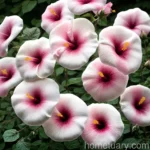
Rose of Sharon (Hibiscus syriacus ‘Antong Two’ LIL’ KIM) – A Plant Scientist’s Comprehensive Guide
Introduction
Rose of Sharon, scientifically known as Hibiscus syriacus ‘Antong Two’ LIL’ KIM, is a popular flowering plant that belongs to the Malvaceae family. It is admired for its stunning, showy blooms and its ability to withstand various growing conditions. In this comprehensive guide, we will explore all aspects of this beautiful plant, from its culture and uses to its care requirements, common diseases, and propagation techniques.
What is Rose of Sharon (Hibiscus syriacus ‘Antong Two’ LIL’ KIM)
Rose of Sharon is a deciduous flowering shrub that is native to Asia. It is known for its large, colorful flowers that bloom from mid-summer to fall, adding a touch of elegance to gardens and landscapes. The ‘Antong Two’ variety, also known as LIL’ KIM, is particularly prized for its compact growth habit and abundant blooms.
Key Takeaways – Rose of Sharon (Hibiscus syriacus ‘Antong Two’ LIL’ KIM)
Before delving into the specific details of this plant, let’s summarize the key takeaways:
- Plant Name: Rose of Sharon (Hibiscus syriacus ‘Antong Two’ LIL’ KIM)
- Botanical Name: Hibiscus syriacus ‘Antong Two’ LIL’ KIM
- Common Names: Rose of Sharon, LIL’ KIM Rose of Sharon
- Plant Type: Deciduous flowering shrub
- USDA Hardiness Zone: 5-9
- Growth Habit: Compact, upright
- Mature Height: 4-6 feet
- Mature Spread: 4-6 feet
- Sunlight: Full sun to part shade
- Soil Type: Well-drained, loamy soil
- Watering: Regular, moderate watering
- Fertilization: Balanced, slow-release fertilizer
- Pruning: Prune in late winter or early spring
- Propagation: Seeds, cuttings
- Common Pests: Aphids, Japanese beetles
- Common Diseases: Cercospora leaf spot, powdery mildew
Now, let’s explore each of these aspects in detail.
Culture
Uses
The Rose of Sharon (Hibiscus syriacus ‘Antong Two’ LIL’ KIM) is valued for its ornamental and landscape use. It can be incorporated into gardens as a specimen plant, used in mixed plantings, or even grown in containers. The vibrant flowers attract pollinators, making it a valuable addition to pollinator gardens. Additionally, the plant’s hardiness and drought tolerance make it suitable for xeriscaping and water-wise gardening.
Water
Proper watering is essential for the health and vitality of the Rose of Sharon. While it is important to keep the soil consistently moist, the plant also exhibits good drought tolerance once established. During periods of prolonged dryness, regular watering is recommended to support healthy growth and flowering. Avoid overwatering, as excessive moisture can lead to root rot and other moisture-related issues.
Sunlight
Rose of Sharon thrives in full sun to part shade conditions. It prefers at least six hours of direct sunlight per day to ensure abundant flowering and vigorous growth. In regions with hot summers, providing some afternoon shade can be beneficial, especially during heatwaves. The plant’s ability to tolerate varying light conditions makes it adaptable to different garden settings and microclimates.
Fertilizer
To promote optimal growth and abundant flowering, fertilizing the Rose of Sharon is crucial. A balanced, slow-release fertilizer applied in spring can provide the necessary nutrients for the entire growing season. Additionally, a light application of fertilizer in mid-summer can further support the plant’s blooming performance. Always follow the manufacturer’s instructions regarding the application rate and frequency to prevent fertilizer burn and other adverse effects.
Soil
The Rose of Sharon thrives in well-drained, loamy soil with a slightly acidic to neutral pH. It is important to ensure good soil permeability to avoid waterlogging, which can lead to root suffocation. Amending the soil with organic matter, such as compost or well-rotted manure, can improve its structure and fertility. Furthermore, a layer of mulch around the base of the plant helps retain soil moisture and suppress weed growth.
Pruning
Pruning plays a significant role in shaping the growth habit of the Rose of Sharon and promoting prolific flowering. Here are some essential tips for pruning and maintenance:
- Pruning Season: Late winter or early spring, before the onset of new growth, is the ideal time for pruning Rose of Sharon.
- Objective: The primary goals of pruning are to remove dead or damaged wood, shape the plant, and encourage the development of new growth and flower buds.
- Techniques: Use clean, sharp pruning shears to make precise cuts. Remove any crossing or congested branches to improve air circulation within the canopy.
- Deadheading: Regular deadheading of spent flowers can extend the blooming period and prevent the formation of seed pods.
Proper pruning not only enhances the aesthetic appeal of the plant but also contributes to its overall health and vigor. It is essential to approach pruning with care and precision to achieve the desired results without causing harm to the plant.
Propagation
Rose of Sharon can be propagated through seeds or cuttings, offering plant enthusiasts the opportunity to expand their collection or share the beauty of this cultivar with others.
Propagation from Seeds
- Seed Collection: Harvest mature seeds from the plant when the seed pods dry and begin to split open.
- Seed Preparation: Clean the seeds and allow them to air dry for a few days before sowing.
- Sowing: Plant the seeds in seed-starting trays or pots filled with a well-draining seed starting mix. Lightly cover the seeds with a thin layer of soil.
- Germination: Keep the soil consistently moist and provide warmth for germination to occur. Germination may take several weeks.
Propagation from Cuttings
- Cutting Selection: Choose healthy, non-flowering stems for propagation.
- Cutting Preparation: Take 4-6 inch semi-hardwood cuttings and remove the lower leaves.
- Rooting Hormone: Dip the cut ends in a rooting hormone to promote root development.
- Planting: Insert the cuttings into a well-draining propagation medium and keep them consistently moist.
- Rooting: Rooting can take several weeks, and it is important to provide a warm, humid environment for the cuttings to establish roots.
Both methods of propagation can be rewarding, and they offer plant enthusiasts the opportunity to increase their stock of Rose of Sharon while preserving the desirable traits of the ‘Antong Two’ LIL’ KIM variety.
Container Popularity
The compact growth habit and abundant flowering of the ‘Antong Two’ LIL’ KIM Rose of Sharon make it well-suited for container gardening. By growing it in containers, plant enthusiasts can showcase the plant on patios, balconies, or other outdoor living spaces, adding a touch of beauty and elegance to the surroundings.
When growing Rose of Sharon in containers, it is important to select a large enough pot to accommodate the plant’s root system and provide stability. Additionally, using a high-quality, well-draining potting mix and ensuring adequate water and nutrient supply are key considerations for successful container cultivation.
Common Diseases
While Rose of Sharon is relatively resistant to diseases, it can be affected by certain fungal infections under unfavorable environmental conditions. Two common diseases to watch for are Cercospora leaf spot and powdery mildew.
Disease Diagnosis
- Cercospora Leaf Spot: This fungal disease appears as small, dark spots with a yellow halo on the plant’s leaves. As the disease progresses, the spots may enlarge and coalesce, leading to leaf discoloration and premature defoliation.
- Powdery Mildew: Powdery mildew presents as a white, powdery coating on the surfaces of the leaves and shoots. It can hinder photosynthesis and weaken the plant if left unmanaged.
Preventive Measures:
– Ensure adequate air circulation around the plant to reduce moisture and humidity.
– Avoid overhead watering to prevent prolonged leaf wetness.
– Monitor the plant regularly for any signs of disease and take prompt action if symptoms are observed.
In case of a severe infection, appropriate fungicidal sprays may be used as directed, although prevention through proper cultural practices is the preferred approach.
Common Pests
Like many garden plants, Rose of Sharon can attract a few common pests that may compromise its growth and flowering potential. Among the pests to watch for are aphids and Japanese beetles.
Aphids
Aphids are small, soft-bodied insects that feed on the plant’s sap, usually congregating on the undersides of leaves and along tender new shoots. Their feeding can cause leaf distortion and the transmission of viral diseases.
Control Measures:
– Regularly inspect the plant for aphid activity.
– Use a strong blast of water to dislodge aphids from the foliage.
– Consider introducing natural predators, such as ladybugs, to help control aphid populations.
Japanese Beetles
Japanese beetles are notorious for their voracious appetite for plant foliage and flowers. They can skeletonize leaves and cause significant aesthetic damage if left unchecked.
Control Measures:
– Handpick beetles and drop them into a bucket of soapy water to reduce their numbers.
– Neem oil spray can act as a deterrent for Japanese beetles without causing harm to beneficial insects.
By monitoring the plant for pest activity and applying appropriate control measures, it is possible to minimize the impact of pests and maintain the health and beauty of the Rose of Sharon.
Botanist’s Tips
To ensure the successful cultivation of Rose of Sharon (Hibiscus syriacus ‘Antong Two’ LIL’ KIM), consider the following botanist’s tips:
- Prune Regularly: Consistent pruning and deadheading promote a tidy growth habit and prolong the blooming period.
- Monitor Soil Moisture: Maintain a balance between soil moisture and drainage to prevent waterlogging and root-related issues.
- Fertilize Moderately: Avoid excessive fertilization, as it can lead to lush foliage at the expense of flowering.
- Provide Winter Protection: In regions with harsh winters, consider providing mulch or other protective measures to shield the plant from extreme cold and frost.
- Observe Pollinator Activity: Embrace the plant’s role in attracting pollinators and observe the diverse insect visitors it attracts.
By incorporating these tips into the care regimen for Rose of Sharon, plant enthusiasts can enhance the plant’s performance and longevity in the garden.
Fun Facts
As we celebrate the beauty and versatility of the Rose of Sharon (Hibiscus syriacus ‘Antong Two’ LIL’ KIM), here are some intriguing and fun facts about this remarkable plant:
- The plant’s common name, Rose of Sharon, is derived from a biblical reference in the Song of Solomon.
- While the plant is often called “Rose of Sharon,” it is not part of the rose (Rosa) genus, but rather belongs to the Hibiscus genus within the Malvaceae family.
- Rose of Sharon flowers are edible and can be used to add a colorful, floral touch to salads or desserts.
- In Korean culture, the national flower, known as Mugunghwa, is a type of Hibiscus syriacus and holds cultural significance as a symbol of immortality and eternal love.
These fun facts highlight the rich history and cultural relevance of the Rose of Sharon, adding a layer of intrigue to its already captivating presence in gardens and landscapes.
Links to External Resources
As we conclude this comprehensive exploration of the Rose of Sharon (Hibiscus syriacus ‘Antong Two’ LIL’ KIM), here are some trusted external resources for further information and support:
- The American Hibiscus Society
- The American Horticultural Society
- USDA Plant Hardiness Zone Map
- University Extension Services
These resources offer a wealth of knowledge, expertise, and community support for plant enthusiasts and gardening aficionados alike. By connecting with these organizations, you can delve deeper into the world of horticulture and tap into a network of fellow enthusiasts and experts.
In conclusion, the Rose of Sharon (Hibiscus syriacus ‘Antong Two’ LIL’ KIM) stands as a testament to the beauty and resilience of garden plants. Its vibrant flowers, adaptable nature, and cultural significance make it a cherished addition to gardens, landscapes, and horticultural traditions around the world. By understanding and embracing the unique characteristics and care requirements of this plant, we can continue to celebrate and cultivate its timeless allure for generations to come.
By: [Your Name]
Ph.D. in Plant Science
[Your Contact Information]