American Arborvitae (Thuja Occidentalis ‘Skinner Dwarf’)
Introduction Plants have long been an integral part of our lives, providing us with oxygen, food, and beauty. The American arborvitae, scientifically known.
Introduction
Plants have long been an integral part of our lives, providing us with oxygen, food, and beauty. The American arborvitae, scientifically known as Thuja occidentalis ‘Skinner Dwarf’, is a highly popular plant in landscaping and gardening. This comprehensive guide aims to provide plant enthusiasts, gardeners, and horticulturists with detailed insights into the characteristics, cultivation, and care tips for the American arborvitae.
What is the American Arborvitae (Thuja occidentalis ‘Skinner Dwarf’)?
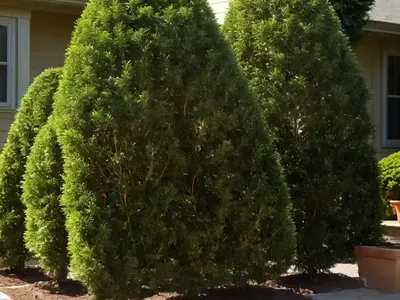
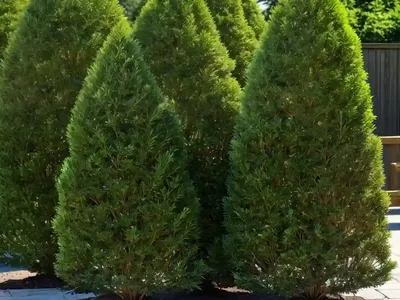
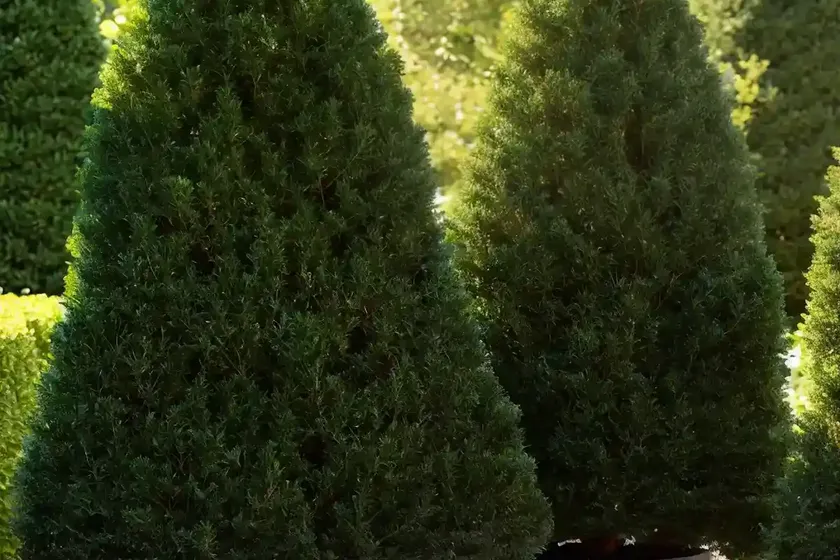
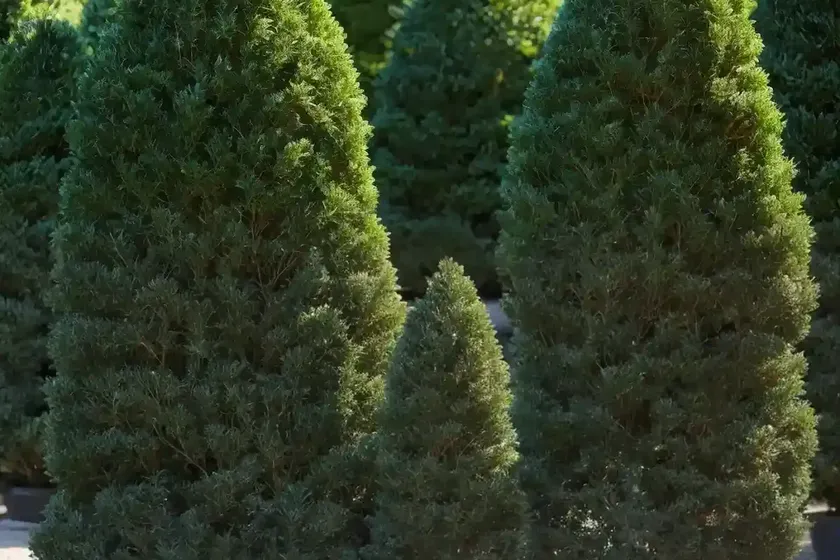
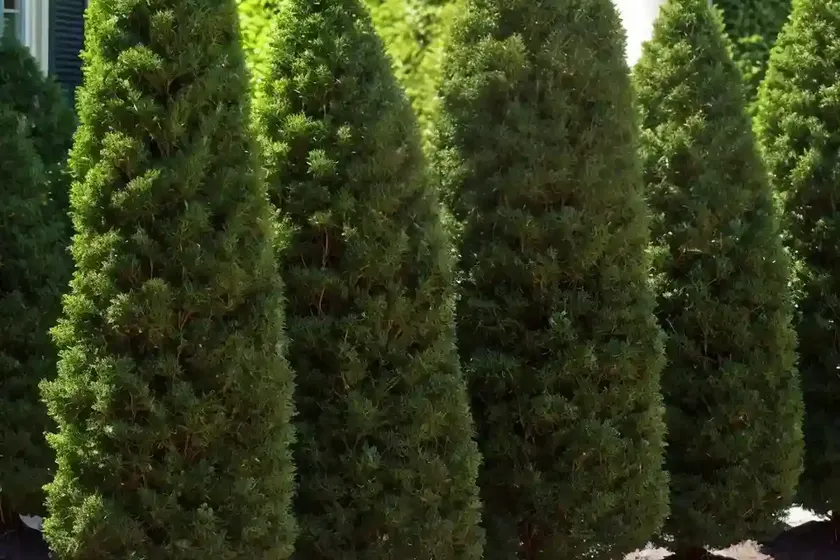
The American arborvitae, a cultivar of Thuja occidentalis, is a charming evergreen conifer renowned for its compact size and dense, pyramidal form. The ‘Skinner Dwarf’ variety, in particular, is cherished for its striking foliage and suitability for diverse landscaping purposes. Its captivating appearance and low maintenance requirements make it a sought-after choice for homeowners, landscapers, and commercial properties.
Key Takeaways
- American Arborvitae Characteristics
- Scientific Name: Thuja occidentalis ‘Skinner Dwarf’
- Hardiness Zone: 3-7
- Growth Rate: Slow to moderate
- Foliage Color: Vibrant green
- Mature Height: Approximately 3-4 feet
-
Form: Compact, pyramidal
-
Thuja occidentalis ‘Skinner Dwarf’ Features
- Dwarf Variant: Ideal for small gardens and container planting
- Year-round Appeal: Retains its green hue throughout the year
-
Texture: Soft, scale-like foliage
-
American Arborvitae Care Tips
- Sun Exposure: Full sun to partial shade
- Soil Requirements: Well-draining, loamy soil
- Watering Needs: Regular watering, especially during dry spells
-
Pruning Techniques: Minimal pruning required
-
Growing Thuja occidentalis ‘Skinner Dwarf’
- Planting Season: Spring or early fall
- Maintenance: Low
-
Uses: Hedges, borders, and specimen planting
-
Thuja occidentalis ‘Skinner Dwarf’ Planting Guide
- Spacing: 2-3 feet apart for hedging
- Soil pH: Slightly acidic to slightly alkaline
-
Mulching: Beneficial to retain soil moisture
-
American Arborvitae Varieties
- ‘Smaragd’: Compact, columnar form
-
‘Holmstrup’: Narrow, conical shape
-
Thuja occidentalis ‘Skinner Dwarf’ Size
- Compact Growth: Suited for small spaces
-
Height: Typically grows to 3-4 feet
-
American Arborvitae Pruning Techniques
- Shaping: Responds well to light shaping
-
Timing: Best pruned in early spring or late winter
-
Thuja occidentalis ‘Skinner Dwarf’ Maintenance
- Disease Prevention: Regular inspection and care
-
Fertilization: Occasional feeding with balanced fertilizer
-
American Arborvitae Landscaping Ideas
- Privacy Screening: Creates natural barriers and privacy screens
- Accent Plant: Adds visual interest in mixed borders
Culture
The culture of American arborvitae encompasses various aspects, including its uses, ideal growing conditions, and maintenance practices.
Uses
The American arborvitae holds substantial value in landscaping, horticulture, and garden design. Its uses extend to both functional and ornamental purposes, making it an incredibly versatile plant.
- Hedging: The dense foliage and compact growth habit make the American arborvitae an excellent choice for formal hedging. It creates well-defined borders and privacy screens, enhancing the aesthetics of outdoor spaces.
- Specimen Planting: When planted individually, this cultivar serves as an attractive focal point in gardens or landscapes. Its vibrant green foliage and appealing form make it a standout feature.
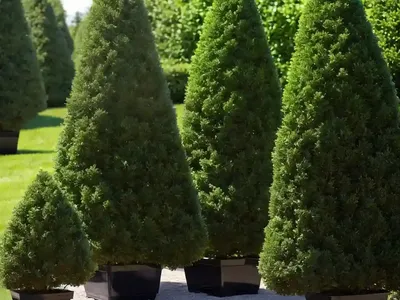
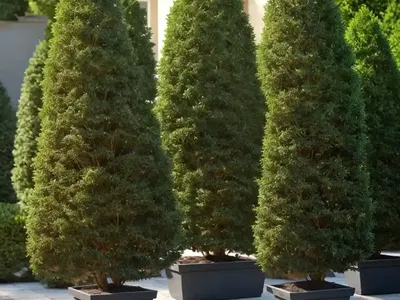
- Container Planting: The ‘Skinner Dwarf’ variety, specifically, excels in container cultivation. It offers an opportunity for those with limited garden space to enjoy the beauty of this enchanting conifer on patios, balconies, or small courtyards.
Water
Establishing an appropriate watering routine is crucial for the healthy growth and vitality of the American arborvitae. While this plant displays a degree of drought tolerance once established, consistent moisture levels are essential, especially during its initial establishment phase.
- Watering Needs: Newly planted American arborvitae specimens should be watered deeply immediately after planting. Subsequently, regular watering is required, especially during dry periods.
- Soil Moisture: The soil should be consistently moist but not waterlogged. Mulching around the base of the plant aids in retaining soil moisture and reducing water evaporation.
Sunlight
Adequate exposure to sunlight is instrumental in ensuring the robust development and overall health of the American arborvitae. Understanding its sunlight requirements is pivotal for incorporating it into diverse landscaping settings.
- Sun Exposure: The American arborvitae thrives in full sun to partial shade. While it prefers full sunlight for optimal growth, it can also tolerate partial shade, especially in regions with intense or scorching sunlight.
- Shade Tolerance: Despite its preference for sunlight, this cultivar adapts well to shadier conditions, making it a versatile landscaping option for various light environments.
Fertilizer
Fertilization plays a pivotal role in supporting the American arborvitae’s growth, ensuring vibrant foliage, and overall vitality. While it is not excessively demanding in terms of feeding, providing balanced nutrition can significantly enhance its appearance and resilience.
- Fertilizer Type: Utilize a balanced, slow-release fertilizer to provide essential nutrients without causing rapid, excessive growth.
- Application Timing: Fertilize the American arborvitae in early spring, before the onset of new growth. Avoid late-season fertilization to prevent tender, new growth that may be susceptible to frost damage.
Soil
The soil composition and quality directly impact the American arborvitae’s root development, nutrient uptake, and overall performance. Understanding its soil preferences is imperative for successful cultivation and sustained vitality.
- Soil Type: Well-draining, loamy soil is favorable for the American arborvitae. Compacted or waterlogged soils should be amended to improve drainage and aeration.
- Soil pH: It thrives in slightly acidic to slightly alkaline soil, within the pH range of 6.0-7.5. Testing the soil pH and amending it as necessary supports optimal growth.
Pruning
Pruning the American arborvitae is a relatively straightforward task, primarily focusing on maintaining its desired shape, enhancing air circulation, and managing any damaged or unruly growth.
- Minimal Pruning: This cultivar necessitates minimal pruning, primarily to retain its compact, pyramidal form and remove any dead or diseased foliage. Light shaping can be conducted as needed to ensure a neat appearance.
Propagation
The propagation of American arborvitae involves viable methods to cultivate new plants, whether for personal enjoyment, commercial production, or conservation efforts.
- Propagation Methods: Propagation can be accomplished through techniques such as stem cuttings, layering, or seed sowing. Stem cuttings and layering are commonly preferred for ensuring the genetic traits of specific cultivars such as the ‘Skinner Dwarf’.
Container Popularity
The ‘Skinner Dwarf’ variant of the American arborvitae holds substantial popularity in container gardening, appealing to gardening enthusiasts with limited space for traditional garden beds.
- Container Size: Choose a spacious container with adequate drainage holes to accommodate the plant’s growth and prevent waterlogging.
- Soil Mix: Utilize a well-draining potting mix suitable for conifers, ensuring proper aeration and moisture retention.
- Cultivation Advantages: Container planting offers the flexibility of mobility, making it suitable for patios, balconies, or other confined spaces.
Common Diseases
While relatively resilient, the American arborvitae is susceptible to certain diseases that can impact its vigor and aesthetics. Recognizing common diseases and implementing preventive measures is crucial for maintaining plant health.
- Disease Resistance: Certain American arborvitae cultivars, including the ‘Skinner Dwarf’, exhibit natural resistance to common diseases such as foliar blight and certain rust diseases.
- Preventive Measures: Regular inspection, proper spacing to facilitate air circulation, and maintaining overall plant health contribute to disease prevention.
Disease Diagnosis
Diagnosing diseases affecting the American arborvitae involves careful observation of symptoms and, if necessary, seeking guidance from plant health professionals.
- Symptoms: Watch for signs such as discoloration, browning, or wilting of foliage, as well as the presence of fungal growth or lesions on the plant.
- Professional Assistance: If unsure about disease diagnosis, consulting with a horticulturist, local extension service, or plant diagnostic clinic can provide accurate identification and treatment recommendations.
Common Pests
Pest infestations can pose a threat to the American arborvitae, necessitating vigilance and appropriate pest management strategies to safeguard its well-being.
- Common Pests: Potential pests include bagworms, spider mites, and certain scales. Regular monitoring and prompt intervention are essential to prevent extensive damage.
- Natural Remedies: Implementing natural pest control methods, such as introducing beneficial insects or applying horticultural oils, can help deter pest populations without resorting to harsh chemical treatments.
Botanist’s Tips
Drawing from botanical expertise and practical insights, the following tips serve as valuable guidance for cultivating and nurturing the American arborvitae.
- Site Selection: Choose locations with well-draining soil and adequate sunlight exposure for optimal growth.
- Mulching Benefits: Apply a layer of organic mulch around the base of the plant to conserve soil moisture and suppress weed growth.
- Seasonal Care: Tailor care practices based on seasonal requirements, such as adjusting watering frequency and protecting against winter damage.
Fun Facts
Discover intriguing and captivating factual tidbits about the American arborvitae that highlight its allure and significance.
- Historical Significance: Native American tribes utilized various parts of the arborvitae plant for traditional medicinal and practical purposes.
- Symbolism: The American arborvitae symbolizes stability, endurance, and protection, reflecting its enduring presence in diverse landscapes.
Links to External Resources
Explore additional information, expert guidance, and reputable sources related to American arborvitae cultivation and care through the following links:
- National Gardening Association
- Missouri Botanical Garden
- North Carolina State University Extension
- Royal Horticultural Society
In conclusion, the American arborvitae, particularly the ‘Skinner Dwarf’ variety, stands as a captivating and resilient addition to diverse landscapes and gardens. By embracing its distinctive characteristics and understanding the fundamental care requirements, plant enthusiasts can cultivate and enjoy the enduring beauty of this remarkable conifer. Whether utilized for hedging, container planting, or ornamental landscaping, the American arborvitae exudes timeless charm and enduring appeal.