American Arborvitae (Thuja Occidentalis ‘Hoseri’)
Introduction In the world of landscaping, the American arborvitae (Thuja occidentalis ‘Hoseri’) stands out as an exceptional choice. Renowned for its.
Introduction
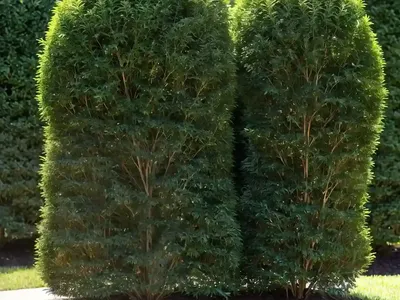
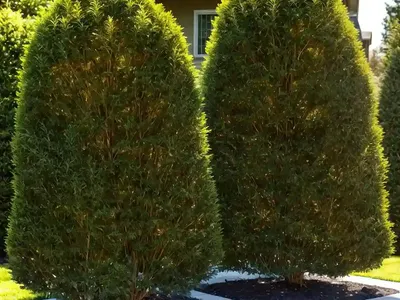
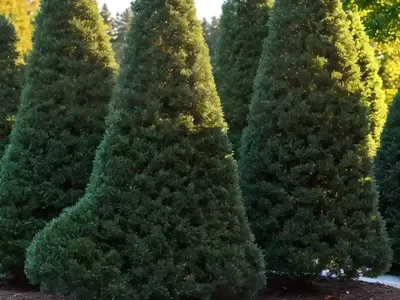
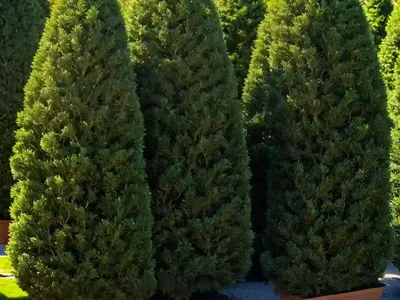
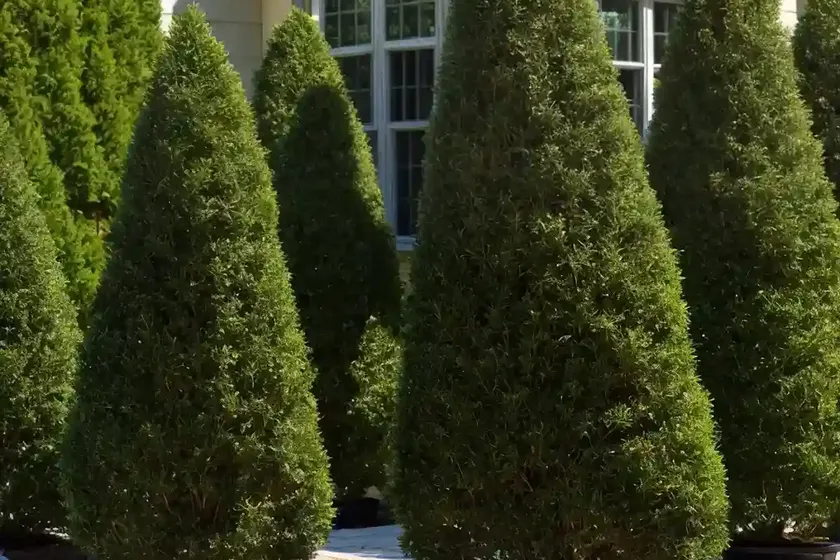
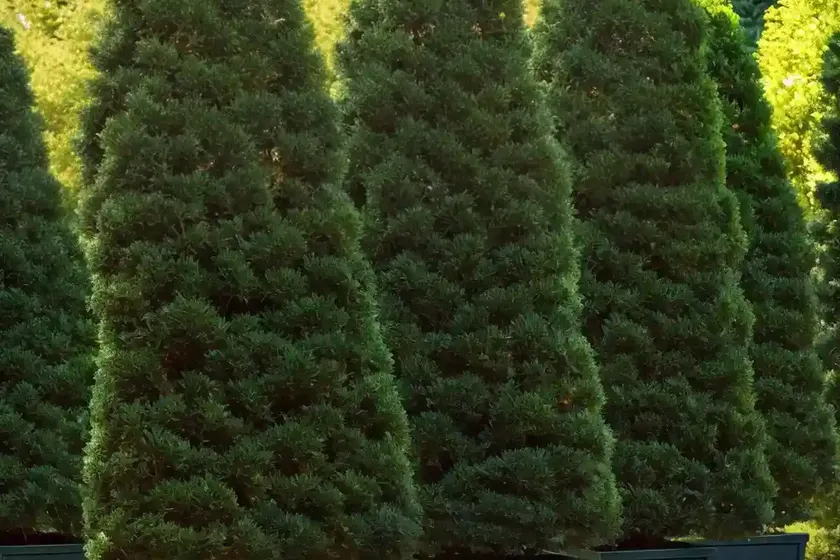
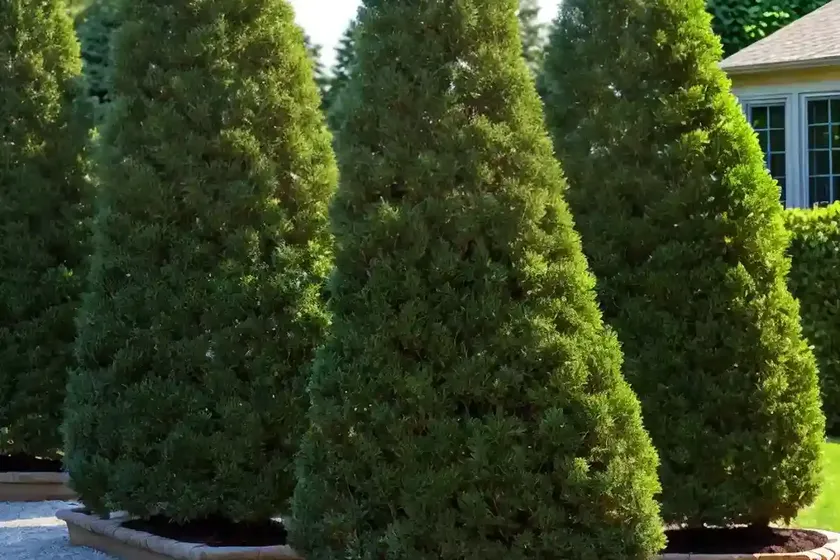
In the world of landscaping, the American arborvitae (Thuja occidentalis ‘Hoseri’) stands out as an exceptional choice. Renowned for its elegant conical shape, vibrant green foliage, and versatility, this evergreen shrub is a popular option for many gardening enthusiasts. Whether you are a novice or expert gardener, it’s essential to understand the characteristics, care requirements, and best practices for growing and maintaining American arborvitae plants.
In this comprehensive guide, we will delve into the various aspects of American arborvitae, including its cultural requirements, uses, maintenance guidelines, common diseases, pests to watch out for, and much more. By the end of this article, you will acquire a wealth of knowledge that will empower you to cultivate and nurture healthy and vibrant American arborvitae plants.
What is American Arborvitae (Thuja occidentalis ‘Hoseri’)?
Before delving into the essential aspects of caring for American arborvitae, let’s take a moment to understand what this plant is all about.
American arborvitae, with the scientific name Thuja occidentalis ‘Hoseri’, is a compact evergreen shrub revered for its ornamental value. It belongs to the cypress family, Cupressaceae, and is native to North America. This cultivar is a popular choice for hedging, screens, and foundation plantings, owing to its dense foliage and attractive conical shape.
The ‘Hoseri’ variety of American arborvitae is distinguished by its compact growth habit, making it an ideal option for smaller gardens or landscapes where space is a consideration. Its rich green foliage adds a touch of elegance to any garden setting, making it a favored choice for both commercial and residential landscaping projects.
Key Takeaways – American Arborvitae (Thuja occidentalis ‘Hoseri’)
Before we delve into the specifics of caring for American arborvitae, it’s beneficial to outline some key takeaways regarding this remarkable plant.
American Arborvitae Characteristics
– Compact and conical growth habit
– Vibrant green foliage
– Ornamental and versatile
– Drought-tolerant once established
Thuja Occidentalis ‘Hoseri’ Care Tips
– Regular watering, especially during the establishment phase
– Prefers full sun to partial shade
– Well-draining soil with a slightly acidic pH
– Pruning for shaping and maintenance
– Suitable for container gardening
Best Practices for Growing American Arborvitae
– Choosing the right planting location
– Proper watering and sunlight exposure
– Fertilization at appropriate intervals
– Regular monitoring for pests and diseases
Thuja Occidentalis ‘Hoseri’ Plant Profile
– Scientific name: Thuja occidentalis ‘Hoseri’
– Plant type: Evergreen shrub
– Common uses: Hedging, screens, foundation plantings
– Native habitat: North America
American Arborvitae Maintenance Guide
– Regular watering and care in the early stages
– Pruning for shaping and density control
– Fertilization to promote healthy growth
Thuja Occidentalis ‘Hoseri’ Planting Instructions
– Prepare the soil with proper amendments
– Plant at the appropriate depth
– Water thoroughly after planting
How to Grow American Arborvitae from Seed
– Sowing and germination requirements
– Care during the seedling stage
– Transplanting to outdoor settings
Culture
Proper cultural practices are essential for ensuring the optimal growth and development of American arborvitae. Understanding the plant’s cultural requirements will empower you to create an environment where it can thrive and flourish. Let’s explore the various cultural aspects of growing American arborvitae.
Water
Water is a critical component of American arborvitae care, especially during the establishment phase. While this plant demonstrates drought tolerance once established, it requires consistent moisture, particularly during the initial stages of growth. Overly dry conditions can stress the plant, resulting in browning or shedding of foliage.
Watering Requirements for American Arborvitae:
– Provide regular watering, especially during dry spells
– Ensure consistent moisture in the soil, but avoid waterlogging
– Pay close attention to newly planted specimens to support root establishment
Sunlight
Sunlight plays a pivotal role in the growth and vitality of American arborvitae. While it thrives in full sun, it also tolerates partial shade. Adequate sunlight exposure is necessary for the plant to maintain its lush green foliage and distinctive conical shape.
Sun Exposure for American Arborvitae:
– Plant in locations with full sun to partial shade
– Aim for at least 6 hours of direct sunlight per day for optimal growth
– Monitor for signs of sun scorch, especially in hot climates
Fertilizer
Appropriate fertilization is essential for promoting healthy growth and vibrant foliage in American arborvitae plants. Understanding the correct timing and formulation of fertilizers will contribute to the overall health and vigor of the shrub.
Soil Requirements for American Arborvitae:
– Well-draining soil with a slightly acidic pH (6.0-7.0)
– Amend the soil with organic matter for improved fertility
– Avoid heavy clay soils that may impede drainage
Fertilizing Schedule for American Arborvitae:
– Apply a balanced, slow-release fertilizer in early spring
– Refrain from over-fertilizing, as this can lead to excessive vegetative growth
– Consider soil testing to assess nutrient levels and adjust fertilization accordingly
Soil
The soil composition and structure play a crucial role in the overall health and growth of American arborvitae. Creating an environment with well-draining and fertile soil will provide an ideal foundation for the plant’s development.
Pruning Techniques for American Arborvitae:
– Prune for shaping, density control, and maintenance
– Use sharp, clean tools to make precise cuts
– Avoid over-pruning, as this can lead to stress and reduced vigor
Pruning
Pruning is an essential aspect of American arborvitae maintenance, allowing for shaping, density control, and the removal of dead or diseased branches. By employing proper pruning techniques, you can enhance the plant’s aesthetic appeal and overall health.
Soil Requirements for American Arborvitae:
– Well-draining soil with a slightly acidic pH (6.0-7.0)
– Amend the soil with organic matter for improved fertility
– Avoid heavy clay soils that may impede drainage
Pruning Techniques for American Arborvitae:
– Prune for shaping, density control, and maintenance
– Use sharp, clean tools to make precise cuts
– Avoid over-pruning, as this can lead to stress and reduced vigor
Propagation
Propagation allows for the multiplication of American arborvitae plants, whether for personal use or commercial propagation purposes. Understanding the various propagation methods will enable you to expand your plant collection or propagate specific cultivars.
Propagating American Arborvitae:
– Propagate through semi-hardwood cuttings in late summer or early autumn
– Provide bottom heat to encourage rooting
– Monitor humidity levels to support successful propagation
Container Popularity
American arborvitae’s compact growth habit and ornamental value make it a popular choice for container gardening. Whether used on patios, balconies, or in smaller garden spaces, this plant adds a touch of greenery and elegance to container arrangements.
Container Care for American Arborvitae:
– Choose containers with adequate drainage holes
– Use a well-draining potting mix tailored for woody plants
– Monitor moisture levels, as containers may dry out more quickly than garden soil
Uses
American arborvitae offers a multitude of uses in landscaping and gardening, ranging from privacy screens to ornamental focal points. Understanding its diverse applications will inspire you to incorporate this plant into various design schemes.
Hedge Planting Instructions
When using American arborvitae for hedging, specific planting and care considerations come into play. By adhering to proper guidelines for hedge establishment, you can create a lush and vibrant green boundary that enhances both aesthetics and functionality.
Planting Instructions for American Arborvitae Hedges:
– Space plants according to their mature width for adequate coverage
– Consider the desired height and density of the hedge for spacing calculations
– Provide regular watering and care to promote uniform growth
Privacy Screens
Creating privacy screens using American arborvitae offers a natural and visually appealing way to establish privacy in outdoor spaces. Whether used in residential or commercial settings, these plants contribute to the creation of secluded and tranquil environments.
American Arborvitae for Privacy Screens:
– Plant at appropriate intervals to achieve the desired screening effect
– Consider the overall height and density required for privacy screening
– Provide maintenance pruning to retain the desired screening form
Foundation Plantings
American arborvitae serves as an excellent choice for foundation plantings, adding structure and greenery to building exteriors. When employed strategically, this plant enhances the visual appeal of architectural elements and complements the overall landscape design.
Foundation Planting Tips for American Arborvitae:
– Choose appropriate cultivars based on mature size and growth habit
– Incorporate a mix of shrubs and perennials for varied textures and colors
– Allow adequate space between plants to prevent overcrowding and facilitate maintenance
Common Diseases
While American arborvitae is relatively resilient, it can be susceptible to certain diseases under unfavorable conditions. Familiarizing yourself with common diseases and their symptoms empowers you to take proactive measures to safeguard the health of your plants.
Disease Prevention for American Arborvitae
Preventing diseases in American arborvitae involves creating a favorable growing environment, monitoring for early signs of disease, and practicing proper cultural and maintenance techniques. Implementing preventative measures is often more effective than attempting to control established diseases.
Preventative Measures for American Arborvitae:
– Ensure proper spacing and ventilation to reduce humidity levels
– Avoid overhead watering, as this can lead to foliage moisture retention
– Monitor plant health and address stress factors promptly
Common Pests
In addition to diseases, American arborvitae may face challenges from various pests that can impact its health and vitality. Identifying common pests and understanding their control methods is essential for preserving the well-being of the plant.
Pests to Look Out for in American Arborvitae
Being vigilant about potential pests ensures early detection and intervention, minimizing the damage caused to American arborvitae. By recognizing the signs of pest infestation, you can take targeted measures to mitigate their impact.
Common Pests Affecting American Arborvitae:
– Spider mites: Encourage natural predators and maintain adequate humidity levels
– Bagworms: Handpick and destroy bagworms to prevent further infestation
– Scale insects: Apply horticultural oil or insecticidal soap to manage scale populations
Botanist’s Tips
To amplify your success in growing American arborvitae and nurturing healthy plants, consider incorporating botanist-approved tips into your care routine. These tips are based on scientific knowledge and best practices, providing valuable insights for optimizing plant health and longevity.
Botanist’s Tips for American Arborvitae:
– Conduct soil tests to assess fertility and pH levels
– Monitor for signs of water stress, especially in newly planted specimens
– Incorporate organic mulch to conserve moisture and suppress weed growth
Fun Facts
Featuring a collection of fun and intriguing facts about American arborvitae adds an element of fascination and appreciation for this remarkable plant. Uncover the unique characteristics and historical significance of American arborvitae through these captivating facts.
Fun Facts About American Arborvitae:
– The name “arborvitae” is derived from the Latin term for “tree of life,” owing to historical medicinal uses
– American arborvitae is often used to produce essential oils for perfumery and aromatherapy
– The wood of arborvitae trees is lightweight and durable, making it ideal for crafting various items
Links to External Resources
Expanding your knowledge of American arborvitae and its care can be facilitated by exploring external resources from reputable sources. These links provide access to additional information, research findings, and expert insights on cultivating and maintaining American arborvitae plants.