Weeping Higan Cherry (Prunus pendula ‘Pendula Rosea’)
What is the Weeping Higan Cherry?
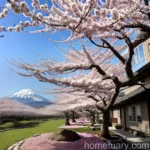
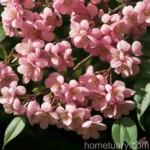
The weeping higan cherry, scientifically known as Prunus pendula ‘Pendula Rosea’, is an enchanting and elegant ornamental tree with graceful weeping branches and stunning pink cherry blossoms. This cultivar belongs to the Prunus genus and is prized for its captivating aesthetic appeal and cultural significance. Also referred to as the Higan cherry, Pendula Rosea cherry, or weeping higan cherry, this tree is beloved by gardeners and nature enthusiasts for its striking display of blooms and picturesque form.
The Weeping Higan Cherry is a deciduous tree that is native to Japan, where it is celebrated for its breathtaking springtime flowering display. One of the distinguishing features of this tree is its cascading branches, which create a mesmerizing visual effect, particularly when laden with delicate pink blossoms. Whether planted as a solitary specimen or incorporated into a garden landscape, the weeping higan cherry adds an ethereal and ethereal touch to outdoor spaces.
In this comprehensive guide, we will explore the cultural significance, uses, care requirements, propagation methods, common diseases, and maintenance tips for the weeping higan cherry. Additionally, we will delve into the fascinating attributes and fun facts associated with this exquisite flowering cherry tree.
Key Takeaways – Weeping Higan Cherry (Prunus pendula ‘Pendula Rosea’)
Before delving into the specific aspects of the weeping higan cherry, let’s highlight the key takeaways associated with this cultivar:
- Scientific Name: Prunus pendula ‘Pendula Rosea’
- Other Common Names: Weeping cherry tree, Higan cherry, Pendula Rosea cherry
- Family: Rosaceae
- Native to: Japan
- Aesthetic Value: Delicate pink blossoms, weeping branches
- Seasonal Interest: Striking springtime flowering display
- Uses: Ornamental garden tree, landscaping focal point
- Maintenance: Regular pruning and proper care essential for optimal growth and flowering
- Popularity: Widely admired for its captivating beauty and cultural significance
- Related Cultivars: Prunus pendula ‘Pendula Plena Rosea’, Prunus pendula ‘Pendula Rubra’
As we delve into the specific aspects of the weeping higan cherry, we will uncover the detailed cultural needs, care practices, and fascinating insights into this captivating ornamental tree.
Culture
The cultural requirements of the weeping higan cherry play a crucial role in ensuring its optimal growth, flowering, and overall health. Understanding the ideal conditions and practices for this cultivar is instrumental in cultivating a thriving and visually stunning specimen. Let’s explore the essential cultural aspects of the weeping higan cherry:
- Uses
The weeping higan cherry is primarily cultivated for its ornamental value. It serves as a focal point in garden landscapes, where its weeping form and profusion of delicate pink blossoms create a visually captivating display. Whether positioned as a centerpiece in a garden or incorporated into a larger landscape design, the weeping higan cherry imparts a sense of grace and tranquility to outdoor spaces.
- Water
Adequate and consistent watering is essential for the healthy growth and flowering of the weeping higan cherry. During the growing season, it is crucial to ensure that the tree receives sufficient moisture, especially during periods of drought or high temperatures. However, it is equally important to avoid waterlogging the soil, as excessively wet conditions can lead to root rot and other moisture-related issues.
-
Watering Guidelines:
- Newly planted trees: Water deeply and regularly during the first year to establish a strong root system.
- Established trees: Monitor soil moisture and provide supplemental watering during dry spells, ensuring even distribution of water around the root zone.
-
Sunlight
The weeping higan cherry thrives in full to partial sunlight, requiring a minimum of 6 hours of direct sunlight per day for optimal growth and flowering. When selecting a planting location, it is essential to consider the tree’s sunlight requirements and position it in a site that receives the necessary sunlight exposure.
-
Sunlight Requirements:
- Full sun to partial shade: Ideally positioned in a location that receives ample sunlight, especially during the morning hours when the sunlight is gentle.
-
Fertilizer
Providing appropriate nutrients through fertilization is vital for supporting the growth, vigor, and flowering potential of the weeping higan cherry. Selecting a well-balanced fertilizer and applying it at the right time can significantly contribute to the tree’s overall health and blooming capacity.
-
Fertilization Recommendations:
- Balanced fertilizer: Utilize a balanced, slow-release fertilizer in early spring to supply essential nutrients for the growing season.
- Application frequency: Apply fertilizer annually or as indicated by a soil test, adjusting the amount based on the tree’s size and age.
-
Soil
The soil quality and composition have a direct impact on the weeping higan cherry’s overall performance and resilience. Well-draining, nutrient-rich soil that supports root development is essential for promoting vigorous growth and robust flowering.
-
Ideal Soil Characteristics:
- Well-draining loamy soil: Optimal for root penetration and moisture regulation.
- Neutral to slightly acidic pH: Aim for a pH range of 6.0 to 7.0 to support nutrient availability and uptake.
-
Pruning
Pruning is an integral aspect of maintaining the weeping higan cherry’s desired form, managing its growth, and promoting abundant flowering. Regular pruning helps remove dead or damaged wood, shape the tree’s canopy, and encourage the development of new growth for future flowering.
- Pruning Guidelines:
- Timing: Prune in late winter or early spring before new growth emerges to minimize stress on the tree and allow ample time for healing.
- Pruning technique: Employ proper pruning techniques to maintain the tree’s elegant weeping form while removing any dead, diseased, or crossing branches.
With a thorough understanding of the weeping higan cherry’s cultural needs, including water, sunlight, fertilization, soil, and pruning, gardeners can provide the necessary care and environment for this captivating ornamental tree.
Propagation
Propagating the weeping higan cherry allows for the expansion of its presence in gardens and landscapes, with the potential to cultivate new specimens from existing trees. Understanding the methods of propagation, including both sexual and asexual approaches, provides insights into the opportunities for increasing the availability of this cherished cultivar.
-
Propagation Methods
-
Seed Propagation:
- Collect ripe cherry seeds from the fruit and sow them in a prepared seedbed or containers filled with well-draining soil.
- Stratify the seeds by refrigerating them for a period to simulate winter conditions, promoting germination when planted in the spring.
- Monitor seedlings for growth and vigor, providing appropriate care and transplanting them when they reach a suitable size.
-
Grafting:
- Utilize grafting techniques, such as whip grafting or T-budding, to propagate the weeping higan cherry onto compatible rootstocks.
- Select healthy scion wood from a desirable weeping higan cherry tree and graft it onto rootstock using precise and proper grafting methods.
- Provide optimal growing conditions for the grafted trees and monitor their development to ensure successful union and establishment.
-
Container Propagation
-
Propagation in Containers:
- Prepare containers with well-draining potting mix and plant seeds or grafted cuttings to establish new weeping higan cherry specimens.
- Monitor the moisture levels, provide appropriate sunlight, and maintain suitable growing conditions to support the growth of container-grown trees.
- Transplant the container-grown trees into larger pots or into the ground once they have developed a strong root system and sturdy growth.
By exploring the various methods of propagation, including seed propagation, grafting, and container propagation, gardeners can embrace the opportunity to propagate and introduce the weeping higan cherry into new settings and landscapes.
Popularity
The popularity of the weeping higan cherry resonates with gardening enthusiasts, landscape designers, and nature lovers, stemming from its unparalleled aesthetic appeal and cultural significance. As a beloved ornamental tree with a rich history and timeless allure, the weeping higan cherry continues to captivate and inspire individuals seeking to enhance their outdoor spaces with its enchanting presence.
-
Cultural Significance
-
Throughout Japan and other regions where the weeping higan cherry is cultivated, the tree holds cultural and symbolic importance, particularly during the annual cherry blossom season.
-
The exquisite beauty of the weeping cherry blossoms has inspired art, poetry, and cultural traditions, reflecting the deep admiration and reverence for this captivating flowering tree.
-
Garden and Landscape Uses
-
As an ornamental tree, the weeping higan cherry enriches gardens, parks, and public spaces with its ethereal blooms and weeping form, serving as a focal point and a source of natural beauty.
-
Landscape designers and garden enthusiasts often incorporate the weeping higan cherry into diverse settings to infuse a sense of tranquility, elegance, and seasonal interest.
-
Seasonal Appeal
-
The springtime flowering display of the weeping higan cherry elicits widespread admiration and draws visitors to gardens and natural spaces to witness the enchanting spectacle of pink blossoms adorning the graceful weeping branches.
-
Cultivation and Adoption
-
Gardeners and arborists actively seek out the weeping higan cherry for its distinctive aesthetic qualities, as well as for the serene ambiance it contributes to outdoor environments.
- As demand for ornamental flowering trees continues to grow, the weeping higan cherry maintains its position as a cherished and sought-after cultivar for diverse landscape and garden applications.
The enduring popularity of the weeping higan cherry resonates with its timeless beauty, cultural significance, and capacity to enrich outdoor settings with its captivating presence.
Common Diseases
Despite its resilience and vigor, the weeping higan cherry is susceptible to certain diseases and health issues that can impact its growth and flowering. Recognizing the common diseases and their associated symptoms enables proactive management and timely interventions to safeguard the tree’s health and vitality.
-
Leaf Spot
-
Symptoms:
- Circular spots or lesions on the leaves, often with a distinct border and varying in color from brown to dark purple.
- Premature leaf drop and reduced vigor as the disease progresses, particularly in instances of severe leaf spot infestation.
-
Management:
- Implement cultural practices such as proper sanitation and pruning to remove infected plant material.
- Apply fungicidal treatments as directed if the incidence of leaf spot is significant or recurrent, particularly during favorable conditions for disease development.
-
Powdery Mildew
-
Symptoms:
- White powdery growth on the upper and lower surfaces of leaves, accompanied by leaf distortion and potential stunted growth.
- Aesthetic damage to the foliage and reduced photosynthetic capacity as the mildew spreads across the tree.
-
Management:
- Enhance air circulation around the tree by pruning and thinning branches to reduce favorable conditions for powdery mildew development.
- Apply fungicidal sprays when necessary, focusing on early intervention to mitigate mildew spread and minimize impact on the tree’s overall health.
-
Bacterial Canker
-
Symptoms:
- Sunken areas or lesions on the bark, often accompanied by gum exudation and discoloration of affected wood.
- Wilted foliage, dieback of branches, and overall decline in tree vigor if the canker progresses and affects critical vascular tissues.
-
Management:
- Prune and remove infected branches to limit the spread of bacterial canker within the tree.
- Employ proper sanitation practices to minimize the likelihood of canker development and reduce stress on the tree.
-
Root Rot
-
Symptoms:
- Yellowing or wilting of foliage, particularly in the absence of adequate soil moisture, accompanied by stunted growth and overall decline.
- Darkening or decay of roots when inspected, indicating the presence of root rot pathogens in the soil.
-
Management:
- Improve soil drainage and avoid overwatering to create less favorable conditions for the development of root rot.
- Implement soil amendments and cultural practices to promote root health and resilience, including the use of beneficial microorganisms and organic matter.
Through proactive disease management strategies and an understanding of the common diseases that can affect the weeping higan cherry, gardeners can maintain the tree’s vitality and minimize the impact of potential health issues.
Common Pests
While the weeping higan cherry is generally resilient to pest infestations, certain insects and arthropods can pose a threat to the tree’s foliage, flowers, and overall health. Identifying the common pests and their associated symptoms facilitates early detection and targeted pest control measures to protect the weeping higan cherry from potential damage.
-
Aphids
-
Symptoms:
- Clusters of small, soft-bodied insects on the undersides of leaves, often accompanied by sticky honeydew excretion and sooty mold development.
- Distorted or yellowed foliage, reduced vigor, and potential stress on the tree as a result of heavy aphid infestations.
-
Management:
- Encourage natural predators such as ladybugs and lacewings to control aphid populations, minimizing the need for chemical interventions.
- Deploy insecticidal soaps or horticultural oils to target aphids when their numbers pose a threat to the tree’s health and vitality.
-
Scale Insects
-
Symptoms:
- Raised, waxy bumps or scales on the bark, branches, or foliage, often concealing the stationary insects beneath their protective coverings.
- Weakened tree vigor, yellowing or wilting foliage, and potential dieback as scale infestations persist and impact the tree’s overall health.
-
Management:
- Implement targeted control measures such as horticultural oils or insecticidal soaps to disrupt scale infestations and reduce their impact on the tree.
- Encourage natural predators and beneficial insects that feed on scales to establish a balanced ecological control mechanism.
-
Japanese Beetles
-
Symptoms:
- Skeletonized foliage, with leaves exhibiting extensive feeding damage and a lacy appearance due to the voracious feeding habits of Japanese beetles.
- Defoliation and reduced aesthetic appeal, with potential consequences for the tree’s ability to photosynthesize and maintain overall health.
-
Management:
- Employ physical removal methods, such as handpicking, to minimize Japanese beetle populations and prevent widespread damage to the tree.
- Consider the use of insecticides in severe infestations, adhering to proper application protocols and considering the impact on non-target organisms.
-
Caterpillars
-
Symptoms:
- Presence of feeding damage, including chewed foliage, defoliation of branches, and potential webbing or silk threads indicating caterpillar presence and activity.
- Reduced vigor, potential stress, and aesthetic damage as caterpillar populations consume foliage and impact the tree’s overall health.
-
Management:
- Conduct regular inspections and handpick caterpillars when feasible to reduce their numbers and mitigate potential damage.
- Employ targeted biological control agents, such as Bacillus thuringiensis (Bt) products, to address caterpillar infestations while minimizing environmental impact.
By remaining vigilant and attentive to the potential presence of common pests, such as aphids, scale insects, Japanese beetles, and caterpillars, gardeners can implement appropriate pest control measures to safeguard the weeping higan cherry’s health and vitality.
Botanist’s Tips
As experienced botanists and horticulturists, we recognize the value of sharing expert insights and practical tips to empower gardeners and enthusiasts seeking to cultivate and appreciate the weeping higan cherry. The following tips encompass essential recommendations and guidance for ensuring the optimal health, growth, and visual appeal of this exceptional ornamental tree:
-
Selecting an Ideal Planting Location
-
Choose a planting site that offers sufficient space for the weeping higan cherry’s graceful and expansive form, allowing the tree to develop and flourish without constraints.
-
Consider factors such as sunlight exposure, soil quality, and prevailing environmental conditions when determining the most suitable location for planting.
-
Practicing Prudent Pruning
-
When engaging in pruning activities, prioritize maintaining the weeping higan cherry’s natural form and elegance, while removing any dead, diseased, or crossing branches to promote healthy growth.
-
Adhere to proper pruning techniques and timing to minimize stress on the tree and optimize its capacity for future flowering.
-
Monitoring and Managing Moisture
-
Pay close attention to soil moisture levels and the tree’s water requirements, particularly during periods of active growth and flowering, to prevent drought stress and ensure consistent hydration.
-
Avoid overwatering and waterlogging, as excessive moisture can lead to root issues and compromise the tree’s overall health.
-
Promoting Soil Health
-
Enhance soil fertility and structure by incorporating organic amendments and beneficial microorganisms, promoting a favorable environment for root development and nutrient uptake.
-
Conduct soil tests periodically to assess nutrient levels and pH, identifying any necessary adjustments to optimize the soil for the weeping higan cherry’s growth.
-
Embracing Seasonal Care Practices
-
Tailor care practices, such as fertilization and pruning, to align with the tree’s seasonal growth patterns, supporting its natural cycles and enhancing the potential for robust flowering.
-
Recognize the significance of early spring care to set the stage for the weeping higan cherry’s seasonal display of pink blossoms.
-
Appreciating the Aesthetic Value
-
Embrace the timeless beauty of the weeping higan cherry and its ability to infuse outdoor spaces with an enchanting and graceful presence, cultivating an environment that celebrates nature’s artistry.
- Create opportunities to admire and enjoy the tree’s seasonal splendor, fostering a deeper connection with its captivating blooms and weeping branches.
By embracing these botanist’s tips and incorporating them into the care and cultivation of the weeping higan cherry, gardeners can elevate their experience and appreciation for this remarkable ornamental tree.
Fun Facts
Uncover the intriguing and delightful aspects of the weeping higan cherry through a collection of fun facts that celebrate its unique characteristics and cultural significance.
-
Cultural Traditions
-
In Japan, the annual viewing of cherry blossoms, known as hanami, is a cherished tradition that celebrates the fleeting beauty of the weeping higan cherry and other flowering cherry trees.
-
Hanami gatherings bring people together to appreciate the ephemeral splendor of cherry blossoms, fostering a sense of joy, contemplation, and reverence for nature’s seasonal spectacle.
-
Artistic Inspiration
-
The iconic imagery of cherry blossoms, including those of the weeping higan cherry, has been a recurring motif in traditional Japanese art, poetry, and literature, symbolizing the transience and beauty of life.
-
Artists and artisans worldwide draw inspiration from the weeping higan cherry’s captivating form and blossoms, integrating its visual allure into diverse creative expressions.
-
Springtime Symbolism
-
The weeping higan cherry