All About the Seven Sisters Rose (Rosa multiflora ‘Grevillei’)
The Rosa multiflora, commonly known as the ‘Seven Sisters’ rose or Rosa multiflora ‘Grevillei’, is a charming and versatile species of rose that has captured the hearts of gardening enthusiasts for generations. With its stunning display of layered blooms and easy-to-care-for nature, this variety has become a favorite in gardens around the world. In this comprehensive guide, we will explore everything there is to know about the beautiful Seven Sisters rose, including its care, uses, cultural significance, and more.
What is the Seven Sisters Rose (Rosa multiflora ‘Grevillei’)?
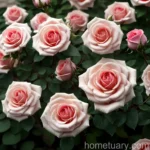
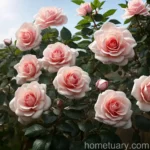
The Seven Sisters rose, scientifically classified as Rosa multiflora ‘Grevillei’, is a beloved member of the Rosaceae family. It is a robust and vigorous climbing rose that is renowned for its profusion of small, delicately scented flowers. The name ‘Seven Sisters’ refers to the captivating display of color the plant offers, with clusters of blooms that transition from deep pink to soft blush as they mature, creating a stunning multicolored effect on a single plant. This spectacular sight is often likened to the beautiful Pleiades star cluster, which is also known as the Seven Sisters in Greek mythology.
Key Takeaways – Seven Sisters Rose (Rosa multiflora ‘Grevillei’)
– Scientific Name: Rosa multiflora ‘Grevillei’
– Family: Rosaceae
– Common Name: Seven Sisters Rose
– Plant Type: Climbing Rose
– Bloom Time: Late Spring to Early Summer
– Hardiness Zone: 5-9
– Mature Height: 7-20 feet
– Fragrance: Sweet and Delicate
– Pest and Disease Resistance: Moderate to High
– Uses: Ornamental, Hedging, Cut Flowers, Medicinal
Now, let’s delve deeper into the various aspects of caring for and understanding this enchanting plant.
Culture
Water
The Seven Sisters rose generally requires moderate watering, especially during dry periods or when planted in containers. It is important to ensure that the soil is well-draining to prevent waterlogging, which can lead to root rot. During the growing season, regular watering, especially during dry spells, is essential to support healthy growth and abundant blooming.
Sunlight
Like most roses, the Seven Sisters rose thrives in full sun, which is defined as a minimum of six hours of direct sunlight per day. Adequate sunlight is crucial for promoting vigorous growth and an abundance of flowers. Ensure that the plant is placed in a location that receives ample sunlight to encourage the best blooming performance.
Fertilizer
To support optimal growth and profuse blooming, it is beneficial to feed the Seven Sisters rose with a balanced fertilizer. A slow-release granular fertilizer applied in early spring and again in late spring can provide the necessary nutrients for robust growth and abundant flowering. Alternatively, organic rose fertilizers can also be used to enrich the soil and promote overall plant health.
Soil
The Seven Sisters rose is relatively adaptable when it comes to soil, but it thrives in well-draining, loamy soil with a slightly acidic to neutral pH level. Good soil structure is essential for healthy root development and overall plant vigor. Before planting, amending the soil with organic matter such as compost or well-rotted manure can improve its texture and fertility.
Pruning
Pruning is an essential aspect of caring for the Seven Sisters rose, especially when grown as a climbing or rambling rose. Pruning should be carried out in late winter or early spring, before new growth begins. Remove any dead, damaged, or crossing branches to promote good air circulation and minimize the risk of disease. Additionally, prune the plant to shape it and control its size, as this variety can be quite vigorous under favorable growing conditions.
Uses
The Seven Sisters rose offers a wide range of uses, making it a highly versatile and sought-after plant in the gardening world.
- Ornamental: The stunning display of multicolored blooms makes the Seven Sisters rose a popular choice for adding visual interest to gardens and landscapes.
- Hedging: Its vigorous growth habit and arching canes make it suitable for creating informal hedges, adding charm and privacy to outdoor spaces.
- Cut Flowers: The delicate blooms of the Seven Sisters rose are often used in floral arrangements to bring a touch of natural beauty indoors.
- Medicinal: In traditional medicine, certain parts of the rose plant, including the petals and hips, are used to prepare herbal remedies with potential health benefits.
Propagation
The Seven Sisters rose can be propagated through various methods, including:
- Softwood Cuttings: Softwood cuttings taken in late spring or early summer have the potential to root and establish into new plants.
- Layering: This method involves bending a low-growing stem to the ground, where it can be partially buried to encourage the formation of roots. Once rooted, the new plant can be separated from the parent plant.
- Division: When the rose plant becomes overcrowded, it can be divided by carefully separating the root ball into multiple sections, each with its own shoot system, and then replanted.
Container Popularity
The Seven Sisters rose is well-suited for container gardening, making it a popular choice for those with limited garden space or for individuals looking to add a touch of beauty to patios, balconies, or other outdoor areas. When grown in containers, it is important to select a large, sturdy pot to accommodate the plant’s vigorous growth. Additionally, container-grown roses often require more frequent watering and fertilization compared to those planted in the ground.
Common Diseases and Pest Management
Disease Diagnosis
The Seven Sisters rose is susceptible to some common rose diseases, including:
- Powdery Mildew: This fungal disease appears as a powdery white coating on the leaves and stems.
- Black Spot: Characterized by dark spots with fringed margins on the foliage, black spot can weaken the plant if left untreated.
- Rust: Rust infections display as orange-red pustules on the undersides of leaves.
Common Pests
Some of the pests that can affect the Seven Sisters rose include:
- Aphids: These small insects feed on the sap of the plant, often causing distortion and yellowing of the affected foliage.
- Thrips: Thrips can cause damage to the flowers and foliage by sucking plant juices, potentially resulting in silvery speckling and distorted growth.
- Japanese Beetles: These pests can skeletonize the foliage, causing significant damage if present in large numbers.
Botanist’s Tips
- When planting Seven Sisters roses, ensure that they have ample space to grow and spread, especially when grown as climbers or ramblers.
- Regular watering, especially during dry periods, is crucial for healthy growth and optimal blooming performance.
- Apply a layer of organic mulch around the base of the plant to help retain moisture, suppress weeds, and provide beneficial organic matter as it decomposes.
Fun Facts
- The name “Seven Sisters” is derived from the captivating clusters of blooms, which transition through various shades of pink, creating a delightful multicolored effect.
- The rose has been celebrated in art, literature, and folklore for centuries, with its enchanting beauty and sweet fragrance captivating the imagination of poets and artists around the world.
Links to External Resources
To learn more about the Seven Sisters rose and its care, characteristics, and uses, explore the following resources:
- Royal Horticultural Society: Growing Roses
- Plant Heritage: Rosa multiflora
- American Rose Society
- University of Florida IFAS Extension: Roses in Florida
- Missouri Botanical Garden: Rosa multiflora
In conclusion, the Seven Sisters rose (Rosa multiflora ‘Grevillei’) is a captivating and versatile plant that has earned its place as a beloved garden favorite. Whether adorning a trellis, enhancing a landscape, or gracing a container garden, this resilient and alluring rose variety continues to enchant and inspire gardeners and enthusiasts around the world.