All You Need to Know About the Dwarf Peach (Prunus persica ‘Belle of Georgia’)
In the world of horticulture, the dwarf peach (Prunus persica ‘Belle of Georgia’) is a prime example of how nature’s bounty can be tailored to suit the needs of modern living. With its compact size, bountiful harvest, and ornamental beauty, the dwarf peach has become a favorite among gardeners and homeowners alike. In this comprehensive guide, we will delve into the intricate details of this delightful variety of the peach tree, covering everything from its cultural requirements to its care and maintenance. By the end of this article, you will be equipped with all the necessary knowledge to grow and nurture your very own dwarf peach tree.
What is the Dwarf Peach (Prunus persica ‘Belle of Georgia’)?
The dwarf peach (Prunus persica ‘Belle of Georgia’) is a remarkable variety of peach tree that is prized for its compact size, making it an excellent choice for small gardens, urban spaces, and container cultivation. As a cultivar of the species Prunus persica, the ‘Belle of Georgia’ boasts a number of distinctive characteristics that set it apart from other peach trees.
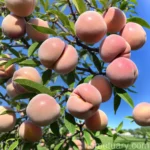
Named after the southern state known for its peach production, the ‘Belle of Georgia’ peach tree is renowned for its excellent fruit quality, cold hardiness, and late bloom. This makes it particularly suitable for regions with cooler climates. The fruit itself is large, with a creamy white skin and a vibrant red blush, encapsulating the sweet and juicy flesh within.
While the ‘Belle of Georgia’ is a dwarf variety, it still yields an abundant harvest of delectable peaches, making it a highly sought-after choice for fruit enthusiasts with limited space.
Key Takeaways – Dwarf Peach (Prunus persica ‘Belle of Georgia’)
Before delving into the specifics of growing and caring for the ‘Belle of Georgia’ peach tree, let’s outline the key takeaways that encapsulate the essence of this exceptional cultivar:
- Compact and dwarf variety, ideal for small gardens and container cultivation
- Renowned for its cold hardiness and late bloom, suitable for cooler climates
- Produces large, sweet, and juicy peaches with a creamy white skin and red blush
- Abundant harvest despite its smaller size
- Ornamental value with beautiful blossoms and lush foliage
Now that we have a broad understanding of the ‘Belle of Georgia’ peach tree, let’s explore the intricate details of its culture, care, and maintenance.
Culture
Uses
The ‘Belle of Georgia’ peach tree is primarily cultivated for its delectable fruit. The large, juicy peaches make for a delightful addition to fresh fruit salads, desserts, and preserves. Additionally, the ornamental value of the tree, characterized by its beautiful blossoms and lush foliage, adds aesthetic appeal to any garden or landscape.
Water
Proper watering is essential for the optimal growth and fruit production of the ‘Belle of Georgia’ peach tree. The tree requires regular watering, especially during periods of drought or dry weather. When establishing a watering schedule, it is important to ensure that the soil is adequately moist but not waterlogged, as excessive water can lead to root rot and other complications.
Sunlight
Like most fruit-bearing trees, the ‘Belle of Georgia’ peach tree thrives in full sunlight. It is essential to provide the tree with a location that receives ample sunlight throughout the day, as this promotes healthy growth, flowering, and fruit set.
Fertilizer
Proper fertilization is crucial for enhancing the growth and productivity of the ‘Belle of Georgia’ peach tree. A balanced fertilizer specifically formulated for fruit trees can be applied in early spring, before the onset of new growth. Additionally, a layer of organic mulch around the base of the tree can help retain moisture and provide essential nutrients as it decomposes.
Soil
The ‘Belle of Georgia’ peach tree thrives in well-draining, loamy soil with a slightly acidic pH level. Prior to planting, it is beneficial to amend the soil with organic matter to improve its structure and fertility. Furthermore, conducting a soil test can provide valuable insights into any necessary adjustments to optimize the growing conditions for the tree.
Pruning
Proper pruning is essential for shaping the tree, promoting fruit production, and maintaining overall health. Pruning should be carried out during the dormant season, typically in late winter or early spring, to remove dead or diseased branches, improve airflow, and encourage the development of fruit-bearing wood.
Propagation
The ‘Belle of Georgia’ peach tree can be propagated through several methods, including hardwood cuttings, softwood cuttings, and grafting. Each method has its own set of requirements and techniques, and the chosen approach often depends on the expertise and resources available to the gardener or grower.
Container Popularity
The compact size and prolific fruiting of the ‘Belle of Georgia’ peach tree make it an excellent choice for container cultivation. Growing the tree in a container allows individuals with limited garden space to enjoy the benefits of homegrown peaches. Additionally, the ornamental value of the tree, with its lush foliage and blossoms, adds aesthetic appeal to patios, balconies, and small outdoor spaces.
Now that we have explored the cultural aspects and propagation of the ‘Belle of Georgia’ peach tree, it is important to consider the common diseases and pests that can affect this delightful cultivar.
Common Diseases
Disease Diagnosis
The ‘Belle of Georgia’ peach tree is susceptible to a range of diseases, including:
- Peach Leaf Curl: This fungal disease causes distorted and discolored leaves, ultimately impacting the tree’s overall health and fruit production.
- Brown Rot: A common fungal disease that affects the fruit, causing it to rot and become unsuitable for consumption.
- Powdery Mildew: Characterized by a powdery white coating on the leaves and shoots, powdery mildew can weaken the tree and reduce fruit quality.
Timely diagnosis and appropriate management strategies are essential for preventing the spread and severity of these diseases. Cultural practices, such as proper pruning and sanitation, can help mitigate the risk of disease, while fungicidal sprays may be necessary in severe cases.
Common Pests
The ‘Belle of Georgia’ peach tree is also vulnerable to various pests, including:
- Aphids: These tiny insects can congregate on the leaves and shoots, sucking sap and potentially transmitting viruses to the tree.
- Scale Insects: Scale insects can infest the branches and stems of the tree, leading to stunted growth and weakened vitality.
- Oriental Fruit Moth: The larvae of this moth can cause significant damage to the fruit and foliage of the tree, impacting its overall health and productivity.
Implementing integrated pest management practices can help control pest infestations while minimizing the use of chemical interventions. This approach involves techniques such as natural predators, traps, and cultural methods to maintain a healthy balance in the ecosystem surrounding the tree.
Botanist’s Tips
Fun Facts
- The ‘Belle of Georgia’ peach tree is a genetic dwarf, meaning that its compact size is a result of genetic factors rather than pruning or training.
- The peaches produced by the ‘Belle of Georgia’ tree are renowned for their exceptional flavor and juiciness, making them a favorite among fruit enthusiasts.
- The ornamental value of the ‘Belle of Georgia’ peach tree extends beyond its fruit, with beautiful pink blossoms that adorn the tree in spring, creating a picturesque display.
Links to External Resources
For further information on the ‘Belle of Georgia’ peach tree and related topics, feel free to explore the following resources:
- Growing Dwarf Peach Trees
- Pruning Tips for Dwarf Peach Trees
- Pest Control for Prunus persica ‘Belle of Georgia’
- Dwarf Peach Tree Care in Winter
- Benefits of Dwarf Peach Trees
Wrapping Up
In conclusion, the ‘Belle of Georgia’ peach tree is an exceptional cultivar that offers the perfect blend of ornamental beauty and bountiful harvest. Whether grown in a small garden or cultivated in a container, this dwarf peach variety has captured the hearts of gardening enthusiasts and fruit aficionados around the world. By understanding its cultural requirements, propagation methods, and means of disease and pest management, you can embark on a rewarding journey of nurturing and enjoying your very own ‘Belle of Georgia’ peach tree.
As you embark on your horticultural endeavors, remember that the joy of growing a peach tree goes beyond the delectable fruit it produces. It is a testament to the nurturing relationship between humans and nature, where the rewards are as abundant as the harvest from a well-tended tree.
So, whether you are an experienced gardener or a novice enthusiast, consider adding the ‘Belle of Georgia’ peach tree to your landscape, and savor the delights it brings with each blossoming spring and fruitful summer. Happy gardening!
References
The following references have been utilized in creating this comprehensive guide:
- University of California Agriculture and Natural Resources. (n.d.). Peach Leaf Curl.
- University of California Agriculture and Natural Resources. (n.d.). Brown Rot Management Guidelines.
- University of California Agriculture and Natural Resources. (n.d.). Powdery Mildew on Peaches.
- Clemson University. (n.d.). Peaches: Oriental Fruit Moth.