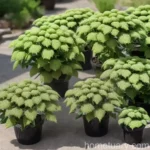
Croton Gold Dust (Codiaeum Variegatum ‘Gold Dust’) Plant Care Guide
Introduction
Plants play a vital role in our lives, not just environmentally, but also for their aesthetic and therapeutic benefits. One such plant that has garnered attention for its striking appearance is the Croton Gold Dust (Codiaeum Variegatum ‘Gold Dust’). This tropical plant is renowned for its vibrant and variegated leaves, making it a popular choice for both indoor and outdoor cultivation. In this comprehensive guide, we will delve into the various aspects of caring for Croton Gold Dust plants, from its cultural requirements to propagation techniques, and highlight its significance in interior and landscape design. By the end of this article, you will have a thorough understanding of how to grow and maintain this stunning plant and leverage its decorative and air-purifying qualities.
What is Croton Gold Dust (Codiaeum Variegatum ‘Gold Dust’)?
The Croton Gold Dust, scientifically known as Codiaeum Variegatum ‘Gold Dust’, is a cultivar within the Codiaeum Variegatum species. This tropical plant is characterized by its glossy, leathery, and multicolored foliage, featuring shades of green, yellow, and sometimes red or orange. The leaves are speckled with bright yellow or golden dust-like spots, giving it a distinct and eye-catching appearance. The variegated foliage of the Croton Gold Dust adds a tropical flair to any setting, making it a favored choice for plant enthusiasts and interior decorators alike.
Key Takeaways
Croton Gold Dust (Codiaeum Variegatum ‘Gold Dust’):
- Scientific Name: Codiaeum Variegatum ‘Gold Dust’
- Common Names: Croton Gold Dust plant, Gold Dust Croton plant, Golden Croton plant
- Interesting Features: Variegated leaves with gold speckles, vibrant foliage, tropical plant variety
- Cultural Significance: Popular choice for interior and landscape design, air-purifying qualities
Culture
Understanding the cultural requirements of the Croton Gold Dust is crucial for successfully growing and maintaining this plant. Let’s explore the key elements of its cultural needs.
Water
Proper watering is essential for the health and vitality of the Croton Gold Dust plant. Here are some water-related considerations:
- Moisture: The plant thrives in moderately moist soil. It is important to ensure that the soil is well-draining to prevent waterlogged conditions, which can lead to root rot.
- Watering Frequency: Water the plant when the top inch of the soil feels dry to the touch. During the growing season, typically spring and summer, the plant may require more frequent watering compared to the dormant season.
- Water Quality: Use tepid water to avoid shocking the plant. Additionally, the Croton Gold Dust appreciates slightly acidic to neutral water pH.
Sunlight
Proper sunlight exposure is crucial for the Croton Gold Dust’s growth and leaf coloration. Consider the following sunlight requirements:
- Light Intensity: The plant thrives in bright, indirect light. Direct exposure to intense sunlight can lead to leaf burn, while insufficient light can result in faded leaf colors and leggy growth.
- Light Duration: Aim to provide the plant with 4-6 hours of indirect sunlight per day. This can be achieved through placement near a north or east-facing window where it can receive gentle morning sunlight.
Fertilizer
Fertilizing the Croton Gold Dust plant is essential to support its growth and enrich the soil with necessary nutrients. Consider the following fertilizer guidelines:
- Fertilizer Type: Use a balanced, water-soluble fertilizer formulated for ornamental plants. Look for a fertilizer with a higher nitrogen content to support the plant’s leaf development.
- Feeding Frequency: During the growing season, apply a diluted fertilizer solution every 2-4 weeks. Reduce feeding frequency during the dormant period to avoid over-fertilization.
Soil
Choosing the right soil type and quality is fundamental to the overall well-being of the Croton Gold Dust plant. Consider the following soil-related aspects:
- Soil Composition: Use a well-draining potting mix that is rich in organic matter. A mix designed for tropical or foliage plants is suitable for the Croton Gold Dust.
- Acidity: The soil pH should be slightly acidic to neutral, ideally in the range of 6.0-6.5, to facilitate optimal nutrient uptake.
Pruning
Regular pruning is essential to maintain the shape and health of the Croton Gold Dust plant. Here are some pruning considerations:
- Pruning Timing: Prune the plant in the spring or early summer to encourage vigorous growth during the growing season.
- Pruning Goals: Remove leggy or diseased growth, as well as any dead or yellowing leaves. Additionally, prune for shaping and compactness, promoting a fuller appearance.
Propagation
Propagating the Croton Gold Dust plant allows you to expand your collection or share this beautiful plant with others. Consider the following propagation techniques:
- Method: The plant can be propagated through stem cuttings, which should ideally include at least two nodes. Rooting hormone can be applied to expedite the rooting process.
- Propagation Medium: Use a well-draining potting mix for rooting the cuttings. Maintain a warm and humid environment to support successful root development.
Container Popularity
The Croton Gold Dust is a popular choice for container gardening due to its ornamental foliage and adaptability to indoor environments. Consider the following aspects related to its container popularity:
- Indoor Décor: The vibrant and variegated leaves make the Croton Gold Dust an attractive addition to interior spaces, adding a touch of tropical elegance.
- Container Types: Choose a decorative and well-draining container for the plant, ensuring that it has sufficient drainage holes to prevent waterlogging.
Common Diseases
The Croton Gold Dust plant is susceptible to certain diseases, and being aware of these conditions is crucial for proactive management. Consider the following common diseases:
- Leaf Spot: Fungal leaf spot diseases can affect the foliage, leading to the development of dark spots or lesions. Ensure good air circulation and avoid overhead watering to mitigate the risk of fungal infections.
- Root Rot: Overwatering or poorly draining soil can lead to root rot, which manifests as wilting, yellowing, or blackening of the plant’s foliage. Adjust the watering regimen and improve soil drainage to prevent root rot.
Disease Diagnosis
Diagnosing plant diseases accurately is essential for implementing targeted treatments. Consider the following diagnostic steps for common diseases of the Croton Gold Dust:
- Visual Inspection: Examine the plant for any signs of discoloration, lesions, or wilting. Take note of the affected areas and the progression of symptoms.
- Environmental Assessment: Evaluate the plant’s growing conditions, including watering practices, sunlight exposure, and air circulation, as these can contribute to disease development.
- Consultation: If needed, consult with a plant nursery or extension service to seek guidance on disease identification and suitable management strategies.
Common Pests
Like many indoor and outdoor plants, the Croton Gold Dust is susceptible to pest infestations. Being vigilant and proactive in pest management is crucial. Consider the following common pests:
- Spider Mites: These tiny pests can infest the underside of the leaves, causing stippling and webbing. Regularly inspect the foliage and use a forceful water spray to dislodge spider mites.
- Mealybugs: Mealybugs are small, white, cottony pests that can cluster on the new growth and leaf axils. Remove mealybugs manually and consider using insecticidal soap for control.
Botanist’s Tips
The following botanist’s tips can enhance your success in growing and caring for the Croton Gold Dust plant:
- Humidity: Maintain moderate to high humidity levels around the plant, especially during the drier months. Grouping plants together or using a humidifier can help create a conducive environment.
- Seasonal Adjustments: Be mindful of seasonal changes in light, temperature, and humidity, and adjust care practices accordingly to accommodate the plant’s needs.
Fun Facts
Here are some intriguing and fun facts about the Croton Gold Dust plant that add to its allure:
- Cultural Significance: In certain cultures, the Croton Gold Dust is considered a symbol of prosperity and abundance, making it a popular gift during festive occasions.
- Leaf Variations: The variegated leaves of the Croton Gold Dust can exhibit an array of color patterns, including speckles, splotches, and distinct veining, adding to the plant’s visual appeal.
Links to External Resources
For further information and resources on the Croton Gold Dust (Codiaeum Variegatum ‘Gold Dust’), consider the following external links:
- The Spruce – How to Grow and Care for Codiaeum Variegatum
- University of Florida IFAS Extension – Croton Production Guide
In the next section, we will focus on the significance of the Croton Gold Dust within interior design and its role in creating tropical vibes at home.
Stay tuned for the continuation in part 2.