The Fascinating World of Water Pepper (Persicaria hydropiper)
Plants play a pivotal role in our lives, providing us with food, oxygen, and numerous other resources. One incredibly interesting plant is Water Pepper (Persicaria hydropiper), which has a rich history of uses and benefits. In this comprehensive guide, we will dive into the cultural significance, uses, care requirements, and much more about this fascinating plant.
What is Water Pepper?
Water Pepper (Persicaria hydropiper), also known as marshpepper knotweed, smartweed, or water smartweed, is a flowering plant in the family Polygonaceae. It is native to Eurasia and is commonly found along the edges of water bodies such as rivers, ponds, and marshes. This herbaceous perennial plant is most notably recognized for its long history of culinary, medicinal, and ornamental uses.
Physical Characteristics of Water Pepper
The distinctive features of Water Pepper make it a unique and intriguing plant to study and cultivate. Here are some key physical characteristics:
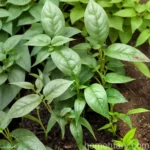
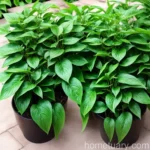
- Leaves: The leaves are narrow and elongated, typically measuring around 5-9 cm long and 1-2 cm wide. They are lance-shaped and can range in color from green to reddish-green.
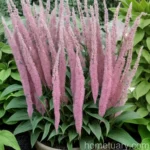
- Flowers: The tiny, pale pink to red flowers are arranged in dense spikes at the end of the stems. The blooming period typically occurs from mid-summer to early fall.
- Habitat: As the name suggests, Water Pepper thrives in moist environments, and its natural habitat includes wetlands, riverbanks, and shores of lakes and ponds.
Culture of Water Pepper
Understanding the cultural significance and historical uses of Water Pepper sheds light on its importance to various societies and traditions.
Historical and Traditional Uses
Water Pepper has been a part of human culture for centuries, with diverse applications in traditional medicine, culinary arts, and even as a natural dye plant. Its use dates back to ancient times and has found a place in numerous cultural practices and rituals.
In traditional Asian cuisine, the leaves and stems of Water Pepper are utilized in a variety of dishes, imparting a unique flavor and bringing a subtle peppery heat to the food. Medicinally, the plant has been employed for its purported healing properties and is utilized in herbal remedies in certain cultures. Additionally, the plant has been utilized in natural dyeing processes to produce vibrant, reddish hues for textiles.
Key Takeaways – Water Pepper (Persicaria hydropiper)
The multifaceted nature of Water Pepper (Persicaria hydropiper) lends it a wide array of uses and benefits, making it a valuable addition to gardens and landscapes. Let’s explore the key takeaways related to Water Pepper, encompassing its uses, care requirements, and fascinating attributes.
Water Pepper (Persicaria hydropiper) Uses
Understanding the diverse uses of Water Pepper sheds light on its versatility and relevance in various spheres, including culinary, medicinal, and decorative applications.
Culinary Uses
Water Pepper brings a distinct and peppery flavor to culinary creations, offering a unique twist to dishes. The leaves and young stems of the plant are often incorporated into salads, soups, and stir-fries to impart a subtly spicy and refreshing taste. Its use in traditional Asian cuisine adds depth and character to regional dishes and highlights its culinary significance.
Medicinal Properties and Herbal Remedies
In traditional medicine, Water Pepper has been revered for its purported medicinal properties, with its utilization in herbal remedies for various ailments being documented throughout history. The plant is believed to possess antibacterial, anti-inflammatory, and diuretic properties, and has been used to alleviate digestive issues and minor skin irritations.
Ornamental and Decorative Use
Beyond its culinary and medicinal uses, Water Pepper also finds value as an ornamental plant in landscaping and garden designs. Its lush foliage and delicate blooms add visual interest to pondsides, water gardens, and other moist or semi-aquatic environments, enhancing the overall aesthetic appeal of the surroundings.
Water Pepper (Persicaria hydropiper) Care Requirements
To truly appreciate the beauty and utility of Water Pepper, it is essential to understand its care requirements and optimal growing conditions. From sunlight and soil preferences to pruning and propagation techniques, a comprehensive grasp of its care needs ensures successful cultivation and maintenance.
Water
As the name suggests, Water Pepper thrives in moist environments and benefits from consistent watering to maintain adequate soil moisture. While the plant is adaptable to various moisture levels, it performs best in consistently moist soil, making it an ideal choice for areas near ponds, streams, or other water features.
Sunlight
Water Pepper exhibits a preference for partial to full sun exposure, thriving in locations that receive ample sunlight throughout the day. However, it can also tolerate partially shaded areas, providing some flexibility in its placement within a garden or landscape.
Fertilizer
When it comes to fertilizing Water Pepper, a balanced, all-purpose fertilizer can be applied during the growing season to promote healthy growth and abundant flowering. However, it is important to avoid excessive fertilization, as this can lead to overly lush foliage at the expense of flower production.
Soil
The ideal soil for Water Pepper is rich, well-draining, and slightly acidic to neutral in pH. It is crucial to ensure good drainage to prevent waterlogging, especially in areas with heavy or clayey soil. The plant’s affinity for moist environments makes it well-suited for soils with higher organic matter content.
Pruning
Pruning Water Pepper is beneficial for maintaining a compact and tidy growth habit, as well as encouraging continuous blooming. Regular removal of spent flowers and occasional trimming of straggly or overgrown stems can help promote a neat and attractive appearance.
Propagation
Water Pepper can be propagated through both seeds and cuttings, offering flexibility in expanding and propagating new plants. Seed propagation is relatively straightforward, while stem cuttings can be rooted in water or a suitable propagation medium to establish new plants.
Water Pepper (Persicaria hydropiper) Varieties
Diving into the diverse varieties and cultivars of Water Pepper reveals the breadth of options available to enthusiasts and horticulturists. From variations in leaf color to growth habits, each cultivar offers distinct characteristics that contribute to the plant’s overall appeal.
Common Varieties
- Persicaria hydropiper ‘Fastigiata’: This variety is known for its upright, columnar growth habit, making it an excellent choice for vertical accents in garden designs.
- Persicaria hydropiper ‘Variegata’: Characterized by its variegated foliage with attractive splashes of creamy white, this variety adds a touch of visual interest to any landscape.
- Persicaria hydropiper ‘Red Dragon’: Sporting vibrant reddish-purple foliage, this variety is prized for its striking coloration and adds a bold accent to garden beds and borders.
Water Pepper (Persicaria hydropiper) Common Diseases and Pests
Despite its inherent resilience, Water Pepper is susceptible to certain diseases and pests that can impact its health and vitality. Recognizing and addressing these potential issues is crucial for maintaining the plant’s well-being and overall condition.
Disease Diagnosis
- Powdery Mildew: This fungal disease manifests as a powdery white coating on the leaves, typically in humid conditions. Proper air circulation and avoiding overhead watering can help prevent this issue.
- Leaf Spot: Characterized by dark spots or lesions on the foliage, leaf spot diseases can be caused by various pathogens. Pruning affected foliage and adopting good sanitation practices can aid in disease management.
Common Pests
- Aphids: These tiny insects feed on the sap of the plant, causing distorted growth and weakening the plant overall. Natural predators, such as ladybugs, can help keep aphid populations in check. Additionally, spraying the plant with a strong stream of water can physically dislodge aphids.
- Spider Mites: These minuscule pests can cause stippling and webbing on the leaves, leading to a decline in plant health. Regularly misting the plant and maintaining adequate humidity levels can deter spider mite infestations.
Botanist’s Tips for Water Pepper Care
Drawing insights from experts in the field of botany and horticulture can offer valuable guidance and practical tips for successfully cultivating and caring for Water Pepper. Here are some of the top recommendations from botanists for optimal Water Pepper care:
- Ample Moisture: Ensuring a consistently moist environment is crucial for the health and vigor of Water Pepper, especially in warmer climates or during extended dry periods.
- Moderate Feeding: While Water Pepper benefits from occasional fertilization, it is important to avoid excessive feeding, as this can lead to overly lush growth at the expense of flowering.
- Pruning for Aesthetic Appeal: Regular pruning and deadheading can help maintain a tidy and attractive appearance for Water Pepper, promoting continuous blooming and neat growth.
- Siting Considerations: Selecting a suitable location with adequate sunlight and moist, well-draining soil is essential for the successful cultivation of Water Pepper, aligning with its natural habitat preferences.
Fun Facts About Water Pepper
Delving into the fascinating realm of Water Pepper unveils a host of intriguing and captivating facts that highlight its unique attributes and cultural significance. Here are some fun and lesser-known facts about Water Pepper:
- The peppery flavor of Water Pepper is attributed to the compound piperine, which gives it a mild yet distinctive heat reminiscent of black pepper.
- In traditional Chinese medicine, Water Pepper is utilized for its presumed warming properties and is employed to support various aspects of health and well-being.
- Water Pepper has historically been used as a natural dye plant, contributing to the production of vibrant red pigments for textiles and artisanal crafts in certain cultures.
Links to External Resources
For further exploration and in-depth information about Water Pepper, consider the following external resources offering valuable insights and guidance:
- RHS Gardening – Persicaria hydropiper
- University of Florida IFAS Extension – Smartweed
- The Herb Society of America – Persicaria hydropiper
- Missouri Botanical Garden – Persicaria hydropiper
Conclusion
In conclusion, Water Pepper (Persicaria hydropiper) stands as a captivating and versatile plant with a rich history of uses, benefits, and cultural significance. From its culinary and medicinal applications to its ornamental value in garden landscapes, this unique plant holds immense potential for enthusiasts and practitioners alike. Understanding its care requirements, varieties, and potential challenges empowers individuals to cultivate and appreciate this remarkable plant to the fullest.
By delving into the multifaceted world of Water Pepper, we unravel the richness of its cultural and botanical significance, offering insights into its historical uses, care requirements, and remarkable attributes. From traditional medicine to culinary arts, this versatile plant continues to captivate and inspire through its diverse applications and timeless appeal.
Considering its relevance in traditional medicine, culinary arts, and ornamental horticulture, it becomes evident that Water Pepper possesses a blend of practical, aesthetic, and cultural value, making it a compelling subject for exploration and appreciation. As enthusiasts and practitioners continue to discover and embrace the remarkable qualities of Water Pepper, its legacy and relevance endure, contributing to the beauty and richness of our botanical world.