Vietnamese Coriander (Persicaria Odorata)
Vietnamese Coriander, scientifically known as Persicaria odorata, is a herb that is native to Southeast Asia and is widely used in Vietnamese, Malaysian.
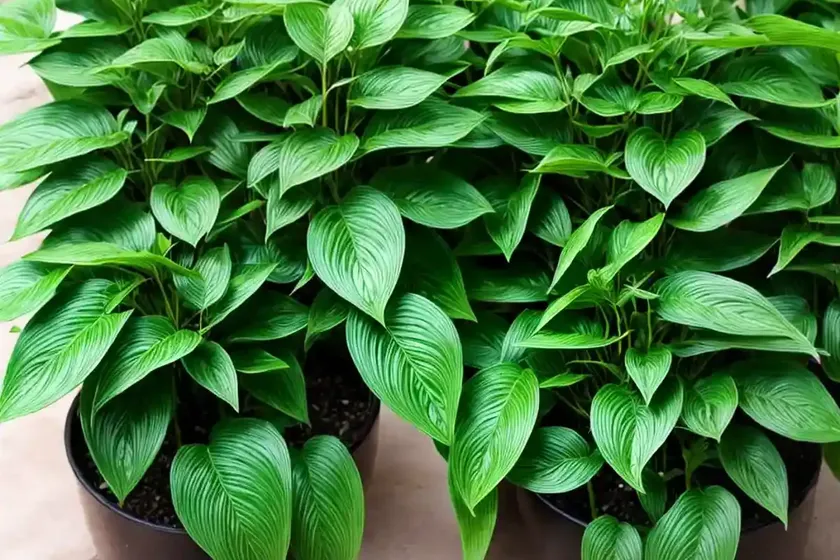

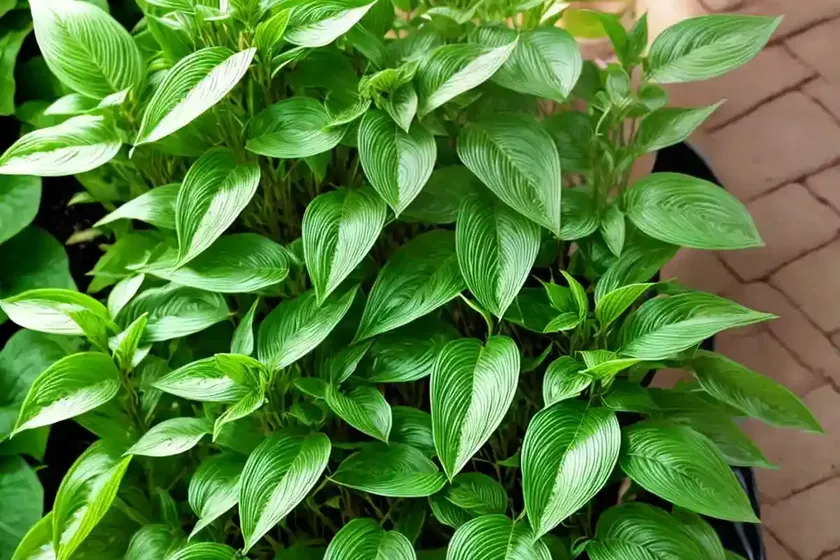
Plant Name: Vietnamese Coriander (Persicaria odorata)
What is Vietnamese Coriander (Persicaria odorata)?
Vietnamese Coriander, scientifically known as Persicaria odorata, is a herb that is native to Southeast Asia and is widely used in Vietnamese, Malaysian, and Thai cuisine. It is a leafy green plant with a distinct flavor and aroma, often described as a combination of cilantro and peppermint, which adds a unique and refreshing taste to dishes.
The plant belongs to the Polygonaceae family and is also known by other names such as Vietnamese mint, laksa leaf, and hot mint. In its natural habitat, it thrives in wetland areas, and its cultivation is gaining popularity in various parts of the world due to its culinary uses and potential health benefits.
Key Takeaways – Vietnamese Coriander (Persicaria odorata)
Culture
Vietnamese Coriander is deeply ingrained in the culture and cuisine of Southeast Asia, especially in countries like Vietnam, Malaysia, and Thailand. It is a staple in dishes such as soups, salads, and seafood, where its distinctive flavor enhances the overall taste and aroma of the food.
Uses
This herb is primarily used as a flavoring agent in various dishes, especially those with seafood and noodles. Its leaves are also used in salads, spring rolls, and garnishes. In traditional medicine, it is believed to have medicinal properties and is used for its therapeutic benefits.
Water
Vietnamese Coriander thrives in moist, well-drained soil. It requires regular watering to keep the soil consistently moist, but not waterlogged. During the hotter months, it may need more frequent watering to prevent the soil from drying out.
Sunlight
The plant prefers partial shade to full sun, making it adaptable to a range of light conditions. It should be placed in an area where it can receive a few hours of direct sunlight and partial shade during the rest of the day.
Fertilizer
A balanced, water-soluble fertilizer can be applied to the plant every 4-6 weeks during the growing season to provide essential nutrients. It is important not to over-fertilize the plant, as this can lead to excessive leaf growth at the expense of flavor intensity.
Soil
Vietnamese Coriander grows well in loamy, well-draining soil with a slightly acidic to neutral pH. It is essential to ensure that the soil remains consistently moist, as the plant does not tolerate dry or waterlogged conditions.
Pruning
Regular pruning helps promote bushier growth and prevents the plant from becoming leggy. Pinching off the tips of the stems encourages lateral branching, resulting in a fuller and more compact plant.
Propagation
The plant can be propagated through stem cuttings or by dividing mature plants. Stem cuttings can be rooted in water or directly planted in a moist potting mix, while division involves separating the root ball into smaller sections and replanting them individually.
Container Popularity
Vietnamese Coriander is well-suited to container gardening, making it an ideal option for urban or indoor cultivation. It can be grown in pots, window boxes, or hanging baskets, providing easy access to fresh leaves for culinary purposes.
Container Common Diseases
When growing Vietnamese Coriander in containers, it is susceptible to certain diseases and pests. Common issues include fungal infections, such as powdery mildew and root rot, as well as pest infestations by aphids and spider mites.
Disease Diagnosis
Diseases can be diagnosed by observing the plant for symptoms such as wilting, yellowing or spotted leaves, mold or mildew growth, and stunted growth. Proper diagnosis allows for timely intervention to prevent the spread of diseases and maintain plant health.
Common Pests
Pests such as aphids, spider mites, and whiteflies can affect Vietnamese Coriander. Regular inspection of the plant for signs of pest infestation, such as webbing, discoloration, and visible insects, enables prompt treatment to minimize damage.
Botanist’s Tips
Botanists recommend providing adequate moisture, proper drainage, and sufficient airflow to prevent common issues such as root rot and fungal diseases. Regular monitoring and maintaining optimal growing conditions are essential for the plant’s overall health and vigor.
Fun Facts
- Vietnamese Coriander is often included in traditional Southeast Asian medicine for its purported health benefits, including its potential as a digestive aid and anti-inflammatory agent.
- The herb is known for its ability to thrive in wet environments, making it a suitable choice for planting near ponds or in areas with high humidity.
Links to External Resources
- Persicaria odorata Benefits
- Persicaria odorata Culinary Uses
- Persicaria odorata Medicinal Properties
- Vietnamese Coriander Health Benefits
- Vietnamese Coriander Growing Tips
- Vietnamese Coriander Care Instructions
- Persicaria odorata Recipes
- Vietnamese Coriander Essential Oil
- Persicaria odorata Substitute
- Persicaria odorata Cultivation
- Vietnamese Coriander Herbal Remedies
- Persicaria odorata Plant Profile
- Vietnamese Coriander Culinary Herb
- Persicaria odorata Kitchen Uses
- Vietnamese Coriander Infusions
- Persicaria odorata Cooking Techniques
- Vietnamese Coriander Plant Care
- Persicaria odorata Propagation Methods
- Vietnamese Coriander Soil Requirements
- Persicaria odorata Harvest Tips
- Vietnamese Coriander Growing Conditions
- Persicaria odorata Therapeutic Uses
- Vietnamese Coriander Flavor Profile
- Persicaria odorata Leaves
- Persicaria odorata in Vietnamese Cuisine
- Vietnamese Coriander Planting Guide
- Persicaria odorata Health Benefits Recipes
- Vietnamese Coriander Preserving Techniques
- Persicaria odorata Allergy Information
- Vietnamese Coriander Harvesting Time
- Persicaria odorata Culinary Pairings
- Vietnamese Coriander Essential Oil Production
- Persicaria odorata Kitchen Garden Ideas
- Vietnamese Coriander Companion Plants
- Persicaria odorata Culinary Traditions
- Vietnamese Coriander Drying Methods
- Persicaria odorata Propagation Tips
- Vietnamese Coriander Pest Control
- Persicaria odorata Traditional Uses
- Vietnamese Coriander Garnish Ideas
- Persicaria odorata Potted Plant Care
- Vietnamese Coriander Flavor Substitutes
- Persicaria odorata Medicinal Tea Recipes
- Vietnamese Coriander Recipe Inspiration
- Persicaria odorata Herbal Remedies Preparation
- Vietnamese Coriander Culinary Trends
- Persicaria odorata Seasonality
- Vietnamese Coriander Watering Techniques
- Persicaria odorata Plant Varieties
- Vietnamese Coriander Uses in Traditional Medicine
As a plant scientist with a passion for exploring the diverse world of herbs and their cultural, culinary, and medicinal significance, I am excited to delve into the captivating realm of Vietnamese Coriander (Persicaria odorata). This herb not only adds a unique flavor to dishes but also holds potential health benefits and offers a delightful sensory experience. In this comprehensive guide, I will cover the various aspects of Vietnamese Coriander, including its cultural significance, uses, cultivation requirements, common diseases and pests, botanist’s tips, and fun facts. Let’s embark on this botanical journey and unravel the allure of Vietnamese Coriander.
Cultural Significance
Vietnamese Coriander plays a prominent role in the culinary traditions of Southeast Asia, particularly in the cuisines of Vietnam, Malaysia, and Thailand. Its distinctive flavor and aroma make it an essential ingredient in various dishes, ranging from soups and curries to salads and condiments. This herb is deeply rooted in the culinary heritage of the region, where its use has been passed down through generations, enriching the flavors of traditional recipes and reflecting the cultural diversity of Southeast Asian cuisine.
Culinary Uses
The versatile nature of Vietnamese Coriander allows it to be used in a wide array of dishes, bringing a refreshing twist to culinary creations. The herb’s citrusy, peppery, and slightly spicy flavor makes it an ideal accompaniment to seafood-based delicacies and noodle soups. Its leaves are often incorporated into spring rolls, salads, and wraps, enhancing the overall taste with its zesty and aromatic profile. Furthermore, the herb serves as a flavorful garnish, adding visual appeal and an extra burst of flavor to dishes.
Medicinal Properties
In addition to its culinary uses, Vietnamese Coriander is believed to possess medicinal properties, making it a valuable herb in traditional medicine. It is often used for its purported health benefits, including its potential as a digestive aid, anti-inflammatory agent, and source of antioxidants. The herb’s medicinal properties are attributed to its rich array of phytochemicals, which contribute to its therapeutic potential and make it a sought-after ingredient in herbal remedies.
Vietnamese Coriander in Traditional Medicine
Vietnamese Coriander is utilized in traditional medicine for its diverse range of therapeutic uses, which include aiding digestion, alleviating discomfort associated with gastrointestinal issues, and serving as a natural anti-inflammatory agent. In herbal remedies, the herb is incorporated into teas, infusions, and topical applications to harness its beneficial properties and promote overall well-being.
Cultivation of Vietnamese Coriander
Water Requirements
Vietnamese Coriander thrives in moist soil and requires consistent watering to maintain optimal growing conditions. The plant’s preference for moisture necessitates regular watering, especially during dry periods, to prevent the soil from drying out. It is essential to strike a balance between keeping the soil moist and avoiding waterlogging, as excessive moisture can lead to root rot and other moisture-related issues.
Sunlight Preferences
The herb benefits from partial shade to full sun, making it adaptable to a range of light conditions. When cultivating Vietnamese Coriander, it is important to provide it with an adequate amount of sunlight, ensuring that it receives several hours of direct sun and partial shade throughout the day. This balance of light exposure promotes healthy growth and enhances the development of its aromatic leaves.
Fertilization
Applying a balanced, water-soluble fertilizer to Vietnamese Coriander every 4-6 weeks during the growing season can provide essential nutrients to support its vigorous growth and flavor development. However, it is crucial to avoid over-fertilizing the plant, as this can lead to excessive vegetative growth at the expense of its characteristic flavor and aroma.
Soil Requirements
Vietnamese Coriander thrives in loamy, well-draining soil with a slightly acidic to neutral pH. The soil should retain moisture without becoming waterlogged, creating an ideal environment for the herb’s roots to establish and flourish. Moreover, providing a fertile and well-aerated growing medium supports the herb’s overall health and productivity.
Pruning Techniques
Regular pruning is beneficial for Vietnamese Coriander, as it promotes bushier growth and prevents the plant from becoming leggy. By pinching off the tips of the stems, lateral branching is encouraged, resulting in a fuller and more compact plant. Pruning also helps maintain the herb’s overall shape and vigor, contributing to its visual appeal and culinary utility.
Propagation Methods
Vietnamese Coriander can be propagated through various methods, including stem cuttings and division of mature plants. Stem cuttings can be rooted in water or directly planted in a moist potting mix, allowing for the establishment of new plants from healthy segments of the herb. Additionally, division involves separating the root ball into smaller sections and replanting them individually to create multiple thriving specimens.
Container Gardening Popularity
The adaptability of Vietnamese Coriander to container gardening makes it a popular choice for urban, indoor, and small-space cultivation. It can be grown in pots, window boxes, or hanging baskets, providing a convenient and accessible source of fresh leaves for culinary applications. Container gardening also offers greater control over the herb’s growing conditions, allowing enthusiasts to create an optimal environment for their plants.
Common Diseases
When growing Vietnamese Coriander in containers, it is important to be vigilant against common diseases that can affect the plant. Fungal infections, such as powdery mildew and root rot, may arise, particularly in humid or poorly ventilated environments. Monitoring the plant for signs of disease and implementing preventive measures are effective strategies for maintaining its health and vitality.
Disease Diagnosis
Diagnosing diseases in Vietnamese Coriander involves observing the plant for symptoms such as wilting, yellowing or spotted leaves, mold or mildew growth, and stunted growth. By identifying the signs of disease early on, appropriate measures can be taken to address the issue and mitigate its impact. Timely intervention is crucial for safeguarding the plant against the detrimental effects of diseases.
Common Pests and Pest Control
Vietnamese Coriander is susceptible to pest infestations, with common culprits including aphids, spider mites, and whiteflies. Effective pest control involves regular inspection of the plant for signs of infestation, such as webbing, discoloration, and the presence of insects. By promptly identifying and addressing pest issues, the plant’s overall health and productivity can be preserved.
Botanist’s Tips for Optimal Plant Care
To ensure the successful cultivation of Vietnamese Coriander, botanists emphasize the importance of providing adequate moisture, ensuring proper drainage, and facilitating sufficient airflow around the plant. Maintaining optimal growing conditions, such as consistent moisture levels and a well-aerated environment, supports the herb’s well-being and minimizes the risk of common issues such as root rot and fungal diseases.
Fun Facts about Vietnamese Coriander
Culinary and Medicinal Significance
- Vietnamese Coriander is revered for its role in Southeast Asian cuisine, where its distinct flavor and aroma enrich a wide range of dishes, including soups, salads, and seafood-based recipes.
- The herb is known for its purported medicinal properties, with traditional uses encompassing digestive support, anti-inflammatory effects, and therapeutic benefits in herbal remedies.
Adaptive Nature
- Vietnamese Coriander has a remarkable ability to thrive in wet environments, making it a suitable choice for planting near ponds and in areas with high humidity.
- Its adaptability to container gardening allows enthusiasts to incorporate this flavorful herb into their indoor and urban gardening endeavors, providing a fresh and accessible culinary resource.
In conclusion, Vietnamese Coriander (Persicaria odorata) holds a special place in the culinary traditions, cultural heritage, and potential health benefits of Southeast Asia. This herb, with its unique flavor and aromatic profile, enriches a myriad of dishes and serves as a captivating emblem of the diverse and vibrant culinary landscape of the region. By exploring the cultural significance, culinary uses, cultivation practices, common diseases and pests, botanist’s tips, and fun facts pertaining to Vietnamese Coriander, we have gained a comprehensive understanding of its multifaceted nature. Whether used as a flavorful ingredient in traditional recipes or grown as a cherished herb in gardens and kitchens, Vietnamese Coriander continues to captivate enthusiasts with its enticing fragrance and culinary allure.
I hope you have enjoyed this comprehensive exploration of Vietnamese Coriander, and may it inspire you to embrace the diverse world of herbs and their captivating contributions to cultural, culinary, and holistic well-being.
References
- Plant Resources of South-East Asia No 12(2): Medicinal and Poisonous Plants 2. Prota project website
- Herbs for Health Staff (2001) Herbs for Health and Healing: Some of the Best Herb Books for Finding, Growing, and Using Culinary, Handfire, and Medicinal Herbs
- Remedies and Recipes for the Herbalist, 8th Edition Steven Foster and James A. Duke. 132
- International Livelihoods Award, Opal Award, ETH, Zurich 2004: Accompagnement ethnobotanique des populations des collines et montagnes procelains de wapta et djamde au Benin (Gidon Sossa)
- Guthrie, Daniel and Whiting, J. 2002. A guide to Useful Plants of Southern Africa
- Medicinal Plants of East and South East Asia (Daniel, Bo R., and R.E.B. Cook).
Happy gardening and culinary adventures!


