Vitis Vinifera ‘Pinot Meunier’ (Grape Vine)
Vitis vinifera ‘Pinot Meunier’ is a grape vine variety that is well-known for its use in winemaking, particularly in the production of Champagne. This.
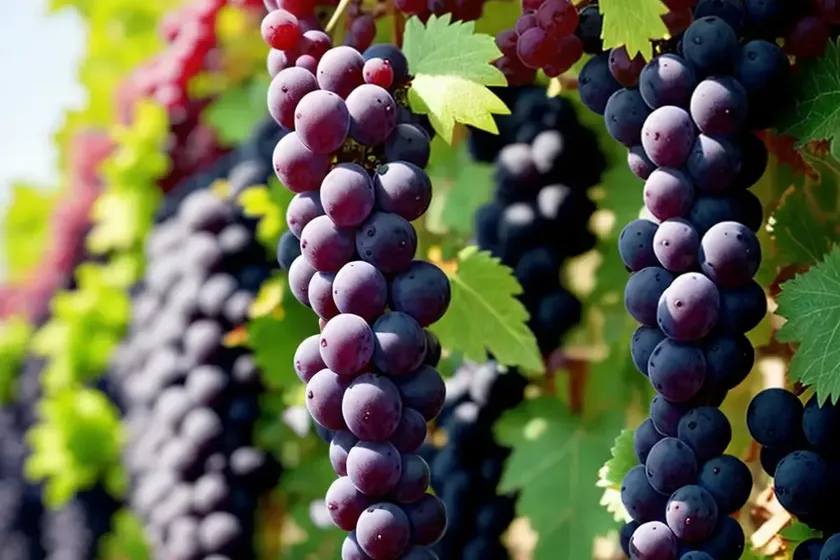
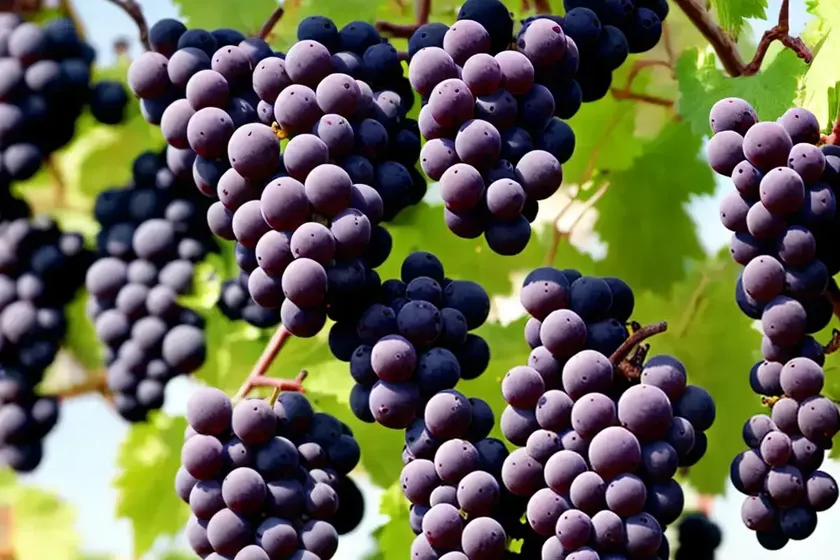
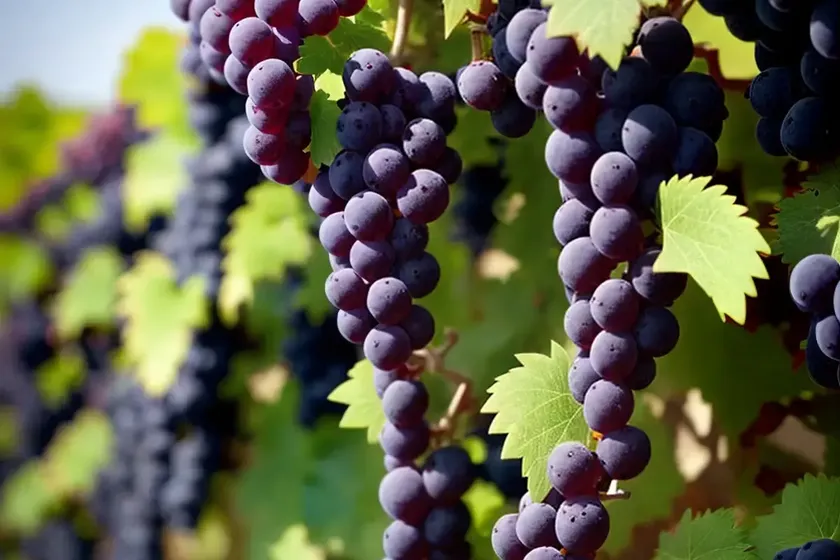
Vitis vinifera ‘Pinot Meunier’ is a grape vine variety that is well-known for its use in winemaking, particularly in the production of Champagne. This grape vine is a favorite among wine enthusiasts due to its unique characteristics and versatility. In this comprehensive guide, we will explore the various aspects of Vitis vinifera ‘Pinot Meunier’ – from its cultural requirements and uses to disease resistance and propagation methods.
What is Vitis vinifera ‘Pinot Meunier’?
Vitis vinifera ‘Pinot Meunier’ is a grape vine variety that belongs to the Vitis genus and is a part of the Vitaceae family. It is a mutation of the Pinot Noir grape and is primarily grown in the Champagne region of France, where it is used to produce still and sparkling wines. The name “Pinot Meunier” is derived from the French words “pinot,” which means pine or pine cone, and “meunier,” which means miller. This grape is known for its fruity flavors and its ability to add complexity to blends when paired with other grape varieties.
Key Takeaways
Vitis Vinifera ‘Pinot Meunier’ Characteristics
- Variety: Vitis vinifera ‘Pinot Meunier’
- Genus: Vitis
- Family: Vitaceae
- Common Uses: Winemaking (sparkling and still wines)
- Origin: Champagne region of France
- Flavor Profile: Fruity and versatile
- Cultivation: Temperate regions with well-drained soil
- Pruning: Requires regular pruning for optimal yield and quality
Culture
Uses
The Vitis vinifera ‘Pinot Meunier’ grape vine is primarily cultivated for winemaking purposes. Its versatile flavor profile makes it suitable for the production of both still and sparkling wines. Due to its excellent blending capabilities, it is often used in combination with other grape varieties to create complex and balanced wines.
Water
Appropriate water management is crucial for the healthy growth of Vitis vinifera ‘Pinot Meunier’. The vines require regular watering, especially during the growing season, to ensure optimal fruit development and vine health. However, it is important to avoid overwatering, as excessive moisture can lead to the development of diseases and compromise the quality of the grapes.
Sunlight
The grape vine thrives in full sunlight, as adequate exposure to sunlight is essential for the process of photosynthesis, which enables the vines to produce sugars and ripen the grapes. It is important to ensure that the vines are planted in an area that receives ample sunlight throughout the day, especially during the growing season.
Fertilizer
Proper fertilization is essential for promoting robust growth and fruit production in Vitis vinifera ‘Pinot Meunier’. The application of a balanced fertilizer with the appropriate ratio of nitrogen, phosphorus, and potassium is recommended. Additionally, it is important to monitor the nutrient levels in the soil and adjust the fertilizer application accordingly to meet the specific needs of the grapevines.
Soil
The grape vine prefers well-drained, nutrient-rich soil with a slightly acidic to neutral pH. Loamy soils with good water retention and aeration are ideal for promoting healthy root development and grape production. Conducting a soil test can provide valuable insights into the soil composition and nutrient levels, allowing for targeted soil amendments to create an optimal growing environment for the grape vines.
Pruning
Pruning is a critical aspect of grape vine management, and Vitis vinifera ‘Pinot Meunier’ is no exception. Regular pruning is essential for controlling vine growth, improving air circulation within the canopy, and promoting the development of high-quality fruit. Proper pruning techniques, including spur and cane pruning, are employed to maintain the balance between vegetative growth and fruit production.
Propagation
Grape vine propagation can be achieved through various methods, including the use of cuttings and grafting. For Vitis vinifera ‘Pinot Meunier’, propagation from cuttings is a common practice where healthy and disease-free vine cuttings are selected and rooted to establish new grape vines. Grafting onto suitable rootstocks is also employed to impart desirable traits such as disease resistance and vigor to the newly propagated vines.
Container Popularity
While grape vines are commonly grown in vineyards and open fields, there is a rising popularity of cultivating Vitis vinifera ‘Pinot Meunier’ in containers. Container gardening allows individuals with limited space to grow grape vines on patios, balconies, and terraces, providing an opportunity to experience the joy of grape cultivation and perhaps even make their own wine on a small scale.
Container Care
- Select a large and sturdy container with sufficient drainage holes to prevent waterlogging.
- Use high-quality, well-draining potting mix tailored for growing grape vines in containers.
- Position the container in a sunny location and provide trellising or support for the growing vines.
- Regularly water the grape vine in the container, ensuring that the soil remains consistently moist but not waterlogged.
- Implement a suitable fertilization schedule to provide essential nutrients for the potted grape vine throughout the growing season.
Common Diseases
Grape Vine Diseases and Treatments
Grape vines, including Vitis vinifera ‘Pinot Meunier’, are susceptible to various diseases that can impact their health and fruit production. Recognizing the signs of common grape vine diseases and implementing appropriate treatments is essential for mitigating the impact of diseases and ensuring the longevity of the grape vines.
Disease Diagnosis
- Powdery Mildew: Characterized by the presence of powdery white patches on leaves and fruit. Treat with fungicidal sprays.
- Downy Mildew: Identified by yellow or brown spots on leaves and eventual defoliation. Apply fungicides to manage the disease.
- Botrytis Bunch Rot: Manifests as gray mold on grapes, particularly under humid conditions. Proper canopy management and fungicidal treatments are key for control.
- Pierce’s Disease: Results in yellowing and scorching of leaves. Control relies on vector management and removal of infected vines.
Disease-Resistant Cultivars
Utilizing disease-resistant grape vine cultivars can offer an effective approach for managing diseases in the vineyard. When considering grape vine planting, it is valuable to explore disease-resistant varieties of Vitis vinifera ‘Pinot Meunier’ that exhibit enhanced tolerance to specific diseases prevalent in the region of cultivation.
Common Pests
Grape Vine Pests and Control Methods
Grapevine Moth: Larvae of the grapevine moth can damage grape clusters. Monitoring and use of pheromone traps are commonly utilized for control.
Grape Leafhopper: Feeding by grape leafhoppers can cause leaf damage and affect vine health. Insecticidal sprays and cultivation practices aid in control.
Spider Mites: These pests can cause stippling on leaves and reduce vine vigor. Miticides and promoting natural predators are employed for management.
Japanese Beetles: Activity of Japanese beetles can result in defoliation. Application of insecticides and beetle traps are used to control their populations.
Botanist’s Tips
Disease Prevention: Implement proactive measures such as regular monitoring, disease-resistant cultivar selection, and proper cultural practices to prevent grapevine diseases.
Soil Management: Conduct soil tests to assess nutrient levels and pH, enabling targeted soil amendments to create an optimal growing environment.
Pruning Techniques: Adopt suitable pruning methods to maintain vine balance and optimize fruit production and canopy health.
Fun Facts
- The name “Pinot Meunier” refers to the pine cone-shaped clusters and the fine, flour-like down that covers the vine’s young shoots, resembling the appearance of a miller’s hands dusted with flour.
- Vitis vinifera ‘Pinot Meunier’ is one of the three primary grape varieties used in the production of Champagne, alongside Pinot Noir and Chardonnay.
- The grape vine is known for its adaptability to cooler climates, making it a favored choice for regions with marginal growing conditions.
Links to External Resources
In this comprehensive guide, we have delved into the various aspects of Vitis vinifera ‘Pinot Meunier’, ranging from its cultural requirements and uses to disease resistance and propagation methods. By understanding the nuances of cultivating this unique grape vine variety, individuals can embark on a rewarding journey of grape cultivation and winemaking, harnessing the potential of Vitis vinifera ‘Pinot Meunier’ to create exceptional wines.


