Vitis ‘Catawba’ (Fox Grape)
Vitis ‘Catawba,’ commonly known as the Fox Grape, is a fascinating and versatile plant that has captured the attention of gardeners, viticulturists, and.
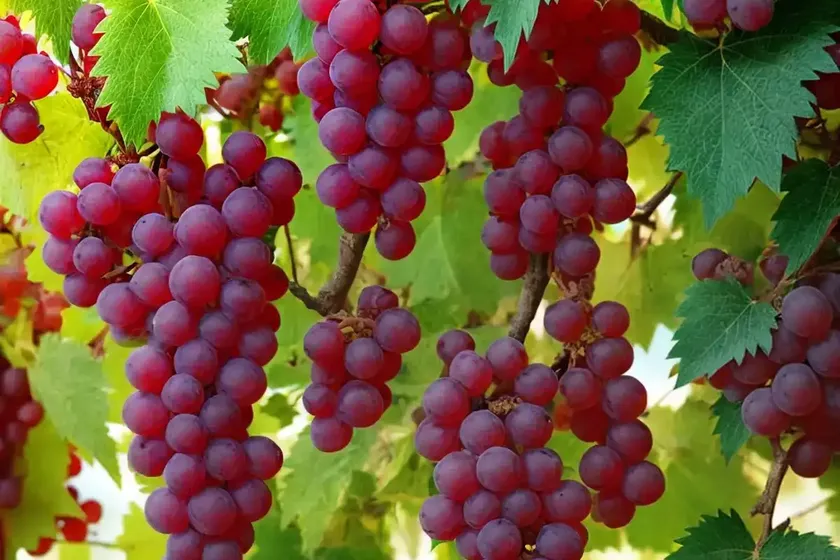
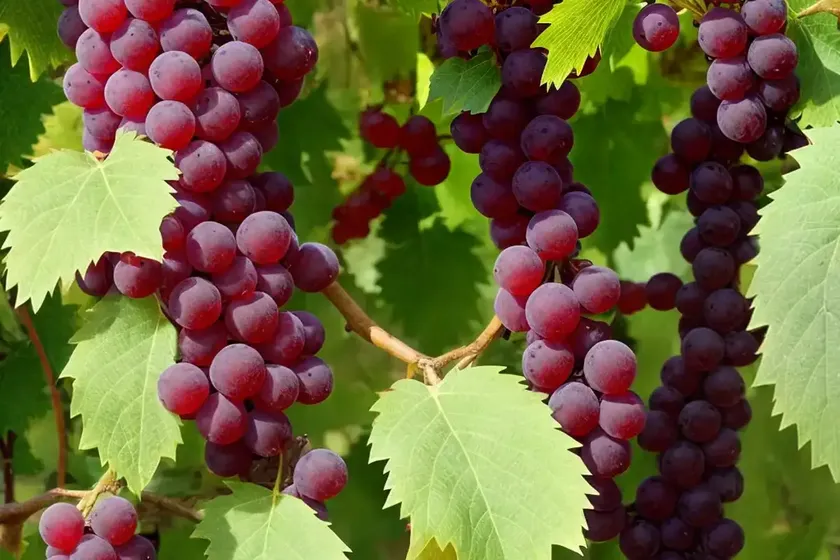
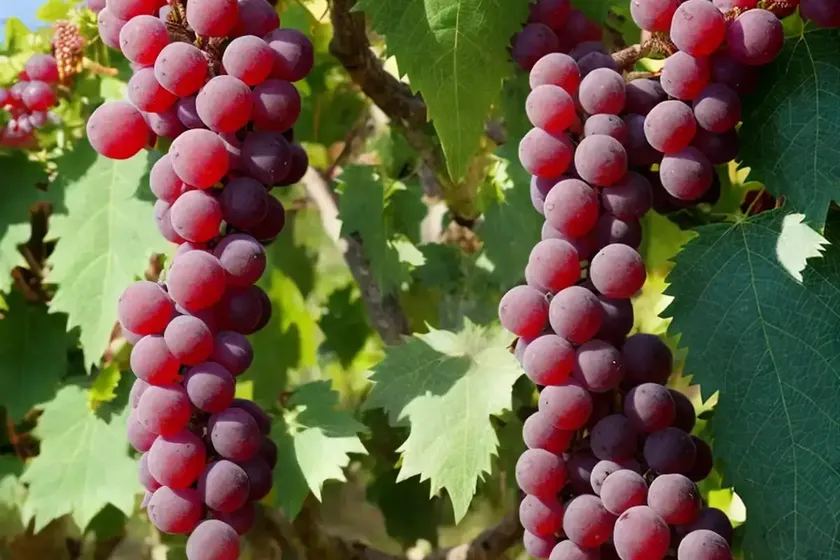
Vitis ‘Catawba,’ commonly known as the Fox Grape, is a fascinating and versatile plant that has captured the attention of gardeners, viticulturists, and wine enthusiasts for generations. This plant boasts not only stunning aesthetics but also a rich cultural history and a myriad of practical uses. In this comprehensive guide, we will delve into the many facets of Vitis ‘Catawba,’ exploring its cultivation, uses, maintenance, and much more. By the end of this article, you will have gained a profound understanding of this captivating plant and be equipped with the knowledge needed to cultivate and appreciate it to its fullest.
What is Vitis ‘Catawba’ (Fox Grape)?
Vitis ‘Catawba,’ known by the common name Fox Grape, is a cultivar of the species Vitis labrusca. It is a member of the grape family (Vitaceae) and is renowned for its ornamental value, delicious fruits, and its significance in winemaking. The grape is native to the eastern United States and is widely cultivated for its fruit, which is used not only for fresh consumption but also in the production of wines, juices, and jellies.
Key Takeaways – Vitis ‘Catawba’ (Fox Grape)
Before we embark on this exploration of Vitis ‘Catawba,’ let’s take a moment to highlight some key takeaways about this remarkable grapevine.
- Common Names: Fox Grape, Catawba Grape
- Scientific Name: Vitis Labrusca ‘Catawba’
- Cultivar Type: Grapevine
- Uses: Culinary (fruits, wines, juices, and jellies), Ornamental
- Climate Preferences: Moderate climate, well-suited to the eastern United States
- Cultivation: Adaptable to various soil types, requires proper sunlight and water management
- Diseases and Pests: Susceptible to certain diseases and pests, necessitating preventative measures and care
- Pruning: Regular pruning promotes healthy growth and fruit production
Now, with an overview of the Fox Grape’s key characteristics, let’s delve into the specific aspects of its cultivation and care.
Cultivation of Vitis ‘Catawba’ (Fox Grape)
Cultivating Vitis ‘Catawba’ requires a nuanced understanding of its specific requirements, including water, sunlight, soil, and fertilization needs. Additionally, knowledge of pruning techniques, propagation methods, and container cultivation is essential for those seeking to grow and maintain these grapevines. Let’s explore these aspects in detail.
Water Requirements
Proper water management is crucial for the successful cultivation of Vitis ‘Catawba.’ These grapevines generally thrive in moist but well-drained soils, and regular watering – particularly during dry periods – is essential for the establishment and growth of the plants. However, it’s important to avoid excessive water accumulation around the roots, as this can lead to root rot and other detrimental conditions.
Sunlight Needs
Vitis ‘Catawba’ exhibits a preference for full sun, needing at least 6 to 8 hours of direct sunlight daily for optimal growth and fruit production. Adequate sunlight exposure not only promotes vigorous vine growth but also enhances the quality and sweetness of the fruits produced.
Fertilization Practices
Fertilization is a critical component of Vitis ‘Catawba’ cultivation, as it directly influences the health and productivity of the grapevines. The application of a balanced fertilizer, tailored to the specific nutrient needs of grapevines, is essential for ensuring robust growth, ample fruit production, and overall plant vitality. It’s important to conduct soil tests to determine the precise nutritional requirements of the grapevines and to adjust fertilizer applications accordingly.
Soil Considerations
The soil composition significantly impacts the growth, vigor, and disease resistance of Vitis ‘Catawba.’ These grapevines thrive in well-drained, moderately fertile soils with a slightly acidic to neutral pH (between 5.5 and 7.0). Moreover, good soil aeration and a deep, loose texture are conducive to healthy root development and overall plant performance. Understanding and amending soil characteristics based on specific site conditions are crucial for successful cultivation.
Pruning and Propagation of Vitis ‘Catawba’ (Fox Grape)
Proper pruning and effective propagation methods are indispensable for maintaining the health, productivity, and longevity of Vitis ‘Catawba’ grapevines. Pruning techniques tailored to the growth habits and fruiting patterns of the grapevines are essential for optimizing fruit yield and quality, while propagation methods enable the efficient multiplication of desirable cultivars.
Pruning Techniques
Pruning plays a pivotal role in shaping the growth of Vitis ‘Catawba’ grapevines, promoting robust vine development, and facilitating the production of high-quality fruits. Annual pruning during the dormant season helps to remove excess growth, open up the canopy for better air circulation, and encourage the development of fruiting wood. Additionally, the removal of diseased or damaged wood and the training of vine structures are integral aspects of proper pruning practices.
Propagation Methods
Vitis ‘Catawba’ can be propagated through various techniques, including hardwood cuttings, softwood cuttings, and grafting. Each method offers unique advantages and is employed based on specific propagation goals and environmental conditions. Successful propagation ensures the preservation and dissemination of desirable genetic traits, contributing to the diversity and sustainability of grapevine cultivars.
Container Cultivation of Vitis ‘Catawba’ (Fox Grape)
For those with limited outdoor space or seeking to grow Vitis ‘Catawba’ in controlled environments, container cultivation presents a viable option. Successfully growing Fox Grape in containers requires careful attention to the distinct needs of containerized plants, including proper soil selection, watering practices, and container size considerations.
| Consideration | Container Cultivation Tips |
|---|---|
| Soil Selection | Well-draining, nutrient-rich potting mix tailored to grapevine needs |
| Container Size | Large containers to accommodate root growth and structural support |
| Watering Practices | Regular watering, avoiding waterlogged conditions, and ensuring drainage |
Uses of Vitis ‘Catawba’ (Fox Grape)
The versatile nature of Vitis ‘Catawba’ is reflected in its myriad of uses, spanning culinary applications, ornamental value, and contributions to winemaking. Understanding the diverse uses of this grape cultivar enriches its appeal and underscores its significance in horticulture and agriculture.
Culinary Applications
Vitis ‘Catawba’ yields succulent, sweet-tart fruits that are prized for their delicious flavor and suitability for fresh consumption, culinary preparations, and preservative applications. The fruits can be enjoyed fresh, used in the production of flavorful juices and jellies, or transformed into delectable desserts and confections, adding a delightful touch of natural sweetness to a range of culinary creations.
Winemaking
The grapes of Vitis ‘Catawba’ are highly valued for winemaking, contributing to the production of flavorful, aromatic wines with distinct characteristics. The grapes’ balanced acidity, pleasing aroma, and unique flavor profile make them well-suited for both varietal and blended wines, enhancing the diversity and complexity of the winemaker’s repertoire.
Ornamental Value
In addition to its practical uses, Vitis ‘Catawba’ also holds ornamental appeal, with its vigorous, vining growth habit, lush foliage, and clusters of ripening fruits adding aesthetic charm to gardens, arbors, and trellises. The vibrant foliage, which transitions through stunning hues during the autumn season, further contributes to the grapevine’s ornamental value, making it a captivating addition to diverse landscapes.
Common Diseases and Pests of Vitis ‘Catawba’ (Fox Grape)
Despite its inherent resilience, Vitis ‘Catawba’ is susceptible to certain diseases and pests that can compromise its health and productivity. Recognizing and addressing these challenges through preventive measures and targeted interventions are essential for safeguarding the well-being of the grapevines.
Disease Susceptibility
Common diseases that may affect Vitis ‘Catawba’ include powdery mildew, downy mildew, black rot, and anthracnose. These fungal diseases can lead to leaf discoloration, fruit spoilage, and overall decline in plant vigor if left unattended. Regular monitoring, proper sanitation, and the application of disease-resistant cultivars or organic treatments can help mitigate these concerns.
Pest Vulnerability
Vitis ‘Catawba’ is vulnerable to pests such as grape phylloxera, grape berry moth, and Japanese beetles, which can cause significant damage to the foliage and fruits of the grapevines. Implementing integrated pest management strategies, including the use of beneficial insects, traps, and cultural practices, helps control pest populations and minimize their impact on the plants.
Botanist’s Tips for Cultivating Vitis ‘Catawba’ (Fox Grape)
Drawing from the wealth of knowledge and experience in cultivating Vitis ‘Catawba,’ botanists offer invaluable tips to support the successful growth and care of these grapevines. These insights, honed through practical experience and scientific understanding, empower individuals to optimize their cultivation practices and foster the health and productivity of their plants.
- Soil Testing: Conduct regular soil tests to assess nutrient levels, pH, and overall soil health, guiding targeted soil amendments and fertilization.
- Pruning Awareness: Adhere to proper pruning practices, including the timing and techniques tailored to the specific growth habits of Vitis ‘Catawba’, to ensure optimal fruit production and plant vigor.
- Disease Monitoring: Vigilantly monitor the grapevines for signs of diseases and promptly address any emerging issues through proactive measures, such as the removal of infected plant parts or the application of disease-resistant treatments.
Fun Facts about Vitis ‘Catawba’ (Fox Grape)
As we immerse ourselves in the enchanting world of Vitis ‘Catawba,’ we uncover intriguing and captivating details that further enhance our appreciation for this remarkable grape cultivar. Here are some fun facts that shed light on the unique qualities and historical significance of the Fox Grape.
- Thomas Jefferson, a notable viticulturist and the third president of the United States, cultivated Vitis ‘Catawba’ at Monticello and praised its qualities in winemaking.
- The distinctive flavor profile of wines crafted from Vitis ‘Catawba’ grapes often exhibits fruity, floral, and musky notes, contributing to their appeal and diverse applications in the culinary world.
- The Fox Grape is renowned for its cold hardiness, making it well-suited for cultivation in regions with moderate to cool climates, where it thrives and produces high-quality fruits.
Links to External Resources
To further expand your knowledge and understanding of Vitis ‘Catawba’ and delve deeper into the realms of grape cultivation, winemaking, and horticulture, explore the following links to reputable external resources:
- Vitis ‘Catawba’ Cultivation Guide
- Winemaking Techniques for Catawba Grapes
- Disease Management in Grapevines
- Pest Identification and Control in Vineyards
In conclusion, Vitis ‘Catawba,’ the illustrious Fox Grape, captivates enthusiasts and practitioners with its rich history, versatile uses, and inherent beauty. By engaging with the detailed insights and practical guidance provided in this comprehensive guide, you are empowered to cultivate, appreciate, and savor the unique attributes and bountiful offerings of this remarkable grapevine. Whether you’re an avid gardener, a passionate winemaker, or an admirer of botanical diversity, the enduring allure of Vitis ‘Catawba’ beckons you into a world replete with tantalizing flavors, ornamental splendor, and the rewarding art of cultivation.


