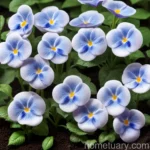
Viola palustris (Marsh Violet): An In-depth Look at a Delicate Beauty
In the world of plants, Viola palustris, commonly known as Marsh Violet, stands out as a delicate and stunning species. This petite flowering plant is native to various regions and has captivated botanists, gardeners, and nature enthusiasts with its vibrant blooms and diverse uses.
In this comprehensive guide, we will delve into the characteristics, cultivation, symbolism, ecological importance, and much more of Viola palustris. Let’s embark on an enriching journey to explore the captivating world of Marsh Violets.
What is Viola palustris (Marsh Violet)?
Viola palustris is a perennial plant belonging to the Violaceae family. It is characterized by its heart-shaped leaves and striking violet flowers, which bloom in the spring and early summer months. This species is predominantly found in wetlands, bogs, and damp meadows, showcasing its adaptability to moist environments.
Viola palustris Characteristics
- Family: Violaceae
- Common Name: Marsh Violet
- Flower Color: Violet-blue
- Leaf Shape: Heart-shaped
- Habitat: Wetlands, bogs, damp meadows
- Growth Habit: Low-growing, clumping
As we unravel the distinct features and nuances of Viola palustris, we will delve into its habitat, cultural significance, care tips, and ecological contributions.
Key Takeaways – Viola palustris (Marsh Violet)
Before delving deeper into the world of Viola palustris, let’s highlight the essential aspects of this elegant plant. Whether you are a gardening enthusiast, an environmentalist, or an individual intrigued by the natural world, the key takeaways of Marsh Violet will provide valuable insights.
Marsh Violet Facts
- Common Name: Marsh Violet
- Species Name: Viola palustris
- Native Range: Europe, Asia, North America
- Flowering Season: Spring to early summer
- Uses: Ornamental, medicinal, wildlife habitat
- Habitat: Wetlands, bogs, damp meadows
- Growth Habit: Low-growing, clumping
- Cultivation: Requires moist soil and partial shade
- Importance: Natural dye plant, ecological contributor
These key takeaways set the stage for a comprehensive exploration of Viola palustris. Now, let’s delve into the cultural significance, uses, and care guidelines for this captivating plant.
Culture
Understanding the cultural significance and traditional uses of Viola palustris provides valuable insights into its historical and contemporary relevance. From folklore beliefs to medicinal applications, the cultural aspects of Marsh Violet enrich our understanding of this plant’s multifaceted nature.
Marsh Violet Symbolism
Marsh Violets have been associated with various symbolic meanings across different cultures and traditions. In folklore and symbolic language, these delicate flowers are often linked to:
- Modesty and humility
- Faithfulness and loyalty
- Renewal and springtime
- Sweetness and fragility
The symbolism attached to Marsh Violets adds depth to their aesthetic appeal, making them a cherished presence in gardens, literature, and artistic representations.
Folklore Beliefs and Traditional Uses
In folklore and traditional medicine, Viola palustris has been attributed with diverse beliefs and uses. Some folk beliefs include the notion that violets could protect against evil spirits, while others saw them as a symbol of love and fertility. Medicinally, Marsh Violets have been used for various purposes, including soothing skin conditions and relieving respiratory ailments.
The cultural history of Viola palustris unveils its deep-rooted connections to human traditions and beliefs, further enhancing its allure and significance.
Marsh Violet Folk Medicine
Marsh Violets have been utilized in folk medicine for their potential healing properties. The leaves and flowers of Viola palustris are believed to contain medicinal compounds that can be used for:
- Skin ailments
- Respiratory issues
- Digestive disorders
The exploration of Marsh Violet’s folk medicine highlights its historical role in traditional healing practices and hints at the untapped potential of its chemical constituents.
Uses
Viola palustris serves a multitude of purposes, ranging from ornamental cultivation to ecological contributions and traditional applications. Understanding the diverse uses of Marsh Violets sheds light on their versatile nature and significance in various contexts.
Ornamental Value
Marsh Violets are prized for their dainty, violet-blue flowers and heart-shaped leaves, making them a delightful addition to garden landscapes, woodland settings, and rock gardens. Their low-growing habit and preference for moist, shaded environments make them a sought-after plant for shaded borders and naturalistic plantings.
Medicinal Uses
In traditional medicine, various parts of Viola palustris have been used for their potential therapeutic benefits. The plant has been employed in herbal remedies for conditions such as skin irritations, respiratory ailments, and digestive discomfort. Unraveling the medicinal uses of Marsh Violets opens avenues for exploring their chemical composition and pharmacological properties.
Wildlife Habitat
Viola palustris sustains diverse ecosystems by providing habitat and food sources for numerous wildlife species. From serving as a nectar source for pollinators to offering shelter for small mammals and insects, Marsh Violets play a crucial role in supporting biodiversity and ecological balance in wetland environments.
The versatile uses of Viola palustris illustrate its multifaceted contributions to horticulture, traditional practices, and ecological conservation.
Viola palustris (Marsh Violet) Care Guide
Ensuring the optimal care and cultivation of Viola palustris is essential for nurturing its health and beauty. By providing the right growing conditions and maintenance practices, individuals can foster the growth and blooming of Marsh Violets, enhancing their ornamental and ecological value.
Water
Viola palustris thrives in consistently moist soil, making it well-suited for wetland habitats and gardens with damp, rich soil. Adequate watering is crucial, especially during dry periods, ensuring that the soil remains moist without becoming waterlogged.
- Moisture Requirements: Consistently moist soil
- Watering Frequency: Keep soil evenly moist, especially during dry spells
- Drought Tolerance: Limited drought tolerance; requires consistent moisture
Sunlight
Marsh Violets prefer partial to full shade, thriving in woodland settings and shaded garden areas. While they can tolerate some morning sunlight or dappled light, they generally thrive in locations with filtered or indirect light.
- Light Requirements: Partial to full shade
- Ideal Locations: Woodland gardens, shaded borders, under trees
- Tolerance: Tolerant of shade, sensitive to direct sun
Soil
The ideal soil for Viola palustris is a well-draining, loamy or sandy substrate with ample organic matter. The soil pH should be slightly acidic to neutral, providing a conducive environment for root development and nutrient uptake.
- Soil Preferences: Moist, well-draining, rich in organic matter
- pH Range: Slightly acidic to neutral
- Soil Amendments: Incorporate organic compost for improved fertility
Fertilizer
While Marsh Violets can benefit from light fertilization during the growing season, it is essential to avoid excessive nitrogen applications, which may promote lush foliage at the expense of blooming. A balanced, slow-release fertilizer formulated for flowering plants can be applied sparingly in early spring.
- Fertilization: Light applications of balanced, slow-release fertilizer
- Timing: Apply in early spring before active growth
- Avoidance: Limit excessive nitrogen to prevent excessive foliage growth
Pruning
Minimal pruning is typically required for Viola palustris, as it maintains a compact, low-growing habit. However, removing spent flowers and cleaning up any damaged or withered foliage can promote a tidy appearance and encourage further blooming.
- Pruning Needs: Minimal
- Maintenance: Remove spent flowers and tidy up damaged foliage
- Encouragement: Pruning can stimulate additional blooming
Propagation
Marsh Violets can be propagated through division, seeds, or stem cuttings, offering multiple avenues for expanding their presence in the garden. Propagation methods such as division are effective in rejuvenating mature clumps and establishing new planting areas.
- Propagation Techniques: Division, seeds, stem cuttings
- Optimal Timing: Spring or early autumn
- Method Suitability: Division is a reliable and straightforward method for propagation
Container Gardening
Viola palustris can be cultivated in containers, providing an opportunity to enjoy its charm in smaller spaces and shaded patio areas. When growing Marsh Violets in containers, it is vital to ensure proper moisture retention and adequate drainage for the well-being of the plants.
- Container Planting: Well-draining, moisture-retentive potting mix
- Pot Selection: Choose containers with drainage holes
- Maintenance: Monitor soil moisture and provide consistent care
The care guide for Viola palustris serves as a valuable resource for individuals seeking to cultivate and appreciate the beauty of Marsh Violets in their gardens and outdoor spaces.
Popularity
The appeal of Viola palustris transcends its ornamental value, encompassing its cultural significance, ecological contributions, and unique growth habits. Its popularity among gardeners, naturalists, and conservationists underscores its allure and relevance in diverse contexts.
Gardening Enthusiasts
Gardeners are drawn to the charm of Viola palustris for its delicate flowers, lush foliage, and adaptability to shaded environments. Its low-growing habit makes it an ideal choice for underplanting in woodland gardens, adding a touch of elegance to naturalistic settings.
Conservation Efforts
Viola palustris, with its preference for wetland habitats, has garnered attention from conservationists and environmental organizations. Its presence in wetland ecosystems underscores its ecological importance and the need for conservation measures to protect its natural habitat.
Traditional and Cultural Value
The historical and cultural significance of Marsh Violets adds to their appeal, as they are woven into folklore, medicinal traditions, and symbolic representations. Their enduring presence in cultural narratives and traditional practices contributes to their timeless allure.
The popularity of Viola palustris reflects its broad appeal and multifaceted significance, making it a cherished presence in gardens, conservation initiatives, and cultural expressions.
Common Diseases and Pests
While Viola palustris is relatively resistant to pests and diseases, it may encounter occasional challenges that require vigilance and management. By being aware of common issues and proactive in prevention, individuals can safeguard the health and vitality of Marsh Violets.
Disease Diagnosis
Marsh Violets may occasionally experience fungal diseases such as powdery mildew or leaf spot. These conditions can be identified by the presence of white powdery patches on the foliage or discolored, spotted leaves. Proper air circulation, adequate spacing, and prompt treatment can help mitigate fungal issues.
- Common Diseases: Powdery mildew, leaf spot
- Symptoms: Powdery patches, leaf discoloration
- Preventive Measures: Improve air circulation, treat affected plants
Common Pests
Marsh Violets are generally resistant to severe pest infestations, but they may attract aphids, slugs, or snails, particularly in damp, shaded environments. Regular monitoring and the implementation of natural pest control methods can effectively manage these nuisances.
- Pests: Aphids, slugs, snails
- Damage: Leaf distortion, feeding damage
- Control: Natural predators, physical barriers, organic repellents
By staying vigilant and proactive in disease and pest management, individuals can maintain the health and vigor of Viola palustris in garden settings.
Botanist’s Tips for Viola palustris (Marsh Violet)
As botanists and plant enthusiasts, we are attuned to the nuances and intricacies of Viola palustris, which contribute to its appeal and ecological significance. Here are some expert tips for cultivating, appreciating, and advocating for the welfare of Marsh Violets:
- Embrace Shade: Celebrate the adaptability of Viola palustris to shaded environments, and create woodland garden settings that showcase its natural elegance.
- Conservation Advocacy: Support wetland conservation efforts and initiatives that aim to protect the habitats of Marsh Violets and other vulnerable plant species.
- Educational Outreach: Share the ecological and cultural relevance of Viola palustris with others, fostering a deeper appreciation for its contributions to biodiversity and tradition.
- Naturalistic Plantings: Incorporate Marsh Violets into naturalistic garden designs, where their low-growing habit and vibrant blooms can shine in a harmonious setting.
By incorporating these tips into our horticultural practices and advocacy efforts, we can elevate the visibility and conservation of Viola palustris, ensuring its enduring presence in natural landscapes and cultural narratives.
Fun Facts about Viola palustris
To further engage with the captivating world of Viola palustris, let’s unravel some intriguing and delightful facts about Marsh Violets that add a touch of enchantment to their allure.
Floral Diversity
Viola palustris displays an array of colorful variations in its flowers, ranging from deep violet-blue to shades of lilac and white. This floral diversity contributes to its appeal in garden settings and botanical collections.
Pollinator Magnets
The nectar-rich flowers of Marsh Violets attract various pollinators, including bees, butterflies, and hoverflies, enhancing their ecological role as a food source for beneficial insects.
Natural Dye Potential
The petals of Viola palustris have been historically used as a natural dye plant, imparting delicate shades of blue and violet to textiles and decorative items. The dye potential of Marsh Violets carries forward the legacy of traditional crafts and artistic endeavors.
These fun facts unveil the enchanting facets of Viola palustris, underscoring its botanical intrigue and broader cultural connections.
Links to External Resources
For a deeper exploration of Viola palustris and its diverse facets, the following external resources offer valuable insights and perspectives:
- The Wildlife Trusts – Marsh Violet
- Royal Horticultural Society – Viola palustris
- USDA Plants Database – Viola palustris
- North American Native Plant Society – Marsh Violet
These resources serve as valuable references for further exploration and research into the captivating world of Viola palustris, providing botanical, ecological, and cultural perspectives.
Conclusion
Viola palustris, the enchanting Marsh Violet, embodies a rich tapestry of ornamental allure, ecological significance, and cultural resonance. From its delicate blooms to its adaptability in wetland environments, Marsh Violets captivate the senses and inspire a deeper appreciation for the wonders of the natural world.
By embracing its symbolism, nurturing its growth, and advocating for its conservation, we can honor the timeless presence of Viola palustris in our gardens, landscapes, and collective heritage. May the enduring beauty and ecological value of Marsh Violets continue to enchant and inspire generations to come.
As we conclude this comprehensive exploration, let us celebrate the enduring grace of Viola palustris, a delicate beauty that thrives in the heart of wetlands and in the hearts of nature enthusiasts worldwide.
Keywords: Viola palustris characteristics, Marsh Violet facts, Viola palustris habitat, Marsh Violet care tips, Viola palustris cultivation, Marsh Violet growth habits, Viola palustris flowering season, Marsh Violet medicinal uses, Viola palustris varieties, Marsh Violet adaptations, Viola palustris propagation, Marsh Violet symbolism, Viola palustris symbolism, Marsh Violet wildlife importance, Viola palustris common names, Marsh Violet gardening, Viola palustris landscape uses, Marsh Violet endangered status, Viola palustris conservation, Marsh Violet native range, Viola palustris ornamental value, Marsh Violet colorful flowers, Viola palustris folklore, Marsh Violet folklore, Viola palustris folklore beliefs, Marsh Violet folk medicine, Viola palustris pollinators, Marsh Violet edible uses, Viola palustris traditional uses, Marsh Violet popular cultivars, Viola palustris container gardening, Marsh Violet shade tolerance, Viola palustris moisture requirements, Marsh Violet water requirements, Viola palustris soil preferences, Marsh Violet companion plants, Viola palustris attractive features, Marsh Violet ground cover, Viola palustris crevice gardening, Marsh Violet rock gardens, Viola palustris pollination methods, Marsh Violet seed dispersal, Viola palustris wildlife habitat, Marsh Violet nectar source, Viola palustris ecological importance, Marsh Violet historical significance, Viola palustris ethnobotanical uses, Marsh Violet natural dye plant, Viola palustris photography, Marsh Violet artistic inspirations.