Viola glabella (Pioneer Violet): A Comprehensive Guide
Viola glabella, commonly known as Pioneer Violet, is a delightful perennial plant native to North America. This plant is cherished for its delicate flowers, making it a favorite for gardeners and nature enthusiasts. In this comprehensive guide, we will delve into the captivating world of Viola glabella, exploring its vital characteristics, cultural needs, uses, and more.
What is Viola glabella (Pioneer Violet)?
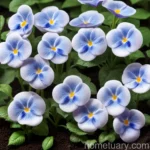
Viola glabella belongs to the Violaceae family and is native to a variety of habitats, including woodlands, meadows, and stream banks. With its heart-shaped leaves and striking purple and white flowers, this herbaceous plant has become a beloved feature in wild and cultivated landscapes alike.
Key Takeaways – Viola glabella (Pioneer Violet)
Before we explore the intricacies of caring for Viola glabella, it is essential to understand the key takeaways associated with this beautiful plant. The following are the essential areas that we will cover in detail:
- Culture
- Uses
- Water
- Sunlight
- Fertilizer
- Soil
- Pruning
- Propagation
- Container
- Popularity
- Common Diseases
- Disease Diagnosis
- Common Pests
- Botanist’s Tips
- Fun Facts
- Links to External Resources
Now, let’s dive into each of these aspects to gain a deeper understanding of caring for Viola glabella.
Culture
Understanding the cultural requirements of Viola glabella is crucial for its successful growth and development. Here are the primary cultural considerations for this beautiful plant.
Water
Maintaining proper moisture levels is vital for the health of Viola glabella. During the growing season, it is essential to keep the soil consistently moist but not waterlogged. Adequate hydration promotes vigorous growth and supports the development of vibrant flowers.
Sunlight
Pioneer Violet thrives in partial to full shade, making it an excellent choice for woodland gardens or shaded areas. While it can tolerate some sunlight, providing dappled or filtered light is optimal for its overall well-being.
Fertilizer
As a low-maintenance plant, Viola glabella does not require heavy fertilization. However, incorporating a balanced, slow-release fertilizer into the soil during the growing season can encourage healthy foliage and profuse blooming. It is crucial to follow the manufacturer’s recommendations for application rates.
Soil
This plant prefers moist, well-draining, and humus-rich soil. A slightly acidic to neutral pH level is ideal for Viola glabella. Adding organic matter to the soil can enhance its texture and fertility, creating a favorable environment for the plant’s roots.
Pruning
Pruning Viola glabella is a straightforward task. Regular deadheading – the removal of spent flowers – not only maintains the plant’s tidy appearance but also encourages continuous blooming. Additionally, periodic thinning of overcrowded growth can promote better air circulation and reduce the risk of diseases.
Uses
Viola glabella serves multiple purposes in both natural and cultivated settings. Understanding its diverse uses can help gardeners and conservationists make informed decisions regarding its integration into different environments.
Medicinal Uses
Pioneer Violet has a long history of traditional medicinal use. Indigenous communities have utilized its leaves and flowers for various remedies, including soothing skin irritations and alleviating respiratory discomfort. While it is important to exercise caution and seek professional guidance when using plants for medicinal purposes, Viola glabella’s potential health benefits are worth exploring.
Wildlife Habitat
The presence of Viola glabella enriches the biodiversity of natural habitats by providing food and shelter for various organisms. The nectar produced by its flowers attracts pollinators like bees and butterflies, fostering essential ecological interactions. Additionally, the plant’s foliage offers protective cover for smaller creatures, contributing to the intricate web of life in its surroundings.
Ornamental Appeal
In a garden or landscape setting, Pioneer Violet adds a touch of natural elegance. Whether planted in clusters or used as edging plants, its charming flowers and foliage create a visually pleasing display. The adaptability of Viola glabella to shaded areas makes it a valuable asset for adding color and texture to spaces with limited direct sunlight.
Propagation
Understanding the methods of propagating Viola glabella is valuable for expanding its presence in gardens and natural areas. Here are some effective propagation techniques for this delightful plant.
Seed Germination
Viola glabella can be propagated from seeds, offering a cost-effective and rewarding way to introduce this species to new locations. Sowing the seeds in a well-prepared seedbed, lightly covering them with soil, and ensuring consistent moisture can facilitate successful germination. Once the seedlings have developed several sets of true leaves, they can be transplanted to their permanent locations.
Division
Dividing established clumps of Viola glabella is an excellent way to create new plants and rejuvenate existing ones. This propagation method involves carefully separating the root mass into sections, each containing healthy roots and shoots. The divided segments can then be replanted in suitable locations, where they will continue to grow and flourish.
Nursery Availability
For those interested in cultivating Viola glabella, it is beneficial to explore the availability of nursery-grown specimens. Many nurseries offer this plant, providing a convenient option for acquiring well-established individuals. When purchasing from a nursery, it is important to select healthy specimens that exhibit vigorous growth and show no signs of pests or diseases.
Popularity
The popularity of Viola glabella spans across various gardening and conservation circles, where it is cherished for its aesthetic, ecological, and cultural value. Let’s explore the reasons behind the enduring appeal of Pioneer Violet.
Garden Borders and Edges
In garden design, Viola glabella shines as an attractive option for defining borders and edges. Its low-growing habit and captivating flowers contribute to the creation of visually pleasing delineations within the landscape. Planted along walkways, garden beds, or natural boundaries, this plant adds a charming touch to outdoor spaces.
Woodland and Shade Gardens
The affinity of Viola glabella for shaded environments makes it an indispensable component of woodland and shade gardens. Its ability to thrive in low light conditions allows gardeners to introduce vibrant floral displays even in areas with limited direct sun. The plant’s adaptability to diverse growing conditions enhances its desirability for shaded landscapes.
Wildlife Gardens
Advocates of wildlife-friendly gardening recognize the value of Viola glabella as a plant that supports biodiversity. By providing essential resources for pollinators and other creatures, this species contributes to the creation of nurturing habitats for wildlife. Its role in supporting local ecosystems adds to its allure for gardeners seeking to foster a harmonious relationship with nature.
Common Diseases
Like all living organisms, Viola glabella is susceptible to certain diseases that can affect its overall health and appearance. Understanding the common diseases associated with Pioneer Violet allows for proactive management and care.
Leaf Spot
Several fungal pathogens can cause leaf spot in Viola glabella, leading to the development of discolored, spotted foliage. To prevent the spread of this disease, it is crucial to maintain good air circulation around the plants and avoid overhead watering, which can create conditions conducive to fungal growth.
Powdery Mildew
Powdery mildew, characterized by a powdery white growth on the leaves, can afflict Viola glabella, particularly in humid or poorly ventilated environments. Implementing cultural practices to reduce humidity and promoting good air circulation can mitigate the risk of powdery mildew development.
Botrytis Blight
Botrytis blight, caused by the fungus Botrytis cinerea, can affect Viola glabella during periods of prolonged wetness. This disease manifests as a gray mold on the plants, potentially leading to tissue decay. Maintaining dry foliage and providing adequate spacing between plants can minimize the conditions favorable for botrytis blight.
Disease Diagnosis
Accurately identifying diseases affecting Viola glabella is essential for implementing targeted management strategies. Effective disease diagnosis involves careful observation and, if necessary, consulting with plant health professionals.
Visual Symptoms
When diagnosing diseases in Viola glabella, it is crucial to carefully examine the plant for visual symptoms such as leaf discoloration, wilting, abnormal growth, or the presence of mold or fungal structures. Recording the appearance and location of symptoms can aid in accurate identification.
Laboratory Analysis
In cases where visual inspection alone does not provide a definitive diagnosis, submitting plant samples to diagnostic laboratories can be instrumental. These facilities can conduct specialized tests to identify the specific pathogens or physiological disorders affecting the plant, guiding the development of appropriate treatment plans.
Professional Consultation
When facing challenging disease issues, seeking the expertise of plant pathologists and horticultural experts can offer valuable insights. These professionals can provide personalized guidance based on their knowledge of plant diseases and their practical experience in managing similar issues.
Common Pests
While Viola glabella is relatively resilient, it is not immune to pest pressures that can compromise its vitality. Identifying and addressing common pests is crucial for maintaining the health and appearance of Pioneer Violet.
Aphids
Aphids are small, sap-sucking insects that can infest Viola glabella, causing damage to the plant’s tender shoots and foliage. Monitoring the undersides of leaves for the presence of aphids and employing natural predators or targeted insecticidal treatments can help manage infestations.
Slugs and Snails
These mollusks can feed on the foliage of Viola glabella, leaving behind ragged, chewed leaves. To mitigate slug and snail damage, implementing cultural controls such as removing debris and creating barriers, as well as using iron phosphate-based baits, can effectively manage their populations.
Caterpillars
Various caterpillar species can feed on the leaves of Pioneer Violet, potentially defoliating the plant if populations are left unchecked. Manual removal of caterpillars, the use of biological insecticides, or the introduction of natural enemies can aid in controlling caterpillar infestations.
Botanist’s Tips
Drawing from the collective wisdom of botanists and gardening experts, here are some invaluable tips for cultivating and caring for Viola glabella.
Site Selection
When integrating Viola glabella into a garden or natural setting, choosing an appropriate site with the right light levels and soil conditions is crucial. Selecting areas with partial to full shade and well-draining, humus-rich soil sets the stage for the plant’s success.
Companion Planting
Incorporating compatible companion plants alongside Viola glabella can enhance its appeal and contribute to a balanced ecosystem. Shade-loving perennials, such as ferns, hostas, and astilbes, complement the growth habits and cultural requirements of Pioneer Violet, creating harmonious plant communities.
Eco-Friendly Practices
Embracing sustainable and eco-friendly gardening practices benefits Viola glabella and its surrounding environment. Minimizing the use of synthetic chemicals, conserving water, and supporting local wildlife contribute to the health and resilience of this plant and the broader ecological landscape.
Fun Facts
Discovering intriguing and captivating facts about Viola glabella adds another layer of appreciation for this remarkable plant.
- The common name “Pioneer Violet” reflects the plant’s ability to colonize and thrive in pioneering habitats, such as disturbed woodlands and stream banks.
- The flowers of Viola glabella are not only visually appealing but also serve as an essential nectar source for pollinators, supporting the life cycles of various insects.
- This plant has been a subject of interest for botanical enthusiasts and continues to inspire artists and researchers with its distinctive features and ecological significance.
Links to External Resources
To further expand your knowledge of Viola glabella and explore additional information about its care and cultivation, consider consulting the following reputable external resources:
- North American Native Plant Society – A source of information on native plants, including Viola glabella, and their role in ecological conservation.
- Pacific Northwest Native Plants Database – Offers detailed insights into the botanical characteristics and habitat requirements of Viola glabella in the Pacific Northwest.
- The United States Department of Agriculture (USDA) Plants Database – Provides comprehensive botanical and ecological data on Viola glabella, facilitating in-depth research and reference.
- The Xerces Society for Invertebrate Conservation – An organization dedicated to promoting the conservation of invertebrates, including pollinators that depend on plants like Viola glabella for sustenance.
These resources serve as valuable references for horticultural enthusiasts, conservationists, and anyone seeking to delve deeper into the captivating world of Viola glabella.
In conclusion, Viola glabella, the Pioneer Violet, stands as a captivating native plant with multifaceted virtues, making it a noteworthy inclusion in gardens, natural habitats, and conservation initiatives. By understanding and embracing the cultural requirements, uses, propagation methods, and ecological significance of this plant, individuals can contribute to the preservation and appreciation of this valuable species.
Remember, as you embark on your journey with Viola glabella, take the time to observe and appreciate its extraordinary beauty and ecological contributions, and you will be rewarded with a deeper connection to the natural world.
Happy gardening!