Wisteria Sinensis ‘Jako’ (Chinese Wisteria)
Wisteria sinensis ‘Jako’, commonly known as Chinese Wisteria, is a stunning flowering vine that belongs to the Fabaceae family. It is renowned for its.
Introduction
Wisteria sinensis ‘Jako’, commonly known as Chinese Wisteria, is a stunning flowering vine that belongs to the Fabaceae family. It is renowned for its stunning, cascading violet-blue flowers, which not only add aesthetic value to gardens but also attract pollinators. In this comprehensive guide, we will explore the cultural significance, uses, care requirements, and fascinating facts about Wisteria sinensis ‘Jako’, providing both novice and seasoned gardeners with valuable insights gleaned from the mechanical details of plant structures to the journey of Wisteria sinensis ‘Jako’ throughout history.
What is Wisteria sinensis ‘Jako’?
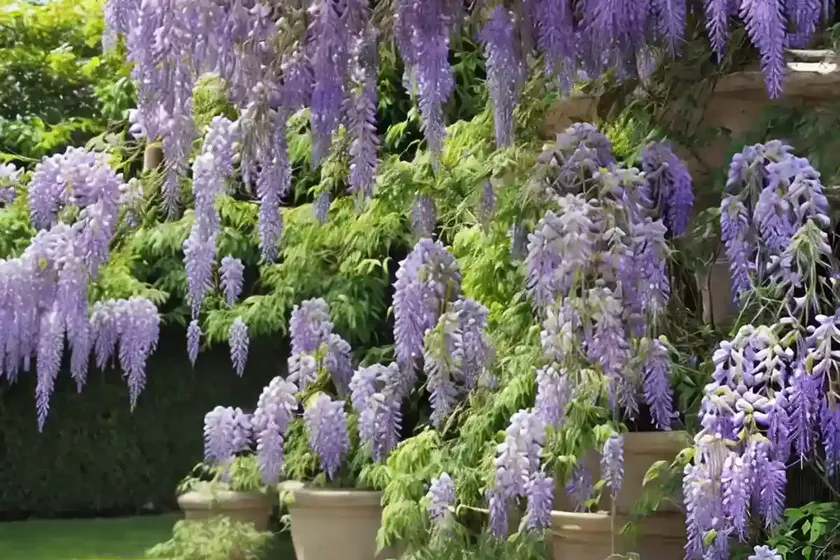
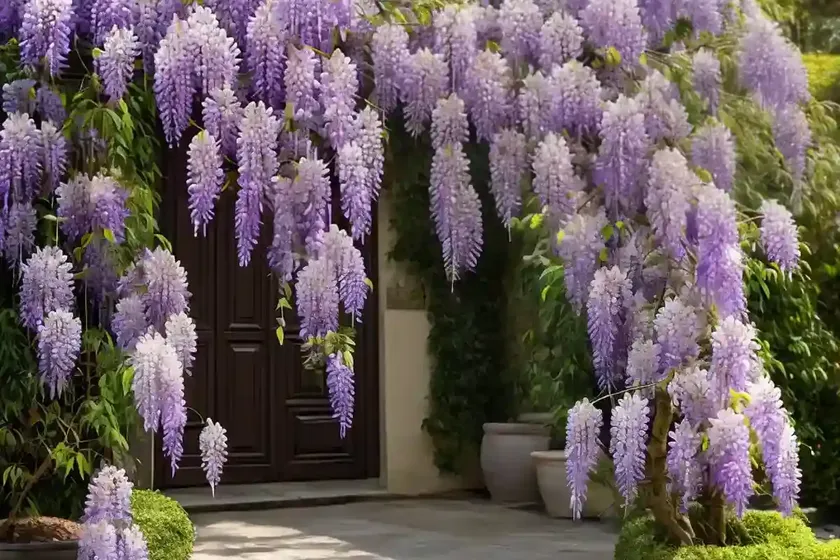
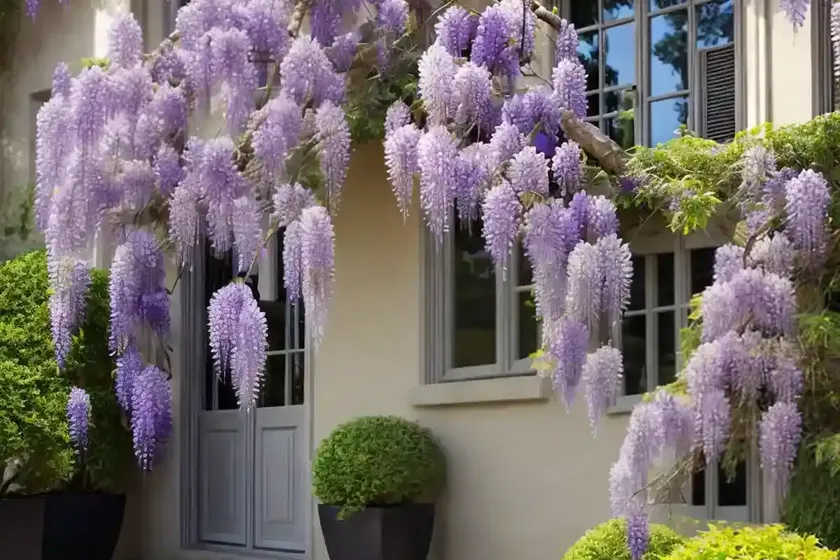
Wisteria sinensis ‘Jako’ is a captivating deciduous climbing vine native to China, which has been enchanting gardeners and nature enthusiasts around the world for centuries. It is cherished for its stunning display of blooms that typically appear in late spring to early summer. The elongated, pendulous flower clusters, known as racemes, can grow up to 30 cm long, creating a breathtaking spectacle when the plant is in full bloom. The name ‘Jako’ denotes a specific cultivar of Chinese Wisteria, prized for its vigorous growth and exceptional flower production.
Key Takeaways – Wisteria sinensis ‘Jako’ (Chinese Wisteria)
Culture
- Spectacular flowering vine with cascading violet-blue flowers
- Native to China
- Belongs to the Fabaceae family
- Deciduous climbing vine
- Known for its elongated, pendulous racemes
Uses
- Ornamental purposes: Adds aesthetic value to gardens, trellises, and arbors
- Attracts pollinators such as bees and butterflies
- Adds a touch of elegance and charm to outdoor spaces
Water
- Moderate water requirements; regular watering during dry spells
- Well-draining soil essential to prevent waterlogging
Sunlight
- Thrives in full sun to partial shade
- Requires at least 6 hours of direct sunlight for optimal flowering
Fertilizer
- Moderate feeding in early spring with a balanced fertilizer
- Avoid excessive nitrogen to prevent excessive foliage growth at the expense of flowers
Soil
- Well-draining, fertile soil with a slightly acidic to neutral pH
- Avoid waterlogged or compacted soil
Pruning
- Annual pruning is essential to control size and shape, promote flowering, and remove dead or diseased wood
- Prune after flowering to avoid cutting off potential flower buds for the following year
Propagation
- Propagate through softwood or hardwood cuttings, layering, or grafting
- Softwood cuttings in early summer and hardwood cuttings in late autumn or winter are particularly successful
Container Popularity
- Well-suited for container gardening, providing the container is large enough to accommodate its vigorous growth
Common Diseases
- Potential susceptibility to fungal diseases such as powdery mildew and leaf spot
- Ensure good air circulation and avoid overwatering to mitigate disease risk
Disease Diagnosis
- Regular inspection for signs of fungal infections such as powdery white spots on leaves and foliage discoloration
- Prompt treatment with appropriate fungicides if disease symptoms manifest
Common Pests
- Potential infestation by aphids, scale insects, and spider mites
- Regular monitoring and early intervention are crucial to prevent pest-related damage
Botanist’s Tips
- Provide sturdy support for the vine to ensure stability as it matures
- Train the vine to follow a desired path or structure from an early age
- Regularly monitor and manage its growth to prevent it from becoming invasive
- Prune judiciously and at the right time to maintain a healthy and well-shaped plant
- Regularly inspect for pest and disease issues and take prompt corrective action
Fun Facts
- Wisteria sinensis ‘Jako’ has been cultivated in China and neighboring regions for over a thousand years, and it holds cultural significance in traditional Chinese art, literature, and folklore.
- The striking blooms of Wisteria sinensis ‘Jako’ emit a sweet fragrance, making them especially attractive to humans and pollinators.
- The vine’s rapid growth can make it both a captivating and challenging addition to gardens, requiring regular maintenance to keep it in check.
Links to External Resources
For further information on Wisteria sinensis ‘Jako’ (Chinese Wisteria) and related gardening topics, please visit the following links:
- The Royal Horticultural Society (RHS)
- The American Society for the Prevention of Cruelty to Plants (ASPCP)
- Gardening Know How
In conclusion, Wisteria sinensis ‘Jako’ (Chinese Wisteria) is more than just a captivating ornamental vine; it is a symbol of beauty, resilience, and the enduring connection between humans and the natural world. By understanding its cultural significance, optimal growing conditions, and care requirements, we can fully appreciate and harness the splendor of this remarkable plant, creating enchanting landscapes that celebrate the rich tapestry of nature’s offerings.
Remember, while the beauty of Wisteria sinensis ‘Jako’ is undoubtedly alluring, responsible cultivation practices are crucial to maintaining its health and preventing potential environmental impact. With this balance in mind, let the enthralling blooms of Wisteria sinensis ‘Jako’ continue weaving their magic in gardens and landscapes around the world.
Happy gardening!
“`


