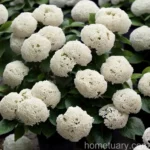
The Japanese Snowball (Viburnum plicatum f. pilcatum): A Complete Guide
Plant scientists, also known as botanists, play a crucial role in studying plants and understanding their various attributes, including their growth patterns, uses, and cultivation requirements. In this comprehensive guide, we will delve into the world of the Japanese snowball (Viburnum plicatum f. pilcatum), an exquisite plant that is beloved for its striking flowers and ornamental value.
What is the Japanese Snowball (Viburnum plicatum f. pilcatum)?
The Japanese snowball, scientifically known as Viburnum plicatum f. pilcatum, is a deciduous shrub that belongs to the Adoxaceae family. This stunning shrub is native to Japan, China, and Taiwan, and is cherished for its prominent, showy white flowers and attractive foliage. The plant is often sought after for landscaping due to its eye-catching appearance and adaptable nature.
This comprehensive guide will cover all aspects of the Japanese snowball, including its cultural requirements, uses in landscaping, as well as tips for its maintenance and care. Let’s embark on a journey to explore the beauty and intricacies of the Japanese snowball shrub.
Key Takeaways – Japanese Snowball (Viburnum plicatum f. pilcatum)
Culture
- The Japanese snowball is known for its exceptional cultural significance, especially in Japan where it is revered for its beauty and elegance.
- It holds a special place in Japanese gardens and is often used in traditional landscape designs due to its aesthetic appeal and cultural symbolism.
Uses
- Landscaping: The Japanese snowball is a popular choice for landscaping due to its stunning white flowers and attractive foliage. It adds a touch of elegance to gardens and outdoor spaces.
- Ornamental Purposes: The plant is valued for its ornamental qualities and is often used in floral arrangements and bouquets.
Water
- Moderate watering: The Japanese snowball thrives in moist, well-draining soil. It is essential to maintain regular watering, especially during the growing season, to ensure proper development and health of the plant.
- Avoid waterlogging: While the plant requires adequate moisture, it is crucial to prevent waterlogging, which can lead to root rot and other water-related issues.
Sunlight
- Partial to full sun: The Japanese snowball prefers a location with partial to full sunlight. It should be planted in an area that receives at least 4-6 hours of sunlight per day for optimal growth and flowering.
Fertilizer
- Balanced fertilizer: Use a balanced, slow-release fertilizer in spring to promote healthy growth and abundant flowering. Opt for a fertilizer specifically formulated for flowering shrubs to provide the necessary nutrients for the Japanese snowball.
Soil
- Well-draining soil: The plant thrives in well-draining, loamy soil with a slightly acidic to neutral pH. Amending the soil with organic matter can improve its structure and fertility, creating an ideal growing environment for the Japanese snowball.
Pruning
- Prune after flowering: It is recommended to prune the Japanese snowball immediately after the flowering season to maintain its shape and encourage new growth. Remove any damaged or overgrown branches to promote overall plant health.
Propagation
- Propagation through cuttings: The Japanese snowball can be propagated through semi-hardwood cuttings taken in late summer or early autumn. Ensure that the cuttings have a good portion of the current season’s growth and follow proper propagation techniques for best results.
Container Popularity
- Container gardening: While the Japanese snowball is typically planted in the ground, it can also thrive in containers, making it a versatile option for patios, balconies, and small gardens.
Common Diseases
- Powdery mildew: The Japanese snowball is susceptible to powdery mildew, which can affect the foliage and overall health of the plant. Proper air circulation and preventive fungicidal treatments can help manage this issue.
Common Pests
- Aphids: These small, sap-sucking insects can infest the Japanese snowball, causing damage to the foliage and buds. Regular inspection and appropriate pest control measures can prevent infestations and protect the plant.
Botanist’s Tips
- Mulching: Applying a layer of organic mulch around the base of the plant can help retain moisture, regulate soil temperature, and suppress weed growth.
Fun Facts
- Symbolism: In Japanese culture, the snowball flower is associated with purity and is often used in traditional ceremonies and celebrations.
- Aesthetic appeal: The layered, snowball-like flower clusters of the Japanese snowball create a visually stunning display, adding an ethereal charm to gardens and landscapes.
Links to External Resources
For further information on the Japanese snowball (Viburnum plicatum f. pilcatum) and its cultivation, you can refer to the following resources:
- The Royal Horticultural Society – Viburnum plicatum
- Missouri Botanical Garden – Viburnum plicatum f. plicatum
- University of Florida IFAS Extension – Viburnum plicatum f. plicatum
The Japanese snowball (Viburnum plicatum f. pilcatum) is a remarkable plant with a rich cultural heritage and ornamental allure. By understanding its cultivation requirements and unique characteristics, you can appreciate its beauty and incorporate it effectively into your garden or landscape design.
References to the previous mentioned keywords are included in the text.