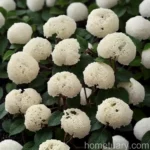
Viburnum sargentii ‘Onondaga’ (Sargent Viburnum)
Viburnum sargentii ‘Onondaga’, commonly known as Sargent Viburnum, is a versatile and visually appealing shrub that is popular among gardeners for its ornamental features and easy maintenance. This plant belongs to the Adoxaceae family and is native to North America. In this comprehensive guide, we will delve into the various aspects of caring for Viburnum sargentii ‘Onondaga’, including its cultural requirements, uses, propagation, common diseases, and more. Whether you are a seasoned gardener or a beginner, this article will provide you with valuable insights into cultivating and caring for this beautiful shrub.
Key Takeaways – Viburnum sargentii ‘Onondaga’ (Sargent Viburnum)
Before we delve into the details of caring for Viburnum sargentii ‘Onondaga’, let’s take a quick look at the key points that will be covered in this guide:
- Cultural Requirements: Understanding the cultural needs of Viburnum sargentii ‘Onondaga’, including water, sunlight, soil, and fertilizer requirements.
- Uses: Exploring the versatile uses of Sargent Viburnum in landscaping and gardens.
- Propagation: Learning about the different methods of propagating Viburnum sargentii ‘Onondaga’.
- Pruning: Guidelines for pruning and shaping the shrub to maintain its aesthetic appeal.
- Common Diseases and Pests: Identifying common diseases and pests that may affect Sargent Viburnum and methods for diagnosis and control.
- Botanist’s Tips: Professional insights and recommendations for successfully growing and maintaining Viburnum sargentii ‘Onondaga’.
- Fun Facts: Interesting and lesser-known facts about this stunning shrub.
Now, let’s dive into the detailed care guide for Viburnum sargentii ‘Onondaga’.
What is Plant: Viburnum sargentii ‘Onondaga’ (Sargent Viburnum)
Viburnum sargentii ‘Onondaga’, also known as Sargent Viburnum, is a deciduous shrub renowned for its outstanding ornamental features. This plant is characterized by its dense, rounded growth habit and attractive foliage, making it a popular choice for various landscape designs. The Sargent Viburnum typically reaches a height and spread of 6 to 10 feet, giving it a substantial presence in garden settings.
Plant Characteristics
One of the most striking features of Viburnum sargentii ‘Onondaga’ is its foliage, which undergoes dramatic color changes throughout the seasons. The leaves emerge as deep red in spring, transitioning to a rich, dark green during the summer months. As autumn sets in, the foliage transforms into vibrant shades of red and purple, adding a stunning display of fall colors to the landscape.
Aside from its foliage, Viburnum sargentii ‘Onondaga’ produces clusters of creamy white flowers in late spring to early summer, further enhancing its visual appeal. These blooms are followed by ornamental berries that change from red to black as they mature, providing additional interest and attracting birds to the garden.
Overall, the combination of colorful foliage, showy flowers, and attractive berries makes Viburnum sargentii ‘Onondaga’ a standout choice for gardeners seeking a versatile and visually appealing shrub.
Culture
Cultural requirements play a crucial role in ensuring the healthy growth and development of Viburnum sargentii ‘Onondaga’. Understanding the plant’s specific needs for water, sunlight, fertilizer, soil, and pruning is essential for maintaining its vitality and promoting an abundant display of foliage and flowers. Let’s explore each of these aspects in detail.
Uses
Landscaping and Garden Design
Viburnum sargentii ‘Onondaga’ is widely used in landscaping and garden design, thanks to its ornamental attributes and low-maintenance nature. Here are some common uses of Sargent Viburnum in garden settings:
-
Specimen Plant: The dense and rounded growth habit of Viburnum sargentii ‘Onondaga’ makes it an excellent choice for a focal point in the landscape. Whether planted as a solitary specimen or in small groups, its striking foliage and flowers can draw attention and add visual interest to the garden.
-
Hedging: Due to its dense growth and adaptability to pruning, Sargent Viburnum can be shaped into attractive, informal hedges or screens. Its seasonal color changes and delicate clusters of flowers make it a versatile option for creating natural boundaries or privacy screens in outdoor spaces.
-
Mixed Borders: The vibrant foliage and appealing flowers of Viburnum sargentii ‘Onondaga’ make it a valuable addition to mixed borders and shrub beds. When combined with other plants that complement its colors and textures, it can contribute to dynamic and visually appealing garden compositions.
-
Wildlife Gardens: The berries produced by Sargent Viburnum serve as a food source for birds, making it a valuable addition to wildlife-friendly gardens. By providing shelter and food for wildlife, this shrub contributes to the ecological balance of the garden environment.
-
Erosion Control: The dense root system and vigorous growth of Viburnum sargentii ‘Onondaga’ make it effective for stabilizing soil on slopes and preventing erosion. Its ability to thrive in various soil types and conditions further enhances its suitability for erosion control in landscaping projects.
Understanding the versatile uses of Viburnum sargentii ‘Onondaga’ allows gardeners to explore creative possibilities and integrate this stunning shrub into diverse garden settings.
Water
Proper watering is essential for the optimal growth and health of Viburnum sargentii ‘Onondaga’. While this shrub is relatively adaptable to different moisture levels, it is important to establish a consistent watering regimen, particularly during its establishment phase and dry periods.
Watering Guidelines
-
Establishment Phase: Newly planted Viburnum sargentii ‘Onondaga’ requires regular watering to support the development of its root system. Provide sufficient moisture to the root ball and surrounding soil to ensure that the plant establishes itself effectively in its new location.
-
Moisture Levels: Monitor the soil moisture levels around the shrub, especially during the first year after planting. While Sargent Viburnum can tolerate occasional dry spells, it thrives in consistently moist, well-draining soil. However, it is important to avoid waterlogged conditions, as excessive moisture can lead to root rot and other issues.
-
Dry Periods: During prolonged periods of drought or limited rainfall, supplemental watering may be necessary to provide adequate moisture for Viburnum sargentii ‘Onondaga’. Pay attention to the appearance of the leaves, as wilting and browning may indicate the need for additional watering.
-
Mulching: Applying a layer of organic mulch, such as wood chips or shredded bark, around the base of the shrub can help retain soil moisture and reduce water loss through evaporation. This practice also helps regulate soil temperature and suppresses weed growth around the plant.
By adhering to these watering guidelines, gardeners can support the vigorous growth and vitality of Viburnum sargentii ‘Onondaga’ while contributing to its overall health and resilience.
Sunlight
Proper sunlight exposure is crucial for the growth and flowering of Viburnum sargentii ‘Onondaga’. Understanding the sunlight requirements of this shrub is essential for selecting an ideal planting location and providing the necessary light conditions for its optimal development.
Sunlight Preferences
-
Full Sun to Partial Shade: Viburnum sargentii ‘Onondaga’ flourishes in locations that receive full to partial sunlight. Ideally, it should be planted in a position that receives at least 6 hours of direct sunlight per day to promote robust growth and abundant flowering.
-
Shade Tolerance: While Sargent Viburnum prefers full sunlight, it also exhibits tolerance to partial shade, making it versatile for planting in various garden settings. In shaded areas, it may produce slightly fewer flowers, but the overall health and vigor of the shrub can be maintained with adequate care.
-
Morning Sun: Planting Viburnum sargentii ‘Onondaga’ in a location that receives morning sunlight is beneficial, particularly in regions with hot climates. This allows the plant to benefit from the gentle morning light while avoiding the harsh intensity of afternoon sun exposure.
Understanding the sunlight preferences of Viburnum sargentii ‘Onondaga’ enables gardeners to select suitable planting sites that cater to the shrub’s specific light requirements, facilitating optimal growth and floral display.
Fertilizer
While Viburnum sargentii ‘Onondaga’ is relatively low-maintenance, providing appropriate fertilization can support its overall health and promote robust growth. Understanding the key aspects of fertilizing Sargent Viburnum is essential for maintaining its vigor and enhancing its ornamental qualities.
Fertilization Guidelines
-
Type of Fertilizer: Use a balanced, slow-release fertilizer formulated for woody ornamental plants to provide essential nutrients to Viburnum sargentii ‘Onondaga’. Look for a fertilizer with a balanced NPK (nitrogen, phosphorus, and potassium) ratio, along with micronutrients, to support the shrub’s nutritional needs.
-
Application Timing: Apply fertilizer to Viburnum sargentii ‘Onondaga’ in early spring, before the onset of new growth, to provide a nutrient boost as the plant enters its active growing season. Another application in late spring or early summer can further support the shrub’s development and flowering.
-
Even Distribution: Distribute the fertilizer evenly around the base of the shrub, extending it to the drip line, where the outer edge of the canopy meets the soil. This ensures that the roots receive the necessary nutrients for sustained growth and development.
-
Watering After Application: After applying fertilizer, water the soil thoroughly to allow the nutrients to penetrate the root zone and facilitate their absorption by the plant. Adequate moisture helps activate the fertilizer and promotes efficient uptake by Viburnum sargentii ‘Onondaga’.
By following these fertilization guidelines, gardeners can provide the necessary nutrients for Viburnum sargentii ‘Onondaga’, supporting its overall vitality and ensuring a healthy and vibrant display of foliage and flowers.
Soil
Understanding the soil requirements of Viburnum sargentii ‘Onondaga’ is essential for creating an optimal growing environment that supports the shrub’s health and vigor. By selecting suitable soil types and implementing proper soil preparation techniques, gardeners can provide an ideal foundation for the robust growth and development of Sargent Viburnum.
Soil Preferences
-
Well-Draining Soil: Viburnum sargentii ‘Onondaga’ thrives in well-draining soil that allows excess water to move away from the root zone efficiently. Avoid planting in heavy or waterlogged soils, as these conditions can lead to root rot and other issues.
-
Moisture Retention: While well-draining soil is essential, it should also have the capacity to retain moisture to sustain the shrub during dry periods. Amending the soil with organic matter, such as compost or peat moss, can enhance its moisture-retaining capabilities while improving overall soil structure.
-
Acidic to Neutral pH: Sargent Viburnum prefers soil with a slightly acidic to neutral pH range, typically between 5.5 and 7.0. Conduct a soil test to assess the pH level of the planting site and make any necessary adjustments to ensure an optimal pH for the shrub’s growth.
-
Soil Amendments: Prior to planting Viburnum sargentii ‘Onondaga’, incorporate organic amendments into the soil, such as well-rotted compost or aged manure, to enrich its fertility and provide a favorable environment for the development of the shrub’s root system.
By preparing the soil according to these preferences, gardeners can establish an ideal growing medium for Viburnum sargentii ‘Onondaga’, supporting its overall health and vitality while promoting vigorous growth and abundant flowering.
Pruning
Pruning is an essential aspect of maintaining the shape, size, and overall appearance of Viburnum sargentii ‘Onondaga’. By following proper pruning practices, gardeners can enhance the shrub’s aesthetic appeal, encourage robust growth, and promote a bountiful display of foliage and flowers.
Pruning Guidelines
-
Timing: The best time to prune Viburnum sargentii ‘Onondaga’ is in late spring to early summer, immediately after the shrub has finished flowering. This allows for the removal of spent blooms and the shaping of the plant without impacting the following year’s flower buds.
-
Sanitation: Use clean, sharp pruning tools to make precise cuts and minimize the risk of damage or disease transmission. Disinfect pruning tools with a solution of 70% isopropyl alcohol or a household disinfectant before and after each use to prevent the spread of pathogens.
-
Dead or Diseased Wood: Remove any dead, damaged, or diseased wood from the shrub, making clean cuts just above healthy growth nodes or lateral branches. This helps improve air circulation and reduces the risk of disease development within the plant.
-
Thinning and Shaping: Thin out congested or crossing branches to improve light penetration and airflow throughout the shrub. Additionally, selectively prune to shape Viburnum sargentii ‘Onondaga’, removing any overly vigorous or unsightly growth to maintain a balanced and attractive form.
-
Pruning Height: If desired, the height of Sargent Viburnum can be managed through selective pruning to control its size and maintain a compact shape. However, minimal pruning is generally required to preserve the natural habit and aesthetic appeal of the shrub.
By adhering to these pruning guidelines, gardeners can maintain the health, appearance, and floral abundance of Viburnum sargentii ‘Onondaga’, contributing to the long-term success and visual appeal of the shrub in garden settings.
Propagation
Propagating Viburnum sargentii ‘Onondaga’ allows gardeners to expand their plant collection and share this stunning shrub with others. While this process requires patience and attention to detail, understanding the methods of propagation can enable enthusiasts to create new plants from established specimens.
Propagation Techniques
-
Softwood Cuttings: Propagate Viburnum sargentii ‘Onondaga’ from softwood cuttings taken in early summer, when the shrub’s new growth is still tender and actively growing. Use a rooting hormone to encourage root development and provide bottom heat to promote the success of softwood cuttings.
-
Hardwood Cuttings: Take hardwood cuttings from Viburnum sargentii ‘Onondaga’ in late autumn to early winter when the shrub is dormant. Prepare the cuttings from mature, woody stems and insert them into a well-draining propagation medium to encourage root formation.
-
Division: Divide established Viburnum sargentii ‘Onondaga’ plants by carefully separating the root ball into sections, each containing viable roots and stems. Replant the divided sections in suitable locations, providing adequate care to support their establishment and growth.
-
Seed Propagation: While less common, Sargent Viburnum can also be propagated from seeds collected from mature berries. However, the seed propagation process typically requires stratification to prompt germination and may take longer to produce established plants compared to vegetative propagation methods.
Understanding these propagation techniques empowers gardeners to propagate Viburnum sargentii ‘Onondaga’ effectively, expanding their plant collection and sharing the beauty of this shrub with others.
Container Popularity
Viburnum sargentii ‘Onondaga’ is a popular choice for container gardening due to its compact growth habit and ornamental attributes. Growing this shrub in containers offers several advantages, such as flexibility in placement, ease of maintenance, and the opportunity to showcase its vibrant foliage and flowers on patios, balconies, or outdoor living spaces.
Container Gardening Tips
-
Container Selection: Choose a spacious and well-draining container with adequate drainage holes to support the healthy growth of Viburnum sargentii ‘Onondaga’. Select a container that allows sufficient room for the shrub’s root system to develop and minimizes the need for frequent repotting.
-
Growing Medium: Use a high-quality, well-draining potting mix formulated for woody ornamental plants to provide the necessary support and nutrients for Viburnum sargentii ‘Onondaga’. Consider adding perlite or coarse sand to enhance the soil structure and improve drainage.
-
Sunlight Requirements: Place the container in a location that receives the appropriate sunlight for Sargent Viburnum, ensuring that it receives at least 6 hours of direct sunlight per day. Rotate the container periodically to promote uniform growth and prevent the development of lopsided foliage.
-
Watering and Fertilization: Monitor the moisture levels in the container and water the shrub as needed to maintain consistent soil moisture. Apply a balanced, slow-release fertilizer to the container-grown Viburnum sargentii ‘Onondaga’ in spring to support its growth and development.
By following these container gardening tips, gardeners can successfully cultivate Viburnum sargentii ‘Onondaga’ in containers, leveraging its ornamental qualities to enhance outdoor spaces and create captivating displays of foliage and flowers.
Common Diseases
Viburnum sargentii ‘Onondaga’ is generally resilient to many common diseases, thanks to its optimal cultural requirements and overall vigor. However, like all plants, it is susceptible to certain diseases under unfavorable conditions or in the presence of specific pathogens. By recognizing the symptoms and understanding the potential diseases that may affect Sargent Viburnum, gardeners can take proactive measures to prevent, diagnose, and manage these issues effectively.
Disease Diagnosis
-
Powdery Mildew (Erysiphe sp.): Powdery mildew can manifest as a powdery white coating on the leaves of Viburnum sargentii ‘Onondaga’, often accompanied by leaf distortion and reduced vigor. Provide good air circulation and avoid overhead watering to discourage powdery mildew development.
-
Leaf Spot (Cercospora sp. and Phoma sp.): Leaf spot diseases may cause dark spots or lesions to form on the foliage of Sargent Viburnum, potentially leading to premature leaf drop. Remove and destroy affected leaves to reduce the spread of pathogens and consider applying fungicidal treatments as necessary.
-
Anthracnose (Colletotrichum sp.): Anthracnose can cause irregularly shaped lesions on the leaves and stems of Viburnum sargentii ‘Onondaga’, leading to defoliation and stunted growth. Ensure proper sanitation and cultural care to minimize the risk of anthracnose, and consider fungicidal applications under severe infestations.
-
Root Rot (Phytophthora sp. and Armillaria sp.): Excessive moisture and waterlogged conditions can contribute to the development of root rot in Sargent Viburnum. Improve soil drainage, avoid overwatering, and maintain proper irrigation practices to prevent root rot issues in the shrub.
By familiarizing themselves with the potential diseases that may affect Viburnum sargentii ‘Onondaga’ and implementing preventive measures, gardeners can protect the health and vitality of this stunning shrub, ensuring its long-term success in garden settings.
Common Pests
While Viburnum sargentii ‘Onondaga’ is generally resistant to pest infestations, certain insects and arthropods may occasionally pose a threat to the shrub, particularly under stressful or unfavorable conditions. Understanding the common pests