Doublefile Viburnum (Viburnum plicatum f. tomentosum): A Comprehensive Guide
Doublefile viburnum, scientifically known as Viburnum plicatum f. tomentosum, is a stunning deciduous shrub appreciated for its beautiful double rows of white flowers, handsome foliage, and attractive growth habit. This versatile and hardy plant is widely used in landscaping and gardening and has gained popularity due to its low maintenance and aesthetic appeal. In this comprehensive guide, we will delve into the culture, uses, maintenance, diseases, and propagation of doublefile viburnum, providing valuable insights to both novice and experienced gardeners.
What is Doublefile Viburnum?
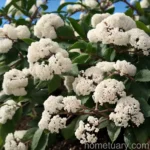
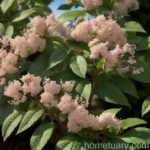
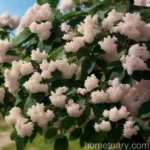
Doublefile viburnum, or Viburnum plicatum f. tomentosum, is a deciduous shrub that belongs to the Adoxaceae family. Originating from Japan and China, this plant is renowned for its distinctive horizontal branching pattern, creating a striking layered effect when in bloom. The common name “doublefile” is derived from the ornamental double rows of flowers that adorn the horizontal branches, adding to its charm. This species is known for its exceptional resilience and adaptability to various climatic conditions, making it a popular choice for gardeners seeking a low-maintenance yet visually captivating addition to their landscapes.
Key Takeaways – Doublefile Viburnum (Viburnum plicatum f. tomentosum)
Before delving into the specifics of doublefile viburnum’s culture, uses, maintenance, and more, let’s take a quick look at the key takeaways for this remarkable plant:
- Scientific Name: Viburnum plicatum f. tomentosum
- Common Name: Doublefile viburnum
- Notable Features: Horizontal branching, double rows of white flowers
- Uses: Landscaping, ornamental gardening
- Maintenance Level: Low
- Hardiness Zones: 5-8
- Soil Preferences: Moist, well-drained
- Sunlight: Full sun to partial shade
- Height: 6-10 feet
- Attributes: Deciduous, upright and spreading growth habit
Now that we have an overview of doublefile viburnum, let’s explore each aspect in detail to gain a comprehensive understanding of this sought-after shrub.
Culture
Understanding the preferred culture for doublefile viburnum is essential for ensuring its successful growth and development. From its water and sunlight requirements to soil preferences, this section will cover the crucial cultural aspects of cultivating doublefile viburnum.
Water
Doublefile viburnum thrives in moist, well-drained soil. While it demonstrates good tolerance to occasional dry spells, especially once established, consistent moisture is beneficial for optimal growth and flowering. It is essential to monitor the soil moisture levels, particularly during hot and dry periods, and provide supplemental watering as needed to maintain adequate soil moisture without waterlogging.
Sunlight
This adaptable shrub exhibits the best performance when grown in full sun to partial shade. In regions with particularly intense summer heat, providing some afternoon shade can prevent excessive stress on the plant. Adequate sunlight exposure promotes robust growth and abundant flowering, making it essential to position the plant in a location that receives the appropriate amount of sunlight based on the local climate and environmental conditions.
Fertilizer
When it comes to fertilization, doublefile viburnum benefits from a balanced, slow-release fertilizer applied in early spring. A complete, granular fertilizer formulated for shrubs and ornamental plants can provide the necessary nutrients for healthy growth and prolific flowering. It is important to follow the manufacturer’s recommendations regarding application rates and methods to prevent over-fertilization, which can have adverse effects on the plant’s overall health.
Soil
Doublefile viburnum thrives in moist, well-drained soil with a slightly acidic to neutral pH. Amending the soil with organic matter, such as compost or well-rotted manure, can improve its structure and fertility, promoting favorable conditions for the plant’s root development and nutrient uptake. Additionally, incorporating a layer of mulch around the base of the shrub can help conserve soil moisture, suppress weed growth, and enhance the overall health of the plant.
Pruning
Pruning is an essential aspect of maintaining the health, shape, and flowering performance of doublefile viburnum. When approached thoughtfully and performed at the right time, pruning can contribute to a well-balanced and aesthetically pleasing growth habit. Here are some key considerations for pruning doublefile viburnum:
-
Timing: The ideal time for pruning doublefile viburnum is immediately after the flowering period, typically in late spring or early summer. This allows sufficient time for new growth to develop and flower buds to form for the following year while ensuring that the plant’s natural beauty is preserved.
-
Techniques: The primary objectives of pruning doublefile viburnum include removing dead or damaged branches, shaping the plant to maintain its attractive structure, and controlling its size if necessary. Proper techniques, such as selective thinning and targeted branch removal, can help improve air circulation and sunlight penetration within the shrub, reducing the risk of disease and promoting overall vigor.
-
Tools: Utilizing sharp, clean pruning tools, such as bypass pruners and loppers, is essential for making precise cuts that minimize damage to the plant. Disinfecting the tools before and after use can prevent the spread of diseases and ensure the health of the shrub.
By approaching pruning with care and consideration for the plant’s natural growth pattern, gardeners can effectively enhance the visual appeal and longevity of their doublefile viburnum while promoting its overall well-being.
Propagation
Propagating doublefile viburnum allows gardeners to expand their plant collection or share this captivating species with others. This section will explore common methods for propagating doublefile viburnum and offer insights into successful propagation techniques.
Seed Propagation
While propagating doublefile viburnum from seed is possible, it is important to note that the resulting plants may not retain the exact characteristics of the parent plant. For gardeners who value consistency in features such as flower color and growth habit, seed propagation may not be the most reliable method for reproducing doublefile viburnum. However, for those interested in experimenting with seed propagation, the process typically involves collecting ripe seeds, preparing a suitable seed-starting mix, and providing optimal conditions for germination and early growth.
Stem Cuttings
Stem cuttings offer a more reliable and efficient method of propagating doublefile viburnum while preserving the traits of the parent plant. Softwood or semi-hardwood cuttings taken from healthy, disease-free branches can be rooted to produce genetically identical clones of the original plant. By carefully following established techniques for preparing, planting, and caring for stem cuttings, gardeners can successfully propagate doublefile viburnum with a high degree of consistency in terms of its desirable attributes.
Layering
Layering, a natural propagation method, involves encouraging the development of roots on a stem that remains attached to the parent plant before severing it to establish an independent specimen. For doublefile viburnum, simple layering or air layering can be employed to initiate root formation on a selected branch, eventually leading to the creation of a new, self-sustaining plant. This method can be particularly effective when working with larger, established shrubs where select branches can be manipulated to promote successful layering.
Container Popularity
With its exceptional ornamental value, adaptability, and manageable size, doublefile viburnum has garnered significant popularity as a container plant. Its striking appearance and relatively low maintenance make it an attractive choice for gardeners looking to add visual interest and elegance to patios, balconies, and other outdoor living spaces. When cultivating doublefile viburnum in containers, it is important to consider factors such as container size, soil quality, and environmental conditions to ensure the plant’s well-being and longevity in a confined growing environment.
Common Diseases
Like all plants, doublefile viburnum is susceptible to certain diseases that can affect its appearance and overall health if left unmanaged. Recognizing the signs and symptoms of common diseases and understanding preventive measures and treatment options is crucial for safeguarding the well-being of doublefile viburnum. Here are some of the most prevalent diseases that gardeners should be aware of:
-
Powdery Mildew: Powdery mildew is a fungal disease characterized by a white, powdery coating on the leaves and other plant parts. It can compromise the plant’s photosynthetic capacity and overall vigor, leading to stunted growth and reduced flowering. To mitigate powdery mildew, gardeners can employ cultural practices such as ensuring proper air circulation, avoiding overhead watering, and, if necessary, utilizing fungicidal treatments to manage the disease.
-
Leaf Spot: Leaf spot diseases, caused by various fungal pathogens, can manifest as circular or irregular lesions on the foliage, diminishing its aesthetic appeal and potentially affecting the plant’s ability to photosynthesize. Pruning affected plant parts, promoting good sanitation practices, and maintaining adequate spacing between plants can help minimize the risk of leaf spot diseases. Fungicidal treatments may be recommended in severe cases to prevent further spread and damage.
-
Canker Diseases: Canker diseases, often caused by fungal or bacterial pathogens, result in the formation of sunken lesions or areas of discolored and damaged bark on the stems and branches. These diseases can weaken the affected plant parts and compromise the overall structural integrity of the shrub. Proper pruning of infested branches, maintaining plant health through appropriate cultural practices, and implementing targeted disease management strategies are essential for containing and minimizing the impact of canker diseases on doublefile viburnum.
By being proactive in monitoring the health of doublefile viburnum, implementing preventive measures, and responding effectively to signs of disease, gardeners can uphold the resilience and vitality of this beloved shrub and enjoy its ornamental attributes to the fullest.
Disease Diagnosis
Diagnosing diseases affecting doublefile viburnum requires a keen eye for identifying specific symptoms and understanding the underlying causes of plant distress. Here are some indicative signs and symptoms to watch for when assessing the health of doublefile viburnum:
-
Fungal Spots or Coatings: The presence of powdery or discolored fungal growth on the leaves and stems can indicate the onset of fungal diseases such as powdery mildew or leaf spot. Examination of the affected plant parts can provide valuable clues to the nature and severity of the disease, guiding subsequent management efforts.
-
Lesions and Discoloration: Sunken lesions, browning or darkening of leaf margins, and other irregular discolorations on the foliage and stems can signify the presence of canker diseases, highlighting the need for closer inspection and potential intervention to prevent further spread and damage.
-
Stunted Growth and Wilted Foliage: The overall vigor and appearance of doublefile viburnum can be adversely affected by certain diseases, leading to symptoms such as stunted growth, wilting, and general decline. Recognizing these indicators and conducting a thorough assessment of the plant’s growing conditions can aid in diagnosing and addressing underlying disease issues.
Accurate disease diagnosis empowers gardeners to implement targeted and effective strategies for disease management, ultimately promoting the long-term health and vitality of doublefile viburnum.
Common Pests
In addition to diseases, doublefile viburnum may face challenges posed by various pests that can impact its aesthetic appeal and physiological functions. Vigilance and proactive pest management are essential for preserving the plant’s health and ensuring optimal growth and flowering. Here are some common pests that can affect doublefile viburnum:
-
Aphids: Aphids are sap-feeding insects that can gather in large numbers on the tender shoots and undersides of leaves, causing leaf distortion, yellowing, and the development of sticky honeydew. Regular monitoring and the use of natural predators or targeted insecticidal treatments can help keep aphid populations in check and minimize their impact on the plant.
-
Scale Insects: Scale insects, commonly found on the branches and stems, can appear as small, immobile bumps or shells that protect the feeding insects beneath. Severe infestations can lead to reduced plant vigor, yellowing of foliage, and dieback. Implementing cultural methods, such as pruning and improving plant health, alongside targeted insecticidal treatments, can help manage scale insect populations effectively.
-
Japanese Beetles: Japanese beetles are voracious feeders that can skeletonize the foliage of doublefile viburnum, leading to significant aesthetic damage and potential stress on the plant. Employing physical removal techniques, such as handpicking and using traps, along with the selective use of insecticides, can assist in mitigating Japanese beetle infestations and preserving the plant’s appearance and vitality.
By remaining attentive to the presence of these and other potential pests, gardeners can promptly address pest-related issues and safeguard the well-being of doublefile viburnum, allowing it to thrive and flourish in the landscape.
Botanist’s Tips
As a plant scientist with a passion for horticulture and a deep appreciation for the natural world, I would like to offer the following tips and insights to fellow enthusiasts and aspiring gardeners seeking to cultivate and admire doublefile viburnum:
-
Observation and Care: Take the time to observe the growth habits, flowering patterns, and seasonal changes of doublefile viburnum, allowing you to develop a deeper connection with the plant and gain insight into its unique attributes and requirements.
-
Environmental Compatibility: Consider the local climate, soil conditions, and available sunlight when selecting a location for doublefile viburnum, ensuring that it aligns with the plant’s preferred growing environment and can support its long-term well-being.
-
Holistic Plant Health: Embrace a holistic approach to plant health that encompasses proper cultural practices, disease and pest management, and regular monitoring to nurture the resilience and vitality of doublefile viburnum within the landscape.
-
Appreciation for Wildlife: Recognize the value of doublefile viburnum as a source of food, shelter, and attraction for diverse wildlife, ranging from pollinators and beneficial insects to birds and other members of the local ecosystem.
-
Aesthetic Integration: Explore creative ways to incorporate doublefile viburnum into landscape designs, considering its ornamental features, growth habit, and seasonal changes to achieve harmonious and visually captivating compositions.
By embracing these tips and cultivating an informed and attentive approach to the care and appreciation of doublefile viburnum, gardeners can unlock the full potential of this remarkable shrub and create enriching experiences within their outdoor spaces.
Fun Facts
To further celebrate the allure and appeal of doublefile viburnum, here are some captivating fun facts about this cherished plant:
-
Double Delight: The distinctive horizontal branching and double rows of flowers give doublefile viburnum a remarkably ornamental appearance, contributing to its allure in the garden and landscape.
-
Seasonal Splendor: In addition to its abundant spring blooms, doublefile viburnum displays attractive foliage throughout the growing season and undergoes stunning color changes in the fall, adding dynamic visual interest to outdoor spaces.
-
Wildlife Magnet: Doublefile viburnum entices a variety of wildlife, including pollinators such as bees and butterflies, while also serving as a valuable habitat and food source for birds and other fauna.
-
Diverse Uses: From hedging and borders to specimen plantings and mixed shrub borders, doublefile viburnum offers versatility in landscape applications, accommodating a range of design preferences and gardening styles.
-
Historical Significance: Viburnum has a rich botanical history, with certain species, including doublefile viburnum, having been cultivated for ornamental and practical purposes for centuries, reflecting its enduring appeal and relevance in horticulture.
Links to External Resources
For further in-depth exploration of doublefile viburnum and related topics, I recommend referring to the following reputable resources:
- American Public Gardens Association: American Public Gardens Association
- Royal Horticultural Society: Royal Horticultural Society
- University Cooperative Extension Services: Cooperative Extension Services
- Plant Physiology Journals: Plant Physiology
- International Society for Horticultural Science: International Society for Horticultural Science
In conclusion, doublefile viburnum (Viburnum plicatum f. tomentosum) presents itself as an extraordinary addition to gardens, landscapes, and outdoor settings, captivating the senses with its abundant blooms, attractive foliage, and ornamental appeal. By embracing the insights and recommendations shared in this comprehensive guide, gardeners can foster a deeper understanding of doublefile viburnum’s culture, uses, maintenance, and ecological significance, enriching their horticultural experiences and creating thriving environments for this beloved shrub to flourish.
As we celebrate the remarkable traits and enduring charm of doublefile viburnum, may it continue to inspire and captivate individuals and communities, fostering a deeper appreciation for the natural world and the diverse plant species that grace our lives with beauty and vitality.
Disclaimer: The insights and recommendations provided are based on current botanical knowledge and horticultural practices. It is advisable to consult with local gardening experts and extension services to tailor the information to specific environmental conditions and regional considerations.
This blog post is authored by a plant scientist with a deep passion for botany, horticulture, and the natural world. The content is aimed at cultivating a greater understanding and appreciation for plants while providing practical insights for gardening enthusiasts and professionals.