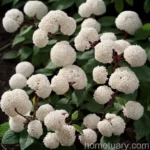
All About Viburnum Tinus ‘Lisarose’ – A Plant Scientist’s Guide
Viburnum tinus ‘Lisarose’, commonly known as laurustinus, is a versatile and visually appealing shrub that belongs to the Adoxaceae family. It is a species of flowering plant native to the Mediterranean region, particularly the western regions of Europe and North Africa. This evergreen shrub is popular for its ornamental features and diverse landscape uses. In this comprehensive guide, we will explore the various aspects of laurustinus, including its cultural requirements, uses in landscaping, maintenance practices, common diseases, propagation methods, and the overall popularity of this charming plant.
What is Viburnum Tinus ‘Lisarose’?
Viburnum tinus ‘Lisarose’ is a cultivar of the species Viburnum tinus, which is known for its attractive foliage and clusters of small, fragrant white flowers. The ‘Lisarose’ cultivar is particularly prized for its compact growth habit and profusion of pink-tinged flower buds that open into delicate white blossoms, providing a stunning visual display. This cultivar is an evergreen shrub that typically reaches a height and spread of 4-6 feet, making it well-suited for various landscaping applications, including hedges, borders, and containers.
Key Takeaways – Viburnum Tinus ‘Lisarose’
Culture
- Viburnum tinus ‘Lisarose’ is a versatile and adaptable shrub that thrives in various growing conditions.
- It boasts evergreen foliage and produces clusters of small, fragrant flowers, adding aesthetic appeal to gardens and landscapes.
Uses
- Widely utilized in landscaping, laurustinus is suitable for hedges, borders, and container gardening.
- Its ornamental features, including vibrant foliage and attractive blooms, make it a popular choice for enhancing outdoor spaces.
Water
- Laurustinus requires moderate watering, particularly during the establishment phase and periods of prolonged drought.
- While it can tolerate some degree of dryness, regular watering is essential for promoting healthy growth and flowering.
Sunlight
- It thrives in full to partial sun, preferring a location with at least 6 hours of direct sunlight each day.
- Adequate sunlight is critical for stimulating flower production and maintaining the overall vigor of the plant.
Fertilizer
- Regular fertilization with a balanced, slow-release fertilizer helps promote robust growth and abundant flowering.
- Apply the fertilizer in early spring before the start of the growing season, following the manufacturer’s recommendations for dosage and application.
Soil
- Well-draining, slightly acidic to neutral soil provides an ideal growing medium for laurustinus.
- Amending the soil with organic matter can improve its texture and fertility, enhancing the plant’s overall performance.
Pruning
- Pruning is essential for maintaining the desired shape, controlling the size, and rejuvenating older plants.
- Perform pruning after the flowering season to remove dead or overgrown branches and shape the shrub as needed.
Propagation
- Laurustinus can be propagated from semi-hardwood cuttings or seeds, although cuttings are the preferred method for retaining the characteristics of the parent plant.
- Propagation from cuttings is typically carried out in late spring to early summer when the plant is actively growing.
Container Popularity
- The compact growth habit and ornamental qualities of laurustinus make it well-suited for container cultivation.
- It can be grown in containers on patios, balconies, or terraces, adding an element of natural beauty to outdoor living spaces.
Common Diseases
- Laurustinus is susceptible to certain fungal diseases, including powdery mildew and leaf spot, particularly in conditions of poor air circulation and high humidity.
- Proper sanitation and good cultural practices can help minimize the risk of disease development.
Disease Diagnosis
- Careful observation of the foliage and overall plant health can aid in diagnosing and addressing potential disease issues.
- Prompt action, such as pruning affected branches and applying appropriate fungicidal treatments, can help manage and prevent the spread of diseases.
Common Pests
- Aphids, scale insects, and spider mites are among the common pests that may infest laurustinus.
- Regular monitoring and the use of insecticidal soaps or horticultural oils can help control pest populations and minimize damage to the plant.
Botanist’s Tips
- Regularly inspect the plant for signs of pests and diseases, addressing any issues promptly to maintain its health and vitality.
- Provide well-draining soil, adequate sunlight, and appropriate cultural care to optimize the performance of laurustinus.
Fun Facts
- Laurustinus is often sought after for its captivating display of pink buds and white flowers during the cooler months of the year.
- The plant’s attractive foliage and flowers make it a popular choice for adding visual interest to winter landscapes.
Now that we have covered the key takeaways related to laurustinus, let’s delve deeper into the various aspects of this plant, from its cultural requirements to its role in landscaping and propagation techniques.
Water Requirements for Viburnum Tinus ‘Lisarose’
Maintaining appropriate moisture levels is crucial for the overall health and vitality of laurustinus. While it has some tolerance for dry conditions, consistent watering is essential, particularly during its establishment phase and periods of extended drought.
Water Needs
- Laurustinus requires regular watering, especially during the initial few years after planting, to support healthy root development and establishment.
- Water the shrub deeply, ensuring that the soil is evenly moist without becoming waterlogged.
Watering Schedule
- During the growing season, water the plant deeply at least once a week, adjusting the frequency based on local weather conditions and soil moisture levels.
- In hot, dry climates, more frequent watering may be necessary to prevent the soil from drying out excessively.
Drought Tolerance
- While laurustinus can withstand some degree of drought once established, prolonged periods of dryness can impact its growth and flowering.
- In regions with infrequent rainfall or extended dry spells, supplemental irrigation may be necessary to sustain the plant’s health and appearance.
Watering Tips
- Apply water at the base of the shrub, directing it toward the root zone to ensure efficient absorption.
- Mulching around the plant can help conserve soil moisture, reduce evaporation, and minimize the frequency of watering.
By maintaining adequate soil moisture and meeting the plant’s water needs, you can promote healthy growth and blooming, enhancing the ornamental appeal of Viburnum tinus ‘Lisarose’.
Sunlight Requirements for Viburnum Tinus ‘Lisarose’
Proper sunlight exposure plays a significant role in the growth, flowering, and overall performance of laurustinus. Providing the shrub with the right amount of sunlight is essential for maximizing its ornamental value and ensuring robust plant development.
Sun Exposure
- Laurustinus thrives in full to partial sun, preferring a location with at least 6 hours of direct sunlight each day.
- Adequate sunlight exposure is critical for stimulating flower production and maintaining the plant’s overall vigor.
Ideal Sun Conditions
- In regions with hot, intense sunlight, providing partial shade during the hottest part of the day can help protect the plant from excessive heat and potential sunburn.
- Select a planting site that receives ample sunlight while offering some protection from harsh midday sun in warmer climates.
Sunlight Tips
- Regularly assess the sunlight conditions in your garden or landscape to identify the most suitable locations for planting laurustinus.
- Balance the need for sunlight with considerations for protecting the plant from extreme heat and minimizing the risk of sun-related stress.
Sunlight and Flowering
- Adequate sunlight exposure is essential for promoting the development of flower buds and ensuring prolific blooming during the appropriate seasons.
- Insufficient sunlight can result in reduced flower production and may compromise the overall visual impact of the shrub.
By providing the appropriate sunlight conditions, you can support the healthy growth, flowering, and overall vigor of Viburnum tinus ‘Lisarose’, enhancing its ornamental value in the landscape.
Fertilizing Viburnum Tinus ‘Lisarose’
Applying a balanced, slow-release fertilizer is beneficial for promoting the growth, flowering, and overall health of laurustinus. Regular fertilization provides essential nutrients to the plant, supporting its vitality and ornamental appeal.
Fertilizer Type
- Use a well-balanced, slow-release fertilizer specifically formulated for shrubs and ornamental plants, following the manufacturer’s instructions for application rates and frequency.
- A fertilizer with a nutrient ratio of 10-10-10 or similar proportions is suitable for meeting the nutritional needs of laurustinus.
Fertilizing Schedule
- Apply the fertilizer in early spring, just before the start of the growing season, to provide the plant with the necessary nutrients for robust growth and flowering.
- Refrain from fertilizing the shrub during late summer and fall to avoid promoting tender new growth that may be susceptible to frost damage.
Application Method
- Spread the fertilizer evenly around the base of the plant, avoiding direct contact with the stems or foliage, and water it in thoroughly to facilitate nutrient uptake.
- Consider using organic fertilizers or slow-release granular formulations for sustained nutrient release and long-term soil enrichment.
Fertilizer Dosage
- Adhere to the recommended dosage provided on the fertilizer packaging, adjusting the application rate based on the size, age, and specific needs of the laurustinus shrub.
- Avoid over-fertilizing, as excessive nutrient levels can adversely affect the plant and may result in nutrient imbalances.
By providing the appropriate fertilization, you can support the healthy growth, flowering, and overall vigor of Viburnum tinus ‘Lisarose’, enhancing its ornamental value and visual appeal within the landscape.
Soil Requirements for Viburnum Tinus ‘Lisarose’
The quality and composition of the soil play a crucial role in the growth, establishment, and long-term performance of laurustinus. By meeting its specific soil requirements, you can provide an optimal growing environment for the shrub, promoting healthy development and flowering.
Soil Type
- Well-draining, loamy soil with a slightly acidic to neutral pH range is ideal for cultivating laurustinus.
- Soil that retains some moisture while allowing excess water to drain away is crucial for preventing waterlogged conditions and root rot.
Soil Amendments
- Incorporating organic matter, such as compost or well-rotted manure, into the soil can enhance its structure, fertility, and water retention capabilities.
- Regular applications of organic amendments can improve the overall quality of the soil and create an optimal growing medium for laurustinus.
Soil Texture
- The soil should have a friable, crumbly texture that allows for adequate aeration and root penetration, supporting healthy growth and development.
- Avoid heavy, compacted soils that may impede drainage and limit the availability of oxygen to the plant’s root system.
Soil pH
- Aim for a slightly acidic to neutral soil pH range around 6.0 to 7.0, as laurustinus thrives in these pH conditions and can efficiently uptake essential nutrients from the soil.
- Conduct a soil pH test to assess the current acidity levels and make any necessary adjustments to create an optimal growing environment for the plant.
By providing well-draining, fertile soil with the appropriate pH range, you can create an ideal growing medium for Viburnum tinus ‘Lisarose’, facilitating its healthy establishment, growth, and floral display.
Pruning Viburnum Tinus ‘Lisarose’
Pruning is an important aspect of laurustinus maintenance, enabling you to shape the plant, control its size, and rejuvenate older specimens. Proper pruning practices contribute to the shrub’s overall health, appearance, and longevity within the landscape.
Pruning Time
- Perform pruning on laurustinus after the flowering season has concluded, typically in late spring or early summer.
- Avoid pruning during the fall or winter months, as this may remove flower buds and potentially diminish the floral display in the following season.
Pruning Objectives
- Remove dead, diseased, or damaged branches to improve the overall health and vitality of the plant, preventing the spread of pests and diseases.
- Shape the shrub as desired, including maintaining a compact form, promoting a natural appearance, or creating formal hedges with defined edges.
Pruning Techniques
- Use sterilized, sharp pruning tools to make clean cuts without causing unnecessary damage to the plant tissue.
- Cut back overgrown or wayward branches to maintain the desired size and shape, ensuring an even distribution of growth within the canopy.
Rejuvenation Pruning
- For older or neglected plants, rejuvenation pruning can be employed to restore their vigor and encourage new growth.
- Rejuvenation involves selectively removing a portion of older branches to stimulate the production of fresh, healthy shoots and foliage.
Pruning Tips
- Regularly inspect the shrub for any pruning needs, addressing issues such as crossed or rubbing branches, inward-growing stems, or excessive density within the canopy.
- Avoid excessive pruning that removes a significant portion of the plant’s greenery, as this may impede its ability to photosynthesize and recover effectively.
By practicing appropriate pruning techniques and timing, you can maintain the desired form and size of Viburnum tinus ‘Lisarose’, promoting its overall health and ornamental appeal within the landscape.
Propagating Viburnum Tinus ‘Lisarose’
Propagation is the process of creating new plants from existing ones, allowing you to expand your laurustinus collection and share its beauty with others. While laurustinus can be propagated from seeds, the preferred method for retaining the characteristics of the parent plant is through semi-hardwood cuttings.
Propagation from Cuttings
- Take semi-hardwood cuttings from the current season’s growth, typically in late spring to early summer when the plant is actively growing and producing new shoots.
- Select healthy, non-flowering stems and cut them into sections of 4-6 inches in length, ensuring that each cutting possesses a few nodes and leaves for successful rooting.
Rooting Medium
- Plant the cuttings in a well-draining rooting medium, such as a mixture of perlite and peat moss, to facilitate root development.
- Maintain consistent moisture levels and provide gentle bottom heat, if possible, to promote the formation of roots within the cuttings.
Transplanting
- Once the cuttings have developed a sufficient root system, carefully transplant them into individual pots filled with a suitable potting mix.
- Gradually acclimate the young plants to outdoor conditions before planting them in their permanent locations within the garden or landscape.
Seed Propagation
- If propagating from seeds, collect ripe fruits from the laurustinus shrub and extract the seeds for sowing.
- Sow the seeds in containers or in a prepared seedbed, covering them lightly with soil and providing consistent moisture until germination occurs.
By utilizing the appropriate propagation methods, you can effectively propagate Viburnum tinus ‘Lisarose’, creating new plants that retain the desirable traits of the parent shrub and contributing to its continued presence in gardens and landscapes.
Container Gardening with Viburnum Tinus ‘Lisarose’
The compact growth habit and attractive qualities of laurustinus make it well-suited for container cultivation, offering an opportunity to introduce natural beauty and ornamental appeal to outdoor living spaces.
Container Selection
- Choose a large, sturdy container that provides ample space for the root system to develop and support the growth of the shrub.
- Ensure that the container has adequate drainage holes to prevent waterlogging and root rot, and consider using a saucer to catch excess water.
Potting Mix
- Select a well-draining potting mix designed for shrubs and ornamental plants, or create a custom blend using components such as peat moss, perlite, and compost.
- Regularly inspect the soil moisture in the container and water the plant as needed to maintain optimal growing conditions.
Sunlight and Placement
- Position the container in a location that receives at least 6 hours of direct sunlight each day, ensuring that the shrub has access to adequate sunlight for healthy growth and flowering.
- Provide partial shade during the hottest part of the day in warmer climates to protect the plant from excessive heat and potential sunburn.
Watering and Fertilization
- Monitor the moisture levels in the container and water the plant as needed to keep the soil evenly moist without becoming waterlogged.
- Apply a balanced, slow-release fertilizer in early spring to provide essential nutrients for robust growth and flowering throughout the growing season.
Pruning and Maintenance
- Regularly inspect the container-grown laurustinus for any pruning needs, including removing dead or overgrown branches and shaping the shrub as desired.
- Provide adequate space around the container to allow for air circulation and minimize the risk of pest and disease issues.
By cultivating Viburnum tinus ‘Lisarose’ in containers, you can enhance outdoor living spaces with its natural beauty and ornamental features, creating visually captivating displays and adding a touch of greenery to patios, balconies, or terraces.
Popularity of Viburnum Tinus ‘Lisarose’
Viburnum tinus ‘Lisarose’ is renowned for its visual appeal, adaptability, and versatility in various landscaping applications, contributing to its popularity among gardeners, landscape designers, and plant enthusiasts.
Ornamental Qualities
- The attractive evergreen foliage and clusters of fragrant white flowers make laurustinus a sought-after plant for enhancing garden landscapes and outdoor spaces.
- Its compact growth habit, vibrant flower buds, and profuse blooming contribute to its visual appeal and ornamental value.
Landscape Uses
- Utilized in diverse landscaping settings, laurustinus is suitable for hedges, borders, mass plantings, and container gardening, offering versatility in design and aesthetic impact.
- Its ability to thrive in coastal gardens, urban landscapes, and traditional garden settings contributes to its widespread use in various environments.
Adaptability
- Laurustinus demonstrates adaptability to a range of soil types, sunlight conditions, and climate zones, making it an accessible and versatile plant for gardeners with diverse growing environments.
- Its tolerance for coastal conditions, including salt spray and wind exposure, enhances its appeal for gardens located near the coast or in seaside communities.
Seasonal Interest
- The captivating display of pink buds and fragrant white flowers during the cooler months of the year adds seasonal interest to landscapes, providing visual appeal during the winter and early spring seasons.
- The evergreen foliage and persistent flowering contribute to the year-round attractiveness of laurustinus within the garden setting.
Low Maintenance
- With its relatively low maintenance requirements and minimal pest and disease issues, laurustinus offers a manageable and attractive option for gardeners seeking ornamental plants with enduring appeal.
- Its resistance to deer browsing and attractiveness to pollinators further enhance its desirability for garden landscapes.
By virtue of its ornamental qualities, adaptability, and diverse landscape uses, Viburnum tinus ‘Lisarose’ has garnered significant popularity and continues to be a favored choice for enhancing outdoor spaces with its natural beauty and visual charm.
Common Diseases of Viburnum Tinus ‘Lisarose’
Laurustinus, like other plants, is susceptible to certain diseases under specific environmental conditions. Understanding the common diseases that may affect the plant is essential for implementing preventive measures and managing potential disease issues effectively.
Powdery Mildew
- Powdery mildew is a fungal disease that presents as a white,