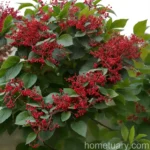
Viburnum Sweet Talker� (Fragrant Viburnum): A Sweet Addition to Your Garden
Viburnum Sweet Talker, known for its delightful fragrance and beautiful blooms, is a popular choice for gardeners looking to add a touch of elegance and charm to their outdoor spaces. In this comprehensive guide, we will delve into the various aspects of this exquisite plant, including its cultural requirements, uses, maintenance, common pests and diseases, interesting facts, and more.
What is Viburnum Sweet Talker?
Viburnum Sweet Talker, scientifically known as Viburnum farreri ‘Nanum’, is a fragrant viburnum variety that belongs to the Adoxaceae family. Originating from China, this deciduous shrub is cherished for its exceptionally fragrant, pale pink to white flowers, which typically bloom in late winter to early spring. The delightful fragrance and attractive blossoms make Viburnum Sweet Talker a sought-after plant for both ornamental and functional purposes in various landscape settings.
Key Takeaways
Before we dive into the specifics of Viburnum Sweet Talker, here are some key takeaways to keep in mind:
- Viburnum Sweet Talker is cherished for its fragrant pink to white flowers, making it a popular choice for gardeners looking to add a touch of fragrance and beauty to their outdoor spaces.
- This plant requires well-draining soil and benefits from regular watering, adequate sunlight, and occasional fertilization.
- Pruning can help maintain the shape and size of Viburnum Sweet Talker, while proper propagation techniques can allow for the multiplication of this delightful shrub.
- Common diseases and pests, such as powdery mildew and aphids, may affect Viburnum Sweet Talker, so it’s important to monitor its health regularly and take preventive measures when necessary.
Now, let’s explore the various aspects of this fragrant viburnum in greater detail.
Culture
Uses
Viburnum Sweet Talker can serve multiple purposes in a garden or landscape setting, thanks to its enchanting fragrance and elegant appearance. Some common uses of Viburnum Sweet Talker include:
- Ornamental Display: The fragrant blooms and attractive foliage make Viburnum Sweet Talker an excellent choice for ornamental planting, whether as a standalone specimen or in mixed borders and group plantings.
- Hedging: The compact and bushy nature of Viburnum Sweet Talker makes it well-suited for creating low hedges or privacy screens, especially in areas where its fragrance can be fully appreciated.
- Wildlife Habitat: The flowers of Viburnum Sweet Talker attract pollinators such as bees and butterflies, contributing to the overall ecosystem health of a garden.
Water
Proper watering is crucial for the health and vitality of Viburnum Sweet Talker, especially during its establishment phase and periods of drought. Here are some water-related considerations for this fragrant viburnum:
- Establishment: Newly planted Viburnum Sweet Talker shrubs should be watered regularly to facilitate root establishment. Deep, thorough watering is recommended to encourage the development of a strong and robust root system.
- Drought Tolerance: Once established, Viburnum Sweet Talker exhibits good drought tolerance. However, during prolonged dry spells, supplemental watering may be necessary, particularly for potted specimens or those in exposed locations.
- Avoid Waterlogging: While Viburnum Sweet Talker appreciates consistent moisture, it is essential to ensure that the soil is well-draining to prevent waterlogging, which can lead to root rot and other moisture-related issues.
Sunlight
Viburnum Sweet Talker thrives in locations that receive ample sunlight, though it can also tolerate partial shade. Here’s what you need to know about sunlight requirements for this fragrant viburnum:
- Full Sun: Ideally, Viburnum Sweet Talker should be planted in a location that receives at least 6-8 hours of direct sunlight per day to promote healthy growth and abundant flowering.
- Partial Shade: While Viburnum Sweet Talker prefers full sun, it can also tolerate partial shade, especially in regions with hot, intense summers. In such areas, providing some afternoon shade can be beneficial for the plant’s overall health.
Fertilizer
Appropriate fertilization can enhance the growth and blooming potential of Viburnum Sweet Talker. Consider the following fertilization guidelines:
- Annual Feeding: Viburnum Sweet Talker benefits from an annual application of a balanced, slow-release fertilizer in early spring before the onset of new growth. This helps provide the necessary nutrients for robust flowering and foliage development.
- Application Rate: Follow the manufacturer’s recommendations regarding the application rate and frequency of fertilization. Avoid over-fertilizing, as excessive nutrients can lead to imbalances and potentially harm the plant.
Soil
The right soil conditions are vital for the well-being of Viburnum Sweet Talker. Here’s what you need to know about soil preferences for this fragrant viburnum:
- Well-Draining Soil: Viburnum Sweet Talker thrives in well-draining, loamy soil that retains moisture without becoming waterlogged.
- pH Range: The ideal soil pH for Viburnum Sweet Talker is slightly acidic to neutral (pH 5.5-7.5). Soil testing kits are available to determine the pH of the planting area and make any necessary adjustments.
- Soil Amendments: Incorporating organic matter such as compost or well-rotted manure into the soil prior to planting can improve its structure and fertility, providing a favorable environment for Viburnum Sweet Talker’s root development.
Pruning
Pruning Techniques
Pruning is an essential aspect of Viburnum Sweet Talker maintenance. Proper pruning techniques can help shape the plant, remove dead or diseased growth, and encourage prolific flowering. Consider the following pruning guidelines:
- Timing: Prune Viburnum Sweet Talker immediately after flowering, typically in late spring or early summer. This allows the plant to form buds for the following year’s blooms without removing potential flowering wood.
- Sanitation: Use clean, sharp pruning tools to make precise cuts and minimize the risk of introducing diseases. Remove any dead, damaged, or crossing branches to maintain the plant’s overall health and aesthetics.
- Selective Pruning: To maintain a compact and well-branched form, selectively prune the oldest stems of Viburnum Sweet Talker to promote vigorous new growth from the base.
Propagation
Viburnum Sweet Talker can be propagated through various methods, allowing gardeners to create new plants from existing specimens. Here are some common propagation techniques for this fragrant viburnum:
- Softwood Cuttings: Take softwood cuttings from healthy, actively growing shoots of Viburnum Sweet Talker in spring or early summer. Remove the lower leaves and dip the cut ends in rooting hormone before planting in a well-draining rooting medium.
- Hardwood Cuttings: In late autumn or winter, collect hardwood cuttings from Viburnum Sweet Talker and plant them in a prepared nursery bed. Keep the cuttings moist and protected from extreme cold to encourage root development.
- Division: Divide mature Viburnum Sweet Talker plants to create new specimens. Dig up the plant in early spring, carefully separate the root ball into sections, and replant the divisions in suitable locations.
Container Popularity
With its compact growth habit and delightful fragrance, Viburnum Sweet Talker is a popular choice for container gardening. Consider the following factors when growing Viburnum Sweet Talker in containers:
- Container Selection: Choose a large, sturdy container with drainage holes to provide ample space for the roots and promote proper drainage. Consider terracotta or resin containers, which are durable and allow for air exchange.
- Potting Mix: Use a well-draining potting mix formulated for shrubs and ornamental plants. A mix containing perlite or vermiculite can help maintain adequate moisture levels while preventing waterlogging.
- Placement: Position the container in a location that receives sufficient sunlight, as Viburnum Sweet Talker thrives in sunny to partially shaded conditions. Rotate the container periodically to ensure even exposure to sunlight.
Common Diseases
Viburnum Sweet Talker may be susceptible to certain diseases, particularly under unfavorable growing conditions. Some common diseases that can affect this fragrant viburnum include:
- Powdery Mildew: This fungal disease appears as a white, powdery coating on the leaves, often leading to leaf distortion and reduced plant vigor. Proper air circulation and preventive fungicidal sprays can help manage powdery mildew.
- Canker: Canker infections cause sunken, discolored areas on the stems and branches of Viburnum Sweet Talker, potentially leading to dieback. Pruning out infected portions and promoting overall plant health through proper cultural practices can mitigate the impact of canker.
Disease Diagnosis
Early diagnosis and prompt intervention are critical for managing diseases in Viburnum Sweet Talker. Consider the following steps for disease diagnosis:
- Visible Symptoms: Regularly inspect the foliage, stems, and branches of Viburnum Sweet Talker for any signs of discoloration, distortion, or abnormal growth.
- Localized Damage: Identify specific areas of the plant that exhibit symptoms, such as yellowing leaves or sunken lesions on stems.
- Professional Consultation: If unsure about the nature of the disease affecting Viburnum Sweet Talker, consult with local horticultural experts or plant pathologists for accurate diagnosis and treatment recommendations.
Common Pests
While generally resilient, Viburnum Sweet Talker may occasionally face challenges from common garden pests. Some pests that can potentially affect this fragrant viburnum include:
- Aphids: These small, soft-bodied insects feed on the sap of Viburnum Sweet Talker, often clustering on the undersides of leaves. Regular monitoring and the introduction of natural predators can help control aphid populations.
- Scale Insects: Scale insects can infest the stems and foliage of Viburnum Sweet Talker, leading to stunted growth and weakened plant vigor. Directly targeting scale insects with horticultural oil or insecticidal soap can aid in their management.
Pest Control
Implementing effective pest control measures is crucial for protecting Viburnum Sweet Talker from potentially damaging infestations. Consider the following pest control strategies:
- Integrated Pest Management (IPM): Adopt a holistic approach to pest control, incorporating cultural, mechanical, and biological tactics to manage pest populations while minimizing the use of chemical sprays.
- Beneficial Insects: Attract or introduce beneficial insects such as ladybugs, lacewings, and parasitic wasps, which can help naturally control aphids and other small pests that may affect Viburnum Sweet Talker.
- Selective Treatments: When pest populations reach problematic levels, consider targeted applications of insecticidal soaps or horticultural oils to directly address the affected areas while minimizing non-target impacts.
Botanist’s Tips
Seasoned botanists and horticulturists offer valuable insights to enhance the cultivation and care of Viburnum Sweet Talker. Here are some practical tips for successfully growing and enjoying this fragrant viburnum:
- Mulching: Apply a layer of organic mulch, such as shredded bark or compost, around the base of Viburnum Sweet Talker to conserve soil moisture and suppress weed growth. Leave a small gap between the mulch and the plant’s stem to prevent moisture-related issues.
- Regular Monitoring: Keep a close eye on the overall health of Viburnum Sweet Talker, regularly checking for signs of stress, disease, or pest activity. Early detection and intervention are key to maintaining the plant’s vitality.
- Seasonal Adjustments: Fine-tune cultural practices as the seasons change, ensuring that watering, fertilization, and protection measures are adapted to the specific needs of Viburnum Sweet Talker throughout the year.
Fun Facts
To add an extra layer of intrigue to Viburnum Sweet Talker, here are some fascinating fun facts about this delightful shrub:
- Viburnum Sweet Talker is renowned for its sweet, intoxicating fragrance, which can fill the air with a delightful scent, especially on sunny, warm days.
- The fragrant flowers of Viburnum Sweet Talker are often used in floral arrangements and bouquets, adding a touch of natural elegance to indoor spaces.
- This viburnum species has been celebrated in horticultural circles for its contribution to wildlife conservation, attracting beneficial pollinators such as bees and butterflies to the garden.
Links to External Resources
For further information on Viburnum Sweet Talker and related topics, consider exploring the following external resources:
- The Royal Horticultural Society (RHS): The RHS website offers comprehensive guidance on growing and caring for viburnums, including specific information on Viburnum Sweet Talker and its cultivation.
- University Extension Services: Various university extension services provide detailed growing guides and fact sheets on viburnums, offering practical insights for successful cultivation.
- Botanical Gardens and Arboreta: Explore local botanical gardens and arboreta, where you can observe Viburnum Sweet Talker in living collections and gather inspiration for landscape uses.
In conclusion, Viburnum Sweet Talker represents a captivating addition to any garden or landscape, thanks to its enchanting fragrance, ornamental blooms, and versatile uses. By understanding and implementing the cultural requirements, maintenance practices, and pest management strategies outlined in this guide, gardeners can cultivate vibrant, fragrant displays with Viburnum Sweet Talker as a centerpiece.
Remember, the journey of growing Viburnum Sweet Talker is a rewarding one, filled with the sweet scents of spring and the enduring beauty of a beloved garden staple.
Happy gardening!